


Картина відповідає вашим виборам: , .
Опис експоната
William Holman Hunt’s intense self-portrait captures the Pre-Raphaelite Brotherhood's realism and moral focus. This 1845 painting showcases youthful dedication with meticulous detail, reflecting Victorian artistic ideals – discover this iconic artwork.
 Розгорнути текст
Біографія митця
Вільям Холман Хант – видатний художник-прерафаеліт, відомий своїми реалістичними та символічними картинами, зокрема "Світло Світу". Його творчість відображає духовні пошуки та вірування епохи Вікторії.
Олійная репродукція ручної роботи
Написана вручну олією на полотні у вашому розмірі та рамі, виготовлена на замовлення нашими художниками. ( Перейти до друку Перейти до цифрових зображень)
Більше про цю картину
 Переглянути в інтер'єрі
 Надіслати як листівку
 Поділитися
 Деталі витвору
 Посібник

 Завантажити
 Схожі екземпляри
 Рентгенівське дослідження
 Слайд-шоу
 Питання та відповіді
 Статистика
Замовте свою картину у чотири прості кроки
Не поспішайте. Ви можете змінити будь-яку відповідь; ціна у вашій кошику буде оновлюватися відповідно до кожного вибору.
1 Перший крок із чотирьох
Який розмір ви бажаєте обрати?
Ці розміри зберігають пропорції оригінальної картини. На малюнку показано ваш вибір на стіні над двометровим диваном.
Або вкажіть власні розміри
Обирайте з наших стандартних розмірів, що відповідають оригінальним пропорціям твору мистецтва.

Введіть необхідну ширину та висоту, щоб картина підійшла до вашої рами або стіни. Оскільки це ручний розпис, для зміни пропорцій художник може дописати трохи більше по краях або дещо обрізати композицію — вибір за вами. Перед початком роботи ми надішлемо вам цифровий макет для затвердження. Зображення, показане на цій сторінці, не є реальним результатом — лише макет відображає майбутній вигляд.
2 Другий крок із чотирьох
Як його підготувати: у рулоні, на підрамнику чи в рамі?
Наведені нижче ціни вказані для розміру, обраного вами на першому кроці.
Оберіть тип країв натяжного полотна
Оберіть свою раму

Білий край ₴1

Розмитий край ₴1

З розширенням ₴1

P118B ₴10

P118H ₴10

P118W ₴10

P438Z ₴10

P508JH ₴12

P508YH ₴12

P805H ₴10

P805Z ₴10

P919BZ ₴10

P919G ₴10

P919XJ ₴10

P959ZH ₴10

P968JZ ₴12

W106C ₴8

W218G ₴10

W218JH ₴8

W218Y ₴10

W307PJ ₴10

W316G ₴10

W316PJ ₴8

W316Y ₴10

W398PJ ₴8

W4111J ₴10

W500HY ₴15

W500JH ₴15

W692G ₴12

W849H ₴8

W940BG ₴15

W953PJ ₴8

H24-GOLD ₴30

H24-SILVER ₴30

H36-GOLD ₴45

H36-SILVER ₴45
У рамі
Багет: . Загальний розмір із рамою: .
3 Третій крок із чотирьох
Бажаєте внести якісь зміни в картину?
Більшість людей відповідають «ні». Оскільки кожна картина створена вручну, наш художник також може адаптувати її для вас.
Після оформлення замовлення команда ArtsDot.com надішле клієнту електронний лист із запитом інструкцій та надасть попередній макет для перегляду
4 Четвертий крок із чотирьох
Кілька варіантів фінішного покриття
Усі вони є необов'язковими. Вибір уже вибраних варіантів не потребує додаткової оплати.
Хто автор?
Доставка по всьому світу () за 3–4 тижні замість стандартних 5 тижнів. (13 Листопад). Без жодних компромісів у якості.
Табличка, як у музеї?
Деталі гравірування на бронзовій табличці
This elegant plaque features the artist's name and the title of the artwork, finely engraved for a timeless presentation.
It is made from bronze with a refined, elegant finish. The text is precisely laser-engraved for a sharp and permanent result. Measuring 9x2 cm, the plaque is compact yet easy to read. It's built to be durable and scratch-resistant, offering a professional, museum-quality look. Mounting is simple thanks to the included adhesive backing.
Деталі прозорої акрилової таблички
The plaque includes essential engraved details such as the artist's name, the title of the artwork, the date it was created, the type of media used-like oil on canvas or watercolor-a brief description of the piece, and a QR code that links to the complete artwork information.
It is crafted from clear acrylic, offering a sleek, modern appearance. The text is UV-engraved in black to ensure strong visual contrast. With a size of 10x15 cm, it ensures optimal readability. It comes equipped with two metal hooks for secure wall mounting. The plaque is designed to be weather-resistant, making it suitable for various environments, and it includes interactive features that work seamlessly with smartphone scanning.
Деталі чорної акрилової таблички
This elegant plaque includes engraved information such as the artist's name, the title of the artwork, the date it was created, the type of media used (like oil on canvas or watercolor), a short description of the artwork, and a QR code for quick access to more information.
The plaque itself is made from refined black acrylic with a premium finish. The text is laser-engraved in white for high contrast and readability. Its size is 10x15 cm, designed to be easy to read. It comes with two metal hooks for professional mounting. The design is sleek and fits any interior style. It is also weather-resistant and durable, with built-in digital integration for mobile compatibility.
Захисний лак?
Коли вам це потрібно?
✓ Перевірити та замовити
Ваша картина, згідно із вашим замовленням

Self Portrait
Матеріал репродукції
Розмір репродукції
-

Видатний майстер-художник
Більше деталізації, витонченості та додаткового часу на створення твору
-

Рама для репродукції
-
-
Для творів мистецтва або репродукцій, розмір яких перевищує 105 см (приблизно 41 дюйм) з будь-якого боку, рама доставляється у вигляді розібраного комплекту. Такий метод гарантує безпечну доставку та запобігає пошкодженням під час транспортування.
Потребує професійного збирання — це не продукт для самостійного виготовлення (DIY).
Комплект має бути зібраний, а полотно натягнуте досвідченим майстром багетних робіт із використанням клейового дерева (не входить у комплект), щипців для натягування полотна та затискачів, щоб підрамник залишався рівним під час висихання клею. Неправильне збирання або нерівномірне натягування полотна може призвести до незворотного пошкодження твору мистецтва, що не підпадає під дію нашої гарантії.
 Для творів мистецтва або репродукцій, розмір яких перевищує 105 см (приблизно 41 дюйм) з будь-якого боку, рама доставляється у вигляді розібраного комплекту. Такий метод гарантує безпечну доставку та запобігає пошкодженням під час транспортування.
У комплект входять усі бруски з цільного дерева, точно вирізані за розміром.
Збирається за допомогою гвинтів, що входять до комплекту, а також клейового розчину для кутових з'єднань, який не входить до комплекту і має бути підготовлений вашим майстром.
Потрібні професійні інструменти, які не входять до комплекту: щипці для натягування полотна (натягувач) та затискачі, щоб утримувати рейки рівно під час висихання клею.
Важливо:
Для з'єднання кутів потрібен клей для дерева, перекладини необхідно затиснути струбцинами до повного висихання клею, а для натягування полотна на зібрану раму знадобляться щипці для натягування полотна. Жоден із цих інструментів не входить до комплекту. Будь ласка, проконсультуйтеся з досвідченим майстром багетного оформлення перед замовленням рами такого розміру.

Етикетка експоната
-
-

Захисний лак
Глянцевий лак (підсилює яскравість кольорів, захищає від світла та вологи)
-

Персоналізувати мій витвір
Приклади можливих змін: заміна обличчя на фото клієнта; додавання домашньої тварини (наприклад, заміна кота на собаку); додавання прихованого повідомлення на фоні; зміна пейзажу або елементів фону.
-

Прискорено
Доставка по всьому світу () за 3–4 тижні замість стандартних 5 тижнів. (13 Листопад). Без компромісів у якості.
-
Експрес-доставка
Доставка по всьому світу () протягом 5 тижнів. (20 Листопад).
Включено в ціну
Підсумкова вартість
₴ 11842
Скляний варіант доступний лише для розмірів до 110 см
До кожного замовлення додається
- Безкоштовна експрес-доставка по всьому світу
- Високоякісне лляне полотно
- Повне страхове покриття доставки
- Гарантія повернення митних зборів
- Гарантія точного відтворення кольорів
- Політика повернення протягом 100 днів (лише у разі виявлення дефектів)
- Гарантія повернення 100% коштів
- Пропозиція на оптові замовлення


William Holman Hunt's 'Self Portrait': A Window into Victorian Vision
The year is 1845. William Holman Hunt, a young artist wrestling with the burgeoning realities of Victorian England, presents us with a remarkably intimate and profoundly significant work – his self-portrait. More than just a likeness, this painting embodies the spirit of a movement: the Pre-Raphaelite Brotherhood’s audacious challenge to artistic convention and their fervent belief in the power of art to convey moral truth. Housed within the Birmingham Museum and Art Gallery, it remains a potent symbol of Hunt's dedication and a crucial document illuminating the era’s artistic anxieties and aspirations.
- Subject & Composition: The portrait depicts Hunt himself in his youth, meticulously rendered with a formal suit and tie. His direct gaze, unwavering and intense, immediately establishes a connection with the viewer – an unprecedented level of engagement for the time. The simple brown background serves not as a distraction but to amplify the subject’s presence, drawing all attention to his thoughtful expression.
- Pre-Raphaelite Influence: Hunt's adherence to Pre-Raphaelite principles is immediately apparent. The meticulous detail, the almost photographic realism, and the deliberate avoidance of idealized beauty are hallmarks of this revolutionary style. This was a reaction against the perceived artificiality of academic art, a yearning for sincerity and a return to the clarity and emotional depth found in the works of artists before Raphael.
A Study in Detail: Technique and Materials
Hunt’s technique is characterized by an extraordinary level of observation and painstaking execution. He employed oil paints with a remarkable sensitivity, layering thin glazes to achieve subtle gradations of tone and texture. The rendering of his clothing – the fabric's folds, the sheen of the silk, the precise stitching – demonstrates a dedication to realism rarely seen in contemporary portraiture. The use of brown pigments, carefully chosen for their depth and richness, contributes significantly to the painting’s somber yet dignified atmosphere. It is evident that Hunt spent considerable time studying his own features, striving not merely to capture a likeness but to convey something deeper – his intellectual curiosity and artistic commitment.
- Color Palette: The restrained color palette—primarily browns, blacks, and subtle variations of grey—reflects the Pre-Raphaelites’ preference for naturalism and their rejection of bright, artificial colors.
- Brushwork: Hunt's brushwork is remarkably smooth and controlled, contributing to the painting's polished appearance.
Symbolism and Context – A Victorian Soul
Beyond its technical merits, ‘Self Portrait’ offers a fascinating glimpse into the intellectual and spiritual climate of Victorian England. The Pre-Raphaelites were deeply concerned with moral questions and sought to use art as a vehicle for social commentary. Hunt's serious demeanor and direct gaze suggest a man grappling with profound ideas – perhaps reflecting his involvement in religious contemplation or his engagement with contemporary philosophical debates. The painting’s creation coincided with the rise of industrialization, a period marked by both immense progress and significant social upheaval. Hunt’s work can be seen as a quiet resistance to this rapid transformation, a reaffirmation of traditional values and a plea for beauty amidst the encroaching darkness.
- Historical Context: Created during Queen Victoria's reign (1837–1901), the painting reflects the Victorian era’s fascination with morality, spirituality, and detailed observation.
- Symbolic Elements: While seemingly straightforward, the portrait can be interpreted as a meditation on identity, purpose, and the artist’s role in society.
Legacy and Resonance – An Enduring Masterpiece
William Holman Hunt's ‘Self Portrait’ is more than just a historical artifact; it remains a powerful testament to the enduring human desire for beauty, truth, and meaning. Its influence extended far beyond the Pre-Raphaelite Brotherhood, shaping the course of British art and inspiring generations of artists. Today, this remarkable painting continues to captivate viewers with its technical brilliance, emotional depth, and profound reflection on the human condition. A hand-painted reproduction offers a unique opportunity to experience the full impact of Hunt’s vision – a window into a pivotal moment in artistic history.
Питання та відповіді
Кольори у творі "Self Portrait" виглядають насиченими чи ніжними?
Кольори в «Self Portrait» роботи Гант Вільям Холман мають Збалансований насиченість.
Чи є "Self Portrait" відомим твором Pre-Raphaelite Movement?
«Self Portrait» роботи Гант Вільям Холман має рівень популярності Визнаний і належить до течії Pre-Raphaelite Movement.
Який етап творчого розвитку Гант Вільям Холман представляє твір "Self Portrait"?
У межах творчого шляху Гант Вільям Холман твір "Self Portrait" належить до періоду Mature Period. Ця фаза дозволяє порівняти його з іншими роботами митця.
Схожі твори мистецтва


Гант Вільям Холман
1827 - 1910, Сполучене Королівство
Біографія митця
A Life Devoted to Vision
William Holman Hunt, born in Cheapside, London on April 2, 1827, was more than simply a painter; he was a philosophical and spiritual seeker who translated his deepest convictions onto canvas. His early life, though rooted in the bustling commercial world of his father’s warehouse business, held within it an artistic inclination that would ultimately defy expectations. Initially destined for a career mirroring his father's, Hunt found solace and purpose in art, beginning with surreptitious sketching and later, after some struggle, formal training at the Royal Academy Schools. This period of apprenticeship, however, proved restrictive. He yearned for an artistic expression that transcended prevailing academic conventions—a desire that would soon propel him toward revolutionary change. He felt stifled by what he perceived as the artificiality of contemporary art and sought a return to the sincerity and detail found in pre-Renaissance masters, a sentiment central to the formation of the Pre-Raphaelite Brotherhood. Hunt’s journey wasn't merely about aesthetics; it was a quest for truth, morality, and spiritual resonance within the realm of visual representation.The Genesis of a Revolutionary Brotherhood
In 1848, alongside Dante Gabriel Rossetti and John Everett Millais, Hunt established the Pre-Raphaelite Brotherhood (PRB). This collective wasn’t just an artistic movement; it was a rebellion against what they saw as the decline of art since Raphael. The PRB advocated for a return to meticulous detail, vibrant colors, and sincere subject matter characteristic of early Italian painting—before the perceived artificiality of High Renaissance ideals took hold. Hunt's commitment to this philosophy remained unwavering throughout his career. Early works like *The Hireling Shepherd*, painted in 1851, exemplify this dedication. The painting’s painstaking realism – from the texture of the sheep’s wool to each individual blade of grass – was revolutionary for its time. It wasn’t merely a depiction of rural life; it was an attempt to convey moral and symbolic meaning through precise observation of nature. *The Awakening Conscience*, also from this period, further solidified Hunt’s reputation for intensely naturalistic scenes imbued with psychological depth and moral weight. These paintings weren't just visually striking; they were statements about the artist's belief in art as a vehicle for truth and spiritual awakening. The Brotherhood sought to challenge the established norms of artistic production, rejecting what they perceived as formulaic academic painting in favor of a more direct and honest engagement with the world around them.A Pilgrimage of Faith and Symbolic Depth
Hunt’s artistic journey took an extraordinary turn with his travels to the Holy Land in the 1850s and 60s. Driven by a desire for historical and topographical accuracy, he embarked on a pilgrimage to Palestine and Syria, meticulously documenting landscapes, costumes, and customs. This dedication to authenticity profoundly influenced his later works, imbuing them with an unparalleled sense of realism and spiritual resonance. *The Shadow of Death*, painted during this period, stands as a powerful example. The painting depicts the scene of Christ’s sacrifice in a way that was both visually arresting and deeply symbolic, reflecting Hunt's profound religious convictions. He sought to capture not just the physical reality of the event but also its spiritual significance—the weight of sin, the promise of redemption, and the enduring power of faith. His meticulous research into biblical accounts and archaeological evidence ensured that every detail in these works resonated with historical accuracy and symbolic depth.The Icon of Salvation: *The Light of the World*
Perhaps Hunt’s most iconic work, *The Light of the World*, begun in 1851 and completed in 1853, encapsulates this synthesis of faith and artistic skill. The image of Christ knocking at a door, offering salvation to those who open their hearts, became immensely popular and remains one of the most recognizable religious paintings of the Victorian era. The painting’s composition—the stark contrast between the dark, shadowed figures outside the door and the radiant light emanating from within—is laden with symbolic meaning. The figures represent humanity, trapped in darkness and despair, while Christ offers a path to salvation through faith and repentance. *The Light of the World* wasn't simply a depiction of a biblical scene; it was an invitation to contemplate one’s own spiritual journey and to consider the possibility of redemption. Hunt’s meticulous attention to detail—from the textures of the clothing to the expressions on the faces—further enhanced the painting’s emotional impact, drawing viewers into its world of faith and hope.Enduring Legacy and Later Years
Despite facing failing eyesight in his later years – a devastating blow for a painter so dedicated to detail – Hunt continued to create art, often relying on the assistance of his assistant, Edward Robert Hughes. He published an autobiography in 1905, offering invaluable insights into his artistic philosophy and personal life. His dedication was recognized with appointment to the Order of Merit by King Edward VII that same year. Hunt’s personal life was marked by both joy and sorrow; he married twice, first to Fanny Waugh, who served as a model for several of his works, and later to her sister Edith, after navigating legal complexities surrounding British laws regarding marriage to a deceased wife's sibling. He passed away on September 7, 1910, and was honored with burial in St Paul’s Cathedral—a testament to his significant contribution to British art and culture. William Holman Hunt’s legacy extends far beyond the beauty of his paintings. He revolutionized Victorian art by championing realism, symbolism, and spiritual depth, leaving an indelible mark on generations of artists and viewers alike. His works continue to inspire awe and contemplation, reminding us of the power of art to illuminate the human condition and explore the mysteries of faith.Key Influences & Themes
- Influences: John Ruskin’s writings on art and morality; Early Italian Renaissance painting (pre-Raphaelite); Biblical texts and medieval allegory.
- Major Themes: Religious faith, moral awakening, the beauty of nature, social commentary, symbolism. Hunt consistently explored themes of redemption, sacrifice, and the search for spiritual truth in his work.
- Key Dates: April 2, 1827: Born in Cheapside, London; 1851-1853: Painted *The Light of the World*; September 7, 1910: Passed away and buried in St Paul’s Cathedral, London.


Пов'язані статті
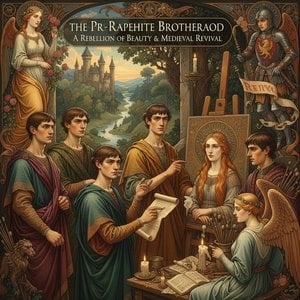
The Pre-Raphaelite Brotherhood: A Rebellion of Beauty & Medieval Revival
Explore the captivating world of the Pre-Raphaelite Brotherhood! Discover their rebellion against academic art, iconic masterpieces, and lasting influence on Victorian aesthetics. Learn about Rossetti, Burne-Jones & more.

The Nuance of Flesh: A Technical Study of Skin Tones in the Portrait Tradition
Master the technical secrets of skin tones from Rubens to Odutola. Explore the evolution of portraiture expertise now.

Джеймс Ебботт МакНейл Вістлер: 25 шедеврів імпресіонізму для вашого дому | ArtsDot
Відкрийте 25 шедеврів Джеймса Вістлера – імпресіонізм, портрети та нічні сцени. Історія мистецтва, техніки живопису та натхнення для декору вашого дому від ArtsDot. Дослідіть колекцію онлайн!