- Додому

- Репродукція картини олією
- vincent willem van gogh
- Сад в Оверсі

 Замовити друк Купити цифрове зображення
 Надіслати
 Поділитися
 Details
 Додати до улюблених

 Завантажити
 Схожі вироби
 X-Ray
X-Ray
 Слайд-шоу
Сад в Оверсі
 Олія на полотні
- Настінне мистецтво
- Пост-импресіонізм
 1890
1890- — XIX століття
 80.0 x 64.0 cm
Олійная репродукція ручної роботи
Написана вручну олією на полотні у вашому розмірі та рамі, виготовлена на замовлення нашими художниками.




P118B $10

P118H $10

P118W $10

P438Z $10

P508JH $12

P508YH $12

P805H $10

P805Z $10

P919BZ $10

P919G $10

P919XJ $10

P959ZH $10

P968JZ $12

W106C $8

W218G $10

W218JH $8

W218Y $10

W307PJ $10

W316G $10

W316PJ $8

W316Y $10

W398PJ $8

W4111J $10

W500HY $15

W500JH $15

W692G $12

W849H $8

W940BG $15

W953PJ $8




 Читати далі
Обирайте з наших стандартних розмірів, що відповідають оригінальним пропорціям твору мистецтва.

Ви можете вказати власні розміри, щоб репродукція підійшла до конкретної рами або інтер'єру. Якщо вибраний вами розмір не відповідає пропорціям оригіналу, ми або обріжемо полотно, або доповнимо картину додатковими елементами, промальованими вручну. Цифровий макет буде надіслано вам на затвердження перед початком виробництва.
Зверніть увагу, що попередній перегляд на екрані не відображає фактичне обрізання або розширення зображення. Тільки макет точно покаже остаточну композицію.
Хоча ми можемо виготовити виріб у нестандартному розмірі, для збереження оригінальних пропорцій рекомендуємо обирати варіанти зі встановленого списку.
Після оформлення замовлення команда ArtsDot.com зв'яжеться з клієнтом електронною поштою для отримання інструкцій та надасть попередній макет
Доставка по всьому світу () за 3–4 тижні замість стандартних 5 тижнів. (1 Липень). Без жодних компромісів у якості.

Безкоштовна експрес-доставка по всьому світу

Високоякісне лляне полотно

Повне страхове покриття доставки

Гарантія відшкодування митних зборів

Гарантія точного відтворення кольорів

Політика повернення протягом 60 днів (лише у разі виявлення дефектів)

Гарантія повернення 100% коштів

Знижка на багатоелементні замовлення
 Скляний варіант доступний лише для розмірів до 110 см

Сад в Оверсі
Матеріал репродукції
Розмір репродукції
-


Підсумкова ціна
-
Опис твору
Гarden у Ауверсі: Відлуння Емоцій Ван Гога
У серці Французького Провансу, в мальовничому містечку Ауерс-сур-Оіз, під час останніх місяців свого життя, виник шедевр, що назавжди змінив обличчя мистецтва – "Garden у Ауверсі" (1890) Ван Гога. Це не просто пейзаж; це відблиск душі художника, зафіксований у густих мазках та насичених кольорах. З першого погляду захоплює енергія композиції, відчутна в кожному штриху, але придивившись уважніше, виявите глибинний символізм та емоційну наповненість, що робить цю картину справжнім вікном у внутрішній світ генія.
Пост-Імпровізаційний Маніфест: Техніка та Стиль
Ван Гог, відійшовши від суворих ліній реалізму, створив "Garden у Ауверсі" в рамках стилю пост-імпресіонізму. Його манера виконання – це не просто зображення, а вираження. Він використовував густі, рельєфні мазки (техніка *імпресіо*) щоб передати не лише форму квітів та рослин, але й їхню енергію, рух, навіть відчуття світла. Зверніть увагу на те, як кожна квітка здається живою, ніби танцює під вітром. Ця технічна майстерність дозволяє по-справжньому відчути атмосферу та емоційний заряд картини.
Ауерс: Місце Спокою та Турботи
Вибір Ауерса як місця проживання для Ван Гога був не випадковим. Після важкого періоду в Сен-Полі-де-Музоль, художник шукав спокій і натхнення у сільській місцевості. Ауерс став для нього оазисом, де він знову відчував зв'язок із природою та прагнув до гармонії. Однак, навіть у цій мальовничій обстановці, в душі художника вирувала боротьба – боротьба з хворобою, самотністю та внутрішніми демонами. "Garden у Ауверсі" відображає цю складну суміш спогадів та емоцій.
Символізм Квітів: Послання Епохи
Кожен елемент "Garden у Ауверсі" несе в собі символічне значення. Яскраві квіти – червоні, жовті, фіолетові – символізують не лише красу природи, але й життя, відродження та надію. Вінчатий шлях, що простягається через сад, може розглядатися як метафора людського шляху, сповненого випробувань та радощів. А самотній візок – як символ праці та простоти, але водночас – і відчуження. Всі ці елементи сплітаються в складний мозаїку символів, що змушує глядача замислитися над сенсом життя.
Відчуйте Енергію Мистецтва
Репродукція "Garden у Ауверсі" – це не просто декоративний елемент інтер'єру. Це можливість принести в свій дім частинку геніального мистецтва, відчути енергію та емоційний заряд картини Ван Гога. Яскраві кольори, динамічні мазки, глибокий символізм – все це створює унікальну атмосферу, що надихає та змушує задуматися. Дозвольте "Garden у Ауверсі" стати частиною вашого життя та прикрасити ваш дім справжнім шедевром.
Розміри: 80 x 64 см
movement: Post-Impressionism topics: Landscape, Garden, Flowers, Impressionism, Auvers, Van Gogh, Color, Emotion creative_period: Mature Period corpus_context: Japanese woodblock prints, Impressionist color theory, Emotional expressionism, Auvers-sur-Oise period, Exploration of mental state, Late career landscape workСхожі витвори мистецтва


Біографія митця
A Life Painted in Emotion: The World of Vincent van Gogh
Vincent Willem van Gogh, a name synonymous with artistic passion and turbulent genius, remains one of the most recognizable and beloved figures in Western art history. Born on March 30, 1853, in Groot-Zundert, Netherlands, his journey was not one of immediate acclaim but rather a slow burn of dedication, struggle, and ultimately, profound influence. The eldest of six children born to a Protestant minister, Theodorus van Gogh, Vincent’s early life was steeped in religious contemplation, a sensibility that would subtly permeate much of his later work. Though he displayed an inclination towards drawing from a young age, his path wasn't immediately clear; he explored various vocations – art dealer, teacher, and missionary – before fully embracing the artist’s life. These experiences, though seemingly disparate, proved formative, instilling in him a deep empathy for the working class and a profound sense of spiritual seeking that would become hallmarks of his artistic vision. Early influences included the Dutch Masters like Rembrandt van Rijn and Frans Hals, whose masterful use of light and shadow resonated with young Vincent, as well as contemporary French painters Jean-François Millet and Camille Corot, who depicted scenes of rural life with a poignant realism.From Darkness to Light: Artistic Development and Style
Van Gogh’s serious engagement with painting began around 1880, largely self-taught, driven by an inner compulsion to express the world as he perceived it. His initial works reflected his compassion for the marginalized, focusing on the lives of peasants and laborers – exemplified in pieces like The Potato Eaters. These early paintings are characterized by dark, earthy tones and a raw, almost brutal honesty that sought to capture the hardship and dignity of rural existence. The figures in *The Potato Eaters* aren’t idealized; they're depicted with unflinching realism, their faces etched with weariness and toil. This wasn’t simply a depiction of poverty; it was an attempt to honor the dignity of those who labored under difficult circumstances. A pivotal moment arrived with his move to Paris in 1886, where he was exposed to the vibrant world of Impressionism and Post-Impressionism. This encounter proved transformative, injecting brighter colors into his palette and encouraging experimentation with new techniques. He absorbed the lessons of artists like Monet, Renoir, and Pissarro, but never fully adopted their style; instead, he forged a path uniquely his own. His distinctive style rapidly evolved, becoming instantly recognizable for its bold colors, expressive brushwork, and emotional intensity. Van Gogh didn’t merely *represent* reality; he sought to convey the feeling of being within it, utilizing impasto – thick layers of paint – to create texture and imbue his canvases with a palpable energy. This technique wasn't simply aesthetic; it was an integral part of his expressive language, allowing him to translate inner turmoil and ecstatic joy onto the canvas.Periods of Intensity: Key Works and Artistic Phases
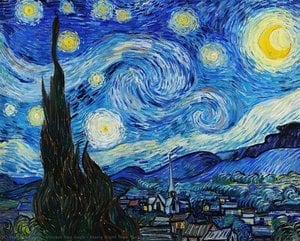
Van Gogh’s artistic journey can be broadly divided into distinct periods, each marked by unique characteristics and significant works. The Dutch Period (1880-1886), as mentioned, was defined by somber tones and depictions of peasant life. These paintings often featured muted colors and a focus on the everyday struggles of rural communities. The subsequent Parisian Period (1886-1888) saw a dramatic shift towards brighter colors and experimentation with Impressionist techniques. He began to incorporate elements of Japanese prints, which fascinated him with their bold compositions and flattened perspectives. However, it was during the Arles Period (1888-1889), in the south of France, that Van Gogh reached a peak of creative intensity. Surrounded by the radiant light and vibrant landscapes of Provence, he produced some of his most iconic works: Sunflowers, *The Night Café*, and *Starry Night Over the Rhône*. These paintings are not merely depictions of scenes; they are emotional landscapes, pulsating with life and imbued with a sense of longing. The swirling brushstrokes in *Starry Night* seem to capture the very essence of the night sky—a turbulent blend of hope and despair. His final years, spent in Saint-Rémy and Auvers-sur-Oise (1889-1890), were marked by continued artistic output despite increasing mental distress. Confined to an asylum at Saint-Rémy following a breakdown, he found solace in painting the surrounding countryside, resulting in masterpieces like The Starry Night, a swirling vortex of color and emotion that continues to captivate viewers today. Even during this period of profound suffering, his portraits – particularly those of Dr. Gachet – reveal an extraordinary sensitivity and psychological depth.A Legacy Forged in Suffering: Achievements and Historical Significance
Despite facing rejection and struggling with mental illness throughout his life, Van Gogh created over 2,100 artworks in just over a decade—approximately 860 oil paintings. This astonishing output is testament to his unwavering dedication and relentless creative drive. Remarkably, during his lifetime, only one painting – *The Red Vineyard* – was sold. Recognition came posthumously, slowly at first, then with increasing momentum in the early 20th century. His work profoundly influenced the development of modern art, particularly Expressionism and Fauvism, inspiring artists to prioritize emotional expression over realistic representation. His bold use of color, distorted forms, and expressive brushwork paved the way for new artistic possibilities. Today, Van Gogh’s paintings are among the most recognizable and valuable artworks in the world, commanding record prices at auction and drawing millions of visitors to museums worldwide. But his legacy extends far beyond monetary value; he remains a cultural icon, representing the archetype of the “tortured artist” – though this narrative often overshadows his skill, dedication, and artistic vision. The Van Gogh Museum in Amsterdam stands as a testament to his enduring influence, showcasing his work and celebrating his life for generations to come. His art continues to resonate with audiences because it speaks to universal human experiences—love, loss, hope, despair—with an honesty and vulnerability that transcends time and culture.- Major Influences: Dutch Masters (Rembrandt, Hals), Millet, Corot.
- Key Periods: Dutch, Parisian, Arles, Saint-Rémy/Auvers-sur-Oise.
- Notable Works: The Potato Eaters, Sunflowers, Starry Night, The Night Café.

vincent willem van gogh
1853 - 1890 , Нідерланди
Короткі факти
- Artistic Movement Or Style: Пост-імпресіонізм
- Artists Or Movements Influenced By This Artist:
- Експресіонізм
- Фавлізм
- Artists Who Influenced This Artist:
- Рембрандт
- Жан-Фріц Мілет
- Date Of Birth: 30 березня 1853
- Date Of Death: 29 липня 1890
- Full Name: Vincent Willem van Gogh
- Nationality: Нідерландський
- Notable Artworks:
- Соняшники
- Зорі ніч
- Нічне кафе
- Place Of Birth: Зюндерт, Нідерланди
Пов'язані статті

Топ-25 шедеврів Musée d'Orsay: Від Моне до Ван Гога | ArtsDot.com
Відкрийте для себе 25 шедеврів Musée d'Orsay: Моне, Ван Гог, Ренуар та інші імпресіоністи. Історія мистецтва, техніки живопису та натхнення для вашого інтер'єру. Купуйте репродукції картин преміум-якості на ArtsDot.com!


За межами світла та кольору: Імпресіонізм проти постімпресіонізму для вибагливого колекціонера
Поглиблене дослідження імпресіонізму та постімпресіонізму для досвідчених колекціонерів. Аналіз ключових художників, інвестиційний потенціал та поради щодо інтеграції в інтер'єр.

Топ-10 шедеврів постімпресіонізму: мистецтво, яке змінила епоху | ArtsDot.com
Відкрийте для себе 10 шедеврів постімпресіонізму від Ван Гога, Сезанна та інших геніїв! Історія мистецтва, унікальні техніки та емоційний вплив картин. Купуйте репродукції високої якості на ArtsDot.com та створіть свій неповторний інтер'єр.

Henri Le Sidaner: Evoking Atmosphere & Intimacy in Post-Impressionist Landscapes
Discover the evocative world of Henri Le Sidaner, a master of Intimist painting. Explore his tranquil landscapes & atmospheric interiors – a celebration of light and intimacy. Learn about his life, style, and lasting legacy.

John Duncan Fergusson: A Pioneer of Scottish Modernism & the Vibrant Colour of Post-Impressionist Influence
Explore the life & art of John Duncan Fergusson, a leading Scottish Colourist. Discover his vibrant Post-Impressionist paintings, influences, and legacy with expert insights from ArtsDot.