


Картина відповідає вашим виборам: , .
Опис експоната
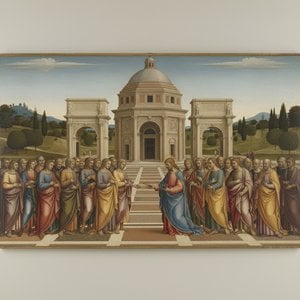
Simone Martini’s ‘Window,’ created in 1312, exemplifies the elegance of Early Gothic style. This fresco showcases vibrant colors and detailed depictions of people and animals within a stunning stained glass composition. Located at Pinacoteca Nazionale Siena, it's a captivating glimpse into medieval artistry. Discover museum-quality reproductions on ArtsDot.
 Розгорнути текст
Біографія митця
Сімоне Маттіні — майстер міжнародної готики, відомий своєю Maestà. Відкрийте для себе його витончені шедеври Сієни вже сьогодні!
Замовте ваш у чотири прості кроки
Не поспішайте. Ви можете змінити будь-яку відповідь; ціна у вашій кошику буде оновлюватися відповідно до кожного вибору.
1 Перший крок із чотирьох
Який розмір ви бажаєте обрати?
Ці розміри зберігають пропорції оригінальної картини. На малюнку показано ваш вибір на стіні над двометровим диваном.
Або вкажіть власні розміри
Обирайте з наших стандартних розмірів, що відповідають оригінальним пропорціям твору мистецтва.

Введіть необхідну ширину та висоту, щоб картина підійшла до вашої рами або стіни. Оскільки це ручний розпис, для зміни пропорцій художник може дописати трохи більше по краях або дещо обрізати композицію — вибір за вами. Перед початком роботи ми надішлемо вам цифровий макет для затвердження. Зображення, показане на цій сторінці, не є реальним результатом — лише макет відображає майбутній вигляд.
2 Другий крок із чотирьох
Як його підготувати: у рулоні, на підрамнику чи в рамі?
Наведені нижче ціни вказані для розміру, обраного вами на першому кроці.
Оберіть тип країв натяжного полотна
Оберіть свою раму

Білий край ₴1

Розмитий край ₴1

З розширенням ₴1

P118B ₴10

P118H ₴10

P118W ₴10

P438Z ₴10

P508JH ₴12

P508YH ₴12

P805H ₴10

P805Z ₴10

P919BZ ₴10

P919G ₴10

P919XJ ₴10

P959ZH ₴10

P968JZ ₴12

W106C ₴8

W218G ₴10

W218JH ₴8

W218Y ₴10

W307PJ ₴10

W316G ₴10

W316PJ ₴8

W316Y ₴10

W398PJ ₴8

W4111J ₴10

W500HY ₴15

W500JH ₴15

W692G ₴12

W849H ₴8

W940BG ₴15

W953PJ ₴8

H24-GOLD ₴30

H24-SILVER ₴30

H36-GOLD ₴45

H36-SILVER ₴45
У рамі
Багет: . Загальний розмір із рамою: .
3 Третій крок із чотирьох
Бажаєте внести якісь зміни в картину?
Більшість людей відповідають «ні». Оскільки кожна картина створена вручну, наш художник також може адаптувати її для вас.
Після оформлення замовлення команда ArtsDot.com надішле клієнту електронний лист із запитом інструкцій та надасть попередній макет для перегляду
4 Четвертий крок із чотирьох
Кілька варіантів фінішного покриття
Усі вони є необов'язковими. Вибір уже вибраних варіантів не потребує додаткової оплати.
Хто автор?
Доставка по всьому світу () за 3–4 тижні замість стандартних 5 тижнів. (19 Листопад). Без жодних компромісів у якості.
Табличка, як у музеї?
Деталі гравірування на бронзовій табличці
This elegant plaque features the artist's name and the title of the artwork, finely engraved for a timeless presentation.
It is made from bronze with a refined, elegant finish. The text is precisely laser-engraved for a sharp and permanent result. Measuring 9x2 cm, the plaque is compact yet easy to read. It's built to be durable and scratch-resistant, offering a professional, museum-quality look. Mounting is simple thanks to the included adhesive backing.
Деталі прозорої акрилової таблички
The plaque includes essential engraved details such as the artist's name, the title of the artwork, the date it was created, the type of media used-like oil on canvas or watercolor-a brief description of the piece, and a QR code that links to the complete artwork information.
It is crafted from clear acrylic, offering a sleek, modern appearance. The text is UV-engraved in black to ensure strong visual contrast. With a size of 10x15 cm, it ensures optimal readability. It comes equipped with two metal hooks for secure wall mounting. The plaque is designed to be weather-resistant, making it suitable for various environments, and it includes interactive features that work seamlessly with smartphone scanning.
Деталі чорної акрилової таблички
This elegant plaque includes engraved information such as the artist's name, the title of the artwork, the date it was created, the type of media used (like oil on canvas or watercolor), a short description of the artwork, and a QR code for quick access to more information.
The plaque itself is made from refined black acrylic with a premium finish. The text is laser-engraved in white for high contrast and readability. Its size is 10x15 cm, designed to be easy to read. It comes with two metal hooks for professional mounting. The design is sleek and fits any interior style. It is also weather-resistant and durable, with built-in digital integration for mobile compatibility.
Захисний лак?
Коли вам це потрібно?
✓ Перевірити та замовити
Ваша картина, згідно із вашим замовленням

Window
Матеріал репродукції
Розмір репродукції
-

Видатний майстер-художник
Більше деталізації, витонченості та додаткового часу на створення твору
-

Рама для репродукції
-
-
Для творів мистецтва або репродукцій, розмір яких перевищує 105 см (приблизно 41 дюйм) з будь-якого боку, рама доставляється у вигляді розібраного комплекту. Такий метод гарантує безпечну доставку та запобігає пошкодженням під час транспортування.
Потребує професійного збирання — це не продукт для самостійного виготовлення (DIY).
Комплект має бути зібраний, а полотно натягнуте досвідченим майстром багетних робіт із використанням клейового дерева (не входить у комплект), щипців для натягування полотна та затискачів, щоб підрамник залишався рівним під час висихання клею. Неправильне збирання або нерівномірне натягування полотна може призвести до незворотного пошкодження твору мистецтва, що не підпадає під дію нашої гарантії.
 Для творів мистецтва або репродукцій, розмір яких перевищує 105 см (приблизно 41 дюйм) з будь-якого боку, рама доставляється у вигляді розібраного комплекту. Такий метод гарантує безпечну доставку та запобігає пошкодженням під час транспортування.
У комплект входять усі бруски з цільного дерева, точно вирізані за розміром.
Збирається за допомогою гвинтів, що входять до комплекту, а також клейового розчину для кутових з'єднань, який не входить до комплекту і має бути підготовлений вашим майстром.
Потрібні професійні інструменти, які не входять до комплекту: щипці для натягування полотна (натягувач) та затискачі, щоб утримувати рейки рівно під час висихання клею.
Важливо:
Для з'єднання кутів потрібен клей для дерева, перекладини необхідно затиснути струбцинами до повного висихання клею, а для натягування полотна на зібрану раму знадобляться щипці для натягування полотна. Жоден із цих інструментів не входить до комплекту. Будь ласка, проконсультуйтеся з досвідченим майстром багетного оформлення перед замовленням рами такого розміру.

Етикетка експоната
-
-

Захисний лак
Глянцевий лак (підсилює яскравість кольорів, захищає від світла та вологи)
-

Персоналізувати мій витвір
Приклади можливих змін: заміна обличчя на фото клієнта; додавання домашньої тварини (наприклад, заміна кота на собаку); додавання прихованого повідомлення на фоні; зміна пейзажу або елементів фону.
-

Прискорено
Доставка по всьому світу () за 3–4 тижні замість стандартних 5 тижнів. (19 Листопад). Без компромісів у якості.
-
Експрес-доставка
Доставка по всьому світу () протягом 5 тижнів. (26 Листопад).
Включено в ціну
Підсумкова вартість
₴ 11844
Скляний варіант доступний лише для розмірів до 110 см
До кожного замовлення додається
- Безкоштовна експрес-доставка по всьому світу
- Високоякісне лляне полотно
- Повне страхове покриття доставки
- Гарантія повернення митних зборів
- Гарантія точного відтворення кольорів
- Політика повернення протягом 100 днів (лише у разі виявлення дефектів)
- Гарантія повернення 100% коштів
- Пропозиція на оптові замовлення


Simone Martini’s Window: A Fragment of Siena’s Gothic Soul
The painting “Window” by Simone Martini—a masterpiece executed in 1312—isn't merely an image; it’s a portal into the artistic fervor and spiritual contemplation of Siena during its zenith as a medieval principality. More than just depicting a simple architectural element, Martini transforms this commonplace feature into a vehicle for profound symbolism and masterful execution, embodying the very essence of International Gothic style. Its unassuming appearance belies the intricate artistry that defines it.- Subject Matter: The composition centers around a stained glass window—a motif prevalent in Sienese churches at the time—illuminated by diffused light. Within its frame are meticulously rendered figures, including human forms and avian creatures – doves symbolizing peace and divine grace – creating a harmonious blend of earthly and celestial realms.
- Style: Martini’s work exemplifies International Gothic style, characterized by delicate lines, luminous colors, and an emphasis on elegance and refinement. Unlike the harsher realism championed by Giotto di Bondone, Martini prioritizes beauty and expressive detail, prioritizing visual impact over strict anatomical accuracy. This stylistic choice reflects Siena's cultural aspirations during a period marked by papal patronage and artistic innovation.
- Technique: Martini employed tempera paint on panel—a technique favored for its vibrancy and durability—allowing him to achieve astonishing levels of color saturation and textural nuance. The artist’s meticulous layering of glaze, combined with painstaking attention to detail in rendering drapery folds and facial expressions, speaks volumes about his dedication to craftmanship.
Historical Context: Siena Under Papal Influence
Siena flourished as a center of papal diplomacy and artistic production during the early 14th century. The papacy actively encouraged artistic endeavors, fostering a competitive environment where artists like Martini sought to elevate their reputations through ambitious commissions—particularly those honoring religious saints. This patronage fueled stylistic experimentation and ensured that Siena’s art would resonate across Europe. Martini's "Window" stands as testament to this era of cultural dynamism and papal ambition.Symbolism: Light, Faith, and Divine Harmony
The window itself serves as a potent symbol—representing divine illumination and the gateway to spiritual understanding. The doves adorning the composition reinforce this theme, symbolizing purity, peace, and the Holy Spirit’s presence. Martini skillfully integrates these visual cues into a carefully balanced composition that reflects Siena's devout Catholic faith. The artist’s deliberate use of color—particularly blues and golds—further enhances the painting’s spiritual aura, conveying grandeur and transcendence.Emotional Impact: A Moment Frozen in Time
“Window” transcends mere representation; it evokes a feeling of serene contemplation and wonder. Martini's masterful rendering captures not only the visual beauty of the stained glass but also its emotional resonance—a reflection of Siena’s artistic spirit and its unwavering belief in divine grace. Viewing this artwork is akin to stepping back into a moment frozen in time, allowing oneself to be transported by the artistry and symbolism of a bygone era. It remains an enduring emblem of Gothic elegance and a captivating glimpse into the soul of medieval Siena.Питання та відповіді
Коли та з яких матеріалів було створено «Window»?
Техніка виконання «Window» роботи Сімоне Мартіні — Acrylic On Canvas, а дата створення твору — 1312.
Як побудована колірна композиція «Window» роботи Сімоне Мартіні?
Колірний аналіз «Window» роботи Сімоне Мартіні підкреслює Gentle контраст та Softly Mixed Palette гармонію.
Яку кольорову гармонію демонструє «Window» роботи Сімоне Мартіні?
Колірна гармонія твору "Window" визначена як Softly Mixed Palette.
Більше про цю картину
 Переглянути в інтер'єрі
 Перейти до друку
 Надіслати як листівку
 Поділитися
 Деталі витвору
 Посібник

 Завантажити
 Схожі екземпляри
 Рентгенівське дослідження
 Слайд-шоу
 Питання та відповіді
 Статистика
Схожі твори мистецтва


Сімоне Мартіні
1284 - 1344, Італія
Біографія митця
Життя та особистість Сімоне Маттіні
Народившись у Сієні, Італія, приблизно у 1284 році, Сімоне Маттіні прожив життя, що дзеркально відображало мінливі течії його епохи. Відомий також як Сімоне ді Мартіно, він був центральною постаттю у розвитку раннього італійського живопису. Його вплив у світі мистецтва відчувався від самого серця Тоскани до папських дворів Франції, що свідчить про людину, чий масштаб особистості виходив далеко за межі місця його народження. Він був художником, який розумів мову свого часу, впевнено проходячи крізь релігійні та цивільні центри Європи з непохитною та цілеспрямованою майстерністю.
Його ідентичність була глибоко пов'язана з містом Сієна — місцем бурхливої торгівлі та глибокої релігійної відданості. Саме це середовище допомогло сформуватися особистості, здатної поєднувати сакральні вимоги церкви з витонченими смаками королівського двору. Він не був самотнім творцем, що працював у відриві від світу; його життя було вплетене в соціальну та інтелектуальну тканину XIV століття. Його зв'язки сягали навіть знаменитого поета Петрарки, що натякає на життя, проведене в оточенні мислителів та лідерів тієї епохи.
Масштаб його життя можна осягнути через різні міста, де він залишив свій слід, зокрема:
- Сієна, Італія
- Неаполь, Італія
- Орвієто, Італія
- Ассизі, Італія
- Авіньйон, Франція
Ранні роки, родина та навчання
Народившись у Сієні, Італія, приблизно у 1284 році, Сімоне Маттіні ріс у місті, де мистецтво було мовою як віри, так і громадянської гордості. Хоча точні деталі його дитинства дещо розмиті часом, здається, що його шлях у світ живопису був спрямований руками майстрів. Ймовірно, він був учнем Дуччо ді Буонінсени, провідного художника Сієни, чий вплив допоміг сформувати первинне сприття юнака, який згодом переосмислить сиєнський стиль.
Сімейні зв'язки відіграли значну роль у його житті та професійному колі. Він був братом Донато, а його соціальні та мистецькі зв'язки зміцнилися завдяки шлюбу. У 1324 році він одружився з Джованною, донькою Меммо ді Філіппуччо. Цей союз ввів його до тісного кола творців, оскільки його зять був художником Ліппо Меммі. Ці стосунки, ймовірно, давали не лише компаньйонство; вони пропонували спільну мову техніки та дух співпраці, що характеризував значну частину мистецької діяльності в Сієні в ту епоху.
Художня діяльність у Сієні та Тоскані
До 1315 року Сімоне Маттіні вже залишав свій неповторний слід у цивільному житті Сієни. Саме того року він створив фреску Maestà для Palazzo Pubblico, резиденції міського уряду. Ця робота вивела його в саме серце сієнського суспільного життя, дозволивши творити в залах, де збиралися провідні діячі міста. Його вплив у регіоні невпинно зростав, поки він пересувався між містом та його околицями, здобуваючи славу, що невдовзі вивела його далеко за межі стін Сієни.
Протягом наступного десятиліття його руки були зайняті численними замовленнями. У 1319 році він завершив Полиптих Святої Катерини Александрійської у Пізі. З розвитком кар'єри сфера його діяльності розширювалася на інші тосканські міста, зокрема на Орвієто, де він був дуже активним у 1320 році. Ці роки стали періодом постійного руху та невтомної творчості, оскільки він майстерно пристосовувався до потреб різних релігійних та цивільних покровителів по всьому регіону.
Твори, створені ним у цей час, свідчили про глибоке розуміння специфічних вимог його замовників. Близько 1324 року він отримав замовлення на написання Вівтаря Блаженного Августина Новелло. Цей етап його життя визначався стабільним ритмом подорожей та натхнення, коли він мандрував пагорбами та долинами Тоскани, залишаючи за собою шлях із живописних полотен, що стали свідченням його безсмертної присутності в цьому краї.
Меценати, майстерня та замовлення
Творчий шлях Сімоне Маттіні формувався під впливом мінливих центрів влади в Італії та Франції. У свої ранні роки він тісно співпрацював з урядом Девяти в Сієні, прикрашаючи зали Палаццо Публіко. Цей зв'язок із цивільною владою заклав міцний фундамент для його зростаючої слави. Згодом його талант залучив його до королівських дворів — зокрема, у 1317 році він отримав замовлення від дому Анжу в Неаполі. Такі ранні ролі дозволили йому вільно пересуватися між релігійним та політичним світами, знаходячи роботу, що вимагала водночас і духовної глибини, і витонченої придворної грації.
Його репутація майстра елегантності зрештою вивела його на найвищі рівні європейського патронажу. У 1336 році він прийняв надзвичайно важливе замовлення від Папи Бенедикта XII. Це призначення привело його до Авіньйона, де перед ним постало завдання створити фрески для Папського палацу. Живучи в самому серці папського двору, він перебував у інтелектуальному колі, до якого входив навіть поет Петрарка. Цей період його життя став переломним моментом — переходом від місцевих традицій Тоскани до вишуканих, міжнародних смаків французького двору.
- Святий Людовик Тулузський вінчає свого брата Роберта Анжуйського, 1317
- Маеста, 1315
Художній стиль та техніка
Сімоне Маттіні творив з надзвичайною делікатною чутливістю, віддаючи перевагу витонченій грації замість важких, монументальних форм, притаманних флорентійській школі. Він був справжнім архітектором елегантності, зосереджуючи увагу на тому, як лінія може плавно протікати крізь простір поверхні, створюючи відчуття живого руху. Його композиції часто вирізнялися витягнутими фігурами та м'якими декоративними деталями, що надавали його роботам придворної вишуканості. Ця естетика була сформована під впливом французьких тенденцій, що проникали через Віа Франчіджена, зокрема завдяки складним візерункам книжних ілюмінацій та витонченим текстурам різьблення по слоновій кістці. Він не просто запозичував ці іноземні стилі; він синтезував їх із традиціями Сієни, створивши візуальну мову, яка водночас здавалася і надзвичайно витонченою, і глибоко духовною.
Щоб досягти сяючої якості своїх кольорів, Маттіні покладався на техніку темпери. Він використовував яєчний жовток як сполучну речовину для пігментів — цей метод дозволяв виконувати надзвичайно точні, тонкі мазки та забезпечував тривалу чіткість кольору. Така технічна точність була необхідною для створення складного орнаменту, який він так любив. У своїх картинах він використовував гру світла та кольору для передачі емоцій через ледь помітні зміни в постатях та жестах, а не через драматичне масштабування. Його здатність балансувати між декоративними елементами та наративною чіткістю дозволяла йому зображувати складні релігійні сцени з тихою, поетичною інтенсивністю.
- Благовіщення зі Св. Маргаритою та Св. Ансанусом, 1333
- Святий Людовик Тулузський вінчає свого брата Роберта Анжуйського, 1317
- Маєста, 1315
Ключові твори та шедеври
Руки Сімоне Маттіні не знали спокою під час його подорожей, залишаючи по собі твори, що втілювали мінливі потреби його покровителів. У 1317 році він працював над Вівтарем Святого Луїса Тулузського — полотном, на якому святий постає поруч зі своїм братом, Робертом Анжуйським. Ця робота, що нині зберігається в Музеї Каподімонте в Неаполі, захоплює мить глибокого сімейного та духовного єднання. Його майстерність у розкритті складних наративів була очевидною вже у 1319 році, коли він створив Поліптих Святої Катерини Александійської.
Зі зростанням слави змінювався і масштаб, і інтимність його сюжетів. У 1333 році він написав Благовіщення зі Святою Маргаритою та Святим Ансанусом — твір, який сьогодні прикрашає стіни Галереї Уффіці у Флоренції. Це полотно демонструє його рідкісний дар поєднувати релігійну відданість із відчуттям придворної витонченості. Навіть у поважному віці його пензель залишався впевненим: у 1342 році він завершив картину Христос у Храмі, яку сьогодні можна побачити в Галереї Уокера в Ліверпулі.
- Святий Луїс Тулузський, що вінчає свого брата Роберта Анжуйського, 1317
- Поліптих Святої Катерини Александійської, 1319
- Благовіщення зі Святою Маргаритою та Святим Ансанусом, 1333
- Христос у Храмі, 1342
Пізні роки та смерть
Пізні роки життя Маттіні були позначені значними змінами в географії та соціальному оточенні. Приблизно у 1334 або 1335 році він перемістився зі знайомих ландшафтів Тоскани до Авіньйона, що у Франції. Цей перехід переніс його до самого центру європейської влади, де він тісно співпрацював з Папським двором. Перебування в Авіньйоні дозволило йому увійти у високоінтелектуальні кола, завдавши дружби з поетом-гуманістом Петраркою. Цей зв'язок між візуальним мистецтвом та зароджуваним гуманізмом тієї епохи став визначальною рисою його перебування у Франції.
Перебуваючи в Авіньйоні, його творчість продовжувала відображати витончені смаки його покровителів. Деякі джерела припускають, що він навіть написав портрет Лаури де Новес — жінки, яка була музою Петрарки протягом усього його життя, хоча цей конкретний твір було втрачено історією. Час, проведений при французькому дворі, став періодом діяльності найвищого рівня, що був набагато віддаленішим від провінційного життя часів його раннього навчання. Він залишався активним у цьому космополітичному середовищі до своєї смерті у липні 1344 року. Він пішов із життя в Авіньйоні, залишивши по собі спадщину творчості, яка вже почала наводити мости між різними європейськими традиціями.
Спадщина та незгасне вплив
Сімоне Маттіні став тією важливою сполучною ланкою, що допомогла подолати розрив між середньовіччям та епохою Відродження. Його поява у мистецькому світі ознаменувала переломний момент — перехід до нового світосприйняття, що відмовлялося від важких, монументальних форм минулого на користь витонченості. Переносячи сієнську естетику за гори, він допоміг італійському живопису проникнути на французькі землі, дозволивши своєму унікальному стилю пустити коріння в нових країнах. Цей рух сприяв поширенню стилю міжнародної готики по всій Європі, визначально вплинувши на те, як художники всього континенту працювали з лінією та декоративним оздобленням.
Масштаб його творчості виходить далеко за межі його власного життя. Покоління митців ішли шляхами, які він проклав, переймаючи ту грацію та вишукану деталізацію, що стали візитівкою його майстерності. Здатність поєднувати глибоку духовність із певною придворною елегантністю залишила незабутній слід у розвитку європейського живопису. Навіть коли стилі змінювалися, його підхід до використання кольору та силуету залишався орієнтиром для тих, хто прийшов після нього.
- Святий Людовик Тулузський вінчає свого брата Роберта Анжуйського, 1317
- Благовіщення зі Святою Маргаритою та Святим Ансанусом, 1333
- Христос у храмі, 1342
Де сьогодні можна побачити його шедеври
Щоб відчути живу присутність мистецтва Сімоне Маттіні, необхідно вирушити у подорож крізь ландшафти Італії та далеко за її межі. У Сієні, у палаці Палаццо Публіко, зберігається фреска Maestà — витвір, що займає своє почесне місце з 1315 року. Споглядання цієї роботи в самому серці міського уряду дарує відчуття масштабу та тієї громадянської важливості, яку колись мали його картини. У Неаполі Museo di Capodimonte береже Вівтар святого Людовика Тулузського — твір, що втілює неймовірну здатність художника розкривати складні релігійні сюжети через гармонію кольору та форми.
Творчий вплив Сімоне Маттіні простягався далеко за межі Тоскани. У Флоренції, у галереї Уфцізі, зберігається Благовіщення зі святою Маргаритою та святим Ансанусом, створене у 1333 році. Ця робота дозволяє побачити ті витончені, текучі лінії, що визначали його стиль у роки найвищого творчого розквіту. Тим, хто подорожує до Сполученого Королівства, варто відвідати художню галерею Вокера в Ліверпулі, де експонується Христос, знайдений у храмі — твір 1342 року, що демонструє майстерність художника навіть у його пізні роки.
Спадщина Сімоне Маттіні розсіяна по всьому світу, пропонуючи дослідникам можливість торкнутися історії через різні шедеври:
- 1308: Мадонна з дитиною — Pinacoteca Nazionale, Сієна
- 1317: Святий Людовик Французький та Святий Людовик Тулузський — Museo di Capodimonte, Неаполь
- 1321: Орвєтський поліптих — Museo dell'Opera del Duomo, Орвєто
- 1326: Святий Андрій — Metropolitan Museum of Art, Нью-Йорк
- 1330: Святий Іоанн Богослов — Barber Institute of Fine Arts, Бірмінгем


Пов'язані статті
Pietro Perugino: Umbrian Master of Serenity & Precursor to Raphael's High Renaissance
Explore the life & art of Pietro Perugino, a pivotal Renaissance master and Raphael’s influential teacher. Discover his serene compositions, Sistine Chapel frescoes, and lasting legacy with ArtsDot.

Illuminating Belief: Faith & Symbolism Across Art History's Canvas
Explore the rich history of faith through art! Discover religious symbolism, Renaissance masterpieces & iconic artists. Expert analysis for collectors & enthusiasts. Learn more at ArtsDot.

Емоційна Трансмутація у Візуальному Мистецтві: Дослідження Афективної Репрезентації через Колір, Форму та Текстуру
Дослідіть силу емоційної трансмутації у візуальному мистецтві! Аналіз кольору, форми та текстури для глибокого розуміння афективної репрезентації. Експертні статті для колекціонерів та поціновувачів.