


 Переглянути в інтер'єрі
 Надіслати
 Поділитися
 Деталі

 Завантажити
 Схожі експонати
 Рентгенівське дослідження
 Слайд-шоу
Adoration of the Shepherds
 Олія на полотні
- Настінне мистецтво
- Baroque
 1635
1635- — Ранній модерн
 170.0 x 209.0 cm
 Лувр
Лувр
 Читати далі
Олійная репродукція ручної роботи
Написана вручну олією на полотні у вашому розмірі та рамі, виготовлена на замовлення нашими художниками. ( Перейти до друку Перейти до зображення)




P118B $10

P118H $10

P118W $10

P438Z $10

P508JH $12

P508YH $12

P805H $10

P805Z $10

P919BZ $10

P919G $10

P919XJ $10

P959ZH $10

P968JZ $12

W106C $8

W218G $10

W218JH $8

W218Y $10

W307PJ $10

W316G $10

W316PJ $8

W316Y $10

W398PJ $8

W4111J $10

W500HY $15

W500JH $15

W692G $12

W849H $8

W940BG $15

W953PJ $8




Обирайте з наших стандартних розмірів, що відповідають оригінальним пропорціям твору мистецтва.

Ви можете вказати власні розміри, щоб репродукція ідеально підійшла до конкретної рами або інтер'єру. Якщо вибраний вами розмір не відповідає пропорціям оригіналу, ми або обріжемо полотно, або доповнимо картину додатковими елементами, промальованими вручну. Цифровий макет буде надіслано вам на затвердження перед початком виробництва.
Зверніть увагу, що попередній перегляд на екрані не відображає фактичне обрізання або розширення зображення. Тільки макет точно покаже остаточну композицію.
Хоча ми можемо виготовити виріб у нестандартному розмірі, для збереження оригінальних пропорцій рекомендуємо обирати варіанти зі встановленого списку.
Після оформлення замовлення команда ArtsDot.com зв'яжеться з клієнтом електронною поштою для отримання інструкцій та надасть попередній макет
Доставка по всьому світу () за 3–4 тижні замість стандартних 5 тижнів. (9 Серпень). Без жодних компромісів у якості.

Безкоштовна експрес-доставка по всьому світу

Високоякісне лляне полотно

Повне страхове покриття доставки

Гарантія відшкодування митних зборів

Гарантія точного відтворення кольорів

Політика повернення протягом 60 днів (лише у разі виявлення дефектів)

Гарантія повернення 100% коштів

Знижка на оптові замовлення
 Скляний варіант доступний лише для розмірів до 110 см

Adoration of the Shepherds
Техніка репродукції
Розмір репродукції
-


Загальна вартість
$ 263
Опис твору
A Divine Glow in Baroque Drama
To stand before Theodoor van Loon's Adoration of the Shepherds is to step directly into the dramatic heart of the seventeenth century. This oil on canvas, dating from 1635, is not merely a depiction of a sacred event; it is an immersive experience in devotion rendered through masterful paint handling. Van Loon captures that breathtaking moment when the divine intersects with the profoundly human. The composition immediately draws the eye to the central cradle, illuminating the infant figure as if by celestial spotlight. Surrounding this core mystery are figures—shepherds and onlookers—whose expressions range from hushed awe to palpable reverence. One can almost hear the quiet murmurs of wonder echoing across the darkened landscape.
Mastery of Light: The Caravaggesque Touch
What elevates this work beyond simple religious narrative is Van Loon's breathtaking command of light and shadow, a technique deeply rooted in the Baroque spirit. His adherence to chiaroscuro is nothing short of spectacular. Notice how the background dissolves into a dramatic, cloud-filled darkness, serving only to intensify the brilliance focused upon the holy family. This intense contrast, reminiscent of Caravaggio's revolutionary realism, gives the scene an almost tangible volume and depth. The light itself feels directional, purposeful—it seems to emanate from the divine presence, carving out forms and highlighting textures in the rich drapery of the figures’ clothing. It is a technical brilliance that speaks volumes about the artist's rigorous study of naturalism.
Symbolism Woven into the Canvas
The Adoration of the Shepherds is steeped in layers of religious iconography, making it a feast for the knowledgeable eye. The gathering itself symbolizes the universal acknowledgment of Christ’s arrival—the shepherds representing the humble and the common man encountering the sublime. Observe the woman kneeling in the foreground; her posture, perhaps accompanied by a book or scroll, suggests the recitation of scripture or prophecy, grounding the miracle within established tradition. Every gesture, every fold of cloth, carries symbolic weight, inviting the contemporary viewer to contemplate their own place within this grand narrative of faith and wonder.
A Timeless Echo for Modern Spaces
For those who seek art that possesses both historical gravitas and immediate emotional resonance, this piece is unparalleled. The dramatic tension inherent in Van Loon's handling of light makes it a breathtaking focal point for any grand hall or richly decorated interior. Owning a reproduction allows one to bring the profound drama of 17th-century Flemish Baroque into your modern life. It offers collectors and designers an opportunity to surround themselves with art that demands contemplation, whispering tales of devotion across centuries.
Схожі твори мистецтва


Біографія митця
The Shadow and the Light: The Legacy of Theodoor van Loon
In the grand, sweeping narrative of the Flemish Baroque, where the opulent brushstrokes of Peter Paul Rubens often command the spotlight, there exists a more intimate, profound voice that speaks through the interplay of deep shadow and piercing light. This is the voice of Theodoor van Loon, an artist whose work serves as a bridge between the revolutionary naturalism of Italy and the spiritual devotion of the Habsburg Netherlands. Born in Eilersen, Germany, around 1581, Van Loon’s life was defined by a profound artistic pilgrimage that would forever alter his aesthetic sensibilities. His journey was not merely one of geographical movement, but an emotional and technical evolution shaped by the dramatic currents of the seventeenth century.
The soul of Van Loon’s artistry lies in his deep-seated connection to the Caravaggisti movement. During his formative expeditions to Italy between 1602 and 1608, and later during a second sojourn from 1628 to 1629, he breathed in the atmosphere of Rome, absorbing the radical innovations of Caravaggio. This exposure instilled in him a mastery of tenebrism—the technique of using extreme contrasts between light and dark to create a sense of volume and psychological depth. Unlike the more decorative or idealized styles prevalent in his homeland, Van Loon sought a grounded, almost tactile reality. He approached his subjects with a meticulous morphological exactness, rendering human figures with a sculptural weight that made the divine feel tangibly present within the earthly realm.
A Devotion to Form and Faith
Van Loon’s technical prowess was never an end in itself; rather, it was a vessel for profound religious expression. His compositions were designed to evoke a visceral response from the viewer, pulling them into the sacred narratives of the Bible through a lens of stark naturalism. While his contemporaries might have reached for the celestial and the ethereal, Van Loon found the divine in the grit and gravity of the human condition. This approach is most evident in his significant ecclesiastical commissions throughout Flanders, where his ability to manipulate light served to illuminate the spiritual weight of his subjects.
One of his most enduring achievements remains the monumental altarpiece created for the Basilica of Our Lady of Scherpenheuvel between 1623 and 1628. In this work, one can witness the full maturation of his style: the dramatic interplay of light that carves figures out of the darkness, and a refined execution that honors both the physical form and the spiritual essence of the scene. His ability to secure such prestigious commissions was further bolstered by his collaborations with notable figures like Wenzel Coebergher, working under the patronage of Archduke Albert VII and Isabella Clara Eugenia of Spain. These high-profile connections placed him at the very heart of the artistic and political life of the Southern Netherlands.
Historical Significance and Artistic Resonance
Though history has occasionally relegated Van Loon to the periphery of the great Baroque masters, his significance remains undeniable for those who study the nuances of seventeenth-century naturalism. He represents a vital link in the transmission of Italian stylistic revolutions into the Flemish tradition, offering an alternative to the more flamboyant Baroque styles with a vision that was both disciplined and emotionally charged. His work stands as a testament to a period of intense religious fervor and artistic experimentation.
To study the works of Theodoor van Loon is to witness a master at work with the very elements of sight and darkness. His legacy is found in:
- The mastery of Tenebrism: Utilizing light as a narrative tool to direct the viewer's eye and heighten emotional tension.
- Naturalistic Precision: A commitment to rendering the human form with anatomical accuracy and sculptural presence.
- Ecclesiastical Impact: Contributing to the visual landscape of Flemish devotion through monumental altarpieces and sacred art.
- Cultural Synthesis: Blending the dramatic intensity of the Italian Baroque with the refined sensibilities of the Flemish tradition.

Theodoor van Loon
1581 - 1667 , Germany
Досьє митця
- Artistic Movement Or Style: Baroque
- Artists Or Movements Influenced By This Artist: ['Rubens']
- Artists Who Influenced This Artist: ['Caravaggio']
- Date Of Birth: 1581 or 1582
- Date Of Death: February 1649
- Full Name: Theodoor van Loon
- Nationality: Flemish
- Notable Artworks:
- Adoration of Shepherds
- The Magi painting
- Place Of Birth: Eilersen, Germany
Схожі статті
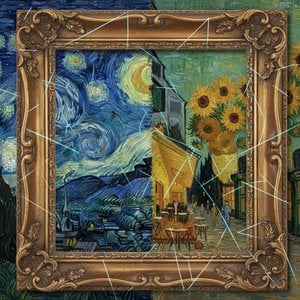
25 шедеврів Вінсента ван Гога: мистецтво, що торкає душу | ArtsDot
Відкрийте 25 найвідоміших шедеврів Вінсента ван Гога! Дізнайтесь історії створення культових картин, техніки та емоційний вплив імпресіонізму. Репродукції картин Ван Гога для вашого дому – на ArtsDot.com.

Рембрандт ван Рейн: Топ-25 шедеврів для вашого дому | ArtsDot
Пориньте у світ Рембрандта ван Рейна! 25 культових шедеврів бароко, портретів та біблійних сцен. Купіть високоякісні репродукції картин Рембрандта для вашого дому на ArtsDot.com – музейне мистецтво онлайн!

Giclée Prints: Archival Quality & Aesthetic Nuances for the Discerning Collector
Explore the world of giclée prints with ArtsDot. Learn about archival quality, aesthetic nuances & investment potential. Expert guidance for discerning art collectors seeking museum-quality reproductions and lasting value.

Топ-10 шедеврів голландського бароко: мистецтво для вашого дому від ArtsDot
Пориньте у світ голландського бароко! Від Рембрандта до Вермеєра – 10 шедеврів, що змінили мистецтво. Дізнайтеся історії створення та техніки живопису. Репродукції картин високої якості для вашого дому на ArtsDot.com

The Enduring Legacy of Fine Art Prints: Technique, History & Aesthetic Impact
Explore the rich history & techniques of fine art prints. Discover investment potential, assess authenticity, and learn how to preserve your collection with expert guidance. Trusted insights for discerning collectors.

