

 Переглянути в інтер'єрі
 Надіслати як листівку
 Поділитися
 Детальніше

 Завантажити
 Схожі експонати
 Рентгенівське дослідження
 Слайд-шоу
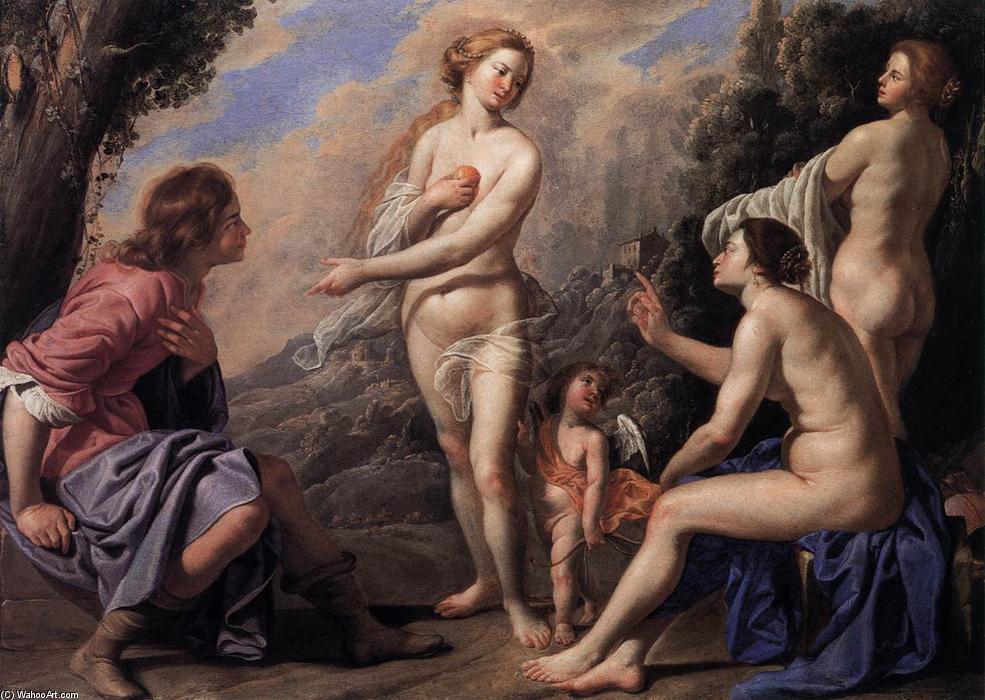
The Judgment of Paris
 1645
1645 29.0 x 40.0 cm
 Academy of Fine Arts Vienna
 Читати далі
Олійная репродукція ручної роботи
Написана вручну олією на полотні у вашому розмірі та рамі, виготовлена на замовлення нашими художниками. ( Замовити принт Купити цифрове зображення)




































Обирайте з наших стандартних розмірів, що відповідають оригінальним пропорціям твору мистецтва.

Ви можете вказати власні розміри, щоб репродукція ідеально підійшла до конкретної рами або інтер'єру. Якщо вибраний вами розмір не відповідає пропорціям оригіналу, ми або обріжемо полотно, або доповнимо картину додатковими елементами, промальованими вручну. Цифровий макет буде надіслано вам на затвердження перед початком виробництва.
Зверніть увагу, що попередній перегляд на екрані не відображає фактичне обрізання або розширення зображення. Тільки макет точно покаже остаточну композицію.
Хоча ми можемо виготовити виріб у нестандартному розмірі, для збереження оригінальних пропорцій рекомендуємо обирати варіанти зі встановленого списку.
Після оформлення замовлення команда ArtsDot.com зв'яжеться з клієнтом електронною поштою для отримання інструкцій та надасть попередній макет
Доставка по всьому світу () за 3–4 тижні замість стандартних 5 тижнів. (18 Серпень). Без жодних компромісів у якості.

Безкоштовна експрес-доставка по всьому світу

Високоякісне лляне полотно

Повне страхове покриття доставки

Гарантія відшкодування митних зборів

Гарантія точного відтворення кольорів

Політика повернення протягом 60 днів (лише у разі виявлення дефектів)

Гарантія повернення 100% коштів

Пропозиція на оптові замовлення
 Скляний варіант доступний лише для розмірів до 110 см

The Judgment of Paris
Матеріал репродукції
Розмір репродукції
-


Підсумкова вартість
$ 263
Опис твору
The Story Behind the Painting
The scene captures a moment from Greek mythology where the goddesses Hera, Athena, and Aphrodite are presented to Paris for him to choose which one is the most beautiful. The painting is rich in detail and color, with each figure adorned in classical attire that reflects their divine status.The composition of the painting is characteristic of the Baroque style, with a focus on dramatic lighting and intense emotions. The use of oil on copper gives the painting a unique texture and depth.
Other Versions of the Painting
There are several other versions of The Judgment of Paris painted by different artists, including Peter Paul Rubens and Marcantonio Raimondi. Each version offers a unique interpretation of the mythological story. You can find more information about these paintings on ArtsDot.com and Wikipedia.Key Features of the Painting
Some key features of the painting include:- The use of oil on copper, which gives the painting a unique texture and depth.
- The dramatic lighting, which creates a sense of tension and drama.
- The intense emotions expressed by the figures, which adds to the overall sense of drama.
Conclusion
The Judgment of Paris by Pacecco De Rosa is a masterpiece of Baroque art, with its dramatic lighting, intense emotions, and unique texture. If you are interested in learning more about this painting or would like to purchase a handmade oil painting reproduction, please visit ArtsDot.com.Схожі твори мистецтва




Біографія митця
The Visionary of Naples: The Life and Legacy of Pacecco De Rosa
In the heart of the seventeenth century, the vibrant streets of Naples pulsed with a creative energy that would define the Baroque era. It was within this atmospheric landscape that Pacecco De Rosa, born Giovanni Francesco De Rosa in 1607, emerged as a pivotal figure. Born into a lineage where art was woven into the very fabric of daily life, Pacecco was the son of the painter Tommaso de Rosa. This early immersion in the studio environment provided him with more than just technical training; it offered a profound connection to the artistic traditions of his homeland. His formative years were marked by a deep engagement with the dramatic currents of his time, particularly the shadows and light that would later define his mastery.
The trajectory of De Rosa’s style was significantly shaped by his relationship with Filippo Vitale, a master whose Caravaggesque influence left an indelible mark on the young artist. Through Vitale, Pacecco embraced the powerful techniques of tenebrism and dramatic chiaroscuro—methods that utilized stark contrasts between light and dark to evoke intense emotion and physical presence. This early stylistic imprint is vividly preserved in works such as his Deposition, currently housed in the Certosa di San Martino. In these early compositions, one can sense a burgeoning talent learning to manipulate shadow to create depth, a skill that would eventually allow him to breathe life into both sacred and mythological narratives.
A Synthesis of Styles and Masterful Collaborations
As his career matured, De Rosa’s artistic vocabulary expanded far beyond the initial shadows of his apprenticeship. He moved toward a more sophisticated compositional approach, heavily influenced by the renowned Massimo Stanzione. Whether he was a direct pupil of Stanzione or simply a contemporary deeply moved by his grace, the impact is undeniable. This evolution brought a new level of elegance and refinement to his work, blending the rugged intensity of his early training with a more lyrical, polished execution. This period of development is beautifully captured in masterpieces like The Judgment of Paris, where the divine beauty of Hera, Athena, and Aphrodite is rendered with a delicate balance of classical poise and Baroque drama.
De Rosa’s greatness was also found in his ability to collaborate, turning shared visions into monumental achievements. His partnership with Vitale resulted in significant religious works, such as the St. Nicholas of Bari and Basilius, which showcased a complex synthesis of influences ranging from Stanzione to the Bolognese master Domenichino. These collaborative efforts were not merely exercises in teamwork but were profound dialogues that pushed the boundaries of scale and narrative complexity. His ability to navigate these diverse artistic currents—from the gritty realism of Naples to the more idealized classical forms—cemented his reputation as a versatile and indispensable voice in the Neapolitan school.
Enduring Significance in the Baroque Canon
The breadth of De Rosa’s repertoire allowed him to traverse various thematic landscapes, from the tender intimacy of Madonna with Child to the visceral tension found in The Massacre of the Innocents. His work often served the grandest of stages, including significant commissions for churches like San Domenico Maggiore, where his ability to weave together diverse influences could be fully realized on a monumental scale. Even when exploring secular or mythological themes, such as in Diana Bathing, he maintained a command over light and movement that captivated both contemporary patrons and future generations of art historians.
Though his life was relatively short, ending in 1656, the impact of Pacecco De Rosa remains etched in the history of Italian Baroque art. He stands as a bridge between the raw, dramatic power of the early Caravaggesque movement and the more refined, sophisticated classicism that would follow. His legacy is not found merely in individual canvases, but in the way he helped define the visual identity of Naples—a city where light and shadow dance in eternal, emotive conflict. Through his brush, the spiritual and the mythological were brought into a singular, breathtaking reality.

Pacecco De Rosa
1607 - 1656 , Italy
Короткі факти
- Artistic Movement Or Style: Baroque
- Artists Or Movements Influenced By This Artist: ['Giovanni Do']
- Artists Who Influenced This Artist:
- Massimo Stanzione
- Filippo Vitale
- Date Of Birth: 1607 Naples Italy
- Date Of Death: 1656 Naples Italy
- Full Name: Pacecco De Rosa
- Nationality: Italian
- Notable Artworks:
- The Judgment of Paris
- The Bath of Diana
- The Bath
- Place Of Birth: Naples Italy

