


 Переглянути в інтер'єрі
 Надіслати
 Поділитися
 Деталі

 Завантажити
 Схожі експонати
 Рентгенівське дослідження
 Слайд-шоу
Chinese Woman in a Boat and Figures in Landscapes


 Читати далі
Олійная репродукція ручної роботи
Написана вручну олією на полотні у вашому розмірі та рамі, виготовлена на замовлення нашими художниками. ( Перейти до друку Перейти до зображення)




































Обирайте з наших стандартних розмірів, що відповідають оригінальним пропорціям твору мистецтва.

Ви можете вказати власні розміри, щоб репродукція ідеально підійшла до конкретної рами або інтер'єру. Якщо вибраний вами розмір не відповідає пропорціям оригіналу, ми або обріжемо полотно, або доповнимо картину додатковими елементами, промальованими вручну. Цифровий макет буде надіслано вам на затвердження перед початком виробництва.
Зверніть увагу, що попередній перегляд на екрані не відображає фактичне обрізання або розширення зображення. Тільки макет точно покаже остаточну композицію.
Хоча ми можемо виготовити виріб у нестандартному розмірі, для збереження оригінальних пропорцій рекомендуємо обирати варіанти зі встановленого списку.
Після оформлення замовлення команда ArtsDot.com зв'яжеться з клієнтом електронною поштою для отримання інструкцій та надасть попередній макет
Доставка по всьому світу () за 3–4 тижні замість стандартних 5 тижнів. (7 Серпень). Без жодних компромісів у якості.

Безкоштовна експрес-доставка по всьому світу

Високоякісне лляне полотно

Повне страхове покриття доставки

Гарантія відшкодування митних зборів

Гарантія точного відтворення кольорів

Політика повернення протягом 60 днів (лише у разі виявлення дефектів)

Гарантія повернення 100% коштів

Знижка на оптові замовлення
 Скляний варіант доступний лише для розмірів до 110 см

Chinese Woman in a Boat and Figures in Landscapes
Техніка репродукції
Розмір репродукції
-


Загальна вартість
$ 288
Опис твору
Introduction to Ukiyo-e Art Movement
Ukiyo-e, a genre of Japanese art that flourished from the 17th through 19th centuries, is renowned for its woodblock prints and paintings depicting various subjects such as female beauties, kabuki actors, sumo wrestlers, historical scenes, folk tales, travel landscapes, flora, fauna, and erotica. The term Ukiyo-e (浮世絵) translates to 'picture[s] of the floating world', reflecting the hedonistic lifestyle of Edo's chōnin class (merchants, craftsmen, and workers).Artist: Kano Kōi
Kano Kōi was a prominent Japanese painter who lived from 1801 to 1865. He belonged to the prestigious Kano school, which dominated Japanese painting for over four centuries. The Kano school was known for its refined and elegant style, often depicting traditional subjects in a decorative manner.Painting: Chinese Woman in a Boat and Figures in Landscapes
'Chinese Woman in a Boat and Figures in Landscapes' is an exquisite painting by Kano Kōi, showcasing his mastery of the Ukiyo-e style. The artwork features a Chinese woman gracefully rowing a boat amidst a serene landscape. The artist's use of vibrant colors and fluid brushwork creates a captivating scene that invites the viewer to explore the beauty of nature and the elegance of human figures.Historical Context
In 1603, Edo (present-day Tokyo) became the seat of the ruling Tokugawa shogunate, leading to rapid economic growth and the emergence of a new social class: the chōnin. The chōnin indulged in entertainment such as kabuki theatre, geisha, and courtesans, creating demand for ukiyo-e artworks that depicted their hedonistic lifestyle.Artistic Style and Techniques
Ukiyo-e artists used woodblock prints and paintings to create intricate compositions with a wide range of subjects. The printing process involved multiple woodblocks, each dedicated to a specific color or detail, resulting in richly layered images. Artists rarely carved their own woodblocks; instead, production was divided among the artist, carver, printer, and publisher.Conclusion
'Chinese Woman in a Boat and Figures in Landscapes' by Kano Kōi is an exceptional example of Ukiyo-e artistry. The painting showcases the artist's skillful use of color, composition, and subject matter to create a captivating work that embodies the essence of the floating world. To learn more about ukiyo-e or explore other masterpieces, visit ArtsDot.com.- Reference: The Ukiyo-e Art Movement
- Related Painting: Chinese Woman in a Boat and Figures in Landscapes
- Artist: Kano Kōi
Схожі твори мистецтва


Біографія митця
Kanō Kōi (狩野興以, ?-1636): A Master of Tranquility and Tradition
Kanō Kōi (狩野興以), born around 1598 in Wenzhou, China, was a pivotal figure in Japanese painting during the Edo period (1615–1868). Though his birth place suggests Eastern influences, Kōi’s artistic journey firmly established him as one of the most celebrated practitioners of Kanō school painting—a style characterized by meticulous detail, serene landscapes, and profound spiritual contemplation. His legacy continues to inspire artists today, cementing his position as a cornerstone of Japanese art history.Early Life and Training
Little is known about Kōi’s formative years beyond confirming he was the son of Kanō Hansui (狩野漢水), one of Japan's foremost landscape painters and a pioneer in introducing Chinese artistic conventions into Japanese painting. Hansui recognized his son’s talent early on, initiating him into the rigorous training demanded by the Kanō school—a lineage dedicated to preserving and elevating Buddhist aesthetics through masterful brushwork and pigment application. This intensive apprenticeship instilled in Kōi a deep understanding of compositional principles, color theory, and the expressive power of ink and mineral pigments.The Kanō School’s Influence: Bridging East and West
The Kanō school's philosophy centered on synthesizing Chinese landscape painting techniques with Japanese sensibilities. Influenced by Tang Dynasty masters like Wang Wei (王維), Kōi embraced a contemplative approach, prioritizing harmony between nature and spirituality. He skillfully blended Chinese compositional strategies—such as the use of interlocking vistas—with Japanese aesthetic ideals—emphasizing subtlety and understated beauty—resulting in paintings that transcend mere representation to convey profound emotional resonance. This fusion represents a crucial moment in artistic exchange between East and West, demonstrating Japan’s ability to absorb and adapt foreign traditions while maintaining its distinctive cultural identity.Notable Works: Landscapes of Serenity and Symbolism
Kōi produced an impressive oeuvre encompassing landscapes, portraits, and decorative panels—primarily commissioned by Buddhist temples and aristocratic patrons. Among his most iconic works are “Chinese Woman in a Boat,” featuring a serene depiction of a woman seated in a boat amidst a tranquil landscape populated by pine trees—a motif symbolizing longevity and resilience—and “Pheasant and Pine,” which exemplifies Kōi’s masterful use of color and brushwork to capture the essence of autumn. These paintings are renowned for their meticulous detail, luminous pigments, and harmonious balance, reflecting Kōi's unwavering commitment to conveying spiritual contemplation through visual artistry. The subtle gradations of color and the delicate rendering of textures underscore his profound understanding of materiality and its expressive potential.Legacy and Historical Significance
Kanō Kōi’s influence extended far beyond his lifetime, shaping the artistic landscape of subsequent generations. His meticulous technique and philosophical outlook established a standard for landscape painting that endured throughout the Edo period and influenced artists who followed. Furthermore, he played an instrumental role in establishing the Kanō school as Japan's premier artistic institution—a tradition dedicated to upholding Buddhist ideals through exceptional craftsmanship. Kōi’s paintings continue to be studied and admired globally, serving as enduring symbols of Japanese artistic excellence and spiritual contemplation—a testament to his profound contribution to art history. His work embodies a timeless pursuit of beauty and harmony, resonating with viewers across cultures and eras.
kanō kōi
1636 , China
Досьє митця
- Artistic Movement Or Style: Kanō school painter
- Artists Or Movements Influenced By This Artist: ['Japanese ink painting']
- Artists Who Influenced This Artist: ['Unknown Artist']
- Date Of Death: 1636
- Full Name: kanō kōi
- Nationality: Japanese
- Notable Artworks: ['Chinese Woman in a Boat and Figures in Landscapes']
- Place Of Birth: Wenzhou, China
Схожі статті

25 шедеврів Кацусіки Хокусая: мистецтво Японії для вашого дому | ArtsDot
Відкрийте 25 культових робіт Кацусіки Хокусая! Гравюри укійо-е, легендарна "Хвиля", пейзажі Фудзі та неймовірний світ японського мистецтва. Репродукції картин преміум-класу для вашого дому на ArtsDot.com.

Ukiyo-e's Greatest Hits: 10 Masterpieces That Shaped a Movement | ArtsDot
Journey into Japan's 'Floating World'! Explore 10 Ukiyo-e masterpieces by Hokusai, Hiroshige & more. Discover the stories behind these iconic woodblock prints and bring timeless Japanese art to your home with ArtsDot.com. Explore the full collection online.
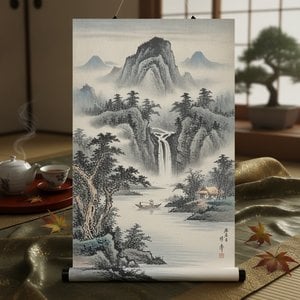
Serenity on Canvas: A Guide to the Timeless Beauty of Japanese Landscape Painting
Discover the serene beauty of Japanese landscape painting. From Hokusai's iconic woodblock prints to meditative sumi-e ink washes, explore a visual journey through the 'floating world' and learn how to bring this timeless Zen aesthetic into your modern home decor.

Floating World: The Captivating Art and Legacy of Japanese Ukiyo-e
Explore the profound beauty of Japanese Ukiyo-e. Discover the history, masters like Hokusai, and the enduring legacy of the 'Floating World' through an expert art-historical lens.

Ukiyo-e: Exploring Japan's Floating World & Enduring Artistic Legacy
Explore the captivating world of Ukiyo-e – Japan's iconic woodblock prints! Discover masters like Hokusai & Hiroshige, learn about Edo period culture, and find expert art collecting guidance at ArtsDot.


