


 Переглянути в інтер'єрі
 Надіслати
 Поділитися
 Деталі

 Завантажити
 Схожі експонати
 Рентгенівське дослідження
 Слайд-шоу
Сад Любові
 Акрил на полотні
- Настінне мистецтво
- Baroque Painting
 1631
1631 456.0 x 590.0 cm
 Художній інститут Чикаго
 Читати далі
Олійная репродукція ручної роботи
Написана вручну олією на полотні у вашому розмірі та рамі, виготовлена на замовлення нашими художниками. ( Перейти до друку Перейти до зображення)




P118B $10

P118H $10

P118W $10

P438Z $10

P508JH $12

P508YH $12

P805H $10

P805Z $10

P919BZ $10

P919G $10

P919XJ $10

P959ZH $10

P968JZ $12

W106C $8

W218G $10

W218JH $8

W218Y $10

W307PJ $10

W316G $10

W316PJ $8

W316Y $10

W398PJ $8

W4111J $10

W500HY $15

W500JH $15

W692G $12

W849H $8

W940BG $15

W953PJ $8




Обирайте з наших стандартних розмірів, що відповідають оригінальним пропорціям твору мистецтва.

Ви можете вказати власні розміри, щоб репродукція ідеально підійшла до конкретної рами або інтер'єру. Якщо вибраний вами розмір не відповідає пропорціям оригіналу, ми або обріжемо полотно, або доповнимо картину додатковими елементами, промальованими вручну. Цифровий макет буде надіслано вам на затвердження перед початком виробництва.
Зверніть увагу, що попередній перегляд на екрані не відображає фактичне обрізання або розширення зображення. Тільки макет точно покаже остаточну композицію.
Хоча ми можемо виготовити виріб у нестандартному розмірі, для збереження оригінальних пропорцій рекомендуємо обирати варіанти зі встановленого списку.
Після оформлення замовлення команда ArtsDot.com зв'яжеться з клієнтом електронною поштою для отримання інструкцій та надасть попередній макет
Доставка по всьому світу () за 3–4 тижні замість стандартних 5 тижнів. (8 Серпень). Без жодних компромісів у якості.

Безкоштовна експрес-доставка по всьому світу

Високоякісне лляне полотно

Повне страхове покриття доставки

Гарантія відшкодування митних зборів

Гарантія точного відтворення кольорів

Політика повернення протягом 60 днів (лише у разі виявлення дефектів)

Гарантія повернення 100% коштів

Знижка на оптові замовлення
 Скляний варіант доступний лише для розмірів до 110 см

Сад Любові
Техніка репродукції
Розмір репродукції
-


Загальна вартість
$ 263
Опис твору
Розповідь про Сад Любові Ягера Крістоффеля
Сад Любові Ягера Крістоффеля – шедевр фландрського бароко, створений Крістоффельом Ягером близько 1631 року та виконаний за ескізом Пітера Павла Рубенса. Його положення у колекції Інституту мистецтв Чикаго є свідченням його великої художньої цінності та впливу на мистецьку культуру того часу. Це не просто декоративна композиція; вона є складним символом епохи, що передає дух філософії та естетики бароко.- Авторський Ескіз: Ягер працював над цим масштабним твором у тісному співробітні з Пітером Павлом Рубенсом, великим художником епохи Бароко, що підкреслює вплив класичної академії на формування мистецького стилю того часу. Рубенс був одним із найвидатніших художників свого часу, відомим своїми грандіозними полотнами та майстерним володінням технікою живопису.
- Техніка Живопису: Ягер використовував традиційну техніку олійного живопису на дереві, що дозволило йому досягти максимальної деталізації та реалістичності зображення. Особлива увага приділялася передачі світла та тіні, що створює вражаючу перспективу та глибину композиції.
- Композиція та Символізм: Сад Любові вирізняється складним розташуванням фігур у просторі та використання символів, характерних для бароко. Центральна постать сидить на лавці серед інших людей, що символізує мирне суспільство та гармонію. Двох ангелів, що несуть вінок із квітів, можна побачити над фігурами – це традиційний символ шани та святкування у мистецтві класичної епохи.
- Історичний Контекст: Роботи Ягера Крістоффеля були створені в період розквіту фландрського Бароко, коли художники прагнули передати величність Бога та силу людської душі через грандіозні композиції та драматичні образи. Сад Любові є одним із найкращих прикладів цієї тенденції.
Схожі твори мистецтва


Біографія митця
The Master of the Woodcut: The Life and Legacy of Christoffel Jegher
In the heart of the 17th-century Flemish Baroque, amidst the bustling artistic fervor of Antwerp, the name Christoffel Jegher resonates with the profound impact of a true visionary. Born around 1596, Jegher emerged from an era defined by dramatic movement and emotional intensity. While history often remembers the grand canvases of painters, Jegher carved his legacy into the very grain of wood, serving as one of the most significant engravers and woodcut artists of his time. His life was inextricably linked to the golden age of Antwerp, a period where the boundaries between fine art and printmaking were blurred by the sheer brilliance of technical mastery.
Jegher’s journey was not merely that of a solitary craftsman but one deeply embedded in the prestigious circles of the Guild of St. Luke, where he achieved master status in 1628. His career was marked by an extraordinary professional intimacy with the giants of his age, most notably Peter Paul Rubens. It is whispered in art historical circles that Jegher was perhaps the only woodcutter of his era to work so closely within Rubens’ own studio. This collaboration was more than mere employment; it was a symbiotic exchange of genius. While Rubens provided the sweeping, muscular compositions and divine inspiration, Jegher possessed the surgical precision required to translate those fluid brushstrokes into the rugged, high-contrast medium of woodcut. In some instances, the master himself may have drawn directly onto the blocks, leaving Jegher to breathe life into the lines through meticulous cutting.
A Symphony of Light and Shadow
To observe a work by Jegher is to witness a dramatic theatricality that defines the Baroque spirit. His technique was a masterful manipulation of chiaroscuro, using the stark contrast between deep, velvety blacks and brilliant white spaces to evoke a sense of divine presence or mythological grandeur. This ability to command light allowed him to transform simple book illustrations into epic narratives. His work for the renowned Antwerp publishing house, Plantin-Moretus, ensured that his artistic vision reached far beyond the elite collectors, permeating the religious and scholarly texts of Europe.
His repertoire was as diverse as it was profound, ranging from the sacred to the profane. Jegher’s hands brought to life scenes of intense psychological depth, such as:
- Biblical Narratives: Where he captured the tender vulnerability of figures like Jesus and St. John the Baptist in their Childhood, utilizing anatomical precision to ground spiritual truths in human emotion.
- Mythological Epics: Such as his breathtaking execution of Hercules Fighting Fury and Discord, a work that mirrors the monumental scale and muscular energy of Rubens’ own paintings.
- Luminous Landscapes: In works like The Garden of Love, where he demonstrated an unexpected sensitivity to texture and light, creating idyllic scenes that seem to glow from within the paper itself.
An Enduring Artistic Lineage
The influence of Christoffel Jegher extended far beyond his own lifetime, flowing through a lineage of artists that helped shape the visual language of the 17th century. His mastery was not a solitary flame but a torch passed to the next generation; he was the father of the engraver Jan Christoffel Jegher, who continued to navigate the intricate world of religious prints and book illustrations, even contributing to the early precursors of what we might today recognize as the modern comic strip through sequential narrative prints.
Jegher’s historical significance lies in his role as a bridge between the high art of the painterly tradition and the widespread accessibility of print culture. He elevated the woodcut from a secondary reproductive medium to a primary vehicle for artistic expression. Through his hands, the monumental energy of the Flemish Baroque was democratized, allowing the triumphs of Rubens and the spiritual fervor of the Counter-Reformation to be felt by the hands of many. Even today, as we gaze upon the intricate lines of his prints in museums like the British Museum or the Saint Louis Art Museum, we are reminded of a man who could find infinite depth within the narrow confines of a wooden block.

christoffel jegher
1596 - 1652 , Belgium
Досьє митця
- Artistic Movement Or Style: Baroque
- Artists Who Influenced This Artist:
- Peter Paul Rubens
- Anthony van Dyck
- Date Of Birth: 1596 Antwerp Belgium
- Date Of Death: 1652 Antwerp Belgium
- Full Name: Christoffel Jegher
- Nationality: Flemish
- Notable Artworks:
- The Garden of Love
- Jesus and St John the Baptist in their Childhood
- Place Of Birth: Antwerp Belgium
Схожі статті

Топ-10 шедеврів бароко: картини, що змінили мистецтво | ArtsDot.com
Відкрийте для себе 10 шедеврів бароко від Караваджо, Рембрандта та Рубенса! Історія мистецтва, техніки живопису та натхнення для вашого інтер'єру. Репродукції картин високої якості – ArtsDot.com

Топ-10 шедеврів XVII століття: мистецтво епохи бароко у вашому інтер'єрі
Пориньте у світ бароко! Відкрийте 10 шедеврів XVII століття: Рембрандт, Караваджо, Вермеєр та інші. Історія мистецтва, техніки живопису та натхнення для вашого інтер'єру. Репродукції картин преміум-класу на ArtsDot.com.
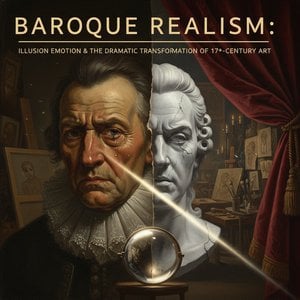
Baroque Realism: Illusion, Emotion & the Dramatic Transformation of 17th-Century Art
Explore the dramatic world of Baroque Realism! Discover iconic artists like Caravaggio & Rubens, their techniques, and the movement's lasting impact on art history. Expert insights for collectors & enthusiasts.

Baroque Classicism: Reconciling Drama & Order in 17th-Century Art
Explore the captivating world of Baroque Classicism! Discover its history, key artists like Caravaggio & Rubens, and defining characteristics. Expert insights & high-quality reproductions at ArtsDot.

Peter Paul Rubens: A Baroque Master's Life, Legacy & Enduring Influence
Discover the life & art of Peter Paul Rubens, the most influential artist of the Flemish Baroque tradition. Explore his masterpieces, legacy, and impact on art history with ArtsDot.


