


Картина відповідає вашим виборам: , .
Опис експоната
Explore Max Klinger’s 'Bather,' a poignant bronze sculpture embodying Symbolist realism & emotional depth. Discover its expressive form & studio-lit beauty.
 Розгорнути текст
Біографія митця
Макс Клінгер – німецький символіст, що майстерно поєднував реалізм та психологію в еталонних гравюрах. Його роботи досліджують темні сторони людської душі та міфологічні мотиви.
Замовте ваш у чотири прості кроки
Не поспішайте. Ви можете змінити будь-яку відповідь; ціна у вашій кошику буде оновлюватися відповідно до кожного вибору.
1 Перший крок із чотирьох
On which medium should it be printed?
Canvas is printed with giclée inks and can be stretched or framed like a painting; paper comes flat, or framed behind glass.
2 Другий крок із чотирьох
Який розмір ви бажаєте обрати?
Ці розміри зберігають пропорції оригінальної картини. На малюнку показано ваш вибір на стіні над двометровим диваном.
Або вкажіть власні розміри
Обирайте з наших стандартних розмірів, що відповідають оригінальним пропорціям твору мистецтва.

Введіть необхідну ширину та висоту, щоб принт ідеально підійшов до вашої рами або стіни. Принт можна лише обрізати, але не можна зробити більшим за оригінал, тому при зміні пропорцій частина зображення буде втрачена. Перед друком ми надсилаємо вам цифровий макет для затвердження. Зображення на цій сторінці не відображає реальну обрізку — її можна побачити лише на макеті.
3 Третій крок із чотирьох
Як його підготувати: у рулоні, на підрамнику чи в рамі?
Наведені нижче ціни вказані для розміру, обраного вами на першому кроці.
Оберіть тип країв натяжного полотна
Оберіть свою раму

Білий край ₴1

Розмитий край ₴1

З розширенням ₴1

P118B ₴10

P118H ₴10

P118W ₴10

P438Z ₴10

P508JH ₴12

P508YH ₴12

P805H ₴10

P805Z ₴10

P919BZ ₴10

P919G ₴10

P919XJ ₴10

P959ZH ₴10

P968JZ ₴12

W106C ₴8

W218G ₴10

W218JH ₴8

W218Y ₴10

W307PJ ₴10

W316G ₴10

W316PJ ₴8

W316Y ₴10

W398PJ ₴8

W4111J ₴10

W500HY ₴15

W500JH ₴15

W692G ₴12

W849H ₴8

W940BG ₴15

W953PJ ₴8

H24-GOLD ₴30

H24-SILVER ₴30

H36-GOLD ₴45

H36-SILVER ₴45
У рамі
Багет: . Загальний розмір із рамою: .
4 Четвертий крок із чотирьох
Кілька варіантів фінішного покриття
Усі вони є необов'язковими. Вибір уже вибраних варіантів не потребує додаткової оплати.
Доставка по всьому світу () за 2 тижні замість стандартних 4/5 тижнів. (22 Листопад)
Табличка, як у музеї?
Деталі гравірування на бронзовій табличці
This elegant plaque features the artist's name and the title of the artwork, finely engraved for a timeless presentation.
It is made from bronze with a refined, elegant finish. The text is precisely laser-engraved for a sharp and permanent result. Measuring 9x2 cm, the plaque is compact yet easy to read. It's built to be durable and scratch-resistant, offering a professional, museum-quality look. Mounting is simple thanks to the included adhesive backing.
Деталі прозорої акрилової таблички
The plaque includes essential engraved details such as the artist's name, the title of the artwork, the date it was created, the type of media used-like oil on canvas or watercolor-a brief description of the piece, and a QR code that links to the complete artwork information.
It is crafted from clear acrylic, offering a sleek, modern appearance. The text is UV-engraved in black to ensure strong visual contrast. With a size of 10x15 cm, it ensures optimal readability. It comes equipped with two metal hooks for secure wall mounting. The plaque is designed to be weather-resistant, making it suitable for various environments, and it includes interactive features that work seamlessly with smartphone scanning.
Деталі чорної акрилової таблички
This elegant plaque includes engraved information such as the artist's name, the title of the artwork, the date it was created, the type of media used (like oil on canvas or watercolor), a short description of the artwork, and a QR code for quick access to more information.
The plaque itself is made from refined black acrylic with a premium finish. The text is laser-engraved in white for high contrast and readability. Its size is 10x15 cm, designed to be easy to read. It comes with two metal hooks for professional mounting. The design is sleek and fits any interior style. It is also weather-resistant and durable, with built-in digital integration for mobile compatibility.
Захисний лак?
Коли вам це потрібно?
✓ Перевірити та замовити
Your print, as you ordered it

Bather
Матеріал репродукції
Розмір репродукції
-

Рама для репродукції
-
-
Для творів мистецтва або репродукцій, розмір яких перевищує 105 см (приблизно 41 дюйм) з будь-якого боку, рама доставляється у вигляді розібраного комплекту. Такий метод гарантує безпечну доставку та запобігає пошкодженням під час транспортування.
Потребує професійного збирання — це не продукт для самостійного виготовлення (DIY).
Комплект має бути зібраний, а полотно натягнуте досвідченим майстром багетних робіт із використанням клейового дерева (не входить у комплект), щипців для натягування полотна та затискачів, щоб підрамник залишався рівним під час висихання клею. Неправильне збирання або нерівномірне натягування полотна може призвести до незворотного пошкодження твору мистецтва, що не підпадає під дію нашої гарантії.
 Для творів мистецтва або репродукцій, розмір яких перевищує 105 см (приблизно 41 дюйм) з будь-якого боку, рама доставляється у вигляді розібраного комплекту. Такий метод гарантує безпечну доставку та запобігає пошкодженням під час транспортування.
У комплект входять усі бруски з цільного дерева, точно вирізані за розміром.
Збирається за допомогою гвинтів, що входять до комплекту, а також клейового розчину для кутових з'єднань, який не входить до комплекту і має бути підготовлений вашим майстром.
Потрібні професійні інструменти, які не входять до комплекту: щипці для натягування полотна (натягувач) та затискачі, щоб утримувати рейки рівно під час висихання клею.
Важливо:
Для з'єднання кутів потрібен клей для дерева, перекладини необхідно затиснути струбцинами до повного висихання клею, а для натягування полотна на зібрану раму знадобляться щипці для натягування полотна. Жоден із цих інструментів не входить до комплекту. Будь ласка, проконсультуйтеся з досвідченим майстром багетного оформлення перед замовленням рами такого розміру.

Етикетка експоната
-
-

Захисний лак
Глянцевий лак (підсилює яскравість кольорів, захищає від світла та вологи)
-

Прискорено
Доставка по всьому світу () за 2 тижні замість стандартних 4/5 тижнів. (22 Листопад)
-
Експрес-доставка
Доставка по всьому світу () протягом 4–5 тижнів. (29 Листопад).
Включено в ціну
Підсумкова вартість
₴ 2848
Скляний варіант доступний лише для розмірів до 110 см
До кожного замовлення додається
- Безкоштовна експрес-доставка по всьому світу
- Високоякісне лляне полотно
- Повне страхове покриття доставки
- Гарантія повернення митних зборів
- Гарантія точного відтворення кольорів
- Політика повернення протягом 100 днів (лише у разі виявлення дефектів)
- Гарантія повернення 100% коштів
- Пропозиція на оптові замовлення


A Silent Reflection: The Soul of Max Klinger’s Bather
In the quiet intersection where the tangible world of Realism meets the ethereal realm of Symbolism, Max Klinger’s “Bather” resides as a profound masterpiece of psychological depth. Created in 1908, this bronze sculpture does not merely present a figure submerged in water; it captures a fleeting, heavy moment of introspection. To gaze upon the Bather is to witness more than a physical form; it is to encounter a state of being—a serene yet sorrowful stillness that speaks to the universal human experience of vulnerability and contemplation. The figure’s posture, draped in subtle, flowing lines, invites the viewer into a private sanctuary of thought, making it an ideal centerpiece for those who appreciate art that stirs the subconscious.
The technical mastery displayed in this work is nothing short of extraordinary. Executed in bronze, the sculpture utilizes a sophisticated patination process that grants the metal an almost otherworldly glow. The dark, rich tones of the bronze create a striking contrast against its surroundings, allowing the light to dance across the contours of the female form and the intricate folds of her drapery. Klinger’s dedication to realism is evident in the way he captures the weight and texture of the material, yet he transcends mere imitation through his use of organic, curvilinear shapes. This harmony between the physical accuracy of the bronze and the fluid, rhythmic lines of the composition creates a visual melody that is both soothing and deeply moving.
Symbolism and the Dawn of Modern Anxiety
As a pioneer of German Symbolism, Klinger was deeply invested in exploring the hidden currents of the human psyche. During the dawn of the 20th century, a period marked by rapid industrialization and shifting social structures, "Bather" serves as an anchor for the era's collective anxieties and dreams. The sculpture moves beyond the literal depiction of a woman bathing to become a vessel for unspoken burdens and quiet resilience. Every curve of the body and every shadow cast by the studio lighting suggests a narrative complexity—a story of loss, longing, or perhaps a momentary escape from the pressures of the modern world.
For the discerning collector or interior designer, this piece offers an unparalleled opportunity to introduce emotional intelligence into a space. Whether placed in a minimalist contemporary gallery or a richly textured classical study, the Bather commands attention through its quiet intensity. It is not a work that shouts for recognition; rather, it waits to be discovered by those who seek depth and meaning in their surroundings. Owning a high-quality reproduction of this work allows one to bring the haunting beauty of Klinger’s vision into the home, providing a constant source of inspiration and a window into the profound mysteries of the human spirit.
Питання та відповіді
Де я можу придбати цифрове зображення «Bather» роботи Макс Клінгер?
Цифрове зображення твору «Bather» роботи Макс Клінгер можна придбати на його сторінці за посиланням Цифрове зображення високої якості: завантаження цифрового зображення високої роздільної здатності.
Де я можу знайти статистику про «Bather» роботи Макс Клінгер?
Сторінка Статистика переглядів для роботи «Bather» роботи Макс Клінгер містить статистику публічних переглядів: кількість щомісячних відвідувань цього твору, порівняння з найбільш популярними роботами митця та географію відвідувачів.
Яке національне походження лежить в основі Symbolism твору "Bather"?
Твір у стилі Symbolism «Bather» був створений художником, який народився в Німеччина.
Більше про цю картину
 Замовити картину ручної роботи
 Надіслати як листівку
 Поділитися
 Деталі витвору
 Посібник

 Завантажити
 Схожі екземпляри
 Слайд-шоу
 Питання та відповіді
 Статистика
Схожі твори мистецтва


Макс Клінгер
1857 - 1920, Німеччина
Біографія митця
The Shadowed World of Max Klinger: A Pioneer of Symbolism
Max Klinger, born in Leipzig in 1857, wasn’t simply an artist; he was a translator of the unseen—a chronicler of dreams and anxieties rendered in meticulous detail. His artistic journey began not with immediate acclaim but with a gradual, deliberate descent into the psychological depths, forging a unique vision that would profoundly influence the course of modern art. Initially trained at the Academy of Fine Arts in Karlsruhe under Karl Gussow, Klinger’s early work reflected the prevailing aesthetic of his time—detailed depictions of everyday life, imbued with a sense of realism. However, it was his profound fascination with the etchings of masters like Menzel and Goya – artists who possessed an uncanny ability to convey not just visual representation but also narrative complexity and raw emotion – that truly ignited his imagination. These figures demonstrated the power of printmaking to delve into the human condition, exploring themes of suffering, morality, and the darker corners of existence—qualities Klinger would masterfully employ throughout his career. He wasn’t content merely to mirror the world; he sought to unveil its hidden currents, its unspoken fears, and its elusive desires.From Realism's Embrace to Symbolic Depths
Klinger’s artistic evolution was marked by a deliberate and transformative shift away from straightforward realism towards a more subjective and symbolic language. His early paintings, while technically proficient, felt somewhat constrained—mere stepping stones on a longer path. The pivotal moment arrived with the publication of *Paraphrase on the Finding of a Glove* (1881), an ambitious series comprising ten plates that transcended mere illustration. This wasn’t a literal depiction of an event; instead, it was a fragmented, dreamlike exploration of desire, loss, and the intricate complexities of human relationships—a carefully constructed narrative built upon layers of symbolism and psychological suggestion. The glove itself became a potent symbol – a relic imbued with memory, longing, and the ephemeral nature of connection. This series wasn’t just a success; it firmly established Klinger as a leading voice within the burgeoning Symbolist movement, demonstrating his extraordinary ability to transform ordinary objects into vehicles for profound psychological insight. He wasn't interested in simply *showing* what things looked like; he wanted to convey *what they meant*, what emotions and associations they evoked—a deeper understanding of their significance.Sculpture, Printmaking, and the Exploration of Myth
Klinger’s artistic output was remarkably diverse, encompassing painting, sculpture, and printmaking – though it's arguably in the realm of graphic arts that he achieved his most enduring legacy. His prints are characterized by an astonishing level of technical skill, a dramatic use of light and shadow, and haunting imagery that lingers long after viewing. He wasn’t afraid to tackle challenging themes—mortality, sexuality, social injustice, and the darker aspects of the human psyche – often blending them in unsettling ways. Beyond *Paraphrase on the Finding of a Glove*, works like his depictions of Faustian bargains, exploring themes of ambition and damnation, and scenes from mythological narratives reveal a fascination with archetypal stories and universal human struggles. His sculptural work, though less prolific than his prints, was equally ambitious and often deliberately provocative. A prime example is his monumental installation in homage to Beethoven at the Vienna Secession in 1902 – a powerful and unsettling tribute to the composer’s genius, depicted as a Greek god presiding over a vast, desolate landscape. Klinger's sculptures weren't intended to be comforting; they were designed to challenge conventional notions of beauty and form, forcing viewers to confront uncomfortable truths about human nature.Influences and Artistic Development
Klinger’s artistic development was shaped by a confluence of influences – from the meticulous realism of Menzel and Goya to the evocative symbolism of Japanese woodblock prints and the philosophical ideas of Arthur Schopenhauer and Friedrich Nietzsche. He deeply admired the works of French naturalists like Émile Zola, whose novels exposed the hypocrisy and moral decay of bourgeois society, and he was profoundly affected by their exploration of social issues. His early training at the Karlsruhe Academy instilled in him a solid foundation in traditional techniques, but it was his independent study and experimentation that truly allowed him to develop his unique style. He embraced printmaking not merely as a technical skill but as a means of expressing complex emotions and ideas—a way to bypass the limitations of language and communicate directly with the subconscious mind. Klinger’s artistic journey can be seen as a deliberate attempt to synthesize these diverse influences into a cohesive and profoundly personal vision.Legacy and Influence: A Bridge to Modernity
Max Klinger's influence extended far beyond his own lifetime, shaping the work of generations of artists. He paved the way for Expressionism, Surrealism, and other avant-garde movements that sought to explore the inner world of human experience. His emphasis on symbolism, psychological depth, and subjective interpretation resonated with artists grappling with the anxieties and uncertainties of the modern age. The artist’s exploration of dreamlike states and subconscious desires anticipated the work of later Surrealists like Salvador Dalí and René Magritte. Even in more recent times, Klinger's ideas continue to inspire contemporary artists. In 1991, the Moscow art collective Inspection Medical Hermeneutics created “Klinger’s Boxes,” an installation directly inspired by his work—a testament to the enduring power of his vision. His art isn't merely historical; it remains strikingly relevant today. In an era defined by uncertainty and rapid change, Klinger’s exploration of psychological themes – anxiety, alienation, and the search for meaning – continues to resonate with audiences worldwide. His legacy is a reminder that true artistic innovation lies not in simply replicating reality but in revealing its hidden depths and challenging our preconceived notions about the world around us.Пов'язані статті

Топ-10 шедеврів XIX століття: мистецтво та історія для вашого дому
Пориньте у світ мистецтва XIX століття! Від Моне до Ван Гога – відкрийте 10 шедеврів імпресіонізму, реалізму та романтизму. Репродукції картин преміум-якості для вашого дому на ArtsDot.com. Дослідіть колекцію онлайн!

Max Klinger: Symbolism, Science & the Subconscious – A German Master's Legacy
Explore the captivating world of Max Klinger, a pivotal German Symbolist artist. Discover his groundbreaking prints, psychological themes, & influence on modern art movements like Expressionism. Expert analysis and insights.
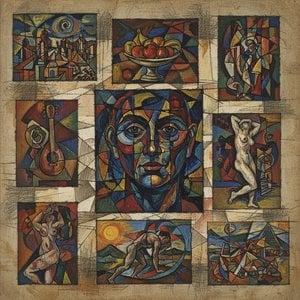
Топ-10 шедеврів кубізму: виразність та новаторство в мистецтві для вашого дому
Відкрийте для себе 10 шедеврів кубізму та експресіонізму! Пікассо, Брак та інші митці змінили мистецтво. Історія творів, техніки та натхнення для вашого дому. Репродукції картин високої якості – ArtsDot.com