


 Переглянути в інтер'єрі
 Надіслати як листівку
 Поділитися
 Детальніше

 Завантажити
 Схожі експонати
 Рентгенівське дослідження
 Слайд-шоу
Волна

 Читати далі
Гікле / Художній принт
Музейна якість друку جيкле або на полотні з оперативним виготовленням та різноманітними варіантами фінішної обробки. ( Замовити репродукцію ручної роботи Купити цифрове зображення)




P118B $10

P118H $10

P118W $10

P438Z $10

P508JH $12

P508YH $12

P805H $10

P805Z $10

P919BZ $10

P919G $10

P919XJ $10

P959ZH $10

P968JZ $12

W106C $8

W218G $10

W218JH $8

W218Y $10

W307PJ $10

W316G $10

W316PJ $8

W316Y $10

W398PJ $8

W4111J $10

W500HY $15

W500JH $15

W692G $12

W849H $8

W940BG $15

W953PJ $8




Обирайте з наших стандартних розмірів, що відповідають оригінальним пропорціям твору мистецтва.

Ви можете вказати власні розміри, щоб репродукція ідеально підійшла до конкретної рами або інтер'єру. Якщо обраний вами розмір не відповідає пропорціям оригіналу, ми або обріжемо полотно, або розширимо зображення за допомогою дзеркального відображення чи суцільної заливки країв. Перед початком виробництва вам буде надіслано цифровий макет для затвердження.
Будь ласка, зверніть увагу, що попередній перегляд на екрані не відображає фактичне обрізання або розширення. Тільки макет точно покаже фінальну композицію.
Хоча можливість замовлення індивідуальних розмірів доступна, ми рекомендуємо обирати формат із попередньо визначеного списку, щоб зберегти оригінальні пропорції.
Доставка по всьому світу () за 2 тижні замість стандартних 4/5 тижнів. (25 Серпень)

Безкоштовна експрес-доставка по всьому світу

Високоякісне лляне полотно

Повне страхове покриття доставки

Гарантія відшкодування митних зборів

Гарантія точного відтворення кольорів

Політика повернення протягом 60 днів (лише у разі виявлення дефектів)

Гарантія повернення 100% коштів

Пропозиція на оптові замовлення
 Скляний варіант доступний лише для розмірів до 110 см

Волна
Гікле / Художній принт
Розмір репродукції
-


Підсумкова вартість
$ 62
Опис експоната
Кенгоку Хаоса и Красоты: Раскрытие Значения Кацушки Хьоксай и Его Шедевра «Великая Волна у Канагавы»
Кацушки Хьоксай, имя, ставшее синонимом японского искусства и культовым образом *Великой Волны у Канагавы*, был гораздо больше чем просто гравёр. Родился в Эдо (современный Токио) около 1760 года и провел жизнь неустанным поиском художественного мастерства, постоянно меняясь именами и неистовой любопытством к миру искусства. От скромных начал как сын мастера зеркал Хьоксай начал рисовать в возрасте шести лет и эта преданность делу определила карьеру длиной почти девяти десятилетий, оставив после себя наследие, которое продолжает резонировать с публикой во всем мире.
Его отец, Накадзима Исе, хотя сам не был художником, возможно, осознавал и поощрял этот ранний талант, заложив фундамент для путешествия, которое превратило японскую визуальную культуру. Ранняя жизнь Хьоксай была не роскошной, а стабильным восхождением, подпитываемым упорным трудом и стремлением к совершенству.
Хьоксай был известен прежде всего как гравёр укиё-э, стиль японского искусства периода Эдо (1603–1868), активный как художник и график. Его знаменитый набор гравюр *Великая Волна у Канагавы* стал символом эпохи и одним из самых узнаваемых произведений искусства Японии.
Хьоксай был вдохновлен европейской живописью и скульптурой, особенно работами художников Ренессанса и Барокко. Эти влияния помогли ему расширить границы традиционного японского искусства и создать новые художественные формы.
Главным достижением Хьоксай было создание серии гравюр *Великая Волна у Канагавы*, которая стала ответом на бурный туристический поток в Японии и частью его личного интереса к горе Фудзи. Эта серия, особенно *Великая Волна у Канагавы* и Ясное утро над Фудзи, обеспечила ему славу как в Японии, так и за рубежом.
Хьоксай использовал уникальную технику гравюры укиё-э – это искусство вырезания изображений на деревянных блоках и переноса их изображения на бумагу с помощью влажной ткани. Этот процесс требовал огромного мастерства и терпения, что отразилось в невероятной детализации и тонкой цветовой гамме его работ.
*Великая Волна у Канагавы* является ярким примером этого стиля и демонстрирует глубокое понимание силы природы. Художник использовал перспективу для создания иллюзии глубины и передать ощущение огромного масштаба океана. Расположение горы Фудзи вдали от береговой линии подчеркивает его значимость как символа религиозной веры и духовности.
Хьоксай был одним из самых влиятельных художников эпохи Эдо и оказал огромное влияние на творчество таких мастеров, как Клод Моне и Винсент Ван Гог. Его работы вдохновили европейских художников и привели к появлению новых художественных направлений.
*Великая Волна у Канагавы* стала символом эпохи Эдо и одним из самых узнаваемых произведений искусства Японии. Этот шедевр продолжает восхищать зрителей по всему миру своей красотой и мощью.
Схожі твори мистецтва


Біографія митця
A Life Etched in Ink: The World of Katsushika Hokusai
Katsushika Hokusai, a name that resonates deeply within the world of art and inextricably linked to the iconic image of *The Great Wave off Kanagawa*, was far more than simply a printmaker. Born in Edo (modern-day Tokyo) around 1760, his life unfolded as an extraordinary, restless pursuit of artistic mastery – a continuous evolution characterized by shifting names and an insatiable curiosity about the world around him. From humble beginnings as the son of a mirror maker, Hokusai’s initial inclination towards art wasn't immediately nurtured; however, he relentlessly honed his skills, reportedly beginning to draw at the tender age of six. This unwavering dedication would ultimately define a career spanning nearly nine decades, leaving behind a legacy that continues to captivate and inspire audiences globally. His father, Nakajima Ise, though not himself an artist, recognized and perhaps subtly fostered this nascent talent, providing the foundational support for a journey that would fundamentally transform Japanese visual culture. Hokusai’s early life wasn't one of privilege or ease; rather, it was a steady climb fueled by ambition, a deep-seated passion to capture the essence of the world in all its fleeting beauty and enduring strength.From Apprenticeship to Innovation: The Blossoming of a Style
Hokusai’s formal artistic training commenced at twelve when he entered the prestigious studio of Katsukawa Shunshō, a leading master of *ukiyo-e* – “pictures of the floating world.” This vibrant genre, immensely popular during the Edo period, served as a mirror reflecting the diverse facets of Japanese society: actors performing in Kabuki theaters, courtesans embodying elegance and allure, sweeping landscapes capturing the beauty of nature, and glimpses into the bustling urban life of Edo. Under Shunshō’s tutelage, Hokusai diligently mastered the intricate techniques of woodblock printing – a demanding process requiring exceptional precision, artistic skill, and an understanding of color theory. Yet, he possessed a spirit that refused to be confined by mere imitation; even in his early works, a palpable restlessness was evident, a desire to push boundaries, experiment with new subjects, and ultimately forge his own unique visual language. He began exploring various avenues of expression, venturing beyond the traditional confines of *ukiyo-e* to include book illustrations and single-sheet prints, constantly refining his skills and developing a distinctive style that would soon set him apart. This period also marked the beginning of a fascinating pattern – a series of name changes, a common practice among Japanese artists of the time, each shift signifying a new phase in his artistic development or an affiliation with different schools and styles.Mount Fuji and the Floating World: Defining Masterpieces
Hokusai’s artistic output was astonishingly prolific; tens of thousands of sketches, prints, illustrated books, and paintings bear his signature – a testament to his tireless dedication. While he explored a remarkably diverse range of subjects – from scenes of everyday life to fantastical creatures and detailed botanical studies – it was his series *Thirty-Six Views of Mount Fuji* (circa 1831) that cemented his enduring fame and established him as one of the greatest artists in Japanese history. This monumental collection wasn’t simply a straightforward depiction of a mountain; rather, it was a profound exploration of perspective, composition, and the raw power of nature. *The Great Wave off Kanagawa*, arguably the most recognizable image in the series, embodies both the breathtaking beauty and the terrifying force of the ocean – a towering wave poised to engulf tiny fishing boats, capturing a moment of sublime drama. Beyond *Fuji*, works such as *Fireworks at Ryōgoku Bridge* (1790) demonstrated his remarkable ability to capture dynamic scenes of daily life with an astonishing level of energy and detail, showcasing his mastery of color and composition. His *Hokusai Manga* – a collection of sketches and studies encompassing people, animals, landscapes, and fantastical creatures – was groundbreaking in its scope and influence, foreshadowing the development of modern manga as an art form. These works weren’t isolated achievements; they were milestones in a continuous artistic journey, each building upon the last to create a body of work that is both deeply rooted in Japanese tradition and remarkably innovative.A Legacy Beyond Borders: Hokusai's Enduring Influence
Hokusai’s impact extended far beyond the borders of Japan. As Japan cautiously opened its doors to the West during the late 19th century, *ukiyo-e* prints flooded European markets, sparking a phenomenon known as *Japonisme*. Artists like Claude Monet, Edgar Degas, and Vincent van Gogh were profoundly influenced by Hokusai’s bold compositions, vibrant colors, and unconventional perspectives. Van Gogh, in particular, was deeply moved by *The Great Wave*, even recreating it in his own paintings, demonstrating a clear understanding of its dynamic energy and emotional impact. Hokusai's influence wasn’t limited to Impressionism; it permeated various modern art movements, shaping the way artists approached composition, color, and subject matter. His emphasis on capturing fleeting moments, his masterful use of line, and his ability to find beauty in everyday life resonated with a generation of artists seeking new forms of expression. Even today, Hokusai’s work continues to inspire and challenge artists around the world, solidifying his place as one of the most important figures in art history – an artist whose vision transcends cultural boundaries and connects us to something profoundly universal.The Old Man Mad About Painting
Hokusai's life was a testament to relentless self-improvement and artistic exploration, marked by numerous name changes – over thirty throughout his career – each reflecting a new phase in his artistic development or an affiliation with different schools and styles. He often referred to himself as “Gakyō Rōjin,” or "Old Man Crazy to Paint," a fitting title for an artist who remained passionately devoted to his craft well into his eighties. This unwavering commitment to perfection, coupled with his innovative spirit and profound understanding of both Japanese tradition and the wider world, cemented Hokusai’s legacy as a true master of *ukiyo-e* and a pivotal figure in the history of art. His work continues to captivate audiences, reminding us of the power of art to transcend cultural boundaries and connect us to something larger than ourselves.- Major Influences: Ukiyo-e traditions, Chinese landscape painting, everyday life in Edo.
- Key Characteristics: Bold lines, vibrant colors, dynamic compositions, keen observation of nature.

Катсушіка Хōкūсай
1760 - 1849 , Японія
Короткі факти
- Artistic Movement Or Style: Укійо-е
- Artists Or Movements Influenced By This Artist:
- Імпресіонізм
- Вінсент ван Го
- Клод Моне
- Artists Who Influenced This Artist: Китайські пейзажні художники
- Date Of Birth: 31 жовтня 1760
- Date Of Death: 10 травня 1849
- Full Name: Катсушіка Хōкūсай
- Nationality: Японський
- Notable Artworks:
- «Вели хвиля біля Канаґави»
- «Тридцять шіс відам Фудзі»
- «Манґа Хōкūсай»
- Place Of Birth: Токіо, Японія
Пов'язані статті

25 шедеврів Кацусіки Хокусая: мистецтво Японії для вашого дому | ArtsDot
Відкрийте 25 культових робіт Кацусіки Хокусая! Гравюри укійо-е, легендарна "Хвиля", пейзажі Фудзі та неймовірний світ японського мистецтва. Репродукції картин преміум-класу для вашого дому на ArtsDot.com.

Katsushika Hokusai: A Comprehensive Exploration of the Master's Life, Art, and Enduring Legacy
Explore the life & art of Katsushika Hokusai, Japan's ukiyo-e master! Discover 'The Great Wave,' landscapes, manga & his profound influence on Western art. A comprehensive guide for enthusiasts.

Floating World: The Captivating Art and Legacy of Japanese Ukiyo-e
Explore the profound beauty of Japanese Ukiyo-e. Discover the history, masters like Hokusai, and the enduring legacy of the 'Floating World' through an expert art-historical lens.

Japonisme: How Japanese Woodblock Prints Revolutionized Western Art
Explore the profound impact of Japonisme on Western art. Discover how Japanese ukiyo-e woodblock prints revolutionized perspective, color, and composition for masters like Monet and Van Gogh, forever changing the course of modern art history.
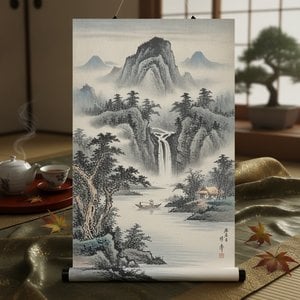
Serenity on Canvas: A Guide to the Timeless Beauty of Japanese Landscape Painting
Discover the serene beauty of Japanese landscape painting. From Hokusai's iconic woodblock prints to meditative sumi-e ink washes, explore a visual journey through the 'floating world' and learn how to bring this timeless Zen aesthetic into your modern home decor.



