


 Переглянути в інтер'єрі
 Надіслати
 Поділитися
 Деталі
 Посібник

 Завантажити
 Схожі предмети колекціонування
 Рентгенівське дослідження
 Слайд-шоу
 Статистика переглядів
Study Sheet
 Acrylic On Canvas
- WallArt
- Expressionist Printmaking
 1931
1931 40.0 x 32.0 cm
 Kunsthalle Bremen
 Читати далі
Гікле / Художній принт
Музейна якість друку جيкле або на полотні з оперативним виготовленням та різноманітними варіантами фінішної обробки. ( Купити картину ручної роботи Перейти до цифрових зображень)




P118B ₴10

P118H ₴10

P118W ₴10

P438Z ₴10

P508JH ₴12

P508YH ₴12

P805H ₴10

P805Z ₴10

P919BZ ₴10

P919G ₴10

P919XJ ₴10

P959ZH ₴10

P968JZ ₴12

W106C ₴8

W218G ₴10

W218JH ₴8

W218Y ₴10

W307PJ ₴10

W316G ₴10

W316PJ ₴8

W316Y ₴10

W398PJ ₴8

W4111J ₴10

W500HY ₴15

W500JH ₴15

W692G ₴12

W849H ₴8

W940BG ₴15

W953PJ ₴8




Обирайте з наших стандартних розмірів, що відповідають оригінальним пропорціям твору мистецтва.

Введіть необхідну ширину та висоту, щоб принт ідеально підійшов до вашої рами або стіни. Принт можна лише обрізати, але не можна зробити більшим за оригінал, тому при зміні пропорцій частина зображення буде втрачена. Перед друком ми надсилаємо вам цифровий макет для затвердження. Зображення на цій сторінці не відображає реальну обрізку — її можна побачити лише на макеті.
Доставка по всьому світу () за 2 тижні замість стандартних 4/5 тижнів. (24 Жовтень)

Безкоштовна експрес-доставка по всьому світу

Високоякісне лляне полотно

Повне страхове покриття доставки

Гарантія повернення митних зборів

Гарантія точного відтворення кольорів

Політика повернення протягом 100 днів (лише у разі виявлення дефектів)

Гарантія повернення 100% коштів

Знижка на оптові замовлення
 Скляний варіант доступний лише для розмірів до 110 см

Study Sheet
Гікле / Художній принт
Розмір репродукції
-


Загальна вартість
₴ 2782
A Portrait of Family Bonds: Käthe Kollwitz’s “Study Sheet”
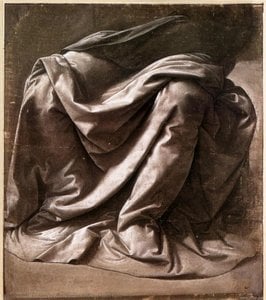
Käthe Kollwitz's "Study Sheet," created in 1931, transcends mere depiction; it embodies the profound empathy and unwavering commitment to social justice that defined her artistic legacy. This deceptively simple drawing—measuring 40 x 32 cm—offers a glimpse into Kollwitz’s meticulous process and speaks volumes about her enduring fascination with portraying human vulnerability and familial connection. Examining this artwork reveals layers of meaning, reflecting not only the artist's technical prowess but also the socio-political currents shaping early twentieth-century Germany.The Artist’s Vision: Kollwitz’s Style and Technique
Kollwitz’s artistic style is instantly recognizable as Expressionism—a movement characterized by its rejection of idealized beauty in favor of conveying raw emotion and psychological truth. Unlike Impressionists who sought to capture fleeting moments of light, Kollwitz deliberately employed bold lines and muted colors to emphasize the contours of her subjects and imbue them with palpable feeling. The drawing utilizes a charcoal pencil on paper, demonstrating Kollwitz’s mastery of tonal shading—a technique she honed throughout her prolific career. Careful attention is paid to capturing subtle nuances of expression, particularly in the faces of the figures depicted. This deliberate choice underscores Kollwitz's belief that art should serve as a conduit for confronting uncomfortable realities and fostering compassion for those marginalized by society.Historical Context: Weimar Republic Anxiety
“Study Sheet” was produced during the Weimar Republic—a period marked by economic instability, political polarization, and simmering anxieties about the rise of extremist ideologies. Kollwitz’s artistic output coincided with this turbulent era, reflecting a deep concern for the plight of working-class families grappling with poverty and hardship. The depiction of a family huddled together—two adults and two children—immediately evokes images of resilience and solidarity amidst adversity. This motif resonates powerfully within the broader context of Weimar Germany, where anxieties about social upheaval fueled artistic explorations of vulnerability and human dignity. Kollwitz herself was deeply involved in socialist activism, using her art to advocate for social reform and denounce injustice – a commitment that permeated every piece she created.Symbolism Within Simplicity: The Family Unit
The inclusion of three cats within the composition adds another layer of symbolic significance. Cats have long been associated with domestic tranquility and maternal care—representing comfort and protection within the familial sphere. Their presence subtly reinforces Kollwitz’s central theme: the importance of nurturing relationships and safeguarding vulnerable individuals against external pressures. The artist's careful rendering of each feline contributes to the overall atmosphere of warmth and companionship, highlighting Kollwitz’s ability to distill complex emotions into deceptively understated visual elements.Emotional Resonance: A Legacy of Compassion
Ultimately, “Study Sheet” succeeds in capturing a moment of profound human connection—a testament to Kollwitz's unwavering empathy for the suffering masses. The drawing compels viewers to contemplate themes of familial love, resilience, and compassion—values that remain remarkably relevant today. It serves as an enduring reminder that art can illuminate the darkest corners of experience while simultaneously affirming the inherent dignity of every human being. Kollwitz’s masterful technique and her unflinching portrayal of emotion solidify “Study Sheet” as a cornerstone of Expressionist art and a poignant reflection on the human condition.Запитання та відповіді
Хто створив "Study Sheet" і в якому році?
«Study Sheet» було створено Ката Кольвітц у 1931 році.
Яким видом мистецтва є «Study Sheet»?
«Study Sheet» Ката Кольвітц класифікується як WallArt. Ця категорія описує вид художнього твору, яким є оригінал.
Яку атмосферу привносить «Study Sheet» Ката Кольвітц в інтер'єр?
Calm-атмосфера твору «Study Sheet» Ката Кольвітц ідеально доповнює рекомендований простір: Living Room.
Схожі твори мистецтва




Біографія митця
Раннє життя та художнє пробудження
Кете Кольвіц, яка народилася 8 липня 1867 року в Кенігсберзі (нині Калінінград, Росія) під іменем Кете Шмідт, походила з родини, глибоко вкоріненої як в інтелектуальному розквіті, так і в соціальній свідомості. Її бать, Карл Шмідт, був прогресивною політичною постаттю — радикальним соціал-демократом та масоном, тоді як дідух по материнській лінії, Юліус Рупп, прищепив юній Кете потужне поєднання релігійної віри та соціалістичних ідеалів. Це унікальне виховання стало фундаментом, що сформував не лише її світогляд, а й саме ядро її художнього самовираження. Навіть дитиною Кольвіц демонструвала вроджений талант до малювання, підтриманий батьком, який розпізнав і плекав її зростаючу креативність. Формальна підготовка розпочалася у дванадцятирічному віці під керівництвом місцевих художників Густава Науйока та Рудольфа Мауера в Кенігсберзі, що заклало основу для присвячення всього життя візуальному оповіданню. Ці ранні уроки не були лише технічними вправами; вони стали першими кроками на шляху до того, щоб стати могутнім голосом для маргіналізованих та пригнічених верств суспільства. Вона продовжувала навчання в Берліні та Мюнхені, занурюючись у мистецькі течії кінця XIX століття, але завжди поверталася до людського стану як до свого центрального сюжету.Горнило досвіду: Мистецтво та соціальний коментар
Шлюб Кольвіц із Карлом Кольвіцом у 1891 році став поворотним моментом як в особистому, так і в мистецькому плані. Пара оселилася в Берліні, де Карл практикував медицину серед збіднілого робітничого класу міста. Це пряме зітклення з труднощами та стражданнями глибоко вплинуло на художнє бачення Кете. Спочатку її роботи зосереджувалися на зображенні реалій життя робітників, просякнутих соціал-демократичними принципами, які вона перейняла від своєї родини. Однак саме «Цикл ткачів» (1894–1898) — серія гравюр, натхненна однойменною п'єсою Герхарта Гауптмана, — вивела Кольвіц на рівень широкого визнання. Ця потужна робота живописно зобразила відчай та повстання сілезьких ткачів, що зіткнулися з економічною експлуатацією — суворий вирок соціальній несправедливості, переданий із безкомпромісною чесністю. Вона не уникала зображення жорстокої реальності, яку бачила; навпаки, вона прийняла її як невід'ємний компонент своєї художньої істини. Після «Ткачів» Кольвіц розпочала роботу над «Циклом селянської війни» (1902–1ся108), досліджуючи теми повстання та гноблення крізь призму німецької історії XVI століття. Ці ранні цикли утвердили її репутацію художниці, глибоко відданої соціальному реалізму, проте вже тоді в них відчувалася емоційна інтенсивність, що згодом стане візитною карткою її стилю.Втрата, горе та експресіоністичний імпульс
Перша світова війна принесла в життя Кольвіц невимовну трагедію. Смерть її сина, Петера, у 1914 році зруйнувала її світ і безповоротно змінила курс її мистецтва. Горе стало центральною темою, пронизуючи такі роботи, як «Смерть із дівчинкою на руках» — моторошне зображення материнського смутку, що виходить за межі конкретної втрати, втілюючи універсальне оплакування. Цей період також ознаменувався зміною її художнього стилю: відхід від суворого реаліму до більш емоційно насиченого експресіонізму. Хоча вона ніколи повністю не відмовилася від репрезентативних форм, Кольвіц почала спрощувати форми та посилювати емоційний вплив через різкі контрасти та драматичні композиції. Такі роботи, як «Старий з петлею» та «Вежа матерів», є прикладом цієї еволюції — сирі, вісцеральні вирази відчаю та руйнівних наслідків війни. Майстерність у техніках гравюри — офорту, літографії, ксилографії — дозволила їй досягти цих ефектів, використовуючи акватинту та наждачний папір для створення драматичних текстур і тональних варіацій.Визнання, стійкість та невмируща спадщина
Попри величезні особисті труднощі, Кольвіц продовжувала створювати мистецтво, що кидало виклик суспільним нормам і давало голос безголосим. У 1919 році вона досягла історичної віхи, ставши першою жінкою, обраною до Прусської академії мистецтв — свідчення її художніх здобутків та зростаючого впливу. Однак це визнання було недовгим. З приходом нацизму в Німеччині Кольвіц була змушена піти з Академії у 1933 році, а її роботи були заборонені як «дегенеративне мистецтво». Не злякавшись, у свої пізні роки вона звернулася до скульптури, продовжуючи досліджувати теми горя, втрати та стійкості в бронзі та камені. Вона померла поблизу Дрездена у 1945 році, в останні дні Другої світової війни — трагічний фінал для художниці, яка присвятила своє життя тому, щоб бути свідком людських страждань. Сьогодні Кете Кольвіц прославлена як ключова постать експресіонізму та потужна захисниця соціальної справедливості. Її мистецтво продовжує резонувати з аудиторією в усьому світі, нагадуючи нам про незламну силу емпатії та важливість протистояння важкій правді. Музей Кете Кольвіц у Берліні стоїть як тривала шана її спадщині, гарантуючи, що її глибоке художнє бачення продовжуватиме надихати майбутні покоління.Впливи та художній стиль
Художній розвиток Кольвіц сформували кілька ключових впливів. Серія гравюр Макса Клінгера «Ein Leben» (Життя) глибоко вплинула на її ранні роботи, продемонструвавши потенціал графічних циклів для розповіді. П'єси Герхарта Гауптмана стали тематичним натхненням для таких творів, як «Ткачі», тоді як медична практика її чоловіка відкрила їй очі на жорстоку реальність, з якою стикався робочий клас Берліна. Проте Кольвіц не була просто реєстратором зовнішніх подій; вона володіла винятковою здатністю перетворювати особистий досвід на універсальні емоції. Її стиль характеризується сирою емоційною інтенсивністю, спрощеними формами та майстерним використанням світла й тіні. Хоча її творчість коріниться в реалізмі, вона виходить за межі простого відтворення, занурюючись у психологічні глибини людських страждань. Вона не цікавилася красою заради самої краси; вона прагнула створювати мистецтво, яке б спонукало до роздумів, надихало на емпатію і, зрештою, сприяло створенню більш справедливого світу. Її спадщина — це не лише інновація в мистецтві, а й приклад моральної мужності. Кольвіц залишається вічним символом художника як соціального сумління.
Ката Кольвітц
1867 - 1945 , Росія
Довідкова інформація
- Artistic Movement Or Style: Експресіонізм
- Artists Or Movements Influenced By This Artist: ['Експресіонізм']
- Artists Who Influenced This Artist:
- Макс Клінгер
- Георґ Хаупмант
- Date Of Birth: 8 липня 1867 р.
- Date Of Death: 1945 р.
- Full Name: Кӓте Кольвітц
- Nationality: Німецька
- Notable Artworks: ['Цикл «Ткачі», Цикл «Селянська війна']
- Place Of Birth: Кӧнігсберг, Росія
Схожі статті

Еволюція сімейних портретів: персоналізоване мистецтво як літопис родинного життя крізь покоління
Відкрийте еволюцію сімейних портретів! Дізнайтесь про історію жанру, символізм та сучасні тенденції. Замовте унікальний родинний портрет – літопис вашої родини на полотні. Експертна консультація та висока якість!

Топ-10 шедеврів живопису в чорних тонах: історія, мистецтво та декор від ArtsDot
Відкрийте для себе 10 найвідоміших картин у чорних тонах! Історія, техніка та емоції від ArtsDot. Романтизм, готика, експресіонізм – шедеври живопису онлайн. Купіть репродукцію мрії на ArtsDot.com!

Топ-10 шедеврів у відтінках слонової чорні: мистецтво, що зачаровує | ArtsDot
Відкрийте для себе 10 найвідоміших картин, де панує магія чорного кольору. Історія Ван Гога, Пікассо та інших геніїв живопису. Купіть репродукцію шедевру на ArtsDot.com та створіть вишуканий інтер'єр!

Леонардо да Вінчі: 25 шедеврів для вашого дому – мистецтво, історія та декор від ArtsDot
Відкрийте 25 шедеврів Леонардо да Вінчі! Історія, техніка та значення культових картин Відродження. Репродукції високої якості для вашого дому від ArtsDot.com – мистецтво, що надихає.

Топ-10 шедеврів у відтінках чорного: мистецтво та декор з ArtsDot
Відкрийте силу чорного кольору в мистецтві! Топ-10 шедеврів від Ван Гога, Мунка та інших геніїв. Історія створення, техніки живопису та натхнення для вашого декору з ArtsDot. Дослідіть колекцію онлайн!