

Картина відповідає вашим виборам: , .
Біографія митця
Explore the portraits & historical scenes of Fredrik Westin (1782-1862), a Swedish painter known for his royal commissions & evocative artwork.
 Розгорнути текст
Замовте ваш у чотири прості кроки
Не поспішайте. Ви можете змінити будь-яку відповідь; ціна у вашій кошику буде оновлюватися відповідно до кожного вибору.
1 Перший крок із чотирьох
On which medium should it be printed?
Canvas is printed with giclée inks and can be stretched or framed like a painting; paper comes flat, or framed behind glass.
2 Другий крок із чотирьох
Який розмір ви бажаєте обрати?
Ці розміри зберігають пропорції оригінальної картини. На малюнку показано ваш вибір на стіні над двометровим диваном.
Або вкажіть власні розміри
Обирайте з наших стандартних розмірів, що відповідають оригінальним пропорціям твору мистецтва.

Введіть необхідну ширину та висоту, щоб принт ідеально підійшов до вашої рами або стіни. Принт можна лише обрізати, але не можна зробити більшим за оригінал, тому при зміні пропорцій частина зображення буде втрачена. Перед друком ми надсилаємо вам цифровий макет для затвердження. Зображення на цій сторінці не відображає реальну обрізку — її можна побачити лише на макеті.
3 Третій крок із чотирьох
Як його підготувати: у рулоні, на підрамнику чи в рамі?
Наведені нижче ціни вказані для розміру, обраного вами на першому кроці.
Оберіть тип країв натяжного полотна
Оберіть свою раму

Білий край ₴1

Розмитий край ₴1

З розширенням ₴1

P118B ₴10

P118H ₴10

P118W ₴10

P438Z ₴10

P508JH ₴12

P508YH ₴12

P805H ₴10

P805Z ₴10

P919BZ ₴10

P919G ₴10

P919XJ ₴10

P959ZH ₴10

P968JZ ₴12

W106C ₴8

W218G ₴10

W218JH ₴8

W218Y ₴10

W307PJ ₴10

W316G ₴10

W316PJ ₴8

W316Y ₴10

W398PJ ₴8

W4111J ₴10

W500HY ₴15

W500JH ₴15

W692G ₴12

W849H ₴8

W940BG ₴15

W953PJ ₴8

H24-GOLD ₴30

H24-SILVER ₴30

H36-GOLD ₴45

H36-SILVER ₴45
У рамі
Багет: . Загальний розмір із рамою: .
4 Четвертий крок із чотирьох
Кілька варіантів фінішного покриття
Усі вони є необов'язковими. Вибір уже вибраних варіантів не потребує додаткової оплати.
Доставка по всьому світу () за 2 тижні замість стандартних 4/5 тижнів. (22 Листопад)
Табличка, як у музеї?
Деталі гравірування на бронзовій табличці
This elegant plaque features the artist's name and the title of the artwork, finely engraved for a timeless presentation.
It is made from bronze with a refined, elegant finish. The text is precisely laser-engraved for a sharp and permanent result. Measuring 9x2 cm, the plaque is compact yet easy to read. It's built to be durable and scratch-resistant, offering a professional, museum-quality look. Mounting is simple thanks to the included adhesive backing.
Деталі прозорої акрилової таблички
The plaque includes essential engraved details such as the artist's name, the title of the artwork, the date it was created, the type of media used-like oil on canvas or watercolor-a brief description of the piece, and a QR code that links to the complete artwork information.
It is crafted from clear acrylic, offering a sleek, modern appearance. The text is UV-engraved in black to ensure strong visual contrast. With a size of 10x15 cm, it ensures optimal readability. It comes equipped with two metal hooks for secure wall mounting. The plaque is designed to be weather-resistant, making it suitable for various environments, and it includes interactive features that work seamlessly with smartphone scanning.
Деталі чорної акрилової таблички
This elegant plaque includes engraved information such as the artist's name, the title of the artwork, the date it was created, the type of media used (like oil on canvas or watercolor), a short description of the artwork, and a QR code for quick access to more information.
The plaque itself is made from refined black acrylic with a premium finish. The text is laser-engraved in white for high contrast and readability. Its size is 10x15 cm, designed to be easy to read. It comes with two metal hooks for professional mounting. The design is sleek and fits any interior style. It is also weather-resistant and durable, with built-in digital integration for mobile compatibility.
Захисний лак?
Коли вам це потрібно?
✓ Перевірити та замовити
Your print, as you ordered it

Hebe
Матеріал репродукції
Розмір репродукції
-

Рама для репродукції
-
-
Для творів мистецтва або репродукцій, розмір яких перевищує 105 см (приблизно 41 дюйм) з будь-якого боку, рама доставляється у вигляді розібраного комплекту. Такий метод гарантує безпечну доставку та запобігає пошкодженням під час транспортування.
Потребує професійного збирання — це не продукт для самостійного виготовлення (DIY).
Комплект має бути зібраний, а полотно натягнуте досвідченим майстром багетних робіт із використанням клейового дерева (не входить у комплект), щипців для натягування полотна та затискачів, щоб підрамник залишався рівним під час висихання клею. Неправильне збирання або нерівномірне натягування полотна може призвести до незворотного пошкодження твору мистецтва, що не підпадає під дію нашої гарантії.
 Для творів мистецтва або репродукцій, розмір яких перевищує 105 см (приблизно 41 дюйм) з будь-якого боку, рама доставляється у вигляді розібраного комплекту. Такий метод гарантує безпечну доставку та запобігає пошкодженням під час транспортування.
У комплект входять усі бруски з цільного дерева, точно вирізані за розміром.
Збирається за допомогою гвинтів, що входять до комплекту, а також клейового розчину для кутових з'єднань, який не входить до комплекту і має бути підготовлений вашим майстром.
Потрібні професійні інструменти, які не входять до комплекту: щипці для натягування полотна (натягувач) та затискачі, щоб утримувати рейки рівно під час висихання клею.
Важливо:
Для з'єднання кутів потрібен клей для дерева, перекладини необхідно затиснути струбцинами до повного висихання клею, а для натягування полотна на зібрану раму знадобляться щипці для натягування полотна. Жоден із цих інструментів не входить до комплекту. Будь ласка, проконсультуйтеся з досвідченим майстром багетного оформлення перед замовленням рами такого розміру.

Етикетка експоната
-
-

Захисний лак
Глянцевий лак (підсилює яскравість кольорів, захищає від світла та вологи)
-

Прискорено
Доставка по всьому світу () за 2 тижні замість стандартних 4/5 тижнів. (22 Листопад)
-
Експрес-доставка
Доставка по всьому світу () протягом 4–5 тижнів. (29 Листопад).
Включено в ціну
Підсумкова вартість
₴ 2848
Скляний варіант доступний лише для розмірів до 110 см
До кожного замовлення додається
- Безкоштовна експрес-доставка по всьому світу
- Високоякісне лляне полотно
- Повне страхове покриття доставки
- Гарантія повернення митних зборів
- Гарантія точного відтворення кольорів
- Політика повернення протягом 100 днів (лише у разі виявлення дефектів)
- Гарантія повернення 100% коштів
- Пропозиція на оптові замовлення


 Переглянути в інтер'єрі
 Замовити картину ручної роботи
 Надіслати як листівку
 Поділитися
 Деталі витвору
 Посібник

 Завантажити
 Схожі екземпляри
 Рентгенівське дослідження
 Слайд-шоу
 Питання та відповіді
 Статистика
Схожі твори мистецтва


Fredric Westin
1782 - 1862, Sweden
Біографія митця
Fredrik Westin: A Royal Painter of Sweden’s Golden Age
Fredrik Westin (1782-1862) stands as a pivotal figure in 19th-century Swedish art, primarily recognized for his distinguished career as a portrait painter and historical scene artist. Born into a period of significant social and political change – the Napoleonic Wars and the subsequent rise of Sweden’s power under King Charles XIV Johan – Westin's artistic journey was deeply intertwined with the courtly circles and evolving aesthetic sensibilities of the era. His work, characterized by a blend of academic realism, meticulous detail, and a subtle yet powerful sense of narrative, offers a captivating glimpse into the lives and times of Sweden’s royalty and elite.
Westin's formal artistic training began at the Royal Swedish Academy of Arts in Stockholm, where he studied under esteemed masters like Lorens Pasch the Younger and Louis Masreliez. This rigorous education instilled within him a solid foundation in classical techniques and compositional principles – hallmarks that would become integral to his distinctive style. He quickly progressed through the ranks, eventually earning the title of “Agré,” a prestigious designation signifying recognition as a junior associate artist. This early success paved the way for his appointment as Director at the Nationalmuseum and subsequent involvement with the Academy’s board, solidifying his position within Sweden's artistic establishment.
Royal Commissions and Courtly Portraits
Westin’s career truly flourished during the reign of King Charles XIV Johan, a period marked by both grandeur and political intrigue. The king, known as Charles XIII and later Charles XIV Johan (Charles XII), was a keen patron of the arts, commissioning numerous works to adorn his palaces and reflect his power and prestige. Westin became one of the most sought-after portraitists within the royal court, tasked with capturing the likenesses of key figures – from members of the royal family to prominent statesmen and military leaders. His portraits of Charles XIV Johan are particularly renowned, exemplifying a formal yet dignified style that conveyed both strength and authority.
Beyond official portraits, Westin was entrusted with creating elaborate decorative panels for royal residences such as Rosersberg Palace, where he depicted Crown Princess Josephine returning to Sweden borne aloft by cupids – an allegorical scene brimming with symbolism. He also contributed murals to Sävstaholm Castle and intricate designs for the bedchamber of Charles’s son, showcasing his versatility and technical mastery. These commissions not only established Westin's reputation but also provided him with invaluable experience in working within the constraints and demands of royal patronage.
A Shift Towards Religious Themes
As the 19th century progressed, Westin continued to serve the Swedish court, but his artistic focus broadened beyond purely secular subjects. He increasingly engaged with religious themes, producing a series of altarpieces for prominent churches throughout Sweden, including Saint James’s Church in Stockholm and Turku Cathedral. These works demonstrate a shift towards greater emotional depth and narrative complexity, reflecting the evolving artistic trends of the time. The transfiguration of Christ at Carl Gustafs Church is particularly notable for its dramatic composition and evocative use of light and shadow.
Despite his success and royal favor, Westin’s work was not without its critics. The influential art critic Lorenzo Hammarsköld famously dismissed Westin's style as lacking genuine talent, a sentiment echoed by later observers who found his portraits somewhat stiff and artificial. However, these criticisms ultimately failed to diminish Westin’s legacy, which remains firmly rooted in his significant contributions to Swedish art history.
Legacy and Influence
Fredrik Westin's impact on the development of Swedish painting is undeniable. His meticulous technique, refined draftsmanship, and ability to capture the essence of his subjects established him as a leading portraitist during a crucial period in Swedish history. His work served as an important bridge between the classical traditions of the Academy and the emerging Romantic aesthetic, influencing subsequent generations of artists. Today, Westin’s paintings are housed in major museums across Sweden and beyond, offering enduring testament to his skill, artistry, and profound connection to the cultural landscape of his time.
His portraits continue to be studied for their historical context, technical brilliance, and subtle portrayal of power and personality. Westin's legacy endures as a reminder of the vital role that artists play in shaping our understanding of history and culture.
Пов'язані статті
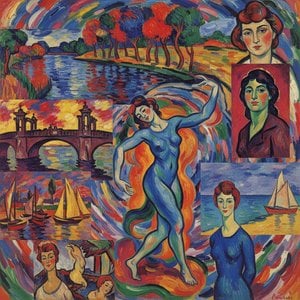
Топ-10 шедеврів Фавізму: Яскраві полотна, що змінили мистецтво | ArtsDot
Відкрийте для себе 10 шедеврів Фавізму від Матісса, Дерена та інших! Дізнайтесь історію яскравих полотен, що змінили мистецтво. Купуйте репродукції картин преміум-якості на ArtsDot.com.

Hubert Robert: Picturing Ruins, Preserving Memory – A Study of Romantic Antiquarianism & Artistic Innovation
Explore the captivating world of Hubert Robert, master of Romantic landscape painting & 'capriccio' ruins. Discover his historical context, artistic innovations, and collecting insights with ArtsDot.