


Картина відповідає вашим виборам: , .
Опис експоната
Discover 'Dead Crow' by Floris Verster – a striking Expressionist oil painting of a raven in flight. Explore its textured form & symbolic depth. A unique piece for art collectors.
Біографія митця
Відкрийте для себе Флоріса Верстера, майстра натюрмортів та пейзажів. Дослідіть його яскраві полотна та перехід від Гаагської школи до модернізму.
 Розгорнути текст
Замовте ваш у чотири прості кроки
Не поспішайте. Ви можете змінити будь-яку відповідь; ціна у вашій кошику буде оновлюватися відповідно до кожного вибору.
1 Перший крок із чотирьох
Який розмір ви бажаєте обрати?
Ці розміри зберігають пропорції оригінальної картини. На малюнку показано ваш вибір на стіні над двометровим диваном.
Або вкажіть власні розміри
Обирайте з наших стандартних розмірів, що відповідають оригінальним пропорціям твору мистецтва.

Введіть необхідну ширину та висоту, щоб картина підійшла до вашої рами або стіни. Оскільки це ручний розпис, для зміни пропорцій художник може дописати трохи більше по краях або дещо обрізати композицію — вибір за вами. Перед початком роботи ми надішлемо вам цифровий макет для затвердження. Зображення, показане на цій сторінці, не є реальним результатом — лише макет відображає майбутній вигляд.
2 Другий крок із чотирьох
Як його підготувати: у рулоні, на підрамнику чи в рамі?
Наведені нижче ціни вказані для розміру, обраного вами на першому кроці.
Оберіть тип країв натяжного полотна
Оберіть свою раму

Білий край ₴1

Розмитий край ₴1

З розширенням ₴1

P118B ₴10

P118H ₴10

P118W ₴10

P438Z ₴10

P508JH ₴12

P508YH ₴12

P805H ₴10

P805Z ₴10

P919BZ ₴10

P919G ₴10

P919XJ ₴10

P959ZH ₴10

P968JZ ₴12

W106C ₴8

W218G ₴10

W218JH ₴8

W218Y ₴10

W307PJ ₴10

W316G ₴10

W316PJ ₴8

W316Y ₴10

W398PJ ₴8

W4111J ₴10

W500HY ₴15

W500JH ₴15

W692G ₴12

W849H ₴8

W940BG ₴15

W953PJ ₴8

H24-GOLD ₴30

H24-SILVER ₴30

H36-GOLD ₴45

H36-SILVER ₴45
У рамі
Багет: . Загальний розмір із рамою: .
3 Третій крок із чотирьох
Бажаєте внести якісь зміни в картину?
Більшість людей відповідають «ні». Оскільки кожна картина створена вручну, наш художник також може адаптувати її для вас.
Після оформлення замовлення команда ArtsDot.com надішле клієнту електронний лист із запитом інструкцій та надасть попередній макет для перегляду
4 Четвертий крок із чотирьох
Кілька варіантів фінішного покриття
Усі вони є необов'язковими. Вибір уже вибраних варіантів не потребує додаткової оплати.
Хто автор?
Доставка по всьому світу () за 3–4 тижні замість стандартних 5 тижнів. (21 Листопад). Без жодних компромісів у якості.
Табличка, як у музеї?
Деталі гравірування на бронзовій табличці
This elegant plaque features the artist's name and the title of the artwork, finely engraved for a timeless presentation.
It is made from bronze with a refined, elegant finish. The text is precisely laser-engraved for a sharp and permanent result. Measuring 9x2 cm, the plaque is compact yet easy to read. It's built to be durable and scratch-resistant, offering a professional, museum-quality look. Mounting is simple thanks to the included adhesive backing.
Деталі прозорої акрилової таблички
The plaque includes essential engraved details such as the artist's name, the title of the artwork, the date it was created, the type of media used-like oil on canvas or watercolor-a brief description of the piece, and a QR code that links to the complete artwork information.
It is crafted from clear acrylic, offering a sleek, modern appearance. The text is UV-engraved in black to ensure strong visual contrast. With a size of 10x15 cm, it ensures optimal readability. It comes equipped with two metal hooks for secure wall mounting. The plaque is designed to be weather-resistant, making it suitable for various environments, and it includes interactive features that work seamlessly with smartphone scanning.
Деталі чорної акрилової таблички
This elegant plaque includes engraved information such as the artist's name, the title of the artwork, the date it was created, the type of media used (like oil on canvas or watercolor), a short description of the artwork, and a QR code for quick access to more information.
The plaque itself is made from refined black acrylic with a premium finish. The text is laser-engraved in white for high contrast and readability. Its size is 10x15 cm, designed to be easy to read. It comes with two metal hooks for professional mounting. The design is sleek and fits any interior style. It is also weather-resistant and durable, with built-in digital integration for mobile compatibility.
Захисний лак?
Коли вам це потрібно?
✓ Перевірити та замовити
Ваша картина, згідно із вашим замовленням

Dead Crow
Матеріал репродукції
Розмір репродукції
-

Видатний майстер-художник
Більше деталізації, витонченості та додаткового часу на створення твору
-

Рама для репродукції
-
-
Для творів мистецтва або репродукцій, розмір яких перевищує 105 см (приблизно 41 дюйм) з будь-якого боку, рама доставляється у вигляді розібраного комплекту. Такий метод гарантує безпечну доставку та запобігає пошкодженням під час транспортування.
Потребує професійного збирання — це не продукт для самостійного виготовлення (DIY).
Комплект має бути зібраний, а полотно натягнуте досвідченим майстром багетних робіт із використанням клейового дерева (не входить у комплект), щипців для натягування полотна та затискачів, щоб підрамник залишався рівним під час висихання клею. Неправильне збирання або нерівномірне натягування полотна може призвести до незворотного пошкодження твору мистецтва, що не підпадає під дію нашої гарантії.
 Для творів мистецтва або репродукцій, розмір яких перевищує 105 см (приблизно 41 дюйм) з будь-якого боку, рама доставляється у вигляді розібраного комплекту. Такий метод гарантує безпечну доставку та запобігає пошкодженням під час транспортування.
У комплект входять усі бруски з цільного дерева, точно вирізані за розміром.
Збирається за допомогою гвинтів, що входять до комплекту, а також клейового розчину для кутових з'єднань, який не входить до комплекту і має бути підготовлений вашим майстром.
Потрібні професійні інструменти, які не входять до комплекту: щипці для натягування полотна (натягувач) та затискачі, щоб утримувати рейки рівно під час висихання клею.
Важливо:
Для з'єднання кутів потрібен клей для дерева, перекладини необхідно затиснути струбцинами до повного висихання клею, а для натягування полотна на зібрану раму знадобляться щипці для натягування полотна. Жоден із цих інструментів не входить до комплекту. Будь ласка, проконсультуйтеся з досвідченим майстром багетного оформлення перед замовленням рами такого розміру.

Етикетка експоната
-
-

Захисний лак
Глянцевий лак (підсилює яскравість кольорів, захищає від світла та вологи)
-

Персоналізувати мій витвір
Приклади можливих змін: заміна обличчя на фото клієнта; додавання домашньої тварини (наприклад, заміна кота на собаку); додавання прихованого повідомлення на фоні; зміна пейзажу або елементів фону.
-

Прискорено
Доставка по всьому світу () за 3–4 тижні замість стандартних 5 тижнів. (21 Листопад). Без компромісів у якості.
-
Експрес-доставка
Доставка по всьому світу () протягом 5 тижнів. (28 Листопад).
Включено в ціну
Підсумкова вартість
₴ 11888
Скляний варіант доступний лише для розмірів до 110 см
До кожного замовлення додається
- Безкоштовна експрес-доставка по всьому світу
- Високоякісне лляне полотно
- Повне страхове покриття доставки
- Гарантія повернення митних зборів
- Гарантія точного відтворення кольорів
- Політика повернення протягом 100 днів (лише у разі виявлення дефектів)
- Гарантія повернення 100% коштів
- Пропозиція на оптові замовлення


 Переглянути в інтер'єрі
 Перейти до друку
 Надіслати як листівку
 Поділитися
 Деталі витвору
 Посібник

 Завантажити
 Схожі екземпляри
 Рентгенівське дослідження
 Слайд-шоу
 Питання та відповіді
 Статистика
Схожі твори мистецтва


Флоріс Верстер
1861 - 1927, Нідерланди
Біографія митця
Світловий перехід: Життя та мистецтво Флоріса Верстера
Народившись у світі, просякнутому мистецькою спадщиною, Флоріс Верстер вийшов з історичного міста Лейден як перетворювальна сила в нідерландському живописі. Його коріння було глибоко пов'язане з природою та мистецтвом; його батько, Абрахам Флорентіус Верстер ван Вулверхорст, був видатним вченим і художником-птахоподібним, що заклав фундамент прискіпливої спостережливості, яка згодом визначить майстерність самого Флоріса. Виростаючи в середовищі, де відзначалися найтонші деталі природного світу, Верстер рано розвинув чутливість до світла та форми. Його формальна освіта в Лейденській академії образотворчих мистеств під керівництвом Віллема ван Хаеккенс дала йому дисципліновану академічну суворість, проте його дух був занадто неспокійним, щоб бути обмеженим похмурими традиціями минулого.
Переїхавши до Королівської академії мистецтв у Гаазі, Верстер опинився в оточенні талановитого покоління, навчаючись пліч-о-пліч з такими світилами, як Джордж Гендрік Брейтнер та Айзек Ізраельс. Цей період став вирішальним у формуванні його творчої траєкторії. Спочатку його роботи відповідали стилістичним ознакам Гаазької школи, для якої були характерні приглушена палітра та фокус на тихому, часто меланхолійному реалізмі повсякденного нідерландського життя. Проте Верстер мав вроджену жагу до кольору, яку стримані тони його сучасників не могли задовольнити. Він почав дивитися за межі кордонів Нідерландів, знаходячи натхнення у вибуховій енергії Брюсселя та авангардному дусі групи Les Vingt. Цей вплив французьких майстрів, зокрема робіт Антуана Воллона та Теодуля Рібо, став каталізатором, що відштовхнув його від важких, темних тонів у бік більш експресивного, світлоносного підходу.
Симфонія кольору та текстури
Справжня магія опусу Верстера полягає в його здатності подолати прірву між класичною точністю та модерністською імпресіоністичною свободою. Його еволюція була не просто зміною сюжетів, а глибокою метаморфозою техніки. У період інтенсивних експериментів він відмовився від гладких поверхонь на користь більш тактильного, енергійного нанесення фарби. Він став майстром колоризму, використовуючи багатошарові лесування для створення поверхонь, що, здається, мерехтять внутрішнім світлом. Коли ми дивимося на його натюрморти з квітами, цей досвід стає майже сенсорним; можна майже відчути оксамитову важкість пелюстки троянди або прохолодну, вологу поверхню глиняного горщика. Він не просто малював квіти; він уловлював саму суть їхньої життєвої сили.
Ця майстерність безшовно переросла в його пейзажі, де він фіксував миттєві атмосферні нюанси нідерландського сільськогосподарського ландшафту. На відміну від статичних пейзажів попередньої епохи, краєвиди Верстера здаються живими, сповненими руху та світла. Його мазки, часто грубі та енергійні, слугують для передачі мінливої природи сонячного світла, що пробивається крізь хмари, або шелесту листя від легкого вітерцю. Цей стилістичний зсув дозволив йому досягти емоційного резонансу, що відгукувався змінам у світовідчутті на межі століть, роблячи його роботи важливою ланкою між реалізмом XIX століття та наростаючим модернізмом XX століття.
Спадщина та мистецька значущість
Протягом усієї своєї кар'єри здатність Верстера переосмислювати себе залишалася його найбільшою силою. Від ранніх днів академічного навчання до періоду спокійних крейдяних малюнків і, нарешті, до визнаного статусу майстра яскравого олійного живопису, він ніколи не припиняв досліджувати межі свого медіуму. Його внесок у нідерландське мистецтво позначений кількома ключовими досягненнями:
- Інновації в кольорі: Він вирвався з монохромних обмежень Гаазької школи, представивши блискучу, наповнену світлом палітру, що переосмислила нідерландський пейзаж та натюрморт.
- Технічна універсальність: Його вміння маніпулювати текстурою — від делікатних лесування до густих мазків імпасто — дозволило йому захопити як крихкість природи, так і її первісну могутність.
- Культурний міст: Він став ключовою постаттю у переході нідерландського мистецтва від традиційного реалізму до експресивної свободи сучасного імпресіонізму.
Сьогодні роботи Флоріса Верстера зберігаються у престижних колекціях, таких як Музей Кроллер-Мюллер, слугуючи незмінним свідченням його візії. Він залишається художником, який розумів, що щоб по-справжньому вшанувати природу, потрібно не лише спостерігати за нею з точністю, але й прославляти її з пристрастю. Його спадщина живе в кожній сяючій пелюстці та в кожному залитому сонцем полі, що він залишив по собі, нагадуючи нам про часи, коли мистецтво знаходило свій голос у танці між світлом і тінню.
Пов'язані статті
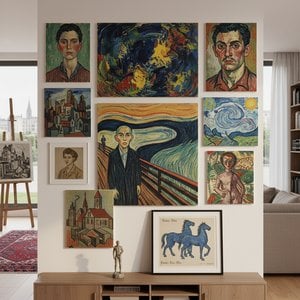
Топ-10 шедеврів експресіонізму: мистецтво емоцій та самовираження від ArtsDot
Пориньте у світ експресіонізму! Відкрийте 10 шедеврів Мунка, Ван Гога та інших геніїв. Історія мистецтва, емоції та кольори – все це на ArtsDot.com. Репродукції картин преміум-якості для вашого дому.

Clyfford Still's Abstract Expressionism: A Study of Color, Form & the Existential Landscape
Explore the profound world of Clyfford Still's Abstract Expressionism with ArtsDot. Discover his unique style, existential themes & investment potential. Expert analysis for discerning collectors.

Chromatic Tension and Distorted Forms: The Psychological Depth of the Expressionist Movement
Explore the psychological depth of Expressionism through masters like Munch and Kirchner. Discover the power of color and form today.