
- Додому

- Репродукція картини олією
- Ель Греко
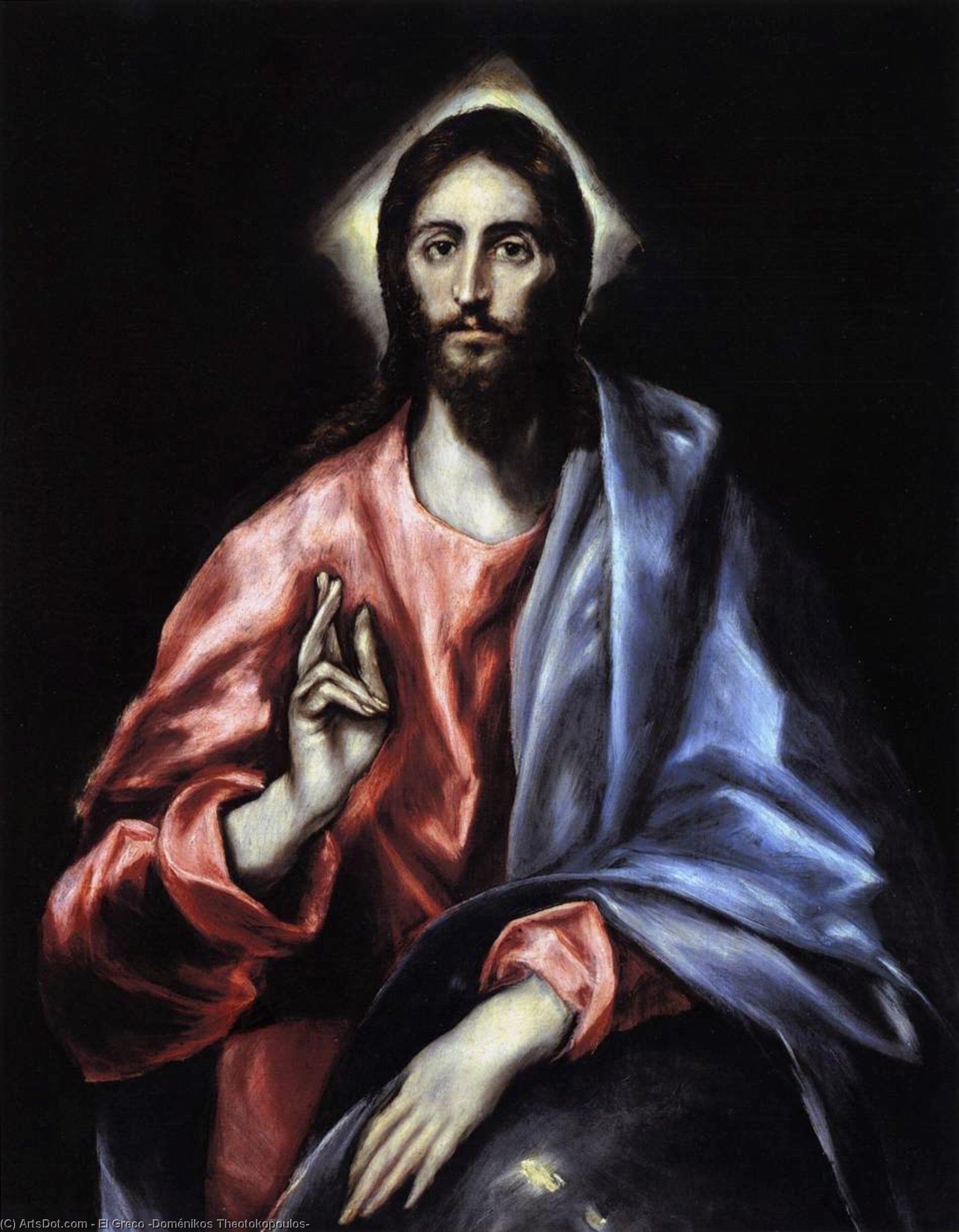
- Christ as Saviour
 Замовити друк Купити цифрове зображення
 Надіслати
 Поділитися
 Деталі витвору
 Додати до улюблених

 Завантажити
 Схожі вироби
 Рентгенівське дослідження
 Слайд-шоу
Christ as Saviour
 Акрил на полотні
- Настінний декор
- Baroque
 1610
1610- — Відродження
 99.0 x 79.0 cm
 Музей Ель Греко
 Розгорнути текст
Олійная репродукція ручної роботи
Написана вручну олією на полотні у вашому розмірі та рамі, виготовлена на замовлення нашими художниками.




P118B $10

P118H $10

P118W $10

P438Z $10

P508JH $12

P508YH $12

P805H $10

P805Z $10

P919BZ $10

P919G $10

P919XJ $10

P959ZH $10

P968JZ $12

W106C $8

W218G $10

W218JH $8

W218Y $10

W307PJ $10

W316G $10

W316PJ $8

W316Y $10

W398PJ $8

W4111J $10

W500HY $15

W500JH $15

W692G $12

W849H $8

W940BG $15

W953PJ $8




Обирайте з наших стандартних розмірів, що відповідають оригінальним пропорціям твору мистецтва.

Ви можете вказати власні розміри, щоб репродукція підійшла до конкретної рами або інтер'єру. Якщо вибраний вами розмір не відповідає пропорціям оригіналу, ми або обріжемо полотно, або доповнимо картину додатковими елементами, промальованими вручну. Цифровий макет буде надіслано вам на затвердження перед початком виробництва.
Зверніть увагу, що попередній перегляд на екрані не відображає фактичне обрізання або розширення зображення. Тільки макет точно покаже остаточну композицію.
Хоча ми можемо виготовити виріб у нестандартному розмірі, для збереження оригінальних пропорцій рекомендуємо обирати варіанти зі встановленого списку.
Після оформлення замовлення команда ArtsDot.com зв'яжеться з клієнтом електронною поштою для отримання інструкцій та надасть попередній макет
Доставка по всьому світу () за 3–4 тижні замість стандартних 5 тижнів. (21 Липень). Без жодних компромісів у якості.

Безкоштовна експрес-доставка по всьому світу

Високоякісне лляне полотно

Повне страхове покриття доставки

Гарантія відшкодування митних зборів

Гарантія точного відтворення кольорів

Політика повернення протягом 60 днів (лише у разі виявлення дефектів)

Гарантія повернення 100% коштів

Знижка на багатоелементні замовлення
 Скляний варіант доступний лише для розмірів до 110 см

Christ as Saviour
Матеріал репродукції
Розмір репродукції
-


Підсумкова ціна
-
Опис твору
Christ as Saviour by El Greco
Doménikos Theotokópoulos, universally known as El Greco (meaning “The Greek”), stands as one of the most singular figures in the history of Western art—a painter, sculptor, and architect who defied convention and forged a profoundly personal artistic vision. Born in Crete around 1541, under Venetian rule, El Greco’s early life was steeped in Byzantine traditions, shaping his formative training as an icon painter within the rigorous discipline of religious imagery and precise technique. This foundational influence would permeate his entire oeuvre, resulting in works that resonate with both spiritual depth and stylistic innovation.His journey to Italy around 1567 marked a pivotal moment, immersing him in the vibrant currents of Mannerism and Venetian Renaissance—movements characterized by dramatic poses, exaggerated proportions, and an exploration of psychological complexity. These influences coalesced into El Greco’s distinctive style: elongated figures rendered with luminous colors and imbued with an expressive dynamism that distinguishes him from his contemporaries.
- Style: Mannerist & Venetian Renaissance
- Medium: Oil on Canvas
- Dimensions: 99 x 79 cm
- Location: Museo de El Greco, Toledo, Spain
The Artistic Style of El Greco
El Greco’s artistic signature lies in his masterful manipulation of form and color. He achieved an unparalleled sense of movement through elongated figures—a technique that departs dramatically from the idealized proportions prevalent in Renaissance art—creating images brimming with emotional intensity. The artist's palette is equally remarkable, favoring vibrant hues—particularly reds, yellows, and blues—that heighten the dramatic effect and convey a palpable spiritual fervor. This stylistic boldness reflects El Greco’s desire to transcend mere representation, aiming instead for an evocative portrayal of inner experience.Consider the pose of Christ in Christ as Saviour—his outstretched hand signifies blessing or pointing towards salvation, juxtaposed against a dark background that amplifies the figure’s prominence and underscores its symbolic significance.
Historical Context and Significance
El Greco's artistic output coincided with the Counter-Reformation, a period of fervent religious revival in Europe following the Protestant Reformation. This context profoundly influenced his work—particularly his depictions of saints and biblical narratives—driving him to explore themes of faith, suffering, and redemption with uncompromising conviction. His paintings are not merely aesthetically pleasing; they serve as powerful expressions of spiritual belief.Furthermore, El Greco’s influence extends far beyond the confines of his time. He anticipated developments in modern art movements such as Expressionism and Cubism—artists who sought to convey emotion and psychological states through distorted forms and unconventional color schemes—demonstrating a visionary grasp of artistic possibilities that foreshadowed future trends.
Symbolism and Emotional Impact
The darkened background surrounding Christ’s figure in Christ as Saviour is deliberately symbolic—representing the obscurity of divine grace and highlighting the luminosity of Christ’s face as a beacon of hope amidst darkness. The artist's meticulous attention to detail—particularly in rendering the folds of Christ’s robe—contributes to the painting’s palpable sense of realism, grounding its spiritual message in tangible form.
Ultimately, Christ as Saviour remains a testament to El Greco’s artistic genius—a masterpiece that embodies his singular style and invites contemplation on the profound mysteries of faith.
- Featured Technique: Light and Shadow Manipulation
- Color Palette: Vibrant Reds, Yellows & Blues
- Symbolism: Divine Grace, Redemption
For those seeking to experience El Greco’s artistic legacy firsthand, reproductions of Christ as Saviour are available at Museo de El Greco in Toledo, Spain. Explore more about El Greco’s life and work on Wikipedia: Wikipedia.
Схожі витвори мистецтва


Біографія митця
Doménikos Theotokópoulos, Known As El Greco – “The Greek”
Doménikos Theotokópoulos, universally recognized as El Greco – “the Greek” – stands apart in the annals of European art history as a painter whose life and oeuvre defied easy categorization. Born in Crete, Greece (1541), under Venetian rule, his artistic journey traversed Venice and Rome before finding its ultimate expression in the spiritual heartland of Spain: Toledo. El Greco wasn’t merely shaped by these locations; he synthesized their diverse influences into an utterly distinctive style—one that foreshadowed the emotional fervor of Expressionism and the fragmented forms of Cubism centuries ahead of time. His formative years within Byzantine tradition instilled a meticulous attention to detail and a profound understanding of religious iconography, principles that would nevertheless propel him beyond conventional artistic boundaries. He signed his canvases in Greek, appending “Krḗs” – Cretan – as a defiant assertion of his heritage, even as he embraced new artistic horizons. The genesis of his singular style wasn’t solely rooted in technique but also nourished by the fervent religious climate of Crete and the rich tapestry woven by Venetian art masters like Titian and Tintoretto.A Venetian Apprenticeship: Absorbing Artistic Innovation
Around 1567, El Greco embarked on a transformative relocation to Venice—a move that irrevocably altered his artistic trajectory. Immersed in the pulsating artistic milieu of the Serenissima Republic, he diligently studied the luminaries of his era – Titian, Tintoretto, Veronese – absorbing their mastery of color palettes, compositional strategies, and dramatic lighting effects. He deliberately loosened his brushwork, embracing the sensual qualities inherent in oil paint and experimenting with techniques that would liberate him from rigid stylistic constraints. This Venetian influence is palpably present in early masterpieces such as *St. Sebastian* (1600), where anatomical precision harmoniously blends with theatrical illumination—a testament to El Greco’s ability to fuse meticulous observation with emotive expression. Furthermore, his exposure to Mannerism – a style characterized by elongated figures, distorted perspectives, and sophisticated arrangements – honed his artistic sensibilities and broadened his stylistic repertoire. While he demonstrated considerable talent within the competitive Roman art world, securing widespread acclaim proved elusive.Toledo: The Crucible of Spiritual Vision
His subsequent settlement in Toledo (1577) constituted a pivotal juncture in El Greco’s artistic evolution—a city steeped in religious fervor during the Counter- Reformation and ideally suited to nurture his profoundly spiritual canvases. This environment fostered both patronage and an atmosphere conducive to exploring themes of faith, mysticism, and transcendence. It was here that El Greco achieved his most enduring achievements, producing a series of paintings that solidified his reputation as one of Spain’s foremost artists—works imbued with an unparalleled emotional depth and stylistic originality. The monumental *Burial of the Count of Orgaz* (1586-1588), arguably his magnum opus, exemplifies these qualities spectacularly. This masterpiece seamlessly blends Byzantine artistic conventions with Venetian innovations, presenting a dramatic depiction of a miraculous event—the ascension of saints to bury a noble benefactor—with breathtaking realism juxtaposed against ethereal figures embodying divine intervention.A Style Defined By Distortion and Emotion
El Greco’s distinctive style is instantly recognizable—a stylistic hallmark that distinguishes him from his contemporaries. His depictions of human figures are frequently elongated, their bodies contorted in poses conveying intense spiritual ecstasy or profound anguish. This isn't merely a matter of artistic convention; it represents El Greco’s deliberate effort to transcend the limitations of representational art and capture the intangible realm of emotion and spirituality—a precursor to Expressionist sensibilities and Cubist fragmentation. He skillfully manipulated color—often employing hues that deviated dramatically from naturalistic palettes—to heighten the emotional impact of his compositions, mirroring the stylistic boldness championed by artists like Picasso and Braque. Moreover, dramatic lighting—characterized by stark contrasts between illumination and darkness—creates a theatrical atmosphere, drawing the viewer into the heart of the depicted narrative and amplifying its emotive resonance.Legacy: An Artist Ahead Of His Time
Despite encountering challenges securing recognition during his lifetime – largely due to stylistic divergences from prevailing artistic trends – El Greco’s legacy endured beyond his death in 1614. Artists like Picasso and Braque recognized him as a visionary forerunner of modern art, admiring his innovative use of form and perspective—elements that anticipated the aesthetic breakthroughs of subsequent generations. His expressive style resonated deeply with Expressionists who sought to convey emotional intensity through bold colors and dramatic compositions. Today, El Greco is revered as one of Spain’s most influential painters—a figure whose oeuvre continues to inspire awe and fascination, cementing his place among the titans of Western art history. His paintings transcend mere visual representation; they embody a profound spiritual quest—a testament to El Greco's unwavering conviction that art could illuminate the hidden depths of human experience and elevate consciousness toward transcendence.
Ель Греко
1541 - 1614 , Греція
Короткі факти
- Artistic Movement Or Style: Маньєризм, Бароко
- Artists Who Influenced This Artist:
- Тіціан
- Джентільєско
- Date Of Birth: 1541
- Date Of Death: 1614
- Full Name: Doménikos Theotokópoulos
- Nationality: Греко-Іспанія
- Notable Artworks:
- Похорон Графа Орґаза
- Вид Толедо
- Одягнення Христа
- Place Of Birth: Крит, Греція
Пов'язані статті

Топ-25 шедеврів Ель Греко: ікона живопису для вашого інтер'єру | ArtsDot
Відкрийте для себе 25 найзнаковіших шедеврів Ель Греко! Пориньте в світ іспанського живопису, манералізму та духовного мистецтва. Розкішні репродукції картин на ArtsDot.com – для вашого вишуканого інтер'єру. Дослідіть повну колекцію онлайн!

Клод Моне: Топ-25 шедеврів імпресіонізму для вашого дому | ArtsDot
Відкрийте для себе 25 найвідоміших шедеврів Клода Моне! Історія імпресіонізму, пейзажі, водні лілії та унікальні техніки живопису. Репродукції картин високої якості для вашого дому від ArtsDot.com. Дослідіть всю колекцію онлайн!

25 Шедеврів Національної Галереї Лондона: Мистецтво для Вашого Дому | ArtsDot
Відкрийте 25 шедеврів Національної галереї Лондона! Історія Ван Гога, Моне, Рафаеля та інших геніїв. Репродукції картин для вашого дому від ArtsDot – мистецтво, доступне кожному. Дослідіть колекцію онлайн!
Топ-25 шедеврів Музею образотворчих мистецтв Бостона: історія, краса та натхнення для вашого дому
Відкрийте для себе 25 найвідоміших шедеврів Музею образотворчих мистецтв Бостона! Історія Сарджента, Моне, Рембрандта та інших геніїв живопису. Надихніться для створення елегантного декору з ArtsDot.com – репродукції картин преміум-класу.

Топ-25 шедеврів Маріанни Норт: екзотична краса природи в інтер'єрі | ArtsDot
Відкрийте для себе 25 захопливих шедеврів Маріанни Норт! Екзотичні рослини, ботанічна ілюстрація та вікторіанський живопис в унікальних картинах. Придбайте репродукції високої якості для вашого інтер'єру на ArtsDot.com.



