
1

El boyaması yağlı boya reprodüksiyon fiyatları: $183 31 × 33 cm
El boyaması olarak edinin
Hikayesini okuyun

Kasım 2026 tarihinde güncellendi · popülerlik puanımıza göre sıralanmıştır (her bir eser için aramalar, ziyaretler ve siparişler) · 1 eser Peter Taylor kataloğumuzda
Özetle
İnsanların en çok bildiği Peter Taylor eseri Robert Burns, 1759 - 1796. Poet (1786) adlı tablodur ve bu eseri Edinburgh, İskoç Ulusal Portre Galerisi bünyesinde görebilirsiniz. Katalogumuzdaki Peter Taylor imzalı 1 eser arasından en çok bilinen 1 tanesi şunlardır. Her bir eserin yanında yapım yılı, bulunduğu müze ve onu öne çıkaran özelliklere dair kısa bir not yer almaktadır.
Bu sayfadaki tabloların büyük bir kısmına ev sahipliği yapan müze.
| Müzeler | Şehir | Peter Taylor Eserleri | Bu listedeki tablolar |
|---|---|---|---|
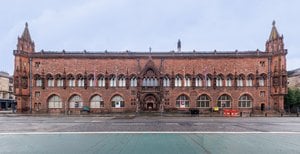 İskoç Ulusal Portre Galerisi |
Edinburgh | 1 | Robert Burns, 1759 - 1796. Poet |
Bu sayfadaki tarihli tüm Peter Taylor eserleri 1786 yılında yapılmıştır. En ünlü olanlardan başlayarak aşağıda bulabilirsiniz.
Eserleri görmek için bir yıl seçin.
Listenin başında Robert Burns, 1759 - 1796. Poet (1786) yer alıyor.
30 yaşında. Peter Taylor, 1756 yılında doğmuştur ve Robert Burns, 1759 - 1796. Poet, 1786 yılına aittir.
Kataloğumuzda Peter Taylor tarafından yapılmış 1 eser bulunmaktadır.
Çoğunu İskoç Ulusal Portre Galerisi (Edinburgh) içerisinde bulabilirsiniz. Yukarıdaki müze listesi tüm detayları içermektedir.
Evet. Bu sayfadaki her tablo, size uygun boyutlarda, el yapımı yağlı boya reprodüksiyon veya baskı olarak mevcuttur. Sipariş vermek için tablonun sayfasını açmanız yeterlidir.
Born in Edinburgh in 1756, Peter Taylor lived a life shaped by the practicalities of color and surface. He was a man of many trades, working as an interior decorator, a carriage painter, and a house painter. His hands were accustomed to the textures of walls and the smooth curves of transport, yet he found his way into the quiet intimacy of portraiture. He did not seek the grand scale of the academy, focusing instead on the small, the immediate, and the personal.
In the winter of 1786, a meeting at a dinner party changed the course of his small legacy. He met the poet Robert Burns, and the two shared breakfast together at Taylor's home in West Register Street. This proximity allowed for a rare kind of observation. Over three sittings, Taylor captured the poet's likeness in oil on a small panel. While other portraits of the time sought a polished ideal, Taylor’s work was noted for its resemblance to the man himself, capturing a specific air that others felt was true to the subject's character.
Beyond the canvas, Taylor looked toward the mechanics of industry. He sought to bring new methods of production to Scotland, specifically the manufacture of painted wax cloth. This was a practical endeavor, a way to create linen floor coverings that could withstand the wear of daily life. The Board of Manufactures recognized the utility of his work, granting him £100 toward the costs of his machinery and buildings in 1788.
The physical toll of his work and his health eventually led him away from the familiar streets of Edinburgh. He suffered from tuberculosis, a condition that forced a retreat to the south. He moved to Marseille, where he died in 1788, leaving behind a widow and an infant daughter. His life was a collection of small, industrious movements—from the decorative flourishes on a carriage to the careful application of oil on a small wooden panel.