Introduction: The Allure of Dramatic Art
 Wikipedia: Baroque
The Baroque (UK: bə-ROK, US: bə-ROHK, French: [baʁɔk]) is a Western style of architecture, music, dance, painting, sculpture, poetry, and other arts that flourished from the early 17th century until the 1750s. It followed Renaissance art and Manner...
From the earliest cave paintings to the grand frescoes of the Renaissance, humanity has been captivated by visual storytelling. Yet, it was during the Baroque period—roughly spanning the 17th and early 18th centuries—that this impulse reached a fever pitch. More than mere representation, Baroque art sought to overwhelm the senses, to provoke an emotional response, and to immerse the viewer in a world of heightened reality. This wasn’t simply about depicting scenes; it was about *experiencing* them. The era's tumultuous religious and political landscape fueled this dramatic shift, with artists becoming powerful instruments in conveying faith, authority, and the sheer weight of human experience.
Chiaroscuro & Emotional Intensity: A Defining Characteristic
 václav vavřinec reiner
Explore the dramatic Baroque paintings of Václav Vavřinec Reiner (Wenzel Lorenz Reiner). Known for intense emotion & chiaroscuro, his masterpiece 'Crucified' showcases Czech art history.
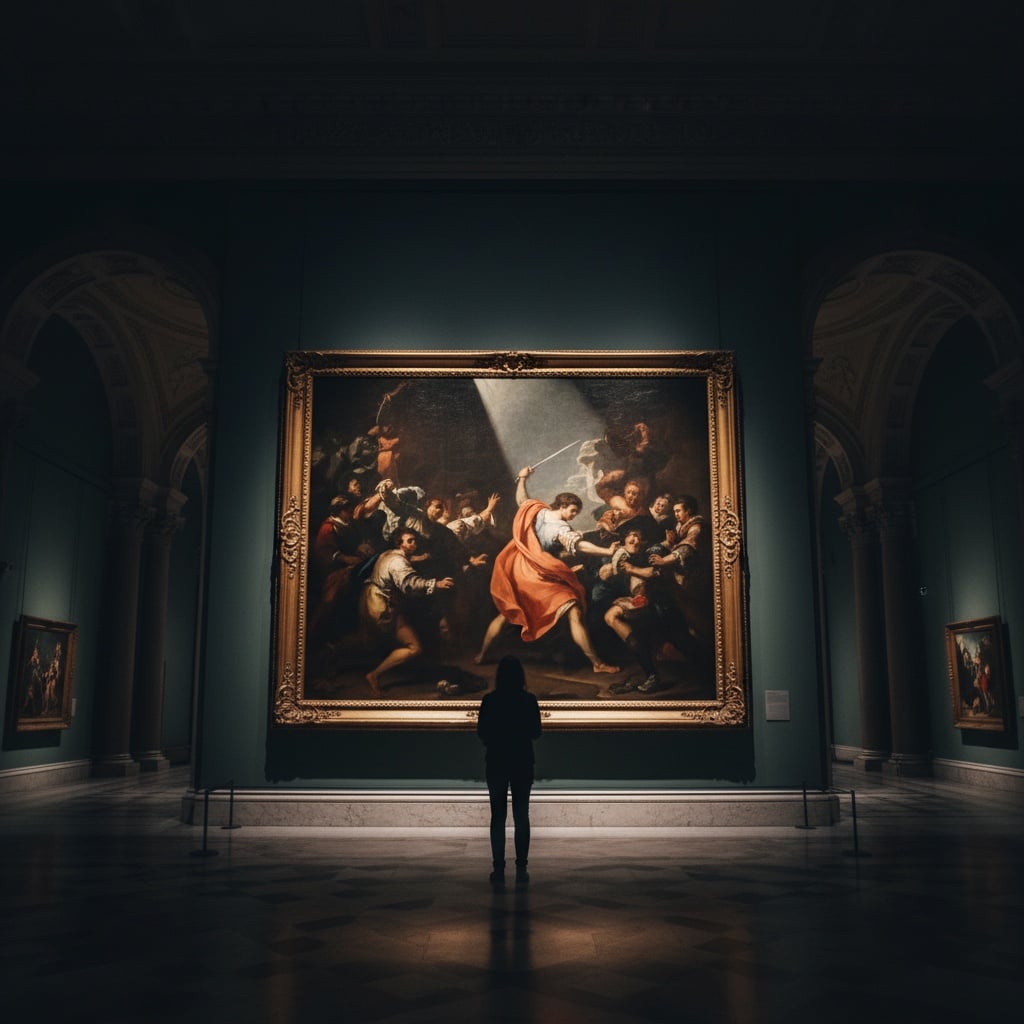
At the heart of Baroque drama lies chiaroscuro, the masterful interplay of light and shadow. Originating in Renaissance painting but reaching its zenith during this period, chiaroscuro wasn’t merely a technical skill; it was a language unto itself. Artists like Caravaggio didn't simply illuminate their subjects—they sculpted them with light, revealing inner turmoil, spiritual awakening, and the raw vulnerability of the human condition. The stark contrast between brilliantly lit areas and deep, enveloping darkness creates a sense of tension, drawing the eye to crucial details and amplifying emotional impact. This technique wasn’t confined to painting; sculptors like Gian Lorenzo Bernini employed similar principles, using light to define form and evoke a palpable sense of movement and emotion in marble.
Baroque Masters of Drama: Caravaggio, Giordano & Poussin
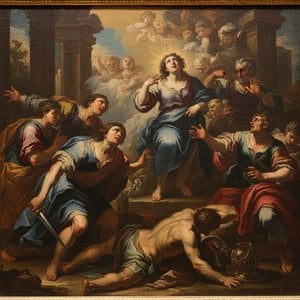
Few artists embody the spirit of Baroque drama quite like Caravaggio. His paintings—often depicting scenes from biblical life or everyday existence—are characterized by their unflinching realism and psychological depth. “The Calling of Saint Matthew,” for example, isn’t a serene depiction of divine intervention; it’s a gritty, visceral encounter in a dimly lit tavern, where the weight of faith hangs heavy in the air. Contrast this with the work of Luca Giordano, whose paintings like “La Mort de Seneque” showcase a different facet of Baroque drama – one filled with warm tones, expressive gestures and luminous color effects achieved through layering glazes. Giordano’s Seneca isn't simply dying; he is *suffering*, his body contorted in agony, surrounded by figures consumed by grief or detached contemplation. Nicolas Poussin, while also working within the Baroque framework, brought a more classical restraint to his compositions. His “Extreme Unction” demonstrates dramatic realism and emotional depth through masterful chiaroscuro, but with a greater emphasis on order and balance than Caravaggio’s often chaotic scenes.
Compositional Techniques for Heightened Impact
 The Allure of Focal Points in Art: Composition, Psychology & History
Explore the art of composition! Discover how focal points, visual hierarchy & chiaroscuro shape perception. Uncover historical techniques & psychological impact for a deeper understanding of masterpieces.
Beyond chiaroscuro, Baroque artists employed a range of compositional techniques to amplify the sense of drama. Dynamic compositions—often featuring swirling figures, diagonal lines, and asymmetrical arrangements—create a feeling of movement and energy. The use of foreshortening, perspective, and illusionistic space draws the viewer into the scene, blurring the boundaries between reality and representation. Artists frequently utilized quadro riportato, creating the illusion of framed paintings within larger compositions, adding layers of complexity and visual intrigue. The deliberate manipulation of focal points—often highlighted by intense light or vibrant color—guides the eye and emphasizes key narrative elements. This wasn’t simply about aesthetics; it was about controlling the viewer's gaze and directing their emotional response.
Beyond the Canvas: The Broader Influence of Dramatic Composition
The impact of Baroque dramatic composition extends far beyond the realm of painting and sculpture. Its influence can be seen in architecture, where grand facades, soaring domes, and opulent interiors were designed to inspire awe and reverence. Theatricality became a defining characteristic of the era, with elaborate stage sets, dynamic lighting effects, and emotionally charged performances captivating audiences across Europe. Even today, filmmakers and photographers draw inspiration from Baroque techniques, employing chiaroscuro, dynamic compositions, and emotional storytelling to create visually compelling narratives. The principles of visual hierarchy and focal points—so central to Baroque art—remain fundamental concepts in contemporary design and communication.
Conclusion: Embracing the Power of Visual Storytelling
The legacy of Baroque drama lies not simply in its technical brilliance or historical significance, but in its enduring power to move us. By embracing emotional intensity, masterful composition, and a profound understanding of human psychology, Baroque artists created works that continue to resonate with audiences centuries later. At ArtsDot.com, we are dedicated to making these masterpieces accessible, allowing you to experience the power of visual storytelling firsthand. Explore our collection of handmade oil paintings and museum-quality prints, and discover the captivating world of Baroque art for yourself.