


 Önizleme yap
 Paylaş
 Paylaş
 Detayları Gör

 İndir
İndir
 Benzerlerini gör
 X-Işını
 Slayt Gösterisi
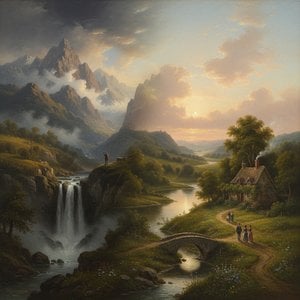
PAYSAGE GRAND CIEL


 Tümünü Gör
El Yapımı Yağlı Boya Reproduksiyon
Sanatçılarımız tarafından sipariş üzerine hazırlanan; istediğiniz boyut ve çerçevede, tuval üzerine el boyaması yağlı boya. ( Baskı satın al Görsel satın al)




P118B $10

P118H $10

P118W $10

P438Z $10

P508JH $12

P508YH $12

P805H $10

P805Z $10

P919BZ $10

P919G $10

P919XJ $10

P959ZH $10

P968JZ $12

W106C $8

W218G $10

W218JH $8

W218Y $10

W307PJ $10

W316G $10

W316PJ $8

W316Y $10

W398PJ $8

W4111J $10

W500HY $15

W500JH $15

W692G $12

W849H $8

W940BG $15

W953PJ $8




Eserin orijinal oranlarıyla uyumlu, önceden belirlenmiş boyutlarımız arasından seçim yapın.

Belirli bir çerçeveye veya alana uyması için kendi boyutlarınızı girebilirsiniz. Seçtiğiniz boyut orijinal görüntünün oranlarıyla eşleşmiyorsa, sanat eserini kırparak veya ek el boyaması öğelerle resmi uzatarak ayarlayacağız. Üretim başlamadan önce onayınız için dijital bir taslak gönderilecektir.
Lütfen ekrandaki önizlemenin gerçek kırpmayı veya uzatmayı yansıtmadığını unutmayın. Nihai kompozisyonu yalnızca hazırlanan taslak doğru şekilde gösterecektir.
Özel boyutlar mevcut olsa da, orijinal oranları korumak adına önceden tanımlanmış listeden bir boyut seçmenizi öneririz.
Siparişten sonra, ArtsDot.com ekibi talimatlar için müşteriye e-posta gönderecek ve bir taslak önizleme sunacaktır
Dünya Çapında Teslimat (); standart 5 hafta yerine 3/4 haftada. (12 Ağustos). Kaliteden ödün verilmez.

Dünya Çapında Ücretsiz Ekspres Kargo

Yüksek Kaliteli Keten Tuval

Tam Kapsamlı Nakliye Sigortası

Gümrük Vergisi İade Garantisi

Gerçek Renk Uyumu Garantisi

60 Günlük İade Politikası (Sadece Kusurlu Ürünler İçin)

%100 Para İade Garantisi

Toplu Alım İndirimi
 Cam seçeneği yalnızca 110 cm altındaki boyutlar için mevcuttur.

PAYSAGE GRAND CIEL
Reproduksiyon Tekniği
Reproduksiyon Boyutu
-


Toplam Tutar
$ 263
Eser Açıklaması
PAYSAGE, GRAND CIEL - Léon Riesener: Un Précurseur du Romantisme Coloré
Léon Riesener (1808 – 1878) occupe une place unique dans l'histoire de la peinture française romantique, reconnu non seulement pour son œuvre artistique mais aussi pour sa révolution intellectuelle : son exploration pionnière de la science des couleurs et son dévouement sans relâche à capturer la beauté essentielle de la nature avec une vivacité inégalée. Né dans une lignée artistique – son père, Henri-François Riesener, était lui-même peintre – Riesener fut imprégné dès son jeune âge par l’amour pour l'art visuel et déterminé à maîtriser cet artisanat avec une précision remarquable. Sa formation initiale sous Antoine-Jean Gros lui inculqua une compréhension approfondie des pratiques artistiques classiques et établit une base solide pour ses futurs travaux.Les Premières Influences Scientifiques : Avant Chevreul
Riesener démarqua les autres peintres de son temps par sa curiosité intellectuelle avant même la découverte scientifique révolutionnaire de Chevreul concernant la théorie des couleurs. Cette pensée novatrice alimenta sa quête incessante de perfection dans l'expression artistique, notamment dans la représentation du toucher humain – une véritable démonstration de sa sensibilité tactile et de son désir de transmettre réalisme. Il étudia avec minutie les œuvres de Rubens, Considéré comme « Shakespeare de la peinture », Riesener reconnaissait sa maîtrise exceptionnelle dans l’intégration d’émotions dans les récits visuels. Cette influence profonde façonna ses sensibilités artistiques, le guidant vers un style caractérisé par une lumière dramatique et une modélisation expressive.Rubensian Reverie : L'Émotion au Service de la Forme
Cette étude approfondie des principes fondamentaux du dessin et de l’anatomie lui permit d’acquérir une compréhension essentielle de la façon dont les artistes pouvaient traduire les sentiments dans leurs tableaux. Riesener admirait particulièrement Rubens pour sa capacité à donner vie aux personnages et à créer une atmosphère pleine d'énergie émotionnelle, une approche qui allait influencer son propre travail artistique. Il cherchait à émuler le style dramatique du peintre flamand, privilégiant la puissance émotionnelle à l’exactitude anatomique.La Recherche de la Couleur : Une Nouvelle Époque Artistique
Comme il avait prédéterminé Chevreul, Riesener était fasciné par les phénomènes scientifiques liés à la lumière et aux couleurs. Il analysait avec soin les œuvres des maîtres italiens tels que Titian, Veronese et Correggio, absorbant leurs stratégies compositives et maîtrisant leur utilisation magistrale des palettes chromatiques. Cette approche scientifique allait ouvrir la voie à une nouvelle esthétique artistique : l’impressionnisme. Riesener était convaincu qu'il fallait étudier les effets de lumière et les nuances de couleur pour saisir pleinement la beauté du monde naturel.Paysage et Lumière : Une Ode à la Tranquillité Naturelle
La peinture « Paysage, Grand Ciel » de Riesener incarne parfaitement cette philosophie artistique. Avec ses coups de pinceau libres et expressifs et sa maîtrise parfaite des effets atmosphériques, elle témoigne d’une sensibilité aiguë aux changements subtils de lumière et couleur qui caractérisent la nature quotidienne. Cette œuvre est une véritable invitation à contempler la beauté tranquille du paysage hivernal et à laisser la lumière douce et diffuse imprégner l'esprit. Une magnifique reproduction pour apporter une touche de romantisme élégant dans votre intérieur.


Sanatçı Özgeçmişi
Léon Riesener: A Pioneer of Romantic Color
Léon Riesener (1808 – 1878) stands as a singular figure in the burgeoning landscape of French Romantic painting, recognized not merely for his artistic output but also for his groundbreaking exploration into the science of color and his unwavering dedication to capturing the essence of nature with unprecedented vibrancy. Born into an artistic lineage—his father, Henri-François Riesener, was himself a painter—Léon’s formative years instilled in him a profound appreciation for visual artistry and propelled him toward mastering the craft from a young age. His early training under Antoine-Jean Gros solidified his understanding of studio practice and established a foundation for his future endeavors.- Early Influences: Riesener's artistic journey commenced with a meticulous study of tonal divisions, predating Chevreul’s scientific breakthrough into color theory by several decades. This intellectual curiosity fueled his pursuit of perfection in artistic expression, particularly concerning the depiction of skin texture—a testament to his tactile sensitivity and desire to convey realism.
- Rubensian Reverie: Riesener harbored an ardent admiration for Rubens, whom he considered “the Shakespeare of painting,” recognizing his masterful ability to infuse emotion into visual narratives. This influence profoundly shaped Riesener’s artistic sensibilities, guiding him toward a style characterized by dramatic lighting and expressive modeling.
- Scientific Exploration & Artistic Technique: Driven by scientific rigor, Riesener investigated the principles of color mixing and pigment dispersion—techniques that would later become integral to Impressionist painters like Monet and Renoir. He meticulously analyzed the works of Titian, Veronese, and Correggio, absorbing their compositional strategies and mastering their masterful use of color palettes.
The Pursuit of Authentic Representation
Riesener’s artistic vision centered on conveying “the heat of the day, the melancholy of the evening,” mirroring his fascination with capturing the subtleties of natural phenomena. Unlike many of his contemporaries who adhered to academic conventions—primarily focusing on idealized forms and muted tones—Riesener championed a bold approach characterized by pure colors and contrasting hues. He deliberately eschewed blacks and whites for shading, prioritizing visual impact over strict adherence to traditional methods. This revolutionary technique reflected his belief that art should strive for an honest portrayal of reality, mirroring the spirit of Impressionism.- Breaking Tradition: Riesener’s refusal to employ conventional contours—instead favoring shadows and modeling—represented a decisive departure from artistic dogma. He sought to emulate Rubens's expressive style, prioritizing emotional resonance over precise anatomical accuracy.
- Salon Resistance & Artistic Integrity: Riesener faced considerable opposition from Salon juries and the Institut de France during his lifetime, who deemed his experimental methods unacceptable. Despite these challenges, he remained steadfast in his commitment to artistic integrity, pursuing his vision with unwavering determination.
Notable Works & Legacy
Riesener’s oeuvre encompasses a diverse range of landscapes and genre scenes—particularly portraits imbued with psychological depth—demonstrating his versatility as an artist. Among his most celebrated paintings are “Fountain,” “Venus et Amour,” and “Léda”—each piece exemplifies his masterful blending of color and light, capturing the beauty of nature and exploring profound emotional themes. His work anticipates many developments in Impressionist painting, establishing him as a pivotal precursor to this influential artistic movement. Riesener’s enduring legacy resides not only in his individual artworks but also in his pioneering contribution to the advancement of color theory and his unwavering advocacy for authentic representation—a testament to his singular vision and lasting impact on art history.Further Exploration
You can find more information about Léon Riesener’s artistic achievements at The Art Institute of Chicago. Also, delve into Eugène Delacroix's portrayal of Riesener in “Léon Riesener (1808–1878)” on the Metropolitan Museum of Art’s website: The Metropolitan Museum of Art.
léon riesener
1808 - 1878
Kısa Bilgiler
- Artistic Movement Or Style: Romantic Painter; Impressionism precursor
- Artists Or Movements Influenced By This Artist: ['Impressionism']
- Artists Who Influenced This Artist:
- Rubens
- Titian
- Veronese
- Correggio
- Date Of Birth: 1808
- Full Name: Louis Antoine Léon Riesener
- Nationality: French
- Notable Artworks:
- Fountain
- Venus et Amour
- Léda
- Place Of Birth: France
İlgili Makaleler

Chromatic Harmonies & Discord: A History of Color Theory in Art
Explore the fascinating evolution of color theory in art history! Discover Impressionism, Neo-Impressionism & beyond with expert insights for collectors and enthusiasts. Learn about Seurat's techniques & the psychology of color.

John Henry Twachtman: Atmospheric Impressionism & the American Landscape
Explore the captivating landscapes of John Henry Twachtman, a pivotal American Impressionist & Tonalist painter. Discover his artistic evolution, key works, and lasting influence on early 20th-century art.
The Sublime and the Picturesque: Exploring Emotion & Nature in Romantic Landscape Painting
Explore the emotional power of Romantic landscape painting! Discover the sublime & picturesque aesthetics, key artists like Friedrich & Cole, and lasting influence on art history. Find your perfect piece at ArtsDot.

Thomas Girtin: Pioneering Atmospheric Landscapes & the Rise of Romantic Watercolour
Explore the captivating world of Thomas Girtin, a pioneer of Romantic watercolour painting. Discover his innovative techniques, key masterpieces & lasting influence on British art history. Learn about collecting Girtin's work today.

Louis Bosworth Hurt: Capturing Atmospheric Light in the Scottish Highlands
Explore the serene landscapes & majestic Highland cattle paintings of Louis Bosworth Hurt (1856-1929). Discover his mastery of atmospheric perspective and lasting legacy in British art. Learn more at ArtsDot.

