A Thousand Years Etched in Stone: Exploring Prague Castle
Prague Castle isn’t merely a landmark; it's a palimpsest of Central European history, etched over centuries onto stone and soaring spires. Rising majestically above the city, this sprawling complex—recognized as a UNESCO World Heritage site—stands as one of the largest ancient castle ensembles in the world, a testament to the enduring power of art, architecture, and political ambition. Founded in the 9th century, its story is inextricably linked with the fates of Bohemian kings, Holy Roman emperors, and the presidents who have guided Czechoslovakia and the Czech Republic through turbulent times. To wander within its walls is to traverse a thousand years, each era leaving an indelible mark on the castle’s evolving character. The very stones seem to whisper tales of defiance—perhaps recalling the dramatic Defenestrations of Prague, events that ignited conflicts and reshaped the course of European history.
The castle's narrative isn’t a simple progression through styles; it’s a vibrant conversation across time, where each era builds upon and reinterprets the legacy of its predecessors. The initial Romanesque foundations, sturdy and resolute, laid the groundwork for what would become an architectural symphony. As Bohemia transitioned into the medieval period, Prague Castle embraced the soaring grandeur of Gothic architecture, exemplified most dramatically by St. Vitus Cathedral. This breathtaking masterpiece dominates the skyline, a testament to human ingenuity and spiritual aspiration—a cathedral where light dances through stained glass windows depicting biblical narratives in hues of sapphire, ruby, and emerald. Later additions, reflecting Renaissance ideals of harmony and proportion, subtly interwoven with the Gothic’s dramatic verticality, demonstrate a remarkable understanding of visual balance. The castle's evolution is visible in every stone – from the robust Romanesque walls to the delicate tracery of the Baroque facades, each layer contributing to Prague Castle’s unique identity.
A Royal Tapestry: Dynasties and Transformations
Prague Castle has served as a stage for countless pivotal moments in European history. From the Přemyslid princes who first established its foundations to the Habsburg monarchs who ruled over vast territories, and later the Czechoslovakian leaders who navigated the complexities of 20th-century politics, the castle witnessed the rise and fall of empires and dynasties. The Old Royal Palace, with its grand halls and intricate frescoes, offers a glimpse into the opulent lives of Bohemian rulers – imagine the lavish banquets held within those walls, the weighty decisions debated in chambers adorned with tapestries depicting heroic battles and royal hunts. The Lobkowicz Palace, meticulously restored to its former glory, showcases the wealth and influence of one of Bohemia’s most prominent noble families, their collection of art spanning centuries—a window into a world of patronage and artistic taste. The castle's history is not just about stone and mortar; it’s about the people who shaped it, the events that unfolded within its walls, and the enduring legacy they left behind.
St. Vitus Cathedral: A Masterpiece of Gothic Art
At the heart of Prague Castle stands St. Vitus Cathedral, a monumental testament to Gothic artistry and spiritual devotion. Its soaring vaults, intricate ribbing, and colossal stained-glass windows create an atmosphere of awe and reverence. The cathedral’s construction spanned centuries, reflecting evolving artistic styles and religious beliefs. The Great East Window, one of the largest single-pane stained-glass windows in the world, is a breathtaking spectacle—a kaleidoscope of color depicting scenes from the Bible and the lives of Bohemian saints. Within its royal tombs lie the remains of Bohemian monarchs, including St. Wenceslas, the patron saint of Bohemia, whose legendary martyrdom is commemorated annually on December 26th. The cathedral’s interior is not merely a place of worship; it's a repository of Czech history and artistic achievement—a space where art, faith, and power converge.
Beyond the Cathedral Walls: A Diverse Ensemble
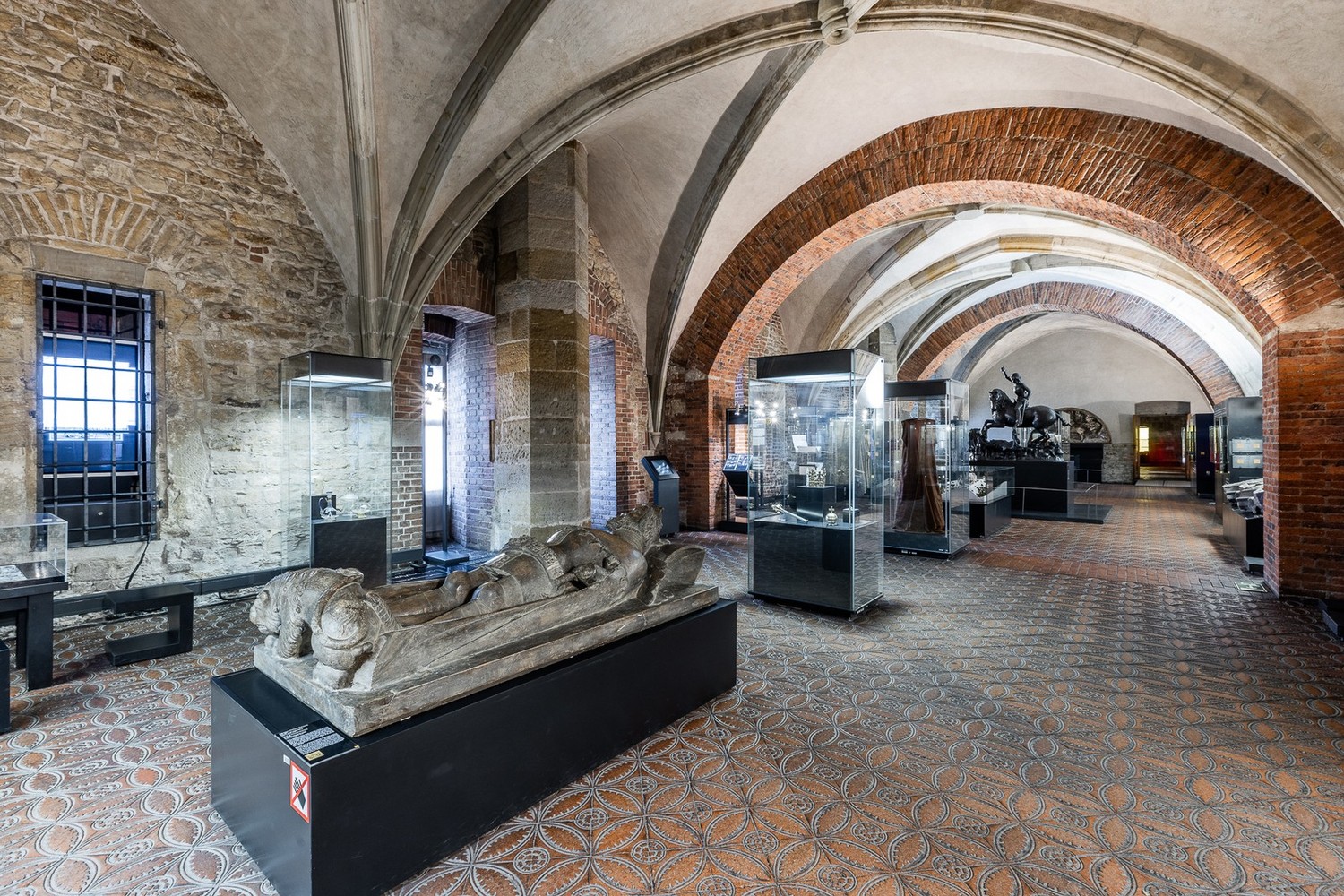
Prague Castle isn’t solely defined by its grandest structures. The Golden Lane, a charmingly diminutive street lined with tiny historic houses, offers a glimpse into daily life within the castle walls—once home to castle guards, goldsmiths, and even Franz Kafka. Explore the Royal Armoury, marveling at the dazzling display of ceremonial weapons and armor worn by Bohemian kings and emperors – symbols of their power and prestige. The Lobkowicz Palace, with its exceptional collection of Bohemian art, including panels by Jan Hus, provides a deeper understanding of the region’s cultural heritage. And don't miss the Secret Tunnel beneath St Vitus Cathedral, a fascinating glimpse into the castle’s hidden history—a subterranean passageway connecting the cathedral and Old Royal Palace, revealing a network of secret passages used for centuries. The castle complex also houses several gardens offering tranquil spaces for reflection, alongside various museums dedicated to specific aspects of its rich past.
Contemporary Echoes & Future Horizons
Today, Prague Castle continues to evolve as a vibrant cultural center. Regular concerts within St Vitus Cathedral showcase world-class music in an extraordinary setting, while ongoing exhibitions offer fresh perspectives on the castle’s rich history and artistic treasures. The castle complex is open daily from 6:00 AM to 10:00 PM (except December 24th and 25th), offering visitors a chance to explore its diverse spaces and immerse themselves in its timeless beauty. The castle remains a symbol of Czech identity, a testament to the resilience of its people, and a living monument to the enduring power of art and architecture.