Palazzo Quirinale - A Living Chronicle of Italian History
The Palazzo Quirinale breathes with Italian history—a palpable legacy etched into its stone walls and reflected in its sprawling gardens. Rising majestically upon the Quirinal Hill, Rome’s highest elevation, it stands as a testament to centuries of artistic patronage, political intrigue, and royal grandeur, now serving as the official residence of Sergio Mattarella, Italy's President. More than just a building, it’s an immersive experience transporting visitors back through time—a journey into the heart of the nation’s cultural heritage.
### Origins: From Papal Retreat to Ancient Roots
The Quirinal Hill has witnessed human habitation since antiquity; excavations have unearthed evidence of temples dedicated to deities like Flora and Quirinus dating back to Roman times. The current palace complex began construction in 1574 under Pope Gregory XIII, initially conceived as a summer retreat from the Vatican’s heat—a deliberate choice reflecting the papal desire for tranquility amidst the turbulent political landscape of the era. Domenico Fontana spearheaded the initial project, laying foundations for what would become an architectural marvel, skillfully blending Renaissance symmetry with Baroque embellishments. Subsequent rulers – Carlo Maderno and Gian Lorenzo Bernini – further refined its design, cementing its place as one of Rome’s most iconic landmarks.
### A Tapestry of Art and Architectural Grandeur
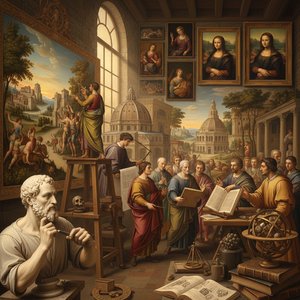
Stepping inside Palazzo Quirinale feels akin to entering a living museum—a space where architecture narrates a compelling story blending Renaissance symmetry with the dramatic flourishes of Baroque design. Vast halls unfold one after another, adorned with breathtaking frescoes and sculptures that chronicle Italy’s artistic evolution. The palace doesn't simply *house* art; it *is* art. Celebrated Italian masters have left their indelible mark on these walls, creating a visual feast for the discerning eye. Among the most renowned spaces is the Hall of Mirrors, a dazzling display of ornamentation and historical significance where echoes of past state occasions seem to linger in the air—a space designed to impress and inspire. Beyond these celebrated masterpieces lies a wealth of lesser-known treasures – historic furnishings, intricate tapestries depicting scenes from Roman mythology, and an exquisite collection of porcelain showcasing the opulent tastes of aristocratic families.
### Transformations Through Time: From Kings to Presidents
The Quirinal Palace’s history is inextricably linked to the shifting fortunes of Italy itself. For over three centuries, it served as a papal residence, witnessing the intrigues and splendor of the Catholic Church—a symbol of spiritual authority amidst political upheaval. With the unification of Italy in 1861, Palazzo Quirinale transitioned into a royal seat, becoming home to monarchs like Victor Emmanuel II and Umberto I – marking a pivotal moment in Italian history as it embraced national sovereignty. The palace adapted to its new role as a beacon of stability during periods of crisis—hosting dignitaries and celebrating momentous occasions throughout the 20th century. Finally, in 1946, Palazzo Quirinale became the official residence of Sergio Mattarella, Italy’s President – reaffirming its enduring legacy as a symbol of continuity and republican values.
### Gardens Offering Panoramic Vistas: A Tranquil Oasis Amidst Rome's Buzz
Beyond the opulent interiors, Palazzo Quirinale boasts beautifully maintained gardens that offer a tranquil escape from the bustling city below—spanning approximately four hectares, these verdant spaces are a testament to Italian landscape design. Geometric flowerbeds meticulously arranged alongside rare tree species create an atmosphere of refined elegance. The Fontana dell’Organo – a remarkable fountain featuring a still-functioning mechanical organ – adds a touch of whimsical charm and echoes the palace's musical heritage. From various vantage points within the gardens, visitors can enjoy breathtaking panoramic views of Rome—capturing iconic landmarks such as St. Peter’s Basilica and the Colosseum—providing an unforgettable perspective on Italy’s artistic and architectural grandeur. The changing of the guard ceremony performed by the Corazzieri – one of Rome's most prestigious armed escorts – accompanied by the Guardia di Finanza Band, is another spectacle that draws crowds and embodies the enduring traditions associated with this remarkable landmark.
### Contemporary Art: Dialogue Between Past and Present
Recognizing its importance as a cultural institution, Palazzo Quirinale continues to foster artistic dialogue—hosting exhibitions showcasing works by modern Italian artists alongside pieces from its historical collections. This ongoing project ensures that the palace remains relevant to contemporary audiences while honoring its rich heritage—demonstrating that art can transcend time and inspire new generations of visitors.