

Innehållsförteckning
Kort information
- Location: Versailles, Frankrike
- Alternate names:
- Musée National du Château
- National Museum of the Palace
- Palace of Versailles Museum
- Château de Versailles
- Château National de Versailles
- Movements:
- baroque classicism
- baroque rococo
- neoclassical style
- rococo elegance
- Mediums:
- akryl på duk
- olja på duk
- Mer…
- Featured artists:
- Jacques-Louis David
- Paolo Veronese
- Hyacinthe Rigaud
- Charles Le Brun
- François Lemoyne
- Art types: väggkonst
- Works on APS: 44
Konstquiz
Det finns endast ett korrekt svar på varje fråga.
A Symphony of Light and Power: Unveiling the Musée National du Château de Versailles
Stepping through the grand gates of the Château de Versailles is akin to entering a meticulously crafted dream—a realm where ambition, artistry, and centuries of French history intertwine in breathtaking splendor. More than just a palace, it’s a living testament to the nation's evolving identity, a stage upon which royal triumphs were celebrated, political machinations unfolded, and artistic movements blossomed. Within its gilded walls and meticulously sculpted gardens resides the Musée National du Château, an institution dedicated not merely to preserving art, but to fostering a profound understanding of France’s cultural soul. It’s a place where one can almost hear the echoes of courtly life, feel the weight of decisions made within its vast halls, and witness the sheer audacity of a vision brought to magnificent fruition—a space that continues to resonate with the power and beauty of an era.
The heart of the Musée National du Château lies in its extraordinary collection of over 800 paintings from the 17th century. These aren’t simply portraits; they are windows into the souls of French monarchs, offering intimate glimpses into their reigns and personalities. Imagine encountering Bernin's dramatic depictions of biblical scenes—a swirling vortex of movement and intense emotion, rendered with a theatrical flair that mirrors the Baroque style’s obsession with grandeur. Alongside these monumental works stand portraits by renowned artists like Nattier, capturing the elegance and power of Louis XIV’s court with an almost clinical precision, each brushstroke designed to project authority and grace. The sheer scale and technical mastery of these paintings—the layering of glazes, the subtle manipulation of light and shadow—are humbling, a testament to the artistic prowess of the era. They exemplify the Baroque style's relentless pursuit of illusionism, aiming to inspire awe and convey divine majesty through carefully orchestrated visual narratives. Consider also the works by Valentin de Boulogne, such as “David with the Head of Goliath and Two Soldiers,” a powerful depiction of heroism and faith that showcases the dramatic storytelling characteristic of the period.
Beyond the brushstrokes, Versailles’ allure extends far beyond its paintings. The museum boasts an impressive collection of decorative arts—a veritable treasure trove that reveals the daily lives and refined tastes of those who inhabited this opulent world. From intricately carved furniture crafted by master artisans – think ebony consoles inlaid with ivory, reflecting the sun in a dazzling display – to sumptuous textiles adorned with elaborate patterns depicting pastoral scenes and mythological tales, and exquisite porcelain meticulously painted with floral motifs, these objects aren’t mere decorations; they are windows into the daily rituals and values of the court. The furniture pieces, particularly those commissioned during Louis XIV's reign, exemplify the height of craftsmanship, utilizing precious materials like ebony, ivory, and gilded bronze—a deliberate statement of wealth and status. These details speak volumes about the meticulous attention to detail that defined an era, revealing a society obsessed with beauty, luxury, and the projection of power. The collection includes stunning examples of Gobelins tapestries, depicting historical events and allegorical scenes, showcasing the skill of French weavers.
The Architecture as Art: A Monumental Statement
Versailles’ Grandeur is inextricably linked to its architectural design. Originally conceived as a modest hunting lodge by Louis XIII, the château underwent a dramatic transformation under his successor, Louis XIV, into the opulent palace complex we know today—a testament to the power of vision and patronage. This evolution was spearheaded by the visionary architects Jules Hardouin Mansart and André Le Nôtre, who fundamentally reshaped a simple structure into a monumental statement of absolute monarchy and artistic innovation. Le Nôtre’s gardens are not merely landscaped; they are an extension of the palace itself—a harmonious blend of nature and human ingenuity, designed to evoke feelings of serenity, power, and divine order. The carefully placed fountains, geometric hedges, and strategically positioned trees create a sense of boundless space and controlled beauty, reinforcing the king's absolute authority. The entire complex is a masterclass in symmetry and proportion, reflecting the ideals of classical antiquity.
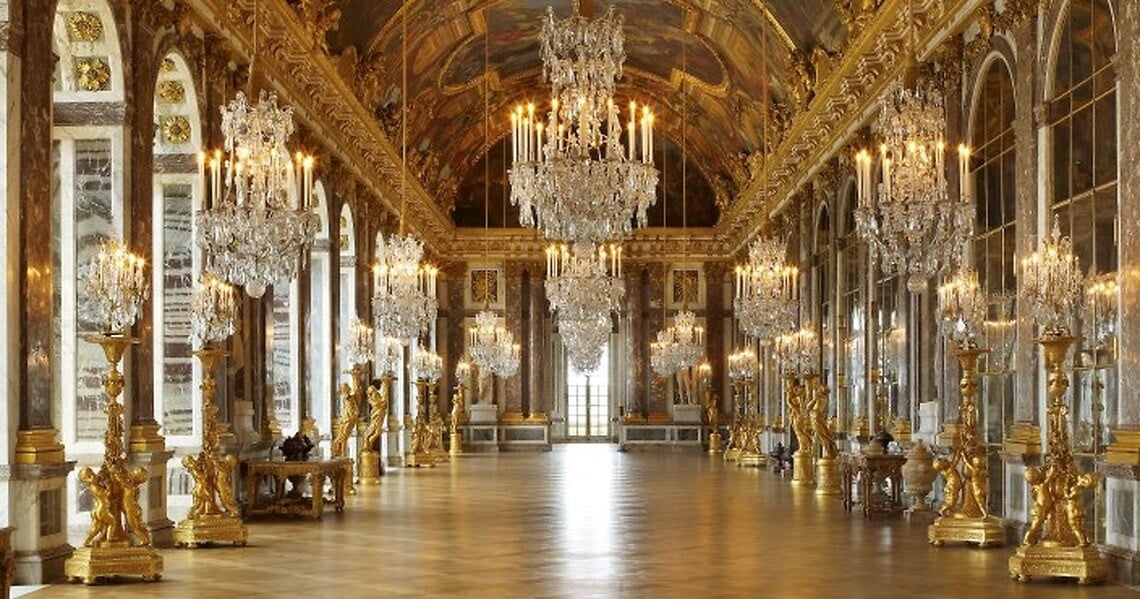
The Hall of Mirrors is undoubtedly one of the most iconic spaces within the Château, and its significance extends far beyond its dazzling reflection. Commissioned by Louis XIV, this vast chamber was designed to project an image of unparalleled magnificence—a deliberate tactic employed to showcase his power and influence across Europe. The mirrors, strategically placed along the walls, amplify the light streaming in from the windows, creating an illusion of limitless space and transforming the hall into a shimmering spectacle. The Galerie des Batailles, commissioned by Louis-Philippe to celebrate French military victories, is another highlight—a vast panorama of historical events rendered in vibrant color and dramatic detail, showcasing the nation’s triumphs and reinforcing its sense of national pride. These spaces aren't simply rooms; they are carefully constructed narratives, designed to impress, inspire, and solidify the monarchy’s legacy.
A Tapestry of History: From Royal Celebrations to Revolutionary Change
Versailles has witnessed pivotal moments in French history—lavish celebrations commemorating royal triumphs, clandestine meetings shaping political decisions, and ultimately, the dramatic events of the Revolution. The museum's existence itself reflects this complex narrative; its founding by Louis-Philippe aimed to preserve France’s national heritage and educate future generations about its artistic legacy. Recent exhibitions have further deepened our understanding of this rich history. “Versailles Revisited,” explored the palace’s influence on European artistic tastes during the Enlightenment, while "Marie Antoinette’s Legacy" offered poignant insights into the queen’s personal life and artistic sensibilities—revealing a woman far more complex than often portrayed. These curated experiences provide invaluable perspectives on French history and culture, revealing the intricate connections between art, power, and society.
Unique Perspectives & Ongoing Exploration
What truly distinguishes the Musée National du Château is its holistic approach to presenting French art history—from medieval tapestries depicting legendary tales to Impressionist paintings capturing fleeting moments of beauty—all within the breathtaking context of the château itself. Unlike museums that often focus on specific artistic movements or periods, Versailles offers a sweeping panorama of artistic evolution intertwined with the narrative of French royalty and nationhood. The setting amplifies this experience; contemplating artworks against the backdrop of architectural splendor and landscaped beauty elevates art beyond mere visual representation, weaving it into the very fabric of French history and culture. A visit to the Musée National du Château is not simply a museum tour; it’s an unforgettable journey through time, a celebration of artistic achievement, and a profound exploration of France’s enduring legacy. The museum continues to evolve with new exhibitions and research projects, ensuring that Versailles remains a vital center for understanding French culture and its impact on the world.
Relaterade artiklar

Gustave Loiseau: Capturing the Ephemeral Light of French Landscapes
Explore the captivating landscapes of Gustave Loiseau, a key Post-Impressionist painter. Discover his unique 'en treillis' technique and artistic legacy with our comprehensive guide.


Charles Le Brun: Master of French Baroque Classicism & His Enduring Legacy
Explore the life & art of Charles Le Brun, master of French Baroque Classicism. Discover his royal commissions, influence on Versailles, and enduring legacy through detailed analysis & stunning artworks.

The Weight of Power: Exploring Representations of Authority in Art History
Explore the fascinating history of power's visual representation in art. From Renaissance portraits to royal commissions, discover how artists shaped perceptions of authority and legacy. Expert analysis for discerning collectors.
Lista över konstverk



Prenumerera på vårt nyhetsbrev
Håll dig uppdaterad med de senaste konstnyheterna, exklusiva erbjudanden och inredningsidéer.
Få 3 kostnadsfria konstförslag
Berätta om ditt projekt så kommer våra konstexperter att ge dig 3 personliga konstförslag.
Not Sure Where to Start?
Let Us Curate 3 Options Just for You - Free!