

 Förhandsvisa
 Skicka
 Dela
Dela
 Visa detaljer

 Ladda ner
 Liknande objekt
 Röntgen
 Bildspel
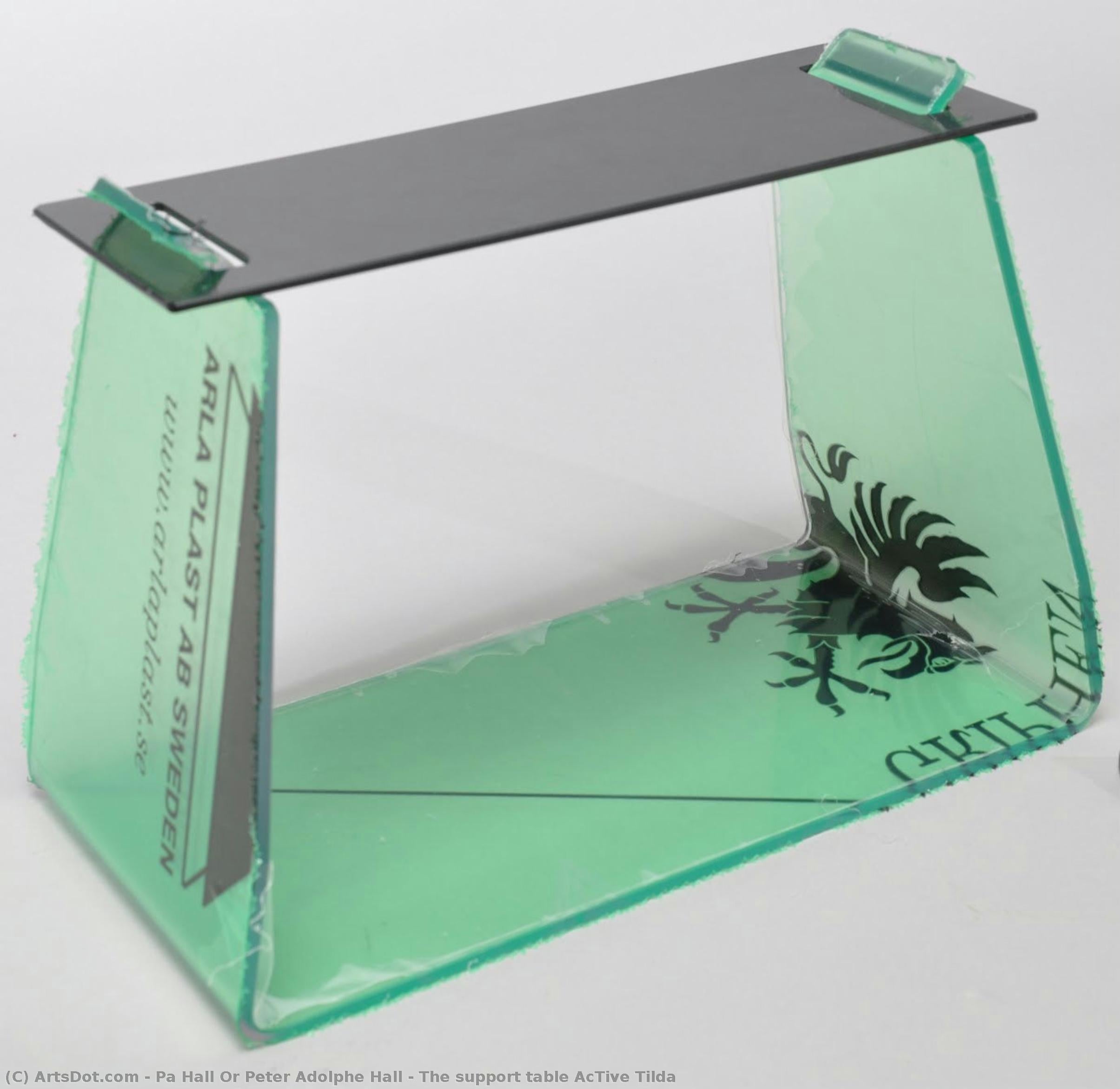
The support table AcTive Tilda


 Visa mer
Handgjord oljereproduktion
Handmålad olja på duk i din valda storlek och ram, tillverkad efter beställning av våra konstnärer. ( Beställ tryck Köp högupplöst bild)




































Välj bland våra förinställda storlekar som motsvarar konstverkets ursprungliga proportioner.

Du kan ange egna mått för att passa en specifik ram eller yta. Om den valda storleken inte matchar originalbildens proportioner kommer vi antingen att beskära konstverket eller utöka målningen med ytterligare handmålade element. En digital skiss skickas till dig för godkännande innan produktionen påbörjas.
Observera att förhandsvisningen på skärmen inte återspeglar den faktiska beskärningen eller utökningen. Endast skissen visar den slutgiltiga kompositionen korrekt.
Även om anpassade storlekar är möjliga, rekommenderar vi att du väljer en dimension från den fördefinierade listan för att bevara originalproportionerna.
Efter beställning kommer ArtsDot.com team att mejla kunden för instruktioner och tillhandahålla en skissförhandsvisning
Leverans över hela världen () på 3–4 veckor istället för standard 5 veckor. (16 augusti). Inga kompromisser med kvaliteten.

Fri expressfrakt över hela världen

Högkvalitativ linnecanvas

Fullständig fraktförsäkring

Garantier för återbetalning av tullavgifter

Garantier för exakt färgåtergivning

60 dagars returrätt (endast vid fabrikationsfel)

100% pengarna tillbaka-garanti

Mängdrabatt erbjuds
 Glasalternativet är endast tillgängligt i storlekar under 110 cm.

The support table AcTive Tilda
Reproduktionsmedium
Storlek på reproduktion
-


Slutgiltigt pris
$ 263
Beskrivning av konstverket
Liknande konstverk


Konstnärsbiografi
The Miniature Master: The Life and Legacy of Peter Adolphe Hall
In the delicate, intimate world of eighteenth-century portraiture, few names command as much quiet reverence as Peter Adolphe Hall. Born in Borås, Sweden, on February 23, 1739, Hall would eventually transcend his Scandinavian origins to become a defining figure of the French Rococo and Neoclassical transition. His journey from the Swedish provinces to the glittering courts of France is a testament to a singular talent that found its true expression in the smallest of scales. As a master of miniature painting, Hall possessed the rare ability to capture the profound psychological depth of his subjects within a frame no larger than a palm, turning tiny portraits into windows of immense emotional complexity.
Hall’s career was defined by a remarkable technical evolution that set him apart from his contemporaries. While many miniaturists of the era relied on soft, blended washes to achieve a smooth finish, Hall pioneered an innovative use of impasto. By applying thicker layers of paint, he introduced a tactile, sculptural quality to his work that allowed light to dance across the surface of the portrait. This technique breathed life into the textures of silk, lace, and skin, lending a startling realism to his depictions of the French nobility. His brushwork was not merely descriptive but transformative, imbuing each miniature with a luminous vitality that made the subjects appear as though they might step out from their ivory or vellum settings.
A Courtly Ascent and Artistic Triumph
The trajectory of Hall’s life took him to the heart of European high society, where his skill earned him the prestigious distinction of being a court painter to Louis XVI. This position placed him at the epicenter of cultural influence, allowing him to document the faces of an era on the precipice of monumental historical change. His work served as more than mere likeness; it was a sophisticated language of status and elegance. Through his portraits, one can observe the meticulous attention to the fashion and etiquette of the French court, rendered with a precision that captured both the outward splendor and the inward dignity of the aristocracy.
Beyond his technical prowess, Hall’s significance lies in his role as a bridge between artistic movements. His ability to blend the decorative charm of the Rococo with the emerging clarity and structure of Neoclassicism allowed him to remain relevant during a period of intense stylistic shifts. The achievements of his career are reflected in the enduring fascination with his miniatures, which continue to captivate collectors for their intimacy and brilliance. His life, which came to an end in Liège on May 15, 1793, marked the conclusion of a journey that had fundamentally reshaped the possibilities of the miniature medium.
Key Aspects of Hall's Artistic Contribution
To understand the enduring impact of Peter Adolphe Hall, one must consider the specific elements that defined his mastery:
- Technical Innovation: The pioneering use of impasto in miniature painting to create texture and light.
- Psychological Depth: A profound ability to capture the character and soul of his sitters within a tiny format.
- Historical Documentation: Serving as a vital visual chronicler of the French nobility during the reign of Louis XVI.
- Stylistic Versatility: Successfully navigating the transition from the ornate Rococo style to the more disciplined Neoclassical era.

pa hall or peter adolphe hall
1739 - 1793 , Sweden
Kortfakta
- Artistic Movement Or Style: Miniature painting, Rococo
- Date Of Birth: February 23, 1739
- Date Of Death: May 15, 1793
- Full Name: Pierre Adolphe Hall
- Nationality: Swedish-French
- Place Of Birth: Borås, Sweden
Relaterade artiklar

Verdant Visions: Exploring the Symbolism & Aesthetic Impact of Green in Art History
Explore the rich history & symbolism of green in art! Discover iconic paintings, techniques, and how to bring verdant harmony into your home with ArtsDot's expert guide.

Mästverk i Olivgrön Nyans: Topp 10 Kända Målningar för Hemmet & Konsten
Upptäck 10 ikoniska målningar dominerade av olivgröna nyanser! Fördjupa dig i konsthistoriens mästerverk – från Monet till Van Gogh. Hitta inspiration & köp museumkvalitativa reproduktioner på ArtsDot.com.

Acrylic Painting: A Comprehensive Exploration of Technique, History & Contemporary Applications
Explore the world of acrylic painting! Discover its rich history, essential techniques, contemporary applications & renowned artists. Expert guide for beginners to professionals.

Acrylic on Paper: A Modern Canvas for Contemporary Expression
Explore the versatility of acrylic painting on paper! Discover expert techniques, artist insights & archival practices for creating stunning contemporary art. Learn more at ArtsDot.

Topp 10 berömda målningar dominerade av 'Kadmiumgrön': Konst & Inredning
Utforska topp 10 berömda målningar dominerade av 'kadmiumgrön'! Lär känna Monet, Van Gogh & Cézanne – och deras mästerverk. Inspiration för konstälskare och inredning. Upptäck alla klassiska konsttryck på ArtsDot.com.

