
1

Rukom oslikana uljana reprodukcija od $175 31 × 33 cm
Nabavite ručno oslikano
Pročitajte priču o tome

Ažurirano: новембар 2026 · rangirano prema našem koeficijentu popularnosti (pretrage, posete i porudžbine za svako delo) · 1 dela Peter Taylor u našem katalogu
Ukratko
Najpoznatija slika koju je Peter Taylor stvorio je Robert Burns, 1759 - 1796. Poet (1786), a možete je videti u muzeju Scottish National Portrait Gallery, Edinburg. Od 1 dela umetnika Peter Taylor u našem katalogu, ovih 1 su najpoznatija. Svako od njih sadrži godinu nastanka, muzej u kojem se nalazi i kratak opis onoga što ga izdvaja.
1 muzeja u kojima se nalazi najviše slika sa ove stranice.
| Muzeji | Grad | Radovi umetnika Peter Taylor | Slike iz ovog spiska |
|---|---|---|---|
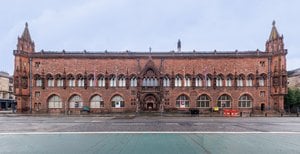 Scottish National Portrait Gallery |
Edinburg | 1 | Robert Burns, 1759 - 1796. Poet |
1786 je godina kada je svako datirano delo umetnika Peter Taylor na ovoj stranici nastalo. Evo ih, počevši od najpoznatijih.
Izaberite godinu da biste videli njena dela.
Na vrhu liste je Robert Burns, 1759 - 1796. Poet (1786).
30 godina. Peter Taylor je rođen/a 1756, a delo Robert Burns, 1759 - 1796. Poet datira iz 1786.
U našem katalogu se nalazi 1 dela umetnika Peter Taylor.
Većinu njih možete pronaći u Scottish National Portrait Gallery (Edinburg). Na spisku muzeja iznad nalazi se detaljan pregled.
Da. Svaka slika na ovoj stranici dostupna je kao ručno slikano ulje na platnu ili kao štampa, u veličini koja vam odgovara. Samo otvorite stranicu slike da biste izvršili porudžbinu.
Born in Edinburgh in 1756, Peter Taylor lived a life shaped by the practicalities of color and surface. He was a man of many trades, working as an interior decorator, a carriage painter, and a house painter. His hands were accustomed to the textures of walls and the smooth curves of transport, yet he found his way into the quiet intimacy of portraiture. He did not seek the grand scale of the academy, focusing instead on the small, the immediate, and the personal.
In the winter of 1786, a meeting at a dinner party changed the course of his small legacy. He met the poet Robert Burns, and the two shared breakfast together at Taylor's home in West Register Street. This proximity allowed for a rare kind of observation. Over three sittings, Taylor captured the poet's likeness in oil on a small panel. While other portraits of the time sought a polished ideal, Taylor’s work was noted for its resemblance to the man himself, capturing a specific air that others felt was true to the subject's character.
Beyond the canvas, Taylor looked toward the mechanics of industry. He sought to bring new methods of production to Scotland, specifically the manufacture of painted wax cloth. This was a practical endeavor, a way to create linen floor coverings that could withstand the wear of daily life. The Board of Manufactures recognized the utility of his work, granting him £100 toward the costs of his machinery and buildings in 1788.
The physical toll of his work and his health eventually led him away from the familiar streets of Edinburgh. He suffered from tuberculosis, a condition that forced a retreat to the south. He moved to Marseille, where he died in 1788, leaving behind a widow and an infant daughter. His life was a collection of small, industrious movements—from the decorative flourishes on a carriage to the careful application of oil on a small wooden panel.