Renesansni majstor Saksonije: Život i umetnost Lukasa Kranaha Starijeg
Lukas Kranah Stariji, rođen u Kronahu u Nemačkoj oko 1472. godine, predstavlja ključnu figuru nemačkog renesansnog doba. Njegov život se odvijao kroz period ogromnih religioznih i političkih previranja, a njegova umetnost postala je neraskidivo povezana i sa usponom protestantske reformacije i sa raskošnim dvorevima kojima je služio. Početno obučen od strane svog oca, Hansa Malera, Kranahov rani umetnički razvoj ostaje donekle obavijen misterijom, mada su uticaji južnonemačkih majstora očigledni u njegovom evoluirajućem stilu. Brzo se istaknuo ne samo kao vešt zanatlija, već kao umetnik sposoban da uhvati psihološku dubinu uporedo sa tehničkom preciznošću – vrlinama koje će ubrzo privući pažnju moćnih pokrovitelja. Godine 1504. stupio je u službu Fridriha III, elektora Saksonije, što je bio odnos koji će definisati veći deo njegove karijere i obezbediti mu stabilnost, ali i pristup uticajnim krugovima. Ovo imenovanje za dvorskog slikara u Vimbergu nije se odnosilo samo na stvaranje dekorativnih dela; ono je Kranaha postavilo u samo srce jednog od najtransformativnijih pokreta u evropskoj istoriji.Pokroviteljstvo, reformacija i umetnička inovacija
Kranahov položaj na saksonskom dvoru ispostavio se presudnim ne samo za njegov život, već i za njegov umetnički razvoj. On nije samo dokumentovao događaje; on je aktivno oblikovao vizuelne narative u vreme dubokih promena. Njegovo najtrajnije nasleđe je verovatno bliska povezanost sa Martinom লুterom, centralnom figurom protestantske reformacije. Kranah je stvorio čak jedanaest portreta লুtera, od kojih svaki nudi jedinstven uvid u ličnost reformatora i njegovu evoluirajuću ulogu. To nisu bili puki portreti; to su bile pažljivo konstruisane slike dizajnirane da projektuju autoritet, pobožnost i intelektualnu snagu – esencijalne osobine za vođu koji izaziva utvrđeni religiozni poredak. Pored portretistike, Kranah je preveo teologiju reformacije u vizuelni oblik, proizvodeći drvoreze i slike koje su široko širile protestantske ideje. Njegovi prikazi biblijskih scena udaljavali su se od tradicionalne katoličke ikonografije, naglašavajući direktnu interakciju sa Svetim pismom i podstičući intimniji odnos između vernika i vere. Obraćanje Joakimju, na primer, zrači radosnim duhom, odražavajući novi naglasak na individualnoj pobožnosti unutar reformisane crkve. Ovaj inovativni pristup protezao se izvan religioznih tema; Kranahove mitološke slike, poput prikaza Venere i drugih klasičnih figura, često su nosile alegorijske poruke relevantne za tadašnja politička i društvena pitanja.Dinastija radionice: Stil i tehnika
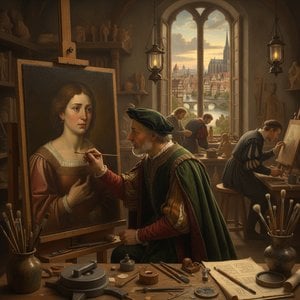
Lukas Kranah Stariji nije bio usamljeni umetnik koji radi u izolaciji. Vodio je izuzetno produktivnu radionicu, zapošljavajući brojne asistente i šegrte koji su značajno doprineli njegovom stvaralaštvu. Ovaj kolaborativni pristup značio je da su mnoga dela pripisana Kranahu zapravo nastala pod njegovim vođstvom ili od strane članova njegovog kruga – uključujući i njegovog sina, Lukasa Kranaha Mlađeg. Kranahova radionica postala je poznata po svom prepoznatljivom stilu: elegantnim figurama sa izduženim proporcijama, živopisnim bojama i pedantnom pažnjom posvećenom detaljima. Njegova tehnika uključivala je kombinaciju slikanja uljanim bojama, drvoreza i gravure, što mu je omogućilo da dopre do široke publike kako kroz originalna umetnička dela, tako i kroz pristupačnije printove. Lov na jelena elektora Fridriha III Mudrog predstavlja primer njegovog majstorstva u stilu severne renesanse, prikazujući detaljan realizam uporedo sa plemenitim simbolizmom. Kompozicija je dinamična, hvata energiju lova dok istovremeno prenosi moć i status elektora. Kranahova upotreba svetlosti i senke stvara osećaj dubine i atmosfere, uvlačeći posmatrača u samu scenu. Njegovi portreti su podjednako upečatljivi, karakterisani psihološkim uvidom i prefinjenom izvedbom.Nasleđe i trajni uticaj
Lukas Kranah Stariji umro je 1553. godine, ostavivši iza sebe izvanredno umetničko nasleđe koje i danas odjekuje. Bio je majstor portretistike, vešt tumač religioznih tema i lukav poslovni čovek koji je razumeo moć vizuelne komunikacije. Njegov rad ne samo da odražava kulturne i intelektualne struje svog vremena, već je pomogao i u njihovom oblikovanju. Kranahova radionica nastavila je da cveta i nakon njegove smrti, osiguravajući da se njegov stil i tehnike prenose generacijama. Njegov uticaj se može videti u delima brojnih umetnika koji su došli posle njega, a njegove slike ostaju izuzetno tražene od strane kolekcionara i muzeja širom sveta. Od kultnih portreta Martina লুtera do očaravajućih mitoloških scena, Kranahova umetnost nudi fascinantan prozor u svet nemačke renesanse – svet obeležen dubokim duhovnim ispitivanjem i umetničkom inovacijom. Njegova sposobnost da spoji religiozni žar, političku mudrost i umetnički talenat učvrstila je njegovo mesto kao jednog od najvažnijih umetnika svoje ere, a njegov doprinos nastavlja da inspiriše i očarava publiku i vekovima kasnije.Pitanja i odgovori
U kom gradu i državi je rođen/a Лукас Кранхен Старшиј?
Лукас Кранхен Старшиј je rođen/a u gradu Кронах, u državi Германија.
Gde je i kada je rođen/a Лукас Кранхен Старшиј?
Лукас Кранхен Старшиј je rođen/a u gradu Кронах godine 1472.
Otkud je Лукас Кранхен Старшиј?
Лукас Кранхен Старшиј je rođen/a u Германија.
Mogu li da istražim dela umetnika Лукас Кранхен Старшиј putem ključnih reči?
Radove umetnika Лукас Кранхен Старшиј možete istražiti putem ključnih reči na njegovoj stranici Preko ključnih reči. Svaka ključna reč grupiše srodna dela.
Mogu li da pregledam dela umetnika Лукас Кранхен Старшиј prema raspoloženju?
Radove umetnika Лукас Кранхен Старшиј možete pregledati prema raspoloženju na njegovoj stranici Soba raspoloženja, koja je organizovana tako da prikazuje dela prema njihovom raspoloženju.
Koliko je umetničkih dela autora Лукас Кранхен Старшиј dostupno za pregled?
Možete pregledati 893 dela umetnosti dela umetnika Лукас Кранхен Старшиј na stranici Sva umetnička dela.
Kako mogu da pronađem sva dela umetnika Лукас Кранхен Старшиј u određenom mediju?
Da biste pronašli sva dela umetnika Лукас Кранхен Старшиј u određenoj tehnici, posetite stranicu Svi mediji na profilu umetnika.