
- Početna

- Članci
- Decoding the Veil: Symbolism in Art – A Comprehensive Exploration of Meaning & Interpretation
Decoding the Veil: Symbolism in Art – A Comprehensive Exploration of Meaning & Interpretation
Sadržaj
Introduction: The Language of Symbols – Unveiling Hidden Narratives
As a literary device or artistic form, an allegory is a narrative or visual representation in which a character, place, or event can be interpreted to represent a meaning with moral or political significance. Authors have used allegory throughout his...
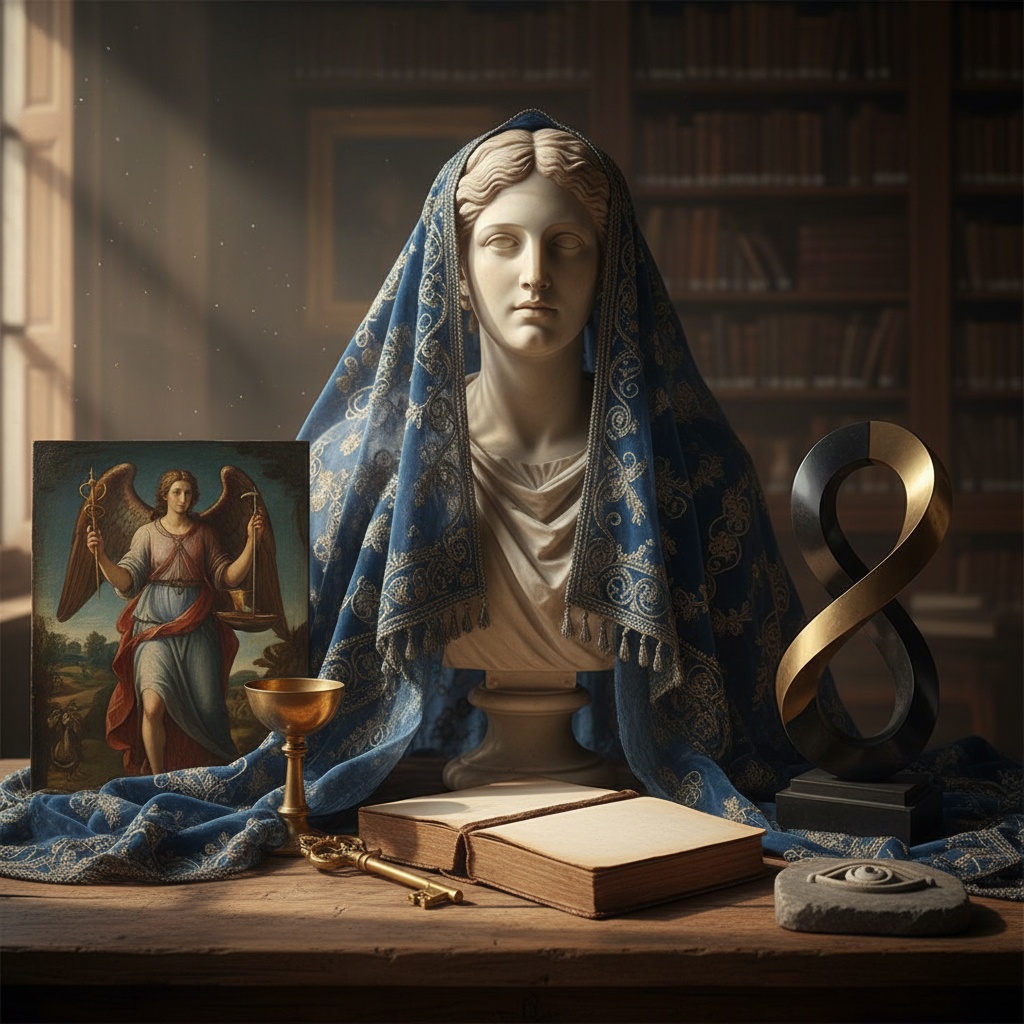
For centuries, artists have woven layers of meaning into their work, communicating not just what they *see*, but what they *know*—truths too complex for direct representation. This isn’t merely about depicting a scene; it's about constructing a visual language rich with symbolism, inviting us to decipher hidden narratives and explore the depths of human experience. The power of art lies in its ability to transcend literal interpretation, offering instead a realm where objects, figures, and colors resonate with deeper significance. To truly appreciate a masterpiece is to understand this symbolic vocabulary, to unlock the secrets embedded within brushstrokes and compositions.
The Historical Roots of Symbolism: From Ancient Myths to Renaissance Allegories
 The Seven Deadly Sins (detail) (10)
Explore Hieronymus Bosch’s "The Seven Deadly Sins" – a mesmerizing 1480 oil painting rich in symbolism & fantastical detail. Discover this Northern Renaissance masterpiece's unique style & moral allegory.
The impulse to imbue images with meaning stretches back to the earliest forms of artistic expression. Ancient civilizations—Egyptian hieroglyphs, Greek mythology, Roman iconography—all employed symbols to convey religious beliefs, historical events, and cultural values. However, it was during the Medieval period and particularly the Renaissance that symbolism flourished as a sophisticated system within Western art. Artists weren’t simply recreating reality; they were constructing allegories – visual narratives designed to teach moral lessons or explore philosophical concepts. Jan Provoost’s ‘Allegory of Christianity’ (1515) exemplifies this beautifully. A stunning Northern Renaissance oil painting, it's a complex composition teeming with detail, each element carefully chosen to represent aspects of the Christian faith. The meticulous rendering isn’t just about technical skill; it’s about creating a visual encyclopedia of belief, where every object—from the lilies symbolizing purity to the grapes representing the Eucharist—contributes to a larger theological message. This period saw a deliberate use of established symbols, understood by a literate audience steeped in religious and classical traditions.
Iconography vs. Symbolism: Defining the Terms and Their Interplay in Art History
While often used interchangeably, iconography and symbolism represent distinct yet interconnected approaches to meaning-making in art. Iconography is essentially the identification, description, and interpretation of *subjects* within an artwork—recognizing a saint, a mythological figure, or a specific historical event. It’s about ‘what’ is being depicted. Symbolism, on the other hand, delves into the deeper significance of those subjects – what they represent beyond their literal form. A lion, for example, might be iconographically identified as a regal animal; its symbolism could encompass courage, power, or even Christ himself. The two work in tandem: iconography provides the foundation for understanding the symbolic layer. Consider Hieronymus Bosch’s ‘The Seven Deadly Sins.’ Identifying each sin—gluttony, greed, lust, etc.—is an act of iconography. But truly appreciating the painting requires deciphering the bizarre and fantastical imagery used to *symbolize* those sins – the grotesque creatures, distorted landscapes, and unsettling scenarios that reveal Bosch's moral commentary on human failings.
Animals as Symbols: A Bestiary of Meaning Across Cultures & Eras
 Animalia: Exploring the Enduring Presence of Animals in Art & Interior Design
Explore the rich history of animal symbolism in art, from ancient mythology to modern masterpieces. Discover how animals have inspired artists for centuries and learn how to incorporate these powerful motifs into your home décor.
Throughout art history, animals have served as potent symbols, embodying a diverse range of qualities and beliefs. From ancient Egypt’s sacred cats representing grace and protection to the Christian dove symbolizing peace and the Holy Spirit, the animal kingdom has provided artists with a rich source of metaphorical imagery. The lion, as mentioned earlier, frequently represents royalty and strength; snakes often signify temptation or danger; owls embody wisdom and knowledge. These associations aren't arbitrary—they stem from observed behaviors, cultural myths, and religious beliefs. Even seemingly innocuous animals can carry profound symbolic weight. The humble lamb, for instance, traditionally represents innocence and sacrifice. Exploring these animal motifs reveals a fascinating interplay between the natural world and human perception, demonstrating how artists have used creatures to convey complex ideas about morality, spirituality, and the human condition. ArtsDot offers a wide selection of paintings where animals play key symbolic roles, allowing viewers to explore this rich tradition firsthand.
The Rise of Modern Symbolism: Exploring the Unconscious and Emotional Landscapes
Symbolism was a late 19th-century art movement of French and Belgian origin in poetry and other arts seeking to represent absolute truths symbolically through language and metaphorical images, mainly as a reaction against naturalism and realism. In l...
The 19th century witnessed a deliberate shift towards symbolism as a reaction against the realism and naturalism that had dominated much of the art world. Artists began to reject literal representation in favor of exploring subjective experiences, dreams, and the unconscious mind. This movement, known simply as Symbolism, sought to represent “absolute truths” through language and metaphorical images. Artists like Gustave Moreau and Odilon Redon embraced fantastical imagery and evocative colors to create works that were less about depicting reality and more about evoking emotions and psychological states. The focus shifted from established religious or mythological narratives to personal symbolism—artists creating their own unique visual languages to express inner worlds. This paved the way for later movements like Surrealism, which further explored the power of dreams and the subconscious through bizarre juxtapositions and illogical compositions.
Interpreting Symbolic Art: A Guide to Decoding Visual Clues & Contextual Understanding
Deciphering symbolic art isn’t about finding a single “correct” answer; it's an ongoing process of observation, research, and interpretation. Begin by carefully examining the artwork—identifying the subjects, colors, and compositions. Consider the historical context: when was it created? Where? What cultural beliefs were prevalent at the time? Researching the artist’s life and influences can also provide valuable insights. Pay attention to recurring motifs or symbols – are there any patterns that emerge? Remember that symbolism is often layered and multifaceted—a single object can carry multiple meanings depending on the context. Finally, trust your intuition. Art is meant to evoke emotion and provoke thought; allow yourself to connect with the artwork on a personal level and explore what it means *to you*. ArtsDot provides detailed information about each painting, including historical background and artistic techniques, empowering viewers to embark on their own journey of discovery.
Povezani članci

Unveiling Hidden Meanings: Allegory in Western Art History
Explore the rich history of allegory in Western art! Discover hidden meanings in masterpieces from Giotto to Bosch & beyond. Expert insights for collectors and enthusiasts at ArtsDot.


Decoding the Veil: Symbolism in Art – A Comprehensive Exploration of Meaning & Interpretation
Explore the rich world of art symbolism! Uncover hidden meanings in masterpieces from Renaissance allegories to modern movements. A comprehensive guide for enthusiasts & collectors.

