

18th Century Masters: 10 Artworks That Define an Era | ArtsDot
Sadržaj
Introduction
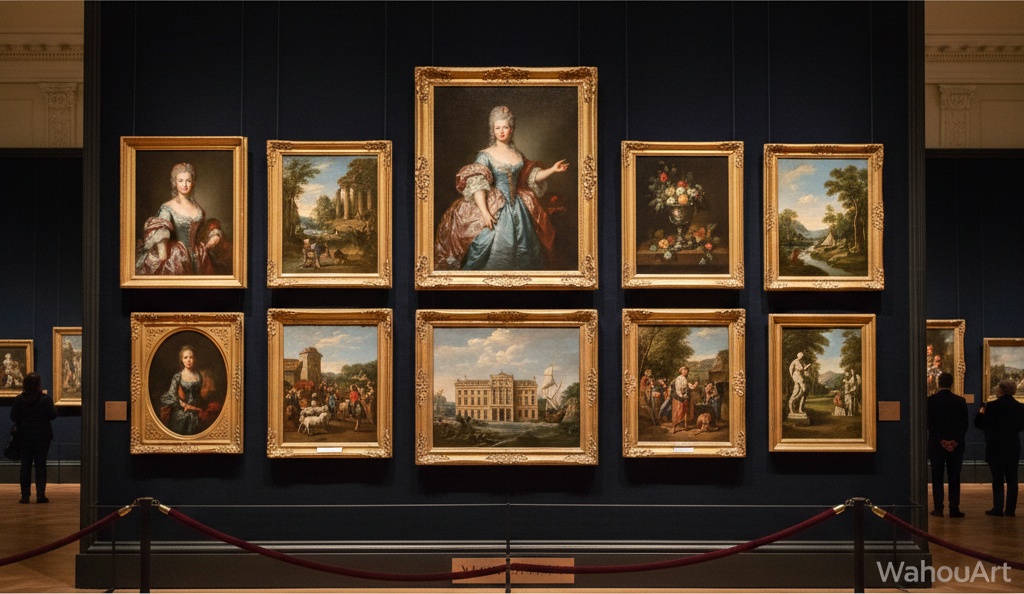
Step into a world bathed in powdered wigs, rococo flourishes, and the burgeoning ideals of Enlightenment thought. The 18th century—a period spanning roughly from 1700 to 1799—was an era of dramatic shifts: reason challenged tradition, empires expanded and crumbled, and art became a powerful mirror reflecting both opulence and unrest.
This was a time when the aristocracy reveled in lavish displays of wealth and refined taste, commissioning portraits that immortalized their status and elegance. Simultaneously, artists began to explore themes of morality, social justice, and the human condition with increasing depth. From the playful scenes of Fragonard to the revolutionary fervor captured by Goya, the 18th century offered a rich tapestry of artistic expression.
The artworks born from this period weren’t merely decorative; they were statements—about power, about belief, and about the changing world. They documented scientific discovery, philosophical debate, and political upheaval. They captured fleeting moments of beauty alongside profound anxieties about the future.
Today, these paintings continue to resonate because they grapple with universal human experiences: love, loss, ambition, and the search for meaning. They offer a glimpse into a pivotal moment in history—a time when the foundations of modern society were being laid. They remind us that art is not simply about what is depicted, but how it’s depicted, and the stories those depictions tell.
Join us as we embark on a journey through ten exceptional artworks that encapsulate the spirit of the 18th century—each piece a window into the lives, beliefs, and passions of a bygone era. Prepare to be captivated by masterpieces that continue to inspire, provoke, and move us centuries later.
The Embarkation for Cythera (detail) - - Jean-Antoine Watteau
 The Embarkation for Cythera (detail) - - Jean-Antoine Watteau
Imagine a gentle breeze rustling through silk gowns, the scent of saltwater mingling with perfume… Jean-Antoine Watteau’s The Embarkation for Cythera (detail) isn't simply a painting; it’s an invitation to a dream. This fragment of a larger masterpiece captures a moment of exquisite longing and playful anticipation as figures prepare to depart for the mythical island of love, Cythera.
Watteau’s genius lies in his ability to evoke emotion through delicate brushstrokes and a luminous palette. The soft pinks, blues, and golds create an atmosphere of ethereal beauty, while the graceful poses and ambiguous expressions hint at both joy and melancholy. Notice the playful interaction with the small dog – a charming detail that adds to the scene’s intimacy.
This work is quintessential fête galante —a genre Watteau invented, depicting aristocratic revelry in idyllic landscapes. But beneath the surface of carefree pleasure lies a deeper contemplation on love, desire, and the fleeting nature of happiness. The painting isn't just about where they’re going; it’s about the bittersweet moment of leaving one world behind for another.
Bringing a reproduction of The Embarkation for Cythera into your home invites a similar sense of tranquility and romance. It’s a piece that encourages reflection, sparks conversation, and adds a touch of timeless elegance to any space—a reminder of the enduring power of beauty and the allure of the unknown. Explore other 18th century paintings for more inspiration.
Agriculture - Francisco José de Goya y Lucientes
 Agriculture - Francisco José de Goya y Lucientes
Francisco de Goya’s Agriculture is more than a depiction of rural life; it's a quiet meditation on harmony and the enduring connection between humanity and nature. Painted during a period of growing unrest in Spain, this circular canvas offers a poignant glimpse into a world seemingly untouched by turmoil—a testament to the simple joys found in agrarian existence.
What sets Agriculture apart is Goya’s masterful use of light and color. The warm ochres and browns create an atmosphere of intimacy, drawing us into the scene as if we were sharing a peaceful moment with these figures. Notice the gentle exchange between the man and woman—a subtle gesture laden with affection and gratitude.
This work marks a pivotal transition in Goya’s style, foreshadowing his later Romantic explorations. While rooted in Rococo elegance, it possesses a depth of emotion and psychological insight that sets it apart. It's not merely about *what* is depicted—two people beneath a tree—but *how* it’s depicted: with tenderness, dignity, and a profound respect for the natural world.
Bringing Agriculture into your home invites a similar sense of tranquility and contemplation. It's a piece that encourages reflection on our own connection to nature and the importance of human relationships—a timeless reminder of the beauty found in simplicity. Explore other 18th century paintings for more works celebrating this era’s unique spirit.
Times of the Day, Noon - William Hogarth
 Times of the Day, Noon - William Hogarth
Step into the bustling heart of 18th-century London with William Hogarth’s Times of the Day, Noon . This isn't simply a painting; it’s a vibrant snapshot of life unfolding on the streets—a chorus of merchants, pedestrians, and everyday interactions captured with remarkable detail.
Hogarth’s genius lies in his ability to transform seemingly ordinary scenes into compelling narratives. The monochromatic palette and meticulous rendering draw us into the energy of the city, inviting us to observe the lives of those who inhabited it. Notice the subtle social commentary woven throughout—a glimpse into the complexities of class and community.
This work earned its place among the Top 10 for its groundbreaking realism and insightful portrayal of urban life. Hogarth redefined beauty not as idealized perfection, but as honest observation—capturing the grit, charm, and humanity of his time. It’s a testament to the power of art to reflect society and provoke thought.
Bringing a reproduction of Times of the Day, Noon into your home is like inviting a piece of history into your space. It's a conversation starter, a window into another world, and a reminder of the enduring spirit of human connection. Explore other 18th century paintings to curate a collection that celebrates this era’s unique energy.
Portrait of Charle IV of Spain - Francisco José de Goya y Lucientes
 Portrait of Charle IV of Spain - Francisco José de Goya y Lucientes
A gaze that holds both power and a subtle weariness… Francisco de Goya’s Portrait of Charles IV of Spain is not simply an image of royalty; it's a profound exploration of the burdens of leadership and the anxieties hidden beneath a gilded facade.
Painted in 1789, this masterpiece transcends traditional court portraiture. Goya doesn’t offer us a triumphant king, but a man grappling with responsibility—a figure whose stern expression hints at the weight of an empire. The rich palette and meticulous detail are captivating, yet it's Charles IV’s eyes that truly draw you in.
This work earned its place among the Top 10 for Goya’s revolutionary honesty. He dared to portray a monarch not as an idealized symbol, but as a complex human being—a subtle critique of power and perception that resonated throughout Europe. The imposing landscape behind him mirrors the challenges inherent in governing Spain, adding another layer of depth.
Bringing a reproduction of Portrait of Charles IV into your home is like inviting a moment of quiet contemplation into your space. It’s a piece that encourages reflection on leadership, responsibility, and the human condition—a timeless reminder of the complexities of power. Explore other 18th century paintings to discover more works that challenge and inspire.
The Greasy Pole - Francisco José de Goya y Lucientes
 The Greasy Pole - Francisco José de Goya y Lucientes
Unveiling a scene brimming with life and subtle commentary… Francisco de Goya’s The Greasy Pole is more than just a depiction of a village fair; it's a captivating exploration of human ambition, social dynamics, and the precarious pursuit of success.
Part of Goya’s ambitious tapestry cartoon series, this work earned its place among the Top 10 for its innovative approach to storytelling. The towering pole—a metaphor for any challenging endeavor—becomes a stage for observing different approaches to achieving goals. Notice the dynamic composition and vibrant palette that capture both the energy of the crowd and the individual struggles unfolding before us.
Goya’s masterful use of light and shadow draws our attention to the figures reaching for the flag, while the horse in the background adds an unexpected touch of humor. It's a scene brimming with life—a fleeting moment captured with remarkable skill and insight.
Bringing a reproduction of The Greasy Pole into your home is like inviting a conversation starter into your space. It’s a piece that encourages reflection on our own ambitions, the challenges we face, and the enduring human spirit—a timeless reminder of the beauty found in both striving and observing. Explore other 18th century paintings to discover more works celebrating this era’s unique energy.
Second stage of cruelty - William Hogarth
 Second stage of cruelty - William Hogarth
A stark reflection on a society’s conscience… William Hogarth’s Second Stage of Cruelty is not merely an engraving; it's a chilling indictment of 18th-century England, confronting viewers with the brutal realities of public punishment and societal indifference.
This work earned its place among the Top 10 for its unflinching honesty and powerful social commentary. The meticulous detail—from the agony on the whipped man’s face to the apathy in the crowd—creates a deeply unsettling yet profoundly thought-provoking scene. Hogarth masterfully uses line and shadow to draw our attention to the central act of cruelty, forcing us to confront uncomfortable truths.
Beyond its historical significance, Second Stage of Cruelty speaks to timeless questions about justice, compassion, and the normalization of violence. It’s a piece that challenges us to examine our own societal norms and consider the consequences of indifference.
Bringing a reproduction of this engraving into your home is an invitation to engage in meaningful dialogue—a reminder of the importance of empathy and social responsibility. Explore other 18th century paintings to discover more works that challenge and inspire.
The Theft of a Watch - William Hogarth
 The Theft of a Watch - William Hogarth
A fleeting moment of deception captured with remarkable precision… William Hogarth’s The Theft of a Watch is more than just a depiction of petty crime; it's a meticulously crafted moral fable that offers a captivating glimpse into the social anxieties of 18th-century London.
This work earned its place among the Top 10 for Hogarth’s unflinching realism and sharp eye for detail. The dynamic composition—a bustling room filled with figures caught in moments of surprise, accusation, and quiet contemplation—draws us into a world where trust is fragile and appearances can be deceiving.
Hogarth masterfully uses light and shadow to highlight the central drama unfolding before us: the furtive snatching of a watch. It’s a scene that speaks to timeless questions about honesty, integrity, and the consequences of our actions.
Bringing a reproduction of The Theft of a Watch into your home is like inviting a conversation starter into your space—a reminder of the enduring power of art to reflect society and provoke thought. Explore other 18th century paintings to discover more works that challenge and inspire.
Duchess of Alba - - - Francisco José de Goya y Lucientes
 Duchess of Alba - - - Francisco José de Goya y Lucientes
A gaze that transcends time… Francisco de Goya’s Duchess of Alba is more than just a portrait; it's an intimate encounter with Spanish aristocracy at the cusp of change. This arresting image captures the essence of its subject—a woman radiating power and quiet dignity.
This work earned its place among the Top 10 for Goya’s masterful blend of classical restraint and burgeoning Romanticism. The dark dress, meticulously trimmed with vibrant red accents, speaks of wealth while her posture conveys a subtle mystery. Notice how the light pools around her face, drawing attention to her eyes—a captivating invitation into her private world.
Goya’s loose brushstroke and expressive technique reveal his growing confidence and willingness to experiment. It's a departure from traditional court portraiture that speaks to his unique vision and artistic genius.
Bringing a reproduction of Duchess of Alba into your home is like inviting a moment of regal grace into your space—a timeless reminder of the enduring power of beauty and the complexities of human emotion. Explore other 18th century paintings to discover more works that challenge and inspire.
David Garrick with His Wife Eva-Maria Veigel La Violette - William Hogarth
 David Garrick with His Wife Eva-Maria Veigel La Violette - William Hogarth
Imagine a quiet moment shared between two celebrated artists—a glimpse into their private world… William Hogarth’s David Garrick with His Wife Eva-Maria Veigel La Violette is more than just a portrait; it's an intimate and remarkably honest depiction of Georgian London society.
This work earned its place among the Top 10 for Hogarth’s ability to capture character, not merely appearances. The warm palette—ochres, browns, and subtle greens—creates an atmosphere of comfortable sophistication, while the dynamic between Garrick and Veigel is captivating. Notice how he portrays them engaged in lively conversation, radiating genuine affection.
Hogarth’s meticulous detail—from the folds of their clothing to the arrangement of books on the desk—distinguishes him from many Rococo contemporaries. It's a scene that speaks to timeless questions about love, companionship, and the enduring power of art.
Bringing a reproduction of this painting into your home is like inviting a moment of quiet intimacy into your space—a reminder of the beauty found in genuine connection. Explore other 18th century paintings to discover more works that challenge and inspire.
Page from a sketchbook 27 - George Romney
 Page from a sketchbook 27 - George Romney
To hold a fragment of an artist’s thought… George Romney’s Page from a Sketchbook 27 offers a rare glimpse into the creative process of a leading British portraitist. This isn't a finished masterpiece, but rather a collection of dynamic figure studies—a window into the mind of an artist at work.
This piece earned its place among the Top 10 for revealing the raw energy and spontaneity that underlies even the most refined works of art. The rapid, gestural lines prioritize capturing form and movement over meticulous detail, offering a sense of immediacy rarely found in formal portraits.
Notice the limited palette—primarily browns and beiges—which emphasizes line and form rather than vibrant coloration. It’s a subtle yet powerful reminder that artistry begins with observation and exploration. The overlapping figures evoke a feeling of creative energy, inviting us to witness Romney's hand at work.
Bringing a reproduction of this sketchbook page into your home is like inviting a moment of artistic inspiration into your space—a timeless testament to the power of sketching and the beauty found in process. Explore other 18th century paintings to discover more works that challenge and inspire.
Conclusion
As we close our journey through these ten remarkable canvases, it’s clear that the 18th century was a period of profound artistic and intellectual ferment—a time when artists dared to challenge convention, explore new emotions, and capture the complexities of the human experience.
These paintings are not merely relics of a bygone era; they are living presences that continue to move hearts, shape interiors, and inspire creativity today. From Hogarth’s satirical social commentaries to Goya’s intimate portraits, each work offers a unique window into a world both familiar and distant.
At ArtsDot.com, we believe that the power of art lies in its ability to transcend time and connect us to something larger than ourselves. That's why every reproduction is meticulously hand-painted by skilled artists who honor the original’s soul and detail—ensuring that each brushstroke captures the emotion and texture of the masterpiece it seeks to recreate.
We invite you to continue exploring the beauty and wonder of the 18th century with our full collection . May these timeless works inspire your own creative journey and bring a touch of elegance and sophistication to your home.
Povezani članci

Reflections of an Age: Social Commentary & Artistic Representation in 18th-Century Society
Explore the social commentary & artistic representation of 18th-century society. Discover Rococo masterpieces, portraiture's power, and shifting historical perspectives. Expert insights for art lovers.

Illuminating the Enlightenment: Art & Sociopolitical Context of the 18th Century
Explore the art of the Enlightenment! Discover Rococo's elegance, Neoclassicism’s virtue, & David’s revolutionary masterpieces. Uncover the sociopolitical context shaping 18th-century European painting.

Illuminating the Enlightenment: A Comprehensive Exploration of 18th-Century Painting
Explore the captivating world of 18th-century painting! Discover Rococo's playful elegance & Neoclassicism’s Enlightenment ideals with expert insights into Fragonard, David, and more. A comprehensive guide for art enthusiasts.

