
Prometheus Bound

- 243.0 x 162.0 cm


Slika prati vaše izbore: , .
Opis predmeta
Experience Thomas Cole's "Prometheus Bound," a dramatic Romantic masterpiece depicting the Titan’s chains and defiance against Zeus. A powerful allegory of struggle, freedom, and nature’s majesty.
 Pročitaj više
Biografija umetnika
Osnivač škole Hudson River i autor dela The Oxbow. Istražite njegove romantične pejzaže i alegorijske majstorstva već danas.
Naručite svoj u četiri jednostavna koraka
Ne žurite. Možete promeniti bilo koji odgovor; cena u vašoj korpi se ažurira nakon svakog izbora.
1 Prvi od četiri koraka
Koju veličinu želite?
Ovi formati zadržavaju proporcije originalnog slikarskog dela. Crtež prikazuje vaš izbor na zidu, iznad dvometarske garniture.
Ili unesite sopstvene dimenzije
Izaberite jednu od naših unapred definisanih veličina koje odgovaraju originalnim proporcijama umetničkog dela.

Unesite potrebnu širinu i visinu kako bi se slika uklopila u vaš ram ili zid. Pošto je ovo ručno oslikano delo, umetnik može za dimenzije drugačijeg oblika naslikati malo više prostora oko slike ili malo skratiti ivice — izbor je na vama. Pre početka rada, poslaćemo vam digitalni prikaz radi potvrde. Slika prikazana na ovoj stranici ne predstavlja konačan rezultat — samo digitalni prikaz pokazuje stvarnu sliku.
2 Drugi od četiri koraka
Na koji način želite da bude pripremljeno: u rolni, na platnu ili u ramu?
Cene u nastavku odnose se na dimenziju koju ste izabrali u prvom koraku.
Izaberite ivice platna
Izaberite svoj okvir

Beli rub дин1

zamrljene ivice дин1

Prošireno дин1

P118B дин10

P118H дин10

P118W дин10

P438Z дин10

P508JH дин12

P508YH дин12

P805H дин10

P805Z дин10

P919BZ дин10

P919G дин10

P919XJ дин10

P959ZH дин10

P968JZ дин12

W106C дин8

W218G дин10

W218JH дин8

W218Y дин10

W307PJ дин10

W316G дин10

W316PJ дин8

W316Y дин10

W398PJ дин8

W4111J дин10

W500HY дин15

W500JH дин15

W692G дин12

W849H дин8

W940BG дин15

W953PJ дин8

H24-GOLD дин30

H24-SILVER дин30

H36-GOLD дин45

H36-SILVER дин45
Uokvireno
Profil: . Ukupna veličina sa okvirom: .
3 Treći od četiri koraka
Da li biste želeli da nešto promenite na slici?
Većina ljudi odgovara sa ne. Pošto je svaka slika ručno rađena, naš umetnik je može i prilagoditi vašim željama.
Nakon porudžbine, tim ArtsDot.com će poslati imejl klijentu radi dobijanja uputstava i dostaviti prikaz makete
4 Četvrti korak od četiri
Nekoliko opcija za završnu obradu
Sve su opcione. Odgovori koji su već izabrani ne podrazumevaju dodatni trošak.
Ko je autor?
Svetska isporuka () za 3/4 nedelje umesto uobičajenih 5 nedelja. (19 новембар). Bez kompromisa po pitanju kvaliteta.
Plakica, kao u muzeju?
Detalji gravirane bronze ploče
This elegant plaque features the artist's name and the title of the artwork, finely engraved for a timeless presentation.
It is made from bronze with a refined, elegant finish. The text is precisely laser-engraved for a sharp and permanent result. Measuring 9x2 cm, the plaque is compact yet easy to read. It's built to be durable and scratch-resistant, offering a professional, museum-quality look. Mounting is simple thanks to the included adhesive backing.
Detalji prozirne akrilne pločice
The plaque includes essential engraved details such as the artist's name, the title of the artwork, the date it was created, the type of media used-like oil on canvas or watercolor-a brief description of the piece, and a QR code that links to the complete artwork information.
It is crafted from clear acrylic, offering a sleek, modern appearance. The text is UV-engraved in black to ensure strong visual contrast. With a size of 10x15 cm, it ensures optimal readability. It comes equipped with two metal hooks for secure wall mounting. The plaque is designed to be weather-resistant, making it suitable for various environments, and it includes interactive features that work seamlessly with smartphone scanning.
Detalji crne akrilne pločice
This elegant plaque includes engraved information such as the artist's name, the title of the artwork, the date it was created, the type of media used (like oil on canvas or watercolor), a short description of the artwork, and a QR code for quick access to more information.
The plaque itself is made from refined black acrylic with a premium finish. The text is laser-engraved in white for high contrast and readability. Its size is 10x15 cm, designed to be easy to read. It comes with two metal hooks for professional mounting. The design is sleek and fits any interior style. It is also weather-resistant and durable, with built-in digital integration for mobile compatibility.
Zaštitni lak?
Kada vam je potrebno?
✓ Proverite i naručite
Vaša slika, upravo onakva kakvu ste naručili

Prometheus Bound
Tehnika reprodukcije
Dimenzije reprodukcije
-

Vrhunski maestri umetnosti
Više detalja, prefinjenosti i dodatnog vremena za izradu
-

Okvir za reprodukciju
-
-
Za umetnička dela ili reprodukcije čija je bilo koja strana veća od 105 cm (približno 41 inč), okvir će biti isporučen u obliku rastavljenog seta za sklapanje. Ovaj metod osigurava bezbednu dostavu i sprečava oštećenja tokom transporta.
Potrebna je profesionalna montaža – ovo nije proizvod namenjen samostalnoj izradi.
Set mora sastaviti i platno zategnuti iskusni profesionalni ramitelj, koristeći drveni lepak (nije uključen u set), hvataljku za zatezanje platna i stege kako bi se održao prav ugao okvira dok se lepak suši. Nepravilno sklapanje ili neravnomerno zategnuto platno mogu trajno oštetiti umetničko delo, što nije pokriveno našom garancijom.
 Za umetnička dela ili reprodukcije čija je bilo koja strana veća od 105 cm (približno 41 inč), okvir će biti isporučen u obliku rastavljenog seta za sklapanje. Ovaj metod osigurava bezbednu dostavu i sprečava oštećenja tokom transporta.
Sve šipke od masivnog drveta su uključene, precizno isečene po veličini.
Montira se pomoću priloženih šrafova, uz dodatno korišćenje lepka za drvo za spojeve u uglovima, koji nije uključen u set i koji vaš čuvar okvira mora obezbediti.
Potreban je profesionalni alat koji nije uključen u set: klešta za zatezanje platna (zatezač) i stege za održavanje pravih uglova letvica tokom sušenja lepka.
Važno:
Za spojeve u uglovima neophodan je lepak za drvo, šipke se moraju pričvrstiti stezgama dok lepak potpuno ne osuši, a za zatezanje platna na sklopljenom ramu potrebne su hvataljke za zatezanje platna. Nijedan od ovih alata nije uključen u komplet. Pre naručivanja ove veličine, molimo Vas da unapred obezbedite iskusnog profesionalca za ramačenje.

Kratki opis natpisa
-
-

Zaštitni lak
Sjajni lak (pojačava intenzitet boja, štiti od svetlosti i vlage)
-

Personalizujte svoje umetničko delo
Primeri mogućnosti izmene: Zamena lica fotografijom kupca; Dodavanje ljubimca (npr. zamena mačke psom); Uključivanje skrivene poruke u pozadini; Promena pejzaža ili elemenata pozadine.
-

Hitna dostava
Svetska isporuka () za 3/4 nedelje umesto uobičajenih 5 nedelja. (19 новембар). Bez kompromisa po pitanju kvaliteta.
-
Brza dostava
Dostava širom sveta () u roku od 5 nedelja. (26 новембар).
Uključeno u cenu
Ukupna cena
дин 27518
Opcija sa staklom dostupna je samo za dimenzije manje od 110 cm
Uključeno uz svaku porudžbinu
- Besplatna ekspresna dostava širom sveta
- Visokokvalitetno laneno platno
- Potpuno osiguranje transporta
- Garancija povraćaja carine i uvoznih dažbina
- Garancija vernosti boja
- Politika povraćaja u roku od 100 dana (samo u slučaju nedostataka)
- Garancija povrata 100% novca
- Popust na više proizvoda


The Weight of Myth: Thomas Cole’s “Prometheus Bound”
Thomas Cole's "Prometheus Bound," painted in 1847, isn’t merely a landscape; it’s a profound meditation on defiance, punishment, and the enduring human spirit. This monumental canvas, now residing within the Fine Arts Museums of San Francisco, transcends its subject matter to become a powerful allegory for the struggles inherent in challenging authority and forging one's own destiny. Cole, a pivotal figure in the Hudson River School movement, masterfully blends Romanticism with an underlying moral urgency, creating an image that continues to resonate deeply with viewers today.
The scene depicts Prometheus, chained to a towering rock formation amidst a desolate, snow-laden mountainscape. The composition is strikingly dramatic – a vast expanse of jagged peaks dominates the background, dwarfing the solitary figure of the Titan and emphasizing his isolation and vulnerability. A vulture circles overhead, a constant reminder of Zeus’s relentless retribution, while a subtle hint of Jupiter, the Roman equivalent of Zeus, watches from above, embodying the cold indifference of divine power. Cole's use of light is particularly masterful; a diffused, almost ethereal glow illuminates the scene, casting long shadows and creating an atmosphere of both grandeur and despair. The color palette—primarily cool blues, grays, and whites—reinforces this sense of bleakness, punctuated by the fiery red underpaint used to render the snow-covered mountains – a deliberate choice that subtly hints at Prometheus’s stolen fire.
A Myth Made Manifest: Exploring the Narrative
The painting draws directly from Aeschylus's Greek tragedy, “Prometheus Bound,” a story of rebellion against the gods. Prometheus, in this narrative, is not simply a titan but a symbol of humanity’s relentless pursuit of knowledge and progress. He steals fire from Mount Olympus, gifting it to mankind – an act of defiance that ultimately earns him eternal torment at the hands of Zeus. Cole doesn't shy away from the brutality of the punishment; the stark depiction of Prometheus’s chains and the looming threat of the vulture vividly convey the weight of his transgression. However, within this scene of suffering, there is also a palpable sense of resilience. Prometheus’s gaze, fixed upon the viewer, exudes an almost defiant serenity—a refusal to succumb to despair.
The inclusion of the chorus, comprised of figures emerging from the depths of the mountains, adds another layer of complexity to the narrative. They represent the forces of nature, witnesses to Prometheus's plight, and perhaps even a subtle acknowledgment of his heroic struggle. Their hesitant approach, marked by curiosity and apprehension, suggests that even those seemingly untouched by divine wrath recognize the significance of Prometheus’s actions.
The Hudson River School: A New American Vision
“Prometheus Bound” is a quintessential example of the Hudson River School's artistic philosophy. Unlike earlier European landscape paintings that often focused on idyllic pastoral scenes, Cole sought to capture the raw power and sublime beauty of the American wilderness. He employed a technique known as “atmospheric perspective,” subtly blurring distant elements to create a sense of depth and vastness. This approach wasn’t simply about replicating reality; it was about conveying an emotional response—a feeling of awe and reverence for nature's grandeur.
Cole’s work also reflects the burgeoning American identity of the mid-19th century, grappling with themes of independence, self-reliance, and the relationship between humanity and the natural world. The painting can be interpreted as a metaphor for America’s own struggle to assert its sovereignty against established powers – a sentiment particularly relevant in the context of westward expansion and the nation's growing tensions with European empires.
A Timeless Masterpiece: Reproduction & Beyond
Reproductions of “Prometheus Bound” offer an exceptional opportunity to bring this powerful image into any setting. The meticulous detail, evocative atmosphere, and profound symbolism ensure that a high-quality reproduction will serve as both a beautiful work of art and a compelling conversation piece. Consider framing the artwork in a manner that complements its dramatic scale and reinforces its thematic resonance – perhaps within a contemporary interior space to juxtapose the ancient myth with modern life.
For those seeking an authentic experience, exploring the original painting at the Fine Arts Museums of San Francisco is highly recommended. It’s a truly immersive encounter with one of America's most significant artistic achievements—a testament to Thomas Cole’s genius and a timeless exploration of human courage in the face of overwhelming adversity.
Pitanja i odgovori
Gde mogu da preuzmem „Prometheus Bound”, autor Tomas Kol?
Preuzimanje je dostupno za "Prometheus Bound": na stranici Preuzimanje digitalnog prikaza ovog umetničkog dela možete preuzimanje digitalne slike visoke rezolucije.
Koliko je godina imao/la Tomas Kol kada je stvorio/la "Prometheus Bound"?
Kada je delo "Prometheus Bound" nastalo 1847. godine, Tomas Kol – rođen/a 1801. godine – imao/la je 46 godina.
Koja je tehnika i dimenzija originalnog dela „Prometheus Bound”, autor Tomas Kol?
Delo "Prometheus Bound" je izrađeno u tehnici Oil i u svom izvornom obliku ima dimenzije 243 x 162 cm.
Saznajte više o ovoj slici
 Pregledaj u prostoru
 Pređi na štampu
 Pošalji
 Podeli
 Detalji o delu
 Vodič
Vodič

 Preuzmi
 Slični predmeti
 Rendgenski snimak
 Automatska prezentacija
 Pitanja i odgovori
 Statistika
Srodna umetnička dela


Tomas Kol
1801 - 1848, Уједињено Краљевство
Biografija umetnika
Život i umetnost Tomasa Kola
Rođen 1. februara 1801. godine u Bolton le Moors, Lancaster, Engleska, Tomas Kol je započeo svoj život daleko od pejzaža koji će mu kasnije večito definisati ime. Njegova porodica emigrovala je u Sjedinjene Amerike 1818. godine, tražeći novi početak u zemlji prostranih, neistraženih teritorija. U tim ranim godinama, bio je čovek mnogih zanata, radeći kao gravir, da bi kasnije, od 1822. godine, pronašao stabilan posao kao portretiści. Bio je uglavnom samouki umetnik, razvijajući svoje oko kroz posmatranje i proučavanje knjiga, umesto kroz formalno akademsko obrazovanje. Upornost i ta nezavisnost duha omogućili su mu da na američku divljinu gleda kroz sopstveni, jedinstveni prizmu.
Njegov fokus se vremenom pomerio sa lica pojedinaca na veličanstvenu razmeru prirodnog sveta. Osnivanjem škole Hudson River, on je pružio vizuelni jezik naciji koja je još uvek pokušavala da definiše svoj identitet. Njegovo delo je često nastojalo da pronađe duhovni odjek unutar neukroćenih šuma i planina, udaljavajući se od strukturiranih evropskih tradicija. Živeo je život neprestog posmatranja, pronalazeći duboko značenje u igri svetlosti i senke koja se proteže preko dolina Novog sveta. Ta posvećenost pejzažu trajala je sve do njegove smrti 11. februara 1848. godine u Ketskilu, na Njujorku.
Boravak u Ketskilu i Njujorku
Nakon perioda života u Filadelfiji, Tomas Kol se 1825. godine preselio u Ketskil u Njujorku. Ovo preseljenje ispostavilo se kao ključno okruženje koje će definisati njegov život i kreativni opus. Do 1827. godine, osnovao je trajno studio u Sider Grovu, na farmi u Ketskilu koja mu je služila i kao dom i kao radni prostor. Upravo je unutar tog pejzaža on prešao put od ranih radova kao portretista ka dubokom i fokusiranom proučavanju američke divljine.
Njegov privatni život u Ketskilu obeležio je značajan brak 1836. godine, kada se oženio Marijom Bartou. Ovaj period stabilnosti poklupio se sa njegovim najplodnijim godinama, dok je iz svog studija pokušavao da prenese topografiju okoline na svoja velika platna. Okruženje doline reke Hadson nije bilo samo scenografija za njegove motive, već konstantno prisustvo u njegovom svakodnevnom postojanju.
Kraj njegovog života došao je jednako naglo kao i sezonske promene koje je tako često slikao. Tomas Kol je preminuo u Ketskilu 11. februara 1848. godine, nakon borbe sa pleuritisom. Za sobom je ostavio bogat opus koji je bio duboko ukorenjen u zemlji i svetlosti regiona u kojem je proveo svoje najvažnije stvaralačke decenije.
Tehnika i umetnički stil
Tomas Kol je primarno radio uljanim bojama na platnu, medijumom koji mu je omogućio da stekne renome i za romantične pejzaže i za istorijske slike. Njegov pristup često je podrazumevao postavljanje malih figura ili usamljenih objekata u kontekst mračnih, prostranih prirodnih pejzaža. Ove kompozicije retko su bile samo puki prikazi scenografije; one su često bile alegorijske, koristeći fizički svet da bi sugerisale dublja moralna ili duhovna značenja. Posedovao je izuzetan dar za prenošenje tekstura američke divljine, često koristeći igru svetlosti i senke kako bi stvorio osećaj atmosfere i dubine.
Njegova estetika se često smatrala konzervativnom, odražavajući određeni otpor brzim promenama njegovog doba. Kroz svoje poteze četkicom, on je nudio tihu kritiku savremenih trendova industrializma, urbanizma i neumoljivog širenja ka zapadu. Radije je prikazivao Novi svet kao netaknut, prirodni eden, što je predstavljalo oštar kontrast dimnim gradskim pejzažima Britanije era industrijske revolucije u kojoj je odrastao. Ova preferencija neukroćene prirode u odnosu na veštačko okruženje dala je njegovom radu specifičan, često eskapistički karakter.
- The Oxbow (oko 1836)
- The Voyage of Life: Childhood (1842)
- The Voyage of Life: Manhood (1842)
- The Voyage of Life: Old Age (1842)
- Prometheus Bound (1847)
Ključna dela i značajni serijali
Rani rad Tomasa Kola otkrio je rastuću fascinaciju sirovom snagom američkog pejzaža. Godine 1826. stvorio je Kaaterskill Falls, delo koje je sačuvalo vertikalnu energiju divljine. Kako su se njegove ambicije širile, on se kretao ka složenijim kompozicijama. Oko 1833. godine naslikao je The Titan's Goblet, a do 1836. godine završio je The Oxbow, sliku koja je suprotstavila neukrošenu dolinu reke rastućem prisustvu obrađivih polja. Ta napetost između divljine i civilizovanog prostora postala je ponavljajući motiv u njegovom vizuelnom jeziku.
Njegov najambiciozniji poduhvat bio je petodelni serijal The Course of Empire, završen 1836. godine. Kroz ova platna, on je pratio ciklični uspon i pad civilizacija, od nevinog, netaknutog stanja do neizbežne destrukcije. Ovo interesovanje za prolaznost vremena i ljudsku sudbinu nastavilo se i u njegovim kasnijim godinama. Godine 1842. naslikao je The Voyage of Life, alegorijski serijal koji prikazuje faze ljudskog postojanja. Njegove poslednje godine obeležio je prelazak ka još dubljim, često religioznim ili mitološkim temama. To je jasno vidljivo u delu The Architect's Dream, naslikanom oko 1840. godine, kao i u delu Prometheus Bound iz 1847. godine, monumentalnom radu zasnovanom na grčkoj tragediji. Čak i njegovo delo iz 1845. godine, The Hunter, odražavalo je tu sposobnost da ljudske figure postavi unutar prostrane, suncem okupate doline.
- Kaaterskill Falls (1826)
- The Oxbow (1836)
- The Course of Empire (1836)
- The Voyage of Life (1842)
- The Hunter (1845)
- Prometheus Bound (1847)
Krug, rivali i učenici
Život koji je vodio Tomas Kol bio je usidren u mrežu bliskih veza koje su se protezale od njegove najbliže porodice do najobećavajnijih talenata njegovog doba. Njegova sestra, Sara Kol, delila je njegovu naklonost ka pejzažu, ostvarivši se kao slikarka i sama za sebe. Unutar njegovog domaćinstva, umetnički impuls bio je zajednički jezik; njegova ćerka, Emili Kol, krenula je drugim, ali srodnim putem, radeći kao botanička umetnica akvarelom i primenjujući svoje umeće na nežni medij porcelana.
Njegov profesionalni uticaj najdirektnije se osećao kroz mentorstvo koje je pružao Frederic Edwin Church. Vođevši Churcha, Tomas Kol je osigurao da će principi škole Hudson River pronaći moćnog naslednika. Ova linija nije bila samo pitanje tehnike, već prenošenje specifičnog načina posmatranja američke divljine. Pored njegovih formalnih učenika, Kol je održavao duboko i trajno prijateljstvo sa Danielom Wadsworthom, što je bila veza koja je pružala stabilno prisustvo usred njegovog plodnog stvaralačkog rada.
Nasleđe i neprocenjivi uticaj
Odlazak Tomasa Kola 1848. godine ostavio je prazninu u američkom pejzažu koju su mnogi pokušavali da popune decenijama. Kao osnivač škole Hudson River, on je pružio prvi značajan vizuelni rečnik naciji koja je nastojala da se definiše kroz sopstveno zemljište i nebo. Njegovo delo je prevazišlo puku dokumentaciju prirode, uspostavljajući vizuelni jezik koji je narednim generacijama slikara omogućio da istražuju duhovne i moralne dimenzije divljine. Ova promena pomogla je da se američka umetnost transformiše iz provincijske imitacije evropskih tradicija u izrazitu i moćnu silu.
Njegov uticaj protegao se daleko izvan najbližeg kruga njegovih savremenika. Podučavajući važnost direktnog posmatranja uparenog sa dubokim filozofskim istraživanjem, on je oblikovao pravac američkog pejzažnog slikarstva tokom veligoleg dela devetnaestog veka. Njegova sposobnost da u prirodni svet utka alegoriju osigurala je da se njegov uticaj oseti ne samo u estetici poteza četkicom, već i u samom načinu na koji je javnost doživljavala američku divljinu. On ostaje kamen temeljac američkog umetničkog dostojanstva, figura čije se prisustvo oseća u kontinuiranoj proučavanju odnosa između čovečanstva i neukroćene prirode.
- The Voyage of Life (1842)
- The Course of Empire (završeno 1836)
- The Oxbow (oko 1836)
- Prometheus Bound (1847)
Gde danas možete posetiti njegova dela
Da biste uživo susreli fizičke tragove njegove vizije, potrebno je otputovati do glavnih čuvara američke umetnosti. Metropolitan muzej umetnosti u Njujorku čuva značajne delove njegovog stvaralaštva, uključujući i njegovu studiju za "San o Arkadiji". U Vašingtonu, Nacionalna galerija umetnosti čuva nekoliko njegovih važnih platna, kao što su "Putovanje života: Detinjstvo", "Putovanje života: Mladost" i "Putovanje života: Starost". Ova dela omogućavaju direktno proučavanje njegovog pristupa ljudskom iskustvu kroz prizmu prirodnog pejzaža.
Muzej lepih umetnosti u Bostonu takođe poseduje kolekciju njegovih slika, pružajući dodatni uvid u njegov umetnički razvoj. Za one koji traže povezanost sa njegovim ličnim okruženjem, Nacionalno istorijsko mesto Tomasa Kola u Ketskilu, u Njujorku, čuva stvarni dom i studio u kojem je živeo i stvarao. Ovo mesto, poznato kao Cedar Grove, nudi redak uvid u domerške i kreativne prostore koji su oblikovali njegov život i njegova zapažanja o dolini reke Hadson.
- The Titan's Goblet (1833)
- The Architect (1840)
- The Hunter (1845)
- Prometheus Bound (1847)


Povezani članci

Echoes of Olympus: Mythological Narratives in Western Art Through the Ages
Explore the captivating history of mythological narratives in Western art! From ancient Greece to modern masterpieces, discover iconic artworks & symbolism. Expert analysis and high-quality reproductions at ArtsDot.

Embodying the Polis: Civic Virtue as Subject & Symbol in Western Art
Explore the fascinating history of civic virtue in Western art! From ancient Greece to the French Revolution, discover how artists depicted ideals of citizenship, duty & republicanism. Expert analysis at ArtsDot.
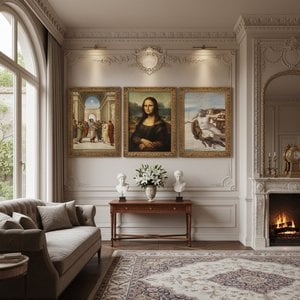
Najvešanih 10 Remeka Dela Visoke Renesanse: Umjetnost koja je Definirala Epohu
Otkrijte 10 remek dela Visoke Renesanse koja su oblikovala umetnost! Leonardo, Rafael, Mikelanđelo... Istorija, tehnika i priče iza najpoznatijih slika. Inspiracija za vaš dom? Pogledajte kolekciju na ArtsDot.com!