


 Pregledaj u prostoru
 Pošalji
 Podeli
 Detalji o delu

 Преузми
 Slični predmeti
 Rendgenski snimak
 Slajdovi
Малка ваза


 Pročitaj više
Ručno rađena uljana reprodukcija
Ručno oslikano uljanim bojama na platnu u dimenzijama i okviru po vašem izboru, izrađeno po porudžbini od strane naših umetnika. ( Kupi print Kupi digitalnu sliku)




P118B $10

P118H $10

P118W $10

P438Z $10

P508JH $12

P508YH $12

P805H $10

P805Z $10

P919BZ $10

P919G $10

P919XJ $10

P959ZH $10

P968JZ $12

W106C $8

W218G $10

W218JH $8

W218Y $10

W307PJ $10

W316G $10

W316PJ $8

W316Y $10

W398PJ $8

W4111J $10

W500HY $15

W500JH $15

W692G $12

W849H $8

W940BG $15

W953PJ $8




Izaberite jednu od naših unapred definisanih veličina koje odgovaraju originalnim proporcijama umetničkog dela.

Можете унети сопствене димензије како бисте прилагодили дело одређеном оквиру или простору. Ако одабрана величина не одговара пропорцијама оригинала, слика ће бити исечена или проширена додатним елементима који се ручно насликавају. Дигитални prikaz ће вам бити послат на одобрење пре почетка производње.
Имајте на уму да преглед на екрану не одражава стварно исецање или проширење. Само приказ (mockup) ће тачно приказати коначну композицију.
Иако су доступне прилагођене величине, препоручујемо да одаберете димензију из дефинисане листе како бисте сачували оригиналне пропорције.
Nakon narudžbine, tim ArtsDot.com će klijentu putem e-pošte poslati uputstva i dostaviti prikaz predloženog rešenja
Isporuka širom sveta () za 3/4 nedelje umesto uobičajenih 5 nedelja. (3 септембар). Bez kompromisa po pitanju kvaliteta.

Besplatna ekspresna dostava širom sveta

Visokokvalitetno laneno platno

Kompletno osiguranje transporta

Garancija povraćaja carine i uvoznih dažbina

Garancija vernosti boja

Politika povrata u roku od 60 dana (samo u slučaju nedostataka)

Garancija povrata novca od 100%

Popust pri grupnoj kupovini
 Opcija sa staklom dostupna je samo za dimenzije manje od 110 cm

Малка ваза
Tehnika reprodukcije
Dimenzije reprodukcije
-


Konačna cena
$ 263
Small Vase – A Reflection of Qing Dynasty Elegance
This exquisite small vase embodies the spirit of the Qing Dynasty (1644–1912), a period marked by unparalleled artistic achievement and imperial grandeur. More than just an ornamental object, it’s a window into Chinese culture and craftsmanship—a testament to meticulous artistry and profound symbolic meaning.
- Material: Crafted from exceptionally fine “soft paste” porcelain – a material far more expensive than the commonplace hard-paste favored during this era. Its rarity speaks volumes about its status as a treasured item displayed on the scholar’s desk, signifying refinement and intellectual pursuits.
- Decoration: The vase's surface is adorned with breathtaking floral sprays featuring peaches—representing longevity and prosperity—and Buddha’s hand citron, an unusual citrus fruit imbued with auspicious symbolism linked to enlightenment and good fortune.
- Technique: Cobalt blue glaze was applied using brushstrokes onto the bisque-fired clay before undergoing a second firing at a lower temperature – a technique perfected by Qing artisans that ensures vibrant color and textural depth.
Historical Context & Significance
Emerging from the tumultuous aftermath of the Ming Dynasty’s collapse, the Manchus established a new imperial order in Beijing, skillfully blending Mongol traditions with Han Chinese customs. The Qing rulers prioritized artistic patronage, fostering innovation across disciplines—from monumental landscape painting to theatrical performance and, crucially, decorative arts like this vase.
The vase's creation coincided with a time of significant cultural transformation, mirroring the broader ambitions of the Qing court to solidify its legitimacy and project an image of imperial splendor. Its presence would have commanded respect within scholarly circles—a symbol of erudition and refined taste.
Color Palette & Composition – Harmony in Form
Dominating the vase’s aesthetic is a harmonious blend of white and cobalt blue. The pristine white porcelain provides a canvas for the intricate floral motifs, while the deep azure glaze captures the light beautifully—creating an enduring visual impression characteristic of Qing porcelain painting.
The composition is centered, reflecting the formal sensibilities of the period. Careful consideration was given to lighting – diffused and directional – which highlights the vase’s curves and accentuates the delicate details of the painted blossoms. This balanced arrangement contributes to a sense of serenity and contemplation.
Symbolism & Artistic Legacy
Beyond its visual beauty, the Small Vase carries profound symbolic weight. Peaches and Buddha’s hand citron—chosen deliberately—represent aspirations for long life, prosperity, and spiritual enlightenment – values deeply rooted in Confucian philosophy. This vase stands as a tangible embodiment of Qing artistic ideals—a masterpiece that continues to inspire admiration and appreciation centuries later.
Srodna umetnička dela


Biografija umetnika
A Legacy of Imperial Art: The Grandeur of the Qing Dynasty
The Qing Dynasty (1644–1912), often referred to as the Great Qing, represents one of the most profound and visually spectacular chapters in the long tapestry of Chinese history. It was an era defined by a complex synthesis of Manchu ambition and the deep-rooted traditions of Han Chinese culture. Emerging from the turbulent collapse of the Ming Dynasty, the Manchus established a new imperial order centered in Beijing, creating a period of unprecedented cultural production that would eventually leave an indelible mark on the global perception of Chinese aesthetics. This was not merely a time of political consolidation but a golden age of artistic innovation, where the boundaries between decorative splendor and fine art often blurred into a single, magnificent expression of imperial power.
The artistic foundations of this era were built upon a meticulous reverence for the past, yet they were simultaneously propelled by a spirit of adaptation. Early Qing painters, many of whom served within the prestigious Imperial Court, drew their strength from the classical techniques perfected during the preceding Ming period. They mastered the delicate balance of brushwork, color palettes, and compositional principles rooted in Daoist philosophy and Confucian ideals of harmony. As the dynasty progressed, the influence of Zen Buddhism introduced a new layer of emotional depth to the canvas, encouraging artists to capture the spontaneous essence of nature through the Xieyi style—a method that prioritized the "spirit" of the subject over mere anatomical or botanical accuracy.
The Mastery of Detail and the Brilliance of Porcelain
One of the most enduring legacies of the Qing era lies in the breathtaking precision of the Gongbi painting style. This meticulous approach to art demanded extraordinary patience and technical skill, as painters employed layered brushstrokes and vibrant pigments to achieve a level of realism that felt almost luminous. Artists such as Tingqua became renowned for these highly detailed works, which often featured delicate flora and fauna rendered with such clarity that they became sought-after treasures in Western collections. This period saw the artist's hand working in perfect concert with nature, capturing every nuance of texture, from the softest petal to the ruggedness of ancient stone.
Beyond the realm of paper and silk, the Qing Dynasty achieved a zenith in the production of ceramics that remains unsurpassed. The imperial porcelain capital of Jingdezhen became a crucible of innovation, producing vessels that were as much sculptural masterpieces as they were functional objects. During the Kangxi reign (1662–1722), the creation of magnificent blue and gold wares showcased a sophisticated palette that evoked both tranquility and luxury. The introduction of "soft paste" techniques around 1700 AD allowed for even more daring and intricate designs, embodying the era's characteristic blend of technical experimentation and refined elegance.
Cultural Synthesis and Historical Significance
The significance of Qing Dynasty art extends far beyond its aesthetic beauty; it serves as a vital historical record of a changing world. The era witnessed a fascinating dialogue between traditional Chinese values and burgeoning Western influences, particularly through the flourishing of export paintings that catered to a global market. This period of intense cultural production reflected the empire's vast territorial reach—stretching from the Sea of Japan to the Pamir Mountains—and its ability to absorb diverse influences into a cohesive imperial identity.
As the dynasty approached its twilight in the early 20th century, the art continued to evolve, reflecting the social shifts and the eventual transition toward the Republic of China. The works produced during this time remain essential for understanding the evolution of East Asian aesthetics. Whether through the monumental landscapes that spoke of eternal order or the delicate porcelain that whispered of imperial grace, the art of the Great Qing remains a testament to a civilization at its most visually opulent and culturally complex.

qing dynasty
1644 - 1911 , China
Osnovne informacije
- Artistic Movement Or Style: Gongbi & Xieyi Painting
- Artists Or Movements Influenced By This Artist: ['Kunqu Opera']
- Artists Who Influenced This Artist: ['']
- Date Of Death: 1911
- Full Name: qing dynasty
- Nationality: Chinese
- Notable Artworks: ['Pheasants and blue magpie']
- Place Of Birth: China
Povezani članci

Soft Hues & Masterpieces: 10 Artworks That Define Delicate Color |
Explore 10 iconic artworks celebrated for their soft color intensity! From Monet's Impressionism to Renoir & Sargent, discover the stories behind these masterpieces. Find museum-quality art reproductions and curated decor ideas at .

Xie Zhiliu: A Legacy of Ink Wash Painting & Modern Chinese Literati Tradition
Explore the legacy of Xie Zhiliu, a master of Chinese ink wash painting & prominent figure in modern art. Discover his techniques, influences, and contributions to literati tradition. A guide for discerning collectors.
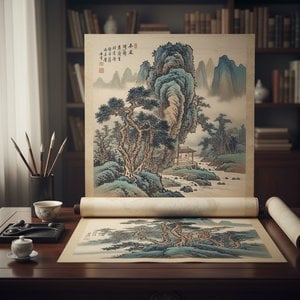
Pu Xinyu's 'Puru': A Legacy of Literati Painting & Emotional Resonance
Explore the captivating world of Pu Xinyu (Puru), the last great literati painter. Discover his imperial heritage, masterful ink wash techniques & enduring legacy – a valuable addition to any discerning art collection.

Timeless Elegance: Discovering the Soulful Beauty of Chinese Calligraphy for Sophisticated Home Interiors
Elevate your home with the serene beauty of Chinese calligraphy art. Explore our collection of hand-painted ink wash reproductions and bespoke commissions at ArtsDot.com. Discover museum-quality pieces designed to bring cultural elegance and tranquility to your modern interior.

Soft Minimalism: A Newlywed's Guide to Creating a Serene, Art-Filled Sanctuary with Quiet Luxury
Discover how to master soft minimalism to create a serene, cozy home. Our expert guide for newlyweds explores quiet luxury, organic textures, and curated art selections to transform your new space into a peaceful sanctuary of intentional design.


