


Slika prati vaše izbore: , .
Opis predmeta
Discover Pierre Bonnard’s ‘The Windows’ (1925). A vibrant Post-Impressionist oil painting capturing Mediterranean light & tranquility. Explore depth, texture & symbolic beauty.
 Pročitaj više
Biografija umetnika
Francuski umetnik Nabis, poznat po intimnim domaćim scenama i živopisnim istraživanjima boja zasnovanim na sećanju.
Naručite svoj u četiri jednostavna koraka
Ne žurite. Možete promeniti bilo koji odgovor; cena u vašoj korpi se ažurira nakon svakog izbora.
1 Prvi od četiri koraka
Na kom medijumu treba da se odštampa?
Platno se štampa giclée mastilima i može se rastegnuti ili uokviriti kao slika; papir dolazi ravan ili uokviren iza stakla.
2 Drugi od četiri koraka
Koju veličinu želite?
Ovi formati zadržavaju proporcije originalnog slikarskog dela. Crtež prikazuje vaš izbor na zidu, iznad dvometarske garniture.
Ili unesite sopstvene dimenzije
Izaberite jednu od naših unapred definisanih veličina koje odgovaraju originalnim proporcijama umetničkog dela.

Unesite željenu širinu i visinu kako bi se štampa uklopila u vaš ram ili zid. Štampu je moguće samo iseći, ali nikada povećati iznad dimenzija originalne slike, stoga format sa drugačijim proporcijama uzrokuje gubitak dela slike. Pre početka štampe, poslaćemo vam digitalni prikaz radi potvrde. Slika prikazana na ovoj stranici ne predstavlja stvarni isrez — to pokazuje samo digitalni prikaz.
3 Treći od četiri koraka
Na koji način želite da bude pripremljeno: u rolni, na platnu ili u ramu?
Cene u nastavku odnose se na dimenziju koju ste izabrali u prvom koraku.
Izaberite ivice platna
Izaberite svoj okvir

Beli rub дин1

zamrljene ivice дин1

Prošireno дин1

P118B дин10

P118H дин10

P118W дин10

P438Z дин10

P508JH дин12

P508YH дин12

P805H дин10

P805Z дин10

P919BZ дин10

P919G дин10

P919XJ дин10

P959ZH дин10

P968JZ дин12

W106C дин8

W218G дин10

W218JH дин8

W218Y дин10

W307PJ дин10

W316G дин10

W316PJ дин8

W316Y дин10

W398PJ дин8

W4111J дин10

W500HY дин15

W500JH дин15

W692G дин12

W849H дин8

W940BG дин15

W953PJ дин8

H24-GOLD дин30

H24-SILVER дин30

H36-GOLD дин45

H36-SILVER дин45
Uokvireno
Profil: . Ukupna veličina sa okvirom: .
4 Četvrti korak od četiri
Nekoliko opcija za završnu obradu
Sve su opcione. Odgovori koji su već izabrani ne podrazumevaju dodatni trošak.
Dostava širom sveta () za 2 nedelje umesto uobičajenih 4/5 nedelja. (23 новембар)
Plakica, kao u muzeju?
Detalji gravirane bronze ploče
This elegant plaque features the artist's name and the title of the artwork, finely engraved for a timeless presentation.
It is made from bronze with a refined, elegant finish. The text is precisely laser-engraved for a sharp and permanent result. Measuring 9x2 cm, the plaque is compact yet easy to read. It's built to be durable and scratch-resistant, offering a professional, museum-quality look. Mounting is simple thanks to the included adhesive backing.
Detalji prozirne akrilne pločice
The plaque includes essential engraved details such as the artist's name, the title of the artwork, the date it was created, the type of media used-like oil on canvas or watercolor-a brief description of the piece, and a QR code that links to the complete artwork information.
It is crafted from clear acrylic, offering a sleek, modern appearance. The text is UV-engraved in black to ensure strong visual contrast. With a size of 10x15 cm, it ensures optimal readability. It comes equipped with two metal hooks for secure wall mounting. The plaque is designed to be weather-resistant, making it suitable for various environments, and it includes interactive features that work seamlessly with smartphone scanning.
Detalji crne akrilne pločice
This elegant plaque includes engraved information such as the artist's name, the title of the artwork, the date it was created, the type of media used (like oil on canvas or watercolor), a short description of the artwork, and a QR code for quick access to more information.
The plaque itself is made from refined black acrylic with a premium finish. The text is laser-engraved in white for high contrast and readability. Its size is 10x15 cm, designed to be easy to read. It comes with two metal hooks for professional mounting. The design is sleek and fits any interior style. It is also weather-resistant and durable, with built-in digital integration for mobile compatibility.
Zaštitni lak?
Kada vam je potrebno?
✓ Proverite i naručite
Vaš print, onakav kakav ste ga naručili

The Windows
Tehnika reprodukcije
Dimenzije reprodukcije
-

Okvir za reprodukciju
-
-
Za umetnička dela ili reprodukcije čija je bilo koja strana veća od 105 cm (približno 41 inč), okvir će biti isporučen u obliku rastavljenog seta za sklapanje. Ovaj metod osigurava bezbednu dostavu i sprečava oštećenja tokom transporta.
Potrebna je profesionalna montaža – ovo nije proizvod namenjen samostalnoj izradi.
Set mora sastaviti i platno zategnuti iskusni profesionalni ramitelj, koristeći drveni lepak (nije uključen u set), hvataljku za zatezanje platna i stege kako bi se održao prav ugao okvira dok se lepak suši. Nepravilno sklapanje ili neravnomerno zategnuto platno mogu trajno oštetiti umetničko delo, što nije pokriveno našom garancijom.
 Za umetnička dela ili reprodukcije čija je bilo koja strana veća od 105 cm (približno 41 inč), okvir će biti isporučen u obliku rastavljenog seta za sklapanje. Ovaj metod osigurava bezbednu dostavu i sprečava oštećenja tokom transporta.
Sve šipke od masivnog drveta su uključene, precizno isečene po veličini.
Montira se pomoću priloženih šrafova, uz dodatno korišćenje lepka za drvo za spojeve u uglovima, koji nije uključen u set i koji vaš čuvar okvira mora obezbediti.
Potreban je profesionalni alat koji nije uključen u set: klešta za zatezanje platna (zatezač) i stege za održavanje pravih uglova letvica tokom sušenja lepka.
Važno:
Za spojeve u uglovima neophodan je lepak za drvo, šipke se moraju pričvrstiti stezgama dok lepak potpuno ne osuši, a za zatezanje platna na sklopljenom ramu potrebne su hvataljke za zatezanje platna. Nijedan od ovih alata nije uključen u komplet. Pre naručivanja ove veličine, molimo Vas da unapred obezbedite iskusnog profesionalca za ramačenje.

Kratki opis natpisa
-
-

Zaštitni lak
Sjajni lak (pojačava intenzitet boja, štiti od svetlosti i vlage)
-

Hitna dostava
Dostava širom sveta () za 2 nedelje umesto uobičajenih 4/5 nedelja. (23 новембар)
-
Brza dostava
Svetska isporuka () u roku od 4 do 5 nedelja. (30 новембар).
Uključeno u cenu
Ukupna cena
дин 6609
Opcija sa staklom dostupna je samo za dimenzije manje od 110 cm
Uključeno uz svaku porudžbinu
- Besplatna ekspresna dostava širom sveta
- Visokokvalitetno laneno platno
- Potpuno osiguranje transporta
- Garancija povraćaja carine i uvoznih dažbina
- Garancija vernosti boja
- Politika povraćaja u roku od 100 dana (samo u slučaju nedostataka)
- Garancija povrata 100% novca
- Popust na više proizvoda


A Window on Memory: Pierre Bonnard’s ‘The Windows’
Pierre Bonnard's “The Windows,” painted in 1925, is more than just a still life; it’s an intimate meditation on light, memory, and the quiet beauty of domesticity. The artwork immediately draws the viewer into a warmly lit interior space, a room imbued with a palpable sense of tranquility. Through the open window, a vibrant Mediterranean town unfolds – a distant echo of warmth and color that subtly shapes the mood of the scene. Bonnard’s masterful use of perspective creates a layered composition, guiding our eye from the tangible objects within the room—a book titled ‘Marie,’ a paintbrush, an inkwell—to the expansive vista beyond, blurring the boundaries between the personal and the universal.
- Post-Impressionist Vision: “The Windows” firmly establishes Bonnard’s place within the Post-Impressionist movement. Influenced heavily by Paul Gauguin's bold color palettes and flattened perspective, Bonnard rejects strict realism in favor of a subjective interpretation of reality. The visible brushstrokes, applied with a confident hand, contribute to a richly textured surface that invites close inspection.
- Technique & Materials: Executed in oil paints on canvas, the artwork showcases Bonnard’s signature impasto technique – thick layers of paint built up to create a tactile and luminous effect. This is particularly evident in the window frame and the book cover, where the paint seems to shimmer with reflected light.
- Color as Emotion: Bonnard's color choices are deliberately emotive, eschewing naturalistic representation for hues that evoke specific feelings. The warm yellows, oranges, and reds of the interior contrast dramatically with the cooler blues and greens of the distant landscape, creating a dynamic visual tension.
Decoding the Symbolism
Beyond its technical brilliance, “The Windows” is rich in symbolic potential. The inclusion of ‘Marie,’ a book bearing this name, has been interpreted as representing love or memory – perhaps a cherished recollection brought to life through the artist’s gaze. The window itself acts as a portal, not just to a physical location but also to a realm of contemplation and introspection. The simplified shapes and organic forms throughout the composition suggest a desire to capture the essence of things rather than their precise details, aligning with Bonnard's broader artistic philosophy.
- The Mediterranean Landscape: The distant town, rendered in atmospheric perspective – paler colors and less detail for objects further away – symbolizes escape, longing, or perhaps a nostalgic yearning for the sun-drenched landscapes of Southern France, where Bonnard spent much of his life.
- Domestic Objects as Vessels of Memory: The carefully arranged objects within the room—the book, paintbrush, inkwell—are not merely props; they are imbued with personal significance, suggesting a connection to Bonnard’s own experiences and emotions.
Historical Context & Artistic Legacy
Painted in 1925, “The Windows” reflects the evolving artistic landscape of early 20th-century France. Bonnard was working at a pivotal moment, navigating between the traditions of Impressionism and the radical experimentation of Cubism and other avant-garde movements. His work, though rooted in observation, is profoundly subjective, prioritizing emotional resonance over objective representation. This approach anticipated many of the developments that would shape modern art.
Artist Information: Pierre Bonnard (1867-1947) was a prominent figure in the Post-Impressionist movement, renowned for his evocative depictions of domestic interiors and landscapes. His distinctive style, characterized by bold color choices, loose brushwork, and a focus on capturing light and atmosphere, continues to captivate audiences today.Pitanja i odgovori
Ko je autor dela "The Windows" i iz koje godine je?
Delo "The Windows" delo je umetnika Пјер Бонар iz 1925. godine.
Da li se prikaz „The Windows”, autor Пјер Бонар može slobodno reprodukovati?
„The Windows”, autor Пјер Бонар pripada u javnom vlasništvu – autorska prava su istekla. Ovaj status određuje način na koji se slika dela može reprodukovati.
Da li je „The Windows”, autor Пјер Бонар slika, crtež ili grafika?
U katalogu je delo „The Windows”, autor Пјер Бонар klasifikovano kao WallArt. Ova kategorija pomaže u pronalaženju sličnih radova.
Saznajte više o ovoj slici
 Pregledaj u prostoru
 Kupite ručno oslikano delo
 Pošalji
 Podeli
 Detalji o delu
 Vodič
Vodič

 Preuzmi
 Slični predmeti
 Rendgenski snimak
 Automatska prezentacija
 Pitanja i odgovori
 Statistika
Srodna umetnička dela


Пјер Бонар
1867 - 1947, Француска
Biografija umetnika
Pierre Bonnard (1867-1947): A Life Bathed in Light
Pierre Bonnard, geboren 1867 in der Pariser Vorstadt Fontenay-aux-Roses, war kein Mann für ein Leben voller künstlerischer Ausdruckskraft. Sein Vater, ein hochrangiger Beamter im französischen Verteidigungsministerium, sah seinem Sohn eine juristische Karriere vor. Junge Pierre verfolgte diese Ausbildung ernsthaft und erhielt seinen Abschluss im Jahr 1888, doch sein Herz lag anders – in der faszinierenden Welt von Farbe und Form. Diese Dichotomie, dieser Spannungsbogen zwischen Erwartung und Leidenschaft würde subtil Einfluss auf seine künstlerische Reise haben und ihm eine einzigartige Nähe zu seinem Werk verleihen. Er begann zunächst mit Karikaturen und entwickelte damit eine Beobachtungsgabe, die später zu exquisit wiedergegebenen häuslichen Szenen aufblühte. Allerdings fand Bonnard in der Académie Julian seinen Weg und begegnete dort Gleichgesinnten, die sich von akademischen Konventionen abwanderten und den Avantgarde Geist einfuhren, der durch Paris zog. Diese Begegnung führte ihn zu den Nabis – einer Gruppe von Künstlern, darunter Maurice Denis, Paul Sérusier und Édouard Vuillard –, die Kunst mit Spiritualität und Symbolismus erfüllten und über reine Darstellung hinaus eine Erforschung innerer Erfahrung suchten.Die Nabi Jahre und die Pflege der Intimität
Die Zusammenarbeit mit den Nabis stellte Bonnards künstlerische Entwicklung entscheidend sicher. Die Gruppens Betonung von flachen Formen, kräftigen Farbpaletten und einer Ablehnung perspektivistischer Tradition resonierte tief in seinen künstlerischen Sensibilitäten. Inspiriert von japanischen Drucken – ihren eleganten Linien und harmonischen Kompositionen – und der Symbolismus Bewegung’s Erforschung subjektiver Emotionen entwickelte Bonnard seinen unverwechselbaren Stil weiter. Er interessierte sich nicht für große Erzählungen oder historische Allegorien; stattdessen wandte er sich innerlich zu und konzentrierte sich auf die ruhigen Momente des Alltagsliebes: Eine Frau beim Baden, eine Familie zum Abendessen versammelt, ein sonnenbeschienenes Gartenstück. Diese Szenen waren nicht nur Darstellungen von Ereignissen, sondern Destillationen von Gefühl – Erinnerungen und Atmosphäre gefiltert durch das Prisma persönlicher Erfahrung. Dieser Fokus auf häusliche Intimität erhielt ihm den Titel „Intimist“ – ein Begriff, der perfekt die emotionale Resonanz seines Werkes einfängt. Seine Gemälde erzählen nicht *was* dargestellt wird, sondern *wie* es sich anfühlt, präsent zu sein in diesen Momenten. Er arbeitete von Erinnerung aus und zeichnete umfassend auf und übersetzte diese Eindrücke dann mit außergewöhnlicher Sensibilität für Licht und Farbe auf die Leinwand.Farbe als Emotion: Ein Meister Farbist
Bonnards Meisterhafte Verwendung von Farbe ist zweifellos sein prägendstes Merkmal. Er verwendete Farbe nicht einfach; er *fühlte* sie, ließ sie den Ton und die Atmosphäre seiner Gemälde bestimmen. Seine Palette war lebendig und doch nuanciert und setzte oft unerwartete Kombinationen ein, die einen Eindruck von schimmernder Luminosität erzeugten. Er würde seine fertigen Leinwände wiederholt besuchen und korrigierte Farben über mehrere Werke hinweg, um perfekte Harmonie zu erreichen – ein Beweis für seine obsessive Hingabe zum chromatischen Gleichgewicht. Das ging nicht um eine realistische Darstellung; es ging darum, die subjektive Erfahrung von Farbe einzufangen – ihre Fähigkeit, Emotionen und Erinnerungen hervorzurufen. Er wandte sich von direkter Beobachtung ab und bevorzugte stattdessen das Malen aus der Erinnerung heraus, was ihm ermöglichte, seine Szenen mit einer traumhaften Qualität zu erfüllen. Seine Landschaftsbilder waren nicht nur Darstellungen von Orten, sondern emotionale Antworten darauf – gefiltert durch das Prisma persönlicher Erfahrung.Späteres Leben und Erblegende Bedeutung
Mit zunehmendem Alter verschob sich Bonnards künstlerischer Fokus noch stärker auf die Erforschung von Farbe und Licht. Er verbrachte immer mehr Zeit im südlichen Frankreich und ließ sich von der mediterranen Landschaft und ihrer intensiven Luminosität faszinieren. Seine Beziehung zu Marthe de Meligny, seiner Frau und lebenslangen Muse, blieb zentral für sein Leben und Werk. Sie erschien häufig in seinen Gemälden und wurde oft beim Baden oder bei alltäglichen Aktivitäten dargestellt – ihre Präsenz strahlte eine ruhige Anmut und Intimität aus. Im Jahr 1912 erwarb er „La Roulotte“ in Vernonnet, nahe Giverny, und gründete eine enge Freundschaft mit Claude Monet. Diese Nähe zum Meister des Impressionismus förderte Bonnards weitere Erforschung von Licht und Farbe weiter – obwohl er stets seinen eigenen unverwechselbaren künstlerischen Blick bewahrte. Er malte bis kurz vor seinem Tod im Jahr 1947 fort und hinterließ ein Werkkörper, das weiterhin fasziniert und inspiriert.Bekannte Werke & Sammlungen
- Frau in Schachbrettmuster (1890): Ein frühes Beispiel seines Nabi-inspirierten Stils, der flache Formen und kräftige Farbkompositionen zeigt.
- Das Esszimmer (1913): Eine quintessenzielle Intimist Szene, die Wärme und Intimität des häuslichen Lebens einfängt.
- Schüssel mit Früchten (ca. 1933): Demonstriert seine Meisterschaft der Stilllebenmalerei mit lebendigen Farben und einem Eindruck von lichtdurchfluteter Tiefe.
- Die Mandelbaumblüte (1947): Eines seiner letzten Gemälde, das kurz vor seinem Tod fertiggestellt wurde und seine kontinuierliche Erforschung von Farbe und Licht zeigte.
- Musée Marmottan Monet, Paris
- Kunstmuseum Chicago
- Museum of Modern Art, New York City
- Tate Modern, London


Povezani članci

A Study in Solitude: Selecting Historical Works for the Private Retreat
Discover how to curate a peaceful bedroom sanctuary using iconic Old Masters and Impressionist works. Transform your private retreat today.
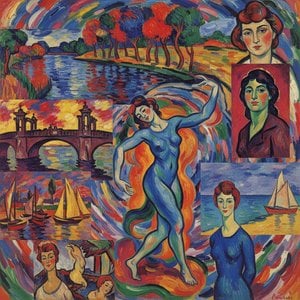
Fauvism's Boldest Visions: 10 Masterpieces That Revolutionized Modern Art | ArtsDot
Explore 10 Fauvist masterpieces by Matisse, Derain & Vlaminck that ignited Modern Art! Discover bold colors, expressionist landscapes & the history of this revolutionary movement. Find museum-quality prints at ArtsDot.com.

The Subdued Radiance of Pastel Palettes: Exploring Emotional Resonance in Art History
Explore the emotional power of pastel palettes in art history! Discover Impressionism, Post-Impressionism & color psychology insights. Find museum-quality reproductions at ArtsDot.