


 Pregledaj u prostoru
 Podeli
 Podeli
 Detalji
 Vodič
Vodič

 Preuzmi sliku
 Slični predmeti
 Rendgenski snimak
 Automatska prezentacija
 Statistika
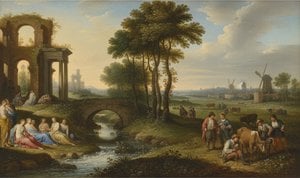
Italian Landscape with Roman Warriors
 Oil On Canvas
- WallArt
- Baroque Landscape
 1650
1650 154.0 x 174.0 cm
 Hermitage Museum
 Pročitaj više
Ručno rađena uljana reprodukcija
Ručno oslikano uljanim bojama na platnu u dimenzijama i okviru po vašem izboru, izrađeno po porudžbini od strane naših umetnika. ( Pređi na prodaju štampanih primeraka Pređi na prodaju digitalnih slika)




P118B дин10

P118H дин10

P118W дин10

P438Z дин10

P508JH дин12

P508YH дин12

P805H дин10

P805Z дин10

P919BZ дин10

P919G дин10

P919XJ дин10

P959ZH дин10

P968JZ дин12

W106C дин8

W218G дин10

W218JH дин8

W218Y дин10

W307PJ дин10

W316G дин10

W316PJ дин8

W316Y дин10

W398PJ дин8

W4111J дин10

W500HY дин15

W500JH дин15

W692G дин12

W849H дин8

W940BG дин15

W953PJ дин8




Izaberite jednu od naših unapred definisanih veličina koje odgovaraju originalnim proporcijama umetničkog dela.

Unesite širinu i visinu koja vam je potrebna, kako bi se uklopili u vaš ram ili zid. Pošto je ovo ručno oslikano delo, umetnik može naslikati malo više prostora oko slike ili malo skratiti ivice za dimenzije drugačijeg oblika — izbor je na vama. Pre početka rada, poslaćemo vam digitalni prikaz radi potvrde. Slika prikazana na ovoj stranici ne predstavlja konačan rezultat — samo digitalni prikaz pokazuje stvarnu sliku.
Nakon narudžbine, tim ArtsDot.com će klijentu putem e-pošte poslati uputstva i dostaviti prikaz predloženog rešenja
Svetska isporuka () za 3/4 nedelje umesto uobičajenih 5 nedelja. (24 октобар). Bez kompromisa po pitanju kvaliteta.

Besplatna ekspresna dostava širom sveta

Visokokvalitetno laneno platno

Sveobuhvatno osiguranje transporta

Garancija povraćaja carine i uvoznih dažbina

Garancija vernosti boja i autentičnosti pri reprodukciji

Politika povraćaja u roku od 100 dana (samo u slučaju nedostataka)

Garancija povrata 100% novca

Popust pri većoj količini
 Opcija sa staklom dostupna je samo za dimenzije manje od 110 cm

Italian Landscape with Roman Warriors
Tehnika izrade reprodukcije
Veličina reprodukcije
-


Ukupna cena
дин 27166
The Vision of Jan Both: A Mediterranean Masterpiece
Jan Dirksz Both’s “Italian Landscape with Roman Warriors,” painted around 1650, isn't merely a depiction of a picturesque Italian vista; it’s an immersive experience. Born in Utrecht and trained within the traditions of Flemish painting, Both embarked on a transformative journey to Rome, a pivotal moment that fundamentally altered his artistic trajectory. This work stands as a testament to that shift – a vibrant synthesis of Northern realism and Southern light, capturing not just a scene but a mood, an atmosphere steeped in the grandeur and drama of the Italian Renaissance.
The painting immediately draws the eye with its expansive composition. A sweeping river dominates the foreground, reflecting the azure sky above, while rolling hills cascade into the distance, culminating in hazy mountains that seem to bleed into the horizon. Yet, it’s not simply a topographical rendering; Both masterfully employs atmospheric perspective – a technique borrowed from Claude Lorrain and other Italian landscape masters – to create an illusion of depth and vastness. The colors become softer, cooler, and less saturated as they recede, drawing the viewer's eye into the heart of the scene.
The Language of Light: A Baroque Revelation
Both’s signature style is characterized by a luminous quality that elevates the landscape beyond mere representation. He was deeply influenced by the Baroque tradition, particularly its emphasis on dramatic lighting and theatrical effects. Notice how the sunlight, seemingly originating from an unseen source, bathes the scene in a golden glow, highlighting specific elements – the shimmering water, the textured foliage, and the confident postures of the Roman warriors. This isn’t a flat, even illumination; it's a dynamic interplay of light and shadow that imbues the painting with a sense of vitality and movement.
The use of color is equally deliberate. Rich ochres, deep greens, and vibrant blues are juxtaposed to create visual interest and depth. The earthy tones of the landscape contrast sharply with the gleaming armor of the soldiers, further emphasizing their power and authority. The subtle variations in hue – a hint of purple in the distant mountains, a touch of pink in the clouds – contribute to the overall sense of realism and atmospheric detail.
Symbolism and Power: The Roman Presence
Beyond its purely aesthetic qualities, “Italian Landscape with Roman Warriors” is laden with symbolic meaning. The presence of the Roman soldiers, clad in their imposing armor and wielding spears, speaks to themes of power, conquest, and military might. They are not simply figures within a landscape; they are active participants, shaping the scene and asserting dominance over it. The bandits leading prisoners further reinforces this narrative, suggesting a world of conflict and political intrigue.
However, the painting isn’t solely focused on warfare. The inclusion of a river, trees, and a sense of leisure hints at a more complex vision – one that acknowledges both the beauty and the brutality of the Italian landscape. The figures are engaged in activities that suggest a harmonious coexistence between humanity and nature, albeit within a framework of power and control.
A Legacy of Light: Both’s Enduring Influence
Jan Dirksz Both's “Italian Landscape with Roman Warriors” represents a pivotal moment in the development of Dutch landscape painting. It showcases his mastery of technique, his deep understanding of color and light, and his ability to synthesize diverse artistic influences. His work continues to captivate viewers today, offering a glimpse into a world of beauty, drama, and timeless symbolism. Reproductions of this stunning artwork capture the essence of Both’s vision, allowing us to experience its luminous quality and evocative power firsthand.
Pitanja i odgovori
Gde se predlaže izlaganje dela "Italian Landscape with Roman Warriors", s obzirom na njegovu paletu boja?
Sa svojom paletom u nijansama Earthy, delo „Italian Landscape with Roman Warriors”, Jan Bot se preporučuje za Living Room. Boje su jedan od razloga za ovakvu sugestiju.
Šta "Italian Landscape with Roman Warriors" deli sa ostatkom stvaralaštva umetnika Jan Bot?
U okviru celokupnog stvaralaštva umetnika Jan Bot, delo "Italian Landscape with Roman Warriors" pripada stilu Baroque Landscape, uz prisustvo tema kao što su mediterranean light, roman ideals, classical landscape, heroic figures, religious allegory, moral themes, baroque drama, emotional depth.
Kakve boje koristi "Italian Landscape with Roman Warriors"?
Boje dela "Italian Landscape with Roman Warriors" čine Earthy paletu. Ova klasifikacija opisuje dominantne grupe boja.
Srodna umetnička dela


Biografija umetnika
Jan Both (1610-1652): Gospodar mediteranske svetlosti
Jan Dirksz Both bio je holandski slikar, crtač i kovač, koji se istakao kao jedna od najistaknutijih figura u uspensivoj „italijanskoj“ pokretu pejzaža tokom holandskog zlatnog doba. Rođen oko 1615/16mla u Utrehtu, bio je mlađi brat Andriesa Botha, a njihov otac, Dirck Both, koji je bio staklar, u njima je rano usadio duboko poštovanje prema umetničkom umeću i zanatu. Iako biografski detalji ostaju pomalo oskudni, naučna istraživanja sugerišu da je Janovo obrazovanje obuhvatalo podučavanje od strane Abrahama Bloemaerta i Gerita van Honthorsta, što ga je svrstalo među najuticajnije umetnike svog vremena.- Rano detinjstvo i obuka: Bothove formativne godine provedene su u Utrehtu, gde je usavršavao svoje veštine zajedno sa bratom Andriesom, upijajući tehnike iz očevske zanatske prakse vitraja – veštine duboko ukorenjene u flamanskim tradicijama.
- Rimski uticaj: Oko 1638. godine, Jan i Andries krenuli su na transformativno putovanje u Rim preko Francuske, uranjajući u umetničku vrevu papinske dvorske scene i susrećući luminare poput Bloemaerta i Gerita van Honthorsta. Ovo iskustvo je duboko oblikovalo njihovu stilsku senzibilitetnost.
Romanistički stil i saradnja sa Lorrainom
Rim se pokazao kao ognjište za Bothov umetnički razvoj. Dok se Andries fokusirao na žanrovske scene u maniru Pietersa van Laera, Jan se posvetio prvenstveno slikarstvu pejzaža — stilu koji duguje mnogo Klodu Lorrainu — hvatajući eteričnu lepotu mediteranskog regiona uz neprevaziđeno umeće svetlosti i boje. Posebno je značajna njegova bliska saradnja sa Hermanom van Swaneveltom na monumentalnom projektu za palatu Buen Retiro u Madridu, čime je demonstrirao svoju ambiciju i umetničku moć unutar najviših slojeva evropskog pokroviteljstva. Ovo partnerstvo je učvrstilo Bothovu reputaciju kao vodećeg inovatora pejzaža.Značajna dela i umetničke karakteristike
Bothovo delo karakterišu prostrani, maštoviti pejzaži okovani u luminoznu zlatnu svetlost — što je zaštitni znak Lorrainovog stila i indikator širih umetničkih struja koje su cirkulisale širom Evrope. Njegovo remek-delo, „Pejzaž sa banditima koji vode zatvorenike” (Muzej lepih umetnosti, Boston), predstavlja primer ove estetske briljantnosti. Dijagonalni put privlači oko u samu scenu, suprotstavljajući realistične figure idiličnom vidiku ispunjenom precizno prikazanim vegetacijom. Ponavljajući se motivi uključuju religijske ili mitološke figure — kao što se vidi u „Parisuovom suđenju” (London, Nacionalna galerija) — koje su često izvodili kolege iz Utrehta poput Cornelisa van Poelenburcha, naglašavajući Bothovu posvećenost humanističkim idealima i umetničkim konvencijama.Nasleđe i uticaj
Bothov brat Andries je tragično preminuo od bolesti u Veneciji tokom njihovog povratka iz Rima. Uprkos kratkoći svog života, Andries se etablirao kao poštovani umetnik specijalizovan za seljačke scene — žanr koji je odražavao društvene realnosti tog vremena. Umetničko nasleđe Jana Botha prevazilazi pojedinačna dela; on je služio kao učitelj talentovanim učenicima poput Barenda Bispincka i Willema de Heuscha, osiguravajući da njegove stilske inovacije nastave da inspirišu generacije umetnika. Njegovo delo ostaje slavljeno zbog svoje evokativne atmosfere, majstorskog tehnike i doprinosa razvoju holandskog pejzažnog slikarstva — kao svedočanstvo o Bothovom trajnom uticaju na evropsku istoriju umetnosti.Kolekcije
- Fitzwilliam Museum, Univerzitet u Cambridgeu
- Ermitaž, Sankt Trotro
- Kunsthistorisches Museum, Beč
- Louvre, Pariz
- Mauritshuis Kraljevska slikarska galerija

Jan Bot
1610 - 1652 , Holandija
Brzi pregled
- Artistic Movement Or Style: Italijanski pejzažni stil
- Artists Or Movements Influenced By This Artist: ['Klod Loran']
- Artists Who Influenced This Artist:
- Abraham Bloemaert
- Gerrit van Honthorst
- Date Of Birth: Utreht, Holandija (1610)
- Date Of Death: 9. avgust 1652.
- Full Name: Jan Dirksz Both
- Nationality: Holandski
- Notable Artworks:
- Sveta Ana sa Devicom i Deteom
- Pejzaž sa banditima koji vode zatvorenike
- Sud Parisivca
- Place Of Birth: Utreht
Srodni članci
Cornelis van Poelenburch: Bridging Mannerism & the Dutch Baroque Landscape
Discover Cornelis van Poelenburch, a pivotal Dutch Baroque landscape painter bridging Mannerism & Italianate styles. Explore his life, key works, and lasting influence on 17th-century art with ArtsDot.

Glavna dela koja su definisala Romantični pejzaž: 10 remek-dela za vaš dom
Otkrijte 10 remek-dela romantičnog pejzažnog slikarstva! Uronite u svet Claude Lorraina, Caspara David Friedricha i Turnera. Ispričane priče umetnosti, inspiracija za dekoraciju doma. Kvalitetne reprodukcije na ArtsDot.com – istražite celu kolekciju online!

Evocations of Place: A Historical Journey Through Landscape Art
Explore the rich history of landscape art with ArtsDot. Discover renowned artists, movements like Impressionism & Romanticism, and expert guidance for collecting timeless pieces. Find your perfect serene escape today!

Jan Brueghel the Elder: A Master of Flemish Landscape & Allegory – Exploring Innovation & Influence
Explore the captivating world of Jan Brueghel the Elder, a Flemish Baroque master renowned for his stunning landscapes & allegorical paintings. Discover his collaborations with Rubens and lasting artistic legacy.

Claude Lorrain: Master of Light & Landscape in the Golden Age
Explore the luminous landscapes of Claude Lorrain, a Baroque master renowned for his masterful use of light & atmosphere. Discover his life, techniques, key works & enduring influence on art history.
