


 Pregledaj u prostoru
 Podeli
 Podeli
 Detalji
 Vodič
Vodič

 Preuzmi sliku
 Slični predmeti
 Rendgenski snimak
 Automatska prezentacija
 Statistika
Fleurs ou Les Roses


 Pročitaj više
Ručno rađena uljana reprodukcija
Ručno oslikano uljanim bojama na platnu u dimenzijama i okviru po vašem izboru, izrađeno po porudžbini od strane naših umetnika. ( Pređi na prodaju štampanih primeraka Pređi na prodaju digitalnih slika)




P118B дин10

P118H дин10

P118W дин10

P438Z дин10

P508JH дин12

P508YH дин12

P805H дин10

P805Z дин10

P919BZ дин10

P919G дин10

P919XJ дин10

P959ZH дин10

P968JZ дин12

W106C дин8

W218G дин10

W218JH дин8

W218Y дин10

W307PJ дин10

W316G дин10

W316PJ дин8

W316Y дин10

W398PJ дин8

W4111J дин10

W500HY дин15

W500JH дин15

W692G дин12

W849H дин8

W940BG дин15

W953PJ дин8




Izaberite jednu od naših unapred definisanih veličina koje odgovaraju originalnim proporcijama umetničkog dela.

Unesite širinu i visinu koja vam je potrebna, kako bi se uklopili u vaš ram ili zid. Pošto je ovo ručno oslikano delo, umetnik može naslikati malo više prostora oko slike ili malo skratiti ivice za dimenzije drugačijeg oblika — izbor je na vama. Pre početka rada, poslaćemo vam digitalni prikaz radi potvrde. Slika prikazana na ovoj stranici ne predstavlja konačan rezultat — samo digitalni prikaz pokazuje stvarnu sliku.
Nakon narudžbine, tim ArtsDot.com će klijentu putem e-pošte poslati uputstva i dostaviti prikaz predloženog rešenja
Svetska isporuka () za 3/4 nedelje umesto uobičajenih 5 nedelja. (22 октобар). Bez kompromisa po pitanju kvaliteta.

Besplatna ekspresna dostava širom sveta

Visokokvalitetno laneno platno

Sveobuhvatno osiguranje transporta

Garancija povraćaja carine i uvoznih dažbina

Garancija vernosti boja i autentičnosti pri reprodukciji

Politika povraćaja u roku od 100 dana (samo u slučaju nedostataka)

Garancija povrata 100% novca

Popust pri većoj količini
 Opcija sa staklom dostupna je samo za dimenzije manje od 110 cm

Fleurs ou Les Roses
Tehnika izrade reprodukcije
Veličina reprodukcije
-


Ukupna cena
дин 27045
A World Beneath Masks: James Ensor’s “Fleurs ou Les Roses”
James Ensor's "Fleurs ou Les Roses," a captivating still life rendered with the artist’s signature unsettling beauty, offers more than just a visual representation of flowers; it’s a window into a complex and profoundly personal world. Painted around 1887-89, this work exemplifies Ensor’s pivotal role as a precursor to both Expressionism and Surrealism, bridging the gap between academic tradition and radical artistic innovation. The painting isn't simply about botanical beauty; it’s a carefully constructed tableau brimming with symbolic weight, reflecting anxieties about mortality, social critique, and the hidden realities lurking beneath the surface of everyday life.
The scene unfolds against a subtly clouded backdrop – a deliberate choice that evokes a sense of unease and introspection. The arrangement of flowers within various vases is meticulously detailed, yet imbued with an almost theatrical quality. Roses, in shades ranging from delicate pinks to deeper purples, are juxtaposed with carnations, their vibrant colors offering a momentary counterpoint to the prevailing mood. These aren’t idealized blooms; they possess a slightly bruised or wilting appearance, hinting at transience and decay – themes central to Ensor's artistic vision. The vases themselves, of varying shapes and sizes, contribute to the overall sense of controlled chaos, mirroring the complexities of human experience.
The Artist’s Palette and Technique
Ensor’s technique is immediately recognizable: a bold, expressive use of color combined with a deliberately rough brushstroke. He eschews smooth blending in favor of distinct planes of color and visible marks, creating a textured surface that invites close examination. The palette is rich and saturated, yet tempered by shadows and muted tones, generating a dynamic interplay between light and darkness. Notice the way he builds up layers of paint to create depth and volume, particularly evident in the delicate petals of the roses. This tactile quality draws the viewer into the scene, fostering a sense of intimacy with the subject matter.
The painting’s composition is carefully considered. The arrangement of the flowers isn't random; it feels deliberately staged, as if presented for an audience – perhaps a silent, critical one. Ensor frequently employed masks and theatrical elements in his work, and this piece is no exception. The vases themselves can be interpreted as symbolic containers, holding not just flowers but also secrets and unspoken emotions.
Symbolism and the Shadowed Self
“Fleurs ou Les Roses” resonates deeply with Ensor’s broader artistic concerns. The recurring motif of masks—a direct reference to the souvenirs sold in his parents' shop—represents the idea of hidden identities and the performance of self. The skeletons, subtly integrated into the composition, are potent symbols of mortality and the inevitability of decay. They serve as a constant reminder of the fragility of life and the ephemeral nature of beauty.
Furthermore, the cloudy sky behind the flowers suggests an atmosphere of uncertainty and foreboding. It’s not a bright, optimistic backdrop; instead, it reflects the artist's own troubled psyche and his fascination with darker themes. Ensor was deeply influenced by Symbolism, which sought to express ideas and emotions through suggestive imagery rather than literal representation. “Fleurs ou Les Roses” perfectly encapsulates this approach, inviting viewers to interpret its meaning beyond a simple depiction of flowers.
A Legacy of Innovation
James Ensor’s "Fleurs ou Les Roses" stands as a pivotal work in the history of modern art. It demonstrates his mastery of color and composition while simultaneously revealing his profound psychological depth. His willingness to challenge conventional artistic norms paved the way for subsequent generations of Expressionist and Surrealist artists, solidifying his place as a visionary pioneer. Reproductions of this evocative painting offer a unique opportunity to experience Ensor’s distinctive style and engage with the complex layers of meaning embedded within its captivating imagery.
Pitanja i odgovori
Mogu li da koristim proširenu stvarnost kako bih video/la „Fleurs ou Les Roses”, Јемас Енсор u svojoj prostoriji?
Delo „Fleurs ou Les Roses”, Јемас Енсор možete isprobati na svom zidu putem stranice AR pregled, koristeći proširenu stvarnost na kompatibilnom uređaju.
Kako se umetnički pravac i epoha susreću u delu „Fleurs ou Les Roses”, Јемас Енсор?
U delu „Fleurs ou Les Roses”, Јемас Енсор, umetnički pravac Expressionism & Surrealism susreće eru 19. vek.
Koju emociju prenosi „Fleurs ou Les Roses”, Јемас Енсор?
„Fleurs ou Les Roses”, Јемас Енсор prenosi Melancholic emocionalni ton.
Srodna umetnička dela


Biografija umetnika
James Ensor: A Pioneer of Expressionism and Surrealism
James Sidney Edouard, Baron Ensor (Ostend, 13 April 1860 – 19 November 1949) was a Belgian painter and printmaker who stands as one of the most influential figures in the development of Expressionism and Surrealism. Born into an English father and Belgian mother amidst the vibrant atmosphere of Ostend’s seaside resort town, Ensor’s upbringing instilled within him a profound fascination with observation and detail—a foundation upon which he would construct his distinctive artistic vision.
Early Influences and Artistic Training
From a young age, Ensor demonstrated an exceptional talent for drawing and painting. Encouraged by his parents' operation of a souvenir shop brimming with curiosities and carnival masks – a veritable cabinet of wonders that ignited his imagination – he pursued formal artistic training at the Académie Royale des Beaux-Arts in Brussels. Despite encountering resistance from the rigid academic conventions of the time, Ensor quickly recognized the necessity of forging his own path, prioritizing experimentation and personal expression above all else.
The Emergence of Grotesque Vision
Around 1886–87, Ensor embarked on a transformative artistic journey, rejecting Impressionistic ideals in favor of a bold embrace of grotesque imagery. Influenced by Rembrandt’s masterful use of chiaroscuro, the unsettling visions of Francisco Goya, and the evocative symbolism of Japanese woodcuts, he developed a highly personal iconography characterized by jarring juxtapositions of color and form.
Major Works and Recurring Themes
Ensor's oeuvre is marked by an unparalleled exploration of psychological complexity and social critique. Paintings like *The Oyster-eater* (1882) exemplify his meticulous attention to detail and his ability to convey profound emotional resonance, while *Christ’s Entry into Brussels* (1888–89), arguably his magnum opus, remains a monumental satire of religious hypocrisy—a painting initially met with vehement disapproval but now universally recognized as a cornerstone of Expressionist art.
Legacy and Influence
James Ensor's uncompromising artistic vision profoundly impacted subsequent generations of artists. His rejection of academic formalism, coupled with his fearless confrontation of taboo subjects and his masterful manipulation of visual language—particularly the use of bold brushstrokes and vibrant hues—established him as a pivotal figure in the genesis of Expressionism and Surrealism. Today, Ensor’s work continues to inspire awe and provoke contemplation, serving as a timeless reminder that art possesses the capacity to unsettle conventions and illuminate the darkest recesses of human consciousness.

Јемас Енсор
1860 - 1949 , Бележија
Brzi pregled
- Artistic Movement Or Style: Expressionism, Surrealism
- Artists Who Influenced This Artist:
- Bruegel the Elder
- Francisco Goya
- Whistler
- Date Of Birth: April 13, 1860
- Date Of Death: November 19, 1949
- Full Name: James Sidney Edouard Ensor
- Nationality: Belgian
- Notable Artworks:
- The Scandalized Masks
- Skeletons Fighting...
- Christ's Entry into Brussels
- Place Of Birth: Ostend, Belgium
Srodni članci

Guy Rose: Luminism, Impressionism & the Californian Aesthetic – A Comprehensive Exploration of Life and Legacy
Explore the life & art of Guy Rose, a leading American Impressionist painter. Discover his luminous California landscapes, Giverny scenes, and enduring legacy. A comprehensive guide for collectors & enthusiasts.

James Ensor's Grotesque Visions: Social Commentary & Artistic Innovation
Explore the unsettling yet captivating world of James Ensor, a pioneer of Expressionism. Discover his satirical masterpieces, symbolic imagery & lasting influence on modern art. High-quality reproductions available at ArtsDot.

Džems Abbot MekNil Whistler: 25 Remek-dela Majstora Tonalizma | ArtsDot
Istražite 25 remek-dela Džemsa Abota MekNila Whistler-a! Uronite u svet Tonalizma, portreta i prelepog pejzaža. Kupite vrhunske reprodukcije slika na ArtsDot.com i obogatite svoj enterijer luksuznom umetnošću.
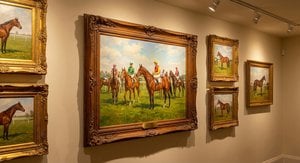
Sir Alfred Munnings' Masterpieces: 25 Paintings That Define Equine Art | ArtsDot
Explore 25 iconic Sir Alfred Munnings paintings! Discover the beauty of British Impressionism, equine art & rural England. Find museum-quality reproductions and elevate your home decor with ArtsDot. Explore the full collection online.

Dusty Rose Hues: 10 Master Paintings & Timeless Decor Inspiration
Explore 10 famous paintings bathed in captivating dusty rose tones! From Monet to Bouguereau, discover romantic Impressionism & Renaissance masterpieces. Find museum-quality art reproductions and elevate your home decor with ArtsDot.com. Explore the full collection online.


