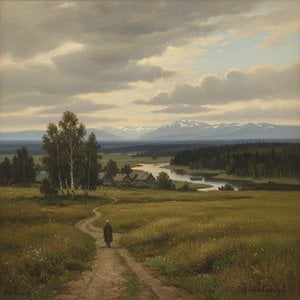
Življenje, oblikovano s črtami: Svet Lovisa Cornitha
Lovis Corinth, rojen kot Franz Heinrich Louis 21. julija 1858 v pruski provinciji Vzhodna Pruska, je bil나 lik, ki je utelesil turbulentni prehod med umetnostni svet 19. in začetka 20. stoletja. Njegova pot ni bila polna takojšnjega priznanja, temveč bolj postopne evolucije, ki jo je poganjalo neustavljivo študiranje, raznoliki vplivi in, končno, osebna tragedija. Corinthove začetke je krojila podeželska pokrajina njegove rojstne kraja, Tapiau, kjer je bil njegov oče kožuhar. Ta zgodnja izpostavljenost fizičnosti dela in surov lažni narave je subtilno prežela njegovo kasnejšo tvorbo, tudi med bolj sofisticiranimi slogovnimi raziskavami. Na Akademii v Königsbergu je začel študirati leta 1av 1876, vendar je hitro spoznal, da akademska tradicija sama po sebi ne bo zadovoljila njegovih umetniških ambicij. Sledil je obdobje potovanj, ki ga je vodilo skozi München, Antwerp in končno Pariz – vsako mesto je služilo kot ključna stopnica v njegovem razvoju. V Münchenu je sprejel natančen realizem, ki ga je zagovarjal Ludwig von Löfftz, s čimer je izpilil svoje opazovalne veščine in osvojil tehniko. Antwerp ga je uvedel v dramatično barokno intenzivnost Rubensa, Pariz pa ga je izpostavil vzrojevnemu impresionističnemu gibanju, čeprav je bil njegov prvotni odziv bil bolj previdno opazovanje kot takojšnje sprejetje.Od naturalizma do sinteze slogov
Corinthov umetniški razvoj ni bil zaznamovan s hitrimi revolucija, temveč z postopnim vključevanjem in sintezo raznolikih vplivov. Njegovo zgodnje del je močno tehtelo proti naturalizmu, kar je odražalo takratne prevladujoče akademske standarde. Slike, kot je »V klinišču« (1878), s svojo nepopustljivo prikazovanjem živalskih trupl, kažejo to predanost realističnemu predstavljanju, vendar že tukaj se začne pojavljati začetna čustna intenzivnost. Sama tematika – grozljiva in vizceralna – nakazuje pripravljenost na soočanje z neprijetnimi resnicami, kar je značilnost, ki bo v njegovem kasnejšem delu postala vse bolj izrazita. Čas, ki ga je preživel pri študiranju starih mojstrov, predvsem Rubensa, mu je vdel ljubezen do dinamične kompozicijo in ekspresivnega črtanja. Vendar je bila prav njegova izpostavljenost impresionizmu – sprva gledanega s skepticizmom – tista, ki se je na koncu izkazala za preobrazbno. Ni le sprejel razbitega barvnega tona in prehodne svetlobne učinke Monetja ali Renoirja; namesto tega je te elemente integriral v svojo edinstveno vizijo, s čimer je ustvaril slog, ki je združeval impresionistično živahnost z izrazito nemško senzibilnostjo. Ta sinteza ga je sčasoma postavila v vlogo mostu med impresionizmom in ekspresionizmom, dvema gibanjem, ki sta definirala umetniško pokrajino zgodnjega 20. stoletja.Mojster portreta in pokrajine
Čepol je Corinth skozi svojo kariero raziskoval različne žanre – vključno s bibličnimi scenami in mitološkimi temami – se je morda najbolje zapomnil po svojih portretih in pokrajinah. Njegova portretna slika ni bila le zajemanje fizične podobnosti; bila je poskus prodreti v psihološke globine njegovih modelov, razkrivanje njihovega notranjega življenja skozi subtilne geste, ekspresivne oči in skrbno premišljene kompozicije. Imel je izjemno sposobnost prenosa značaja in čustev z neverjetno ekonomičnostjo sredstev. Podobno njegove pokrajine niso bile le prikazi lepih razgledov, temveč čustveni odzivi na naravo. Regija Walchensee v Bavarskih Alpah je postala posebna vir navdih, saj mu je nudila bogatstvo motivov, ki jih je znova in znova raziskoval v svojih poznejših letih. Te slike so značilne po svojih drznih barvah, dinamičnih poteh in občutku surove energije, ki odraža Corinthovo lastno strastno vključevanje v naravni svet. Ni bil zainteresiran v idiličnih predstavah; namesto tega je želel zajeti neukrotjeno moč in izvorno dramo pokrajine.Tragedija, odpornost in trajen dediščina
Ključni trenutek v Corinthovem življenju – in morda tudi v njegovem umetniškem razvoju – je bila možganska utruitev, ki jo je doživel v decembru 1911. Paraliza, ki jo je povzročila na njegovi levi strani, je ogrozila končne svojo kariero. Vendar pa je z neomajno odločnostjo in s podporo svoje žene, Charlotte Berend-Corinth, ponovno naučil slikati, se prilagodil svojim fizičnim omejitvam in razvil še bolj ekspresiven slog. To obdobje je označilo prelomnico v njegovem delu, saj so njegove slike postale vse bolj drzne, gestualne in čustveno nabite. Izkušnja soočanja s smrtnostjo in fizično ranljivostjo je v njegovo umetnost vlijala nov občutek nujnosti in avtentičnosti. Sprejel je bolj ohlajen črtopis in intenzivnejšo barvno paleto, s čimer je predvidel številne slogovne inovacije, ki bodo določile ekspresionizem. Corinthov vpliv se je širil dlje od njegove lastne slikarstva; bil je tudi spoštovan učitelj in pisec o umetnosti, ki je objavljal eseje, kot je »O učenju slikati« leta 1908, s čimer je ponudil vpogled v svojo umetniško filozofijo in tehničen pristop. Od leta 1915 do smrti leta 1925 je služil kot predsednik Berlinske secesije, pri čemer je zagovarjal progresivne umetniške ideje in spodbudljal živahno ustvarjalno skupnost. Corinthova dediščina ne leža v njegovem izjemnem delu, temveč tudi v njegovi neomajni zavezanosti umetniški integriteti in sposobnosti, da osebno tragedijo spremeni v globoko umetniško izražanje. Ostaja ključna figura v zgodovini nemške umetnosti, mojster, ki je premostil dve dobo in pustil neizbrisno sled generacijom umetnikov, ki prihajajo.Ključna dela in njihove pomembnosti
- V klinišču (1878): Stark, realističen prikaz živalskih trupl, ki prikazuje Corinthovo zgodnjo obvladovanje tehnike in njegovo pripravljenost na soočanje z neprijetnimi temami.
- Samoportret (razne leta): Serija samoportretov, ustvarjenih vsako leto na njegov rojstni dan, ki ponuja fascinantno kroniko umetnikove razvijajoče se samozaznavanja in umetniškega sloga. Ta dela razkrivajo globoko introspekcijo in neustrašljivo raziskovanje identitete.
- Polnagost ženske s klobukom (1906): Demonstrira Corinthovo sposobnost združevanja klasičnih motivov z impresionističnimi tehnikami, kar ustvarja čuten in psihološko prepričljiv portret.
- Serija Walchensee (razne leta): Zbirka pokrajin, ki prikazujejo regijo Walchensee v Bavarski, značilno po svojih živahnih barvah, dinamičnih poteh in čustveni intenzivnosti. Te slike predstavljajo Corinthov zrel slog v njegovi najmočnejši in najbolj ekspresivni obliki.
- Zadnji samoportret (1924): Naslikan tik pred njegovo smrtjo, ta sklad je ganljiv spomenik umetnikovi odpornosti in neomajni duhi v soočenju s fizično težko usodo. Zaradi svoje simbolike predstavlja vrhunec njegove umetniške poti in služi kot močan simbol človekove vzdržljivosti.
Vprašanja in odgovori
Kje lahko najdem dela umetnika Lovis Corinth, organizirana po barvah?
Delo umetnika Lovis Corinth lahko raziskujete po barvah na njegovi strani Spektralni pregled.
Kje lahko najdem dela umetnika Lovis Corinth razvrščena po umetniškem slogu?
Stran Vsi umetnostni slogi prikazuje dela umetnika Lovis Corinth razvrščena po umetniškem slogu.
Ali obstaja celoten seznam umetnin umetnika Lovis Corinth?
Vsa dela umetnika Lovis Corinth na platformi ta spletna stran si lahko ogledate na njegovi strani Vsi umetniški slogi.