Portret John Korner

Spoznajte 10 najbolj znanih slik avtorja John Korner

Posodobljeno november 2026 · uvrščeno glede na naš skoraj priljubljenosti (iskanja, obiske in naročila za vsako delo) · 13 del v našem katalogu avtorja John Korner

Kratek opis

Če poznate eno sliko avtorja John Korner, je to verjetno Emerging 2 (1958). Coast Trellice (1958) in Coast Glitter 2 (1958) dopolnjujeta tri dela, ki jih ljudje takoj prepoznajo. Naš katalog vsebuje 13 del avtorja John Korner. Spodaj je 10 najbolj znanih del, vsako z letom nastanja, informacijo o tem, kje je zasnovano in kaj ga dela posebnega.

rojen 1967, Aarhus Največ del: Statens Museum For Kunst

Začnite tukaj: 10 najboljjših slik umetnika John Korner

Kje si lahko ogledate slike avtorja John Korner

1 muzejev, ki vsebujo največ slik na tej strani.

Muzeji Mesto Sloga John Korner Slike iz tega seznama
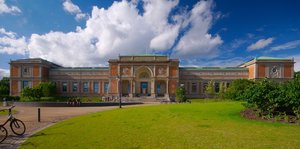
Statens Museum For Kunst, KopenhagenStatens Museum For Kunst Kopenhagen 3 Untitled. Tramp/Crocodile, Anders, Jesper

John Korner leta za letom: izpostavljena dela

Razpon let na tej strani obdaja le 5 leti umetniškega dela umetnika John Korner, od 2004 do 2008. Sledite mu leto za letom.

Slikoritve po letih

Izberite leto in oglej njegova dela.

Vaša vprašanja o slikah umetnika John Korner

Katero sliko avtorja John Korner je najbolj znana?Poglejte odgovor

Na vrhu liste je Emerging 2 (1958). Takoj za njim sta Coast Trellice (1958) in Coast Glitter 2 (1958).

Katera je 10 najbolj znanih slik umetnika John Korner?Poglejte odgovor

Emerging 2, Coast Trellice, Coast Glitter 2, Pacific Gateway, Flowers by a Blue River, Compass Rose 1, White Painting, Untitled. Tramp/Crocodile, Anders in Jesper. Leto in muzej vsakega dela boste našli v zgornjem seznamu.

Koliko slik je ustvaril John Korner?Poglejte odgovor

V našem katalogu je 13 del umetnika John Korner, datiranih od 2004 do 2008.

Kje lahko vidite znana slika umetnika John Korner?Poglejte odgovor

Večino njih boste našli v Statens Museum For Kunst (Kopenhagen). Na seznamu muzejev zgoraj je naveden celoten pregled.

Kdaj je John Korner naslikal svoja najbolj znana dela?Poglejte odgovor

V obdobju 2008, bolj kot koli drugič: 2 od 10 del na tej strani izvira iz tega obdobja, med katerimi je Anders.

Katera slika znatega umetnika John Korner je bila naslikana prva in katera zadnja?Poglejte odgovor

Najstarejše delo tukaj je Untitled. Tramp/Crocodile (2004); najsodobnejše je Anders (2008).

Katera dela umetnika John Korner lahko vidite v muzeju Statens Museum For Kunst?Poglejte odgovor

Na tej strani lahko v muzeju Statens Museum For Kunst, Kopenhagen vidite 3 dela, vključno s Untitled. Tramp/Crocodile, Anders in Jesper.

Spoznajte umetnika John Korner

John Korner: A Quiet Revolution in Watercolor

John Michael Anthony Koerner (September 29, 1913 – February 23, 2014) wasn’t a household name—not in the conventional sense of musical stardom or cinematic acclaim. Yet, his contribution to Danish art history is undeniable: John Korner carved out a distinctive path as a watercolorist whose ethereal landscapes and subtly expressive portraits captured the essence of the Nordic spirit. Born in Aarhus, Denmark, Koerner’s artistic journey began with formal training at the Royal Danish Academy of Fine Arts between 1992 and 1998, where he honed his craft and garnered recognition for his unique vision. He was awarded an Eckersberg Medal in 2012—a prestigious honor bestowed upon Denmark's most promising young artist—solidifying his place among the nation’s artistic elite.
  • Early Life & Influences:
  • Koerner’s formative years were marked by a profound connection to nature. Growing up in Aarhus instilled within him an appreciation for the serene beauty of Denmark's coastal regions and forests—influences that would permeate his artistic output. While biographical details remain somewhat sparse, anecdotal evidence suggests exposure to Impressionist painters like Claude Monet and Camille Pissarro played a crucial role in shaping his aesthetic sensibilities. These artists championed capturing fleeting moments of light and color, mirroring Koerner’s own approach to watercolor.

Watercolor Technique & Artistic Style

Koerner's distinctive style revolved around mastering the delicate medium of watercolor—a technique he embraced with unwavering dedication. Unlike bolder mediums like oil paint, watercolor relies on translucency and layering, allowing for subtle gradations of color and an unparalleled ability to convey atmosphere. He favored a muted palette dominated by blues, greens, and browns—colors that perfectly complemented his subjects—often depicting landscapes bathed in misty mornings or portraits imbued with quiet contemplation. His signature method involved applying thin washes of pigment onto damp paper, building up layers gradually to achieve depth and luminosity. This painstaking process demanded patience and precision, resulting in paintings characterized by a remarkable sense of serenity and understated beauty.
  • Notable Works:
  • “Flowers by a Blue River”, completed in 2004, exemplifies Koerner’s artistic vision. This evocative watercolor captures the tranquil essence of a riverside meadow—a scene rendered with meticulous detail and infused with luminous hues. The artist's masterful use of impasto technique adds textural richness to the composition, creating a dynamic interplay between light and shadow.
  • “Compass Rose 1”
  • : This piece showcases Koerner’s ability to distill complex emotions into simple forms—a testament to his artistic prowess.

Recognition & Legacy

Beyond the Eckersberg Medal, Koerner's work gained international acclaim through exhibitions in Berlin and Helsinki, demonstrating the breadth of his influence within the contemporary art world. His participation in Art Basel solidified his reputation as a respected figure among collectors and critics alike. Furthermore, collaborations with institutions like John Muir House and The Museum of Methodism underscore his commitment to artistic engagement with broader cultural contexts.

Concluding Thoughts

John Korner’s legacy extends beyond the canvases he created—it resides in the enduring beauty of his paintings and the quiet contemplation they inspire. He wasn't driven by grand ambitions or flamboyant gestures; rather, he pursued excellence through unwavering dedication to his craft—a path that ultimately yielded a body of work profoundly rooted in observation, sensitivity, and an unwavering belief in the transformative power of watercolor. His art continues to resonate with viewers who appreciate understated elegance and the profound connection between artist and landscape.