Timeless Elegance: A Guide to Bringing the Arts and Crafts Movement Style into Your Home
Discover how to infuse your home with the timeless beauty of the Arts and Crafts movement. From William Morris floral motifs to hand-painted oil reproductions, learn to curate a soulful, nature-inspired sanctuary filled with craftsmanship and historical elegance.
The Arts and Crafts movement was an international trend in the decorative and fine arts that developed earliest and most fully in the British Isles and subsequently spread across the British Empire and to the rest of Europe and North America. Broadly...
To step into a room inspired by the Arts and Crafts movement is to enter a sanctuary of intentionality. Born in the late 19th century, this international trend was far more than a mere aesthetic preference; it was a profound, soulful rebellion against the perceived coldness of the Industrial Revolution. As factories began to churn out mass-produced, soulless goods, visionaries like William Morris and John Ruskin looked backward to move forward. They sought to reclaim the dignity of labor and the inherent beauty found in the handmade. For the modern history lover, this movement offers a way to reject the disposable nature of contemporary life, replacing it with objects that possess a story, a weight, and a heartbeat.
This era was defined by a yearning for authenticity. Figures like Morris, a poet and socialist as much as a designer, believed that the conditions of production were just as important as the final product. The movement championed the idea that everyday objects—from a simple chair to an intricate wallpaper—should be imbued with meaning and respect for the maker's hand. When we bring these elements into our homes today, we aren't just decorating; we are participating in a long-standing tradition of valuing quality over quantity and spirit over industry.
Nature’s Masterpiece: Incorporating Organic Motifs and Floral Patterns
William Morris’s “Strawberry Thief”: A Tapestry of Thrushes and Rebellion William Morris's "Strawberry Thief," completed in 1936, isn’t merely a decorative textile; it’s a vibrant distillation of the Arts and Crafts movement’s core tenets – a celebra...
At the very heart of this aesthetic lies an unwavering devotion to the natural world. The Arts and Crafts movement viewed nature not as something to be conquered, or even merely observed, but as the ultimate instructor of design. This is most vibrantly seen in the legendary textile designs of William Morris, such as the iconic Strawberry Thief. In this masterpiece, one can almost hear the rustle of leaves and see the mischievous movement of thrushes amidst fruit beds. Such designs do not merely depict nature; they distill its very essence into rhythmic, flowing patterns that breathe life into a room.
Incorporating these organic motifs allows a space to feel connected to the earth's seasonal cycles. Whether it is through the intricate intertwining of vines, the delicate rendering of birds, or the lush, layered foliage found in botanical prints, these patterns create a sense of movement and vitality. For those looking to decorate meaningfully, selecting artworks that feature deep greens, earthy browns, and vibrant floral accents can transform a static room into a living tapestry. It is about capturing that sense of "playful disruption" Morris loved—where the wildness of the garden meets the refined elegance of the home.
The Beauty of Honesty: Embricting Natural Materials and Craftsmanship
Admire 'Blueacanthus,' a stunning William Morris reproduction! Explore intricate Arts & Crafts design, vibrant blues & greens, and Victorian elegance. Hand-painted art for your space.
There is a profound, quiet honesty in materials that are allowed to be themselves. The Arts and Crafts movement celebrated the tactile reality of wood, metal, stone, and textile. There was no desire to disguise the grain of oak or the hammered texture of copper; instead, these "imperfections" were celebrated as marks of authenticity. This philosophy extends beautifully into the world of fine art reproductions. When you choose a hand-painted oil reproduction on 100% cotton canvas, you are choosing the physical reality of the brushstroke over the flat, digital perfection of a print.
The depth found in visible impasto and the nuanced tonal range of oil paints mirror the movement's respect for craftsmanship. Just as Morris utilized the painstaking "indigo-discharge" process to achieve unparalleled detail in his textiles, a true hand-painted work offers a sensory experience that a computer-printed poster simply cannot replicate. To embrace this style is to appreciate the texture of life—the way light catches a raised ridge of paint or how the subtle variations in a handmade piece make it entirely unique to your space.
Curating Your Sanctuary: Selecting Artworks that Evocative Timelessness
A Sanctuary of Craft and Thought: Exploring the William Morris Gallery Nestled within the vibrant London borough of Walthamstow, the William Morris Gallery stands as more than just a repository of beautiful objects; it’s an immersive journey into the...
Curating a home in this style requires a gentle hand and an eye for narrative. It is not about filling every corner with clutter, but rather about selecting pieces that resonate with historical weight and emotional depth. One might begin with a focal point—perhaps a large-scale multi-panel painting that spans a wide wall, creating a modern architectural flow while echoing the grandeur of a classical fresco. The goal is to create layers of discovery, where each piece invites the viewer to linger and contemplate.
For the newcomer to art, this process can feel daunting, but it is truly an act of self-expression. You might pair a classic, nature-inspired landscape with a custom portrait that has been "remixed" into a historical style, bridging the gap between your personal history and the era you admire. By browsing through color palettes or moods rather than just names, you can find works that harmonize with your existing sanctuary, ensuring that every addition feels like a natural evolution of your home's soul.
Modernizing the Aesthetic: Blending Historical Charm with Contemporary Living
Morris, Marshall, Faulkner & Co. (1861–1875) was a furnishings and decorative arts manufacturer and retailer founded by the artist and designer William Morris with friends from the Pre-Raphaelites. With its successor Morris & Co. (1875–1940) the firm...
The true magic of the Arts and Crafts movement lies in its incredible versatility within a modern context. It does not demand a museum-like rigidity; rather, it thrives when blended with contemporary minimalism or mid-century warmth. You can honor the legacy of Morris by using his botanical motifs in a sleek, modern room, providing a soft, organic counterpoint to clean lines and industrial metals. This "period shift" allows us to inhabit the past while living firmly in the present.
As we move toward an increasingly digital and ephemeral world, bringing these elements of permanence and craftsmanship into our homes serves as a grounding force. Whether through the installation of a large-format mural that recreates a historical ceiling or the simple addition of a beautifully framed reproduction, we are building spaces that celebrate human creativity. At ArtsDot.com, we believe that art should be accessible to everyone, providing the tools and expertise to help you transform your house into a curated masterpiece of history and heart.
Uredništvo ArtsDot.com
William Morris
b. 1834 · Walthamstow, Združeno kraljestvo
Spoznajte Williama Morrisa (1834–1896), ključno figuro gibanja Arts & Crafts! Odkrijte njegove ikonične tekstilje, tapete, poezijo in socialistno vizijo, ki je vredno preoblikovala viktorijanski dizajn.
Frederick Leach (1837-1904) was a Cambridge master decorator & painter known for Victorian gothic revival murals & stained glass. Explore his stunning work!
Journey through history with 10 legendary textile masterpieces that redefined art. Explore iconic weaves, intricate techniques, and timeless textures. Find inspiration for museum-quality decor and fine art reproductions. Discover all masterpieces on ArtsDot.com.
Discover the exquisite world of Victorian botanical painting, where scientific precision meets profound aesthetic grace. Explore a journey through nature's intricate details, from legendary illustrators to the untamed beauty of Marianne North’s vibrant floral masterpieces.
Discover how to infuse your modern home with timeless elegance. Our expert guide explores integrating classical masterpieces and custom oil reproductions into contemporary interiors for a sophisticated, soulful living space.
Explore the profound legacy of the Arts and Crafts Movement. From William Morris’s organic vision to the rebellion against industrialism, discover the enduring beauty of craftsmanship. Find expert art history insights and museum-quality, hand-painted oil reproductions at ArtsDot.com.



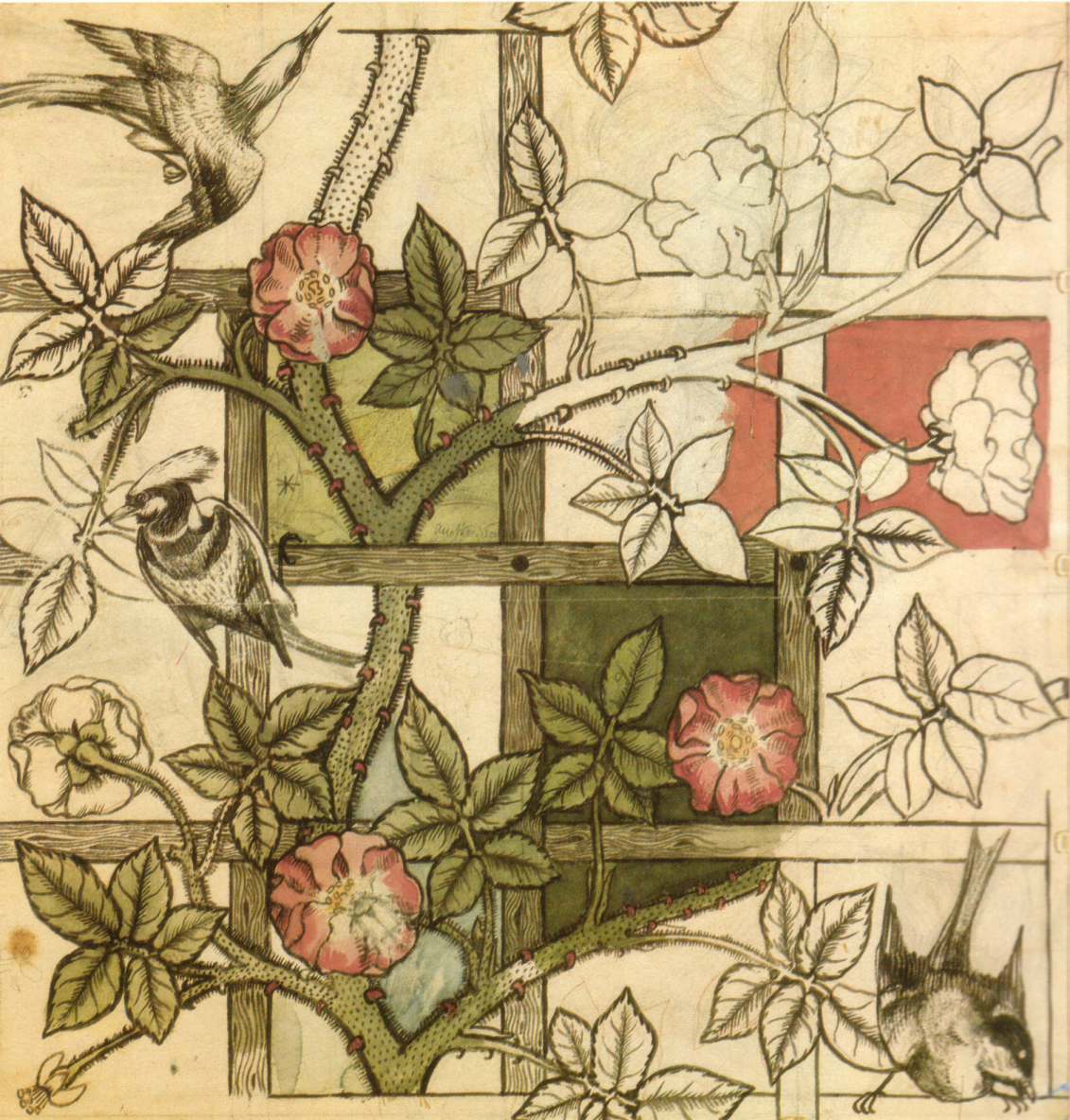 Arts and Crafts movement
 Strawberry Thief
 Blueacanthus
 William Morris Gallery
 Morris & Co.


