

The Enduring Allure of Surrealism: A Historical Perspective
 Spiritual Art: 10 Masterpieces to Inspire Your Soul |
Explore 10 spiritual art masterpieces – from Da Vinci to Van Gogh – that ignite inner peace & reflection. Discover their stories, techniques & emotional power. Find museum-quality reproductions & curated decor ideas at .
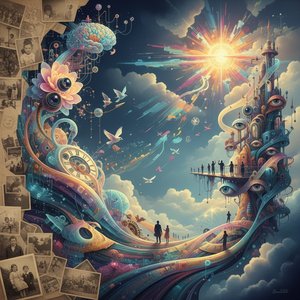
Surrealism, born from the ashes of World War I, was more than an artistic movement; it was a philosophical revolt against reason, a passionate embrace of the subconscious, and a fervent exploration of dreams. Emerging in the 1920s with André Breton’s manifesto, it sought to unlock the creative potential residing within the irrational mind – a realm previously dismissed as chaotic or insignificant. Artists like Max Ernst, Joan Miró, and René Magritte challenged conventional perceptions, juxtaposing incongruous objects and creating illogical scenes that forced viewers to question reality itself. But perhaps no artist embodies the spirit of Surrealism quite like Salvador Dalí. His meticulous technique, coupled with his wildly imaginative iconography, catapulted the movement into popular consciousness and continues to captivate audiences today. The early 20th century witnessed a profound shift in understanding the human psyche, heavily influenced by Sigmund Freud’s theories on psychoanalysis. Surrealism wasn't merely about painting bizarre images; it was an attempt to visually represent the inner workings of the mind, the hidden desires and anxieties that shape our experience. This fascination with the subconscious laid the groundwork for a new era in artistic expression, one where the boundaries between dream and reality blurred.
AI as Muse: How Artificial Intelligence is Redefining Artistic Creation
Fast forward to the 21st century, and we find ourselves at another pivotal moment in art history. The advent of artificial intelligence has introduced a new collaborator – one capable of generating images with astonishing speed and complexity. Tools like Krea.ai and Runway.ai aren’t simply replicating existing styles; they are learning from vast datasets of artwork, identifying patterns, and creating entirely novel compositions. This raises profound questions about the nature of creativity itself: can an algorithm truly be artistic? While some argue that AI lacks the emotional depth necessary for genuine expression, others see it as a powerful new medium – a tool that allows artists to explore uncharted territories of imagination. The current wave of AI art isn’t about replacing human artists; it's about augmenting their abilities and pushing the boundaries of what’s possible. AI can handle tedious tasks, generate variations on a theme, or even create entirely unexpected combinations of imagery, freeing up artists to focus on conceptualization and refinement. It is a partnership, a dialogue between human intention and machine learning.
From Snapshot to Dreamscape: The Process of AI-Powered Transformation
The process of transforming a personal photograph into a Dalí-inspired masterpiece using AI is surprisingly intuitive yet remarkably sophisticated. It begins with selecting an image – perhaps a cherished memory, a portrait, or even a simple landscape. This image serves as the foundation for the AI’s creative exploration. Uploading the photo to platforms like Krea.ai initiates a process of analysis, where the algorithm identifies key features: shapes, colors, textures, and composition. The real magic happens when you introduce stylistic prompts – keywords that guide the AI towards a specific aesthetic. For example, specifying “Salvador Dalí,” “melting clocks,” or “dreamlike landscape” instructs the AI to incorporate elements characteristic of his work. The results are often unexpected, a fascinating blend of the original image and the chosen style. Runway.ai takes this process further, allowing for more granular control over parameters like color palettes, brushstroke styles, and even the level of distortion. It’s an iterative process – experimenting with different prompts, refining the output, and gradually shaping the image until it achieves the desired effect. The AI doesn't simply apply a filter; it reimagines the photograph, infusing it with the spirit of Surrealism.
Decoding Dalí's Style: Key Elements for an Authentic Aesthetic
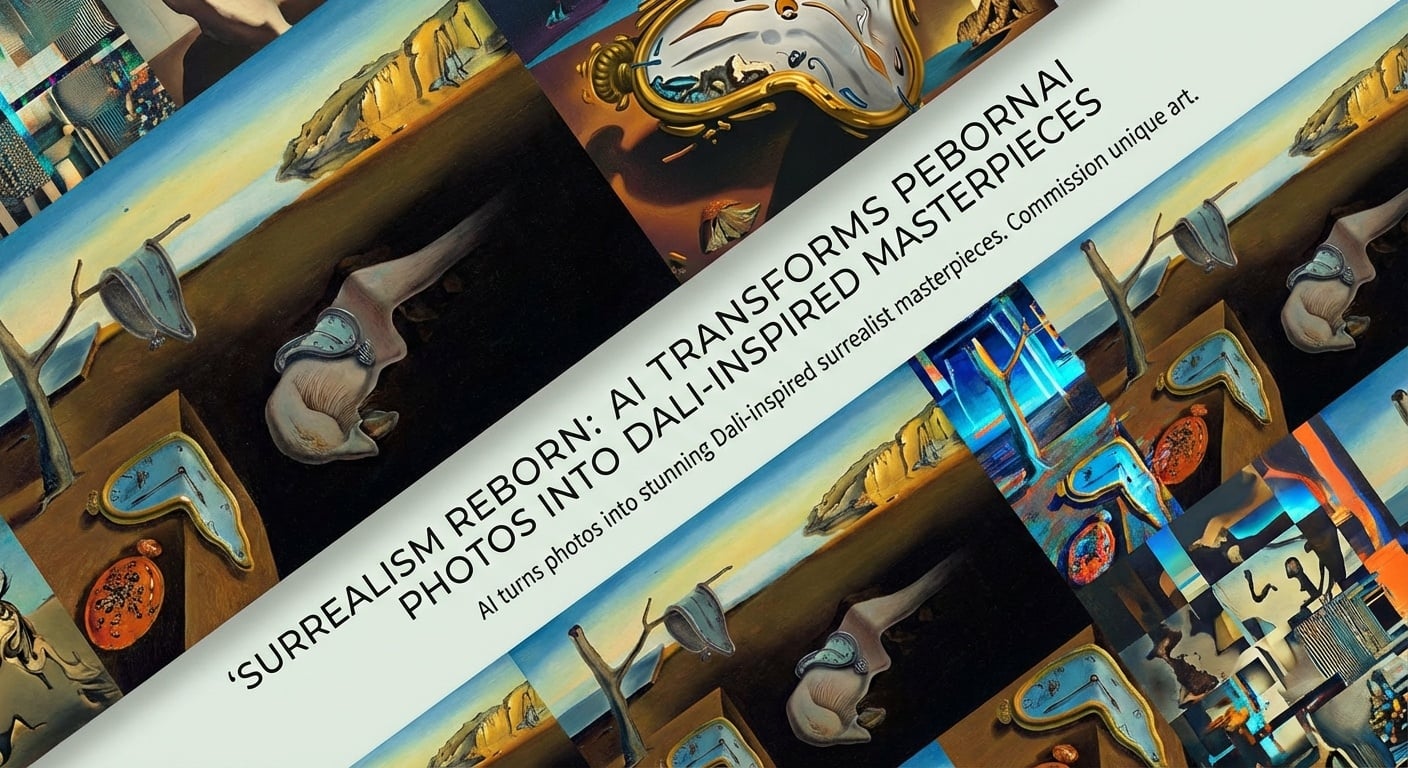
To truly capture the essence of Dalí’s style, one must understand its core components. His meticulous realism, honed through rigorous academic training, is perhaps his most striking characteristic. He possessed an unparalleled ability to render objects with photographic precision, yet he often placed them in illogical or unsettling contexts. The iconic melting clocks from *The Persistence of Memory* are a prime example – flawlessly painted but utterly divorced from reality. Symbolism played a crucial role in Dalí’s work. Ants represented decay and mortality, eggs symbolized hope and transformation, and crutches alluded to fragility and support. Gala, his wife and muse, frequently appeared in his paintings as a symbol of idealized femininity and spiritual enlightenment. Another defining feature is the use of vast, desolate landscapes – often inspired by the Catalan coastline where he spent his childhood. These empty spaces create a sense of isolation and dreamlike unease. Finally, Dalí’s penchant for double images – hidden figures or objects embedded within larger compositions – adds another layer of complexity to his work. Replicating these elements through AI requires careful prompt engineering and a keen understanding of Dalí's iconography.
Beyond the Image: Exploring the Emotional Resonance of AI Surrealism
The power of AI-generated surrealist art lies not just in its visual appeal but also in its ability to evoke emotion. By transforming personal photographs into dreamlike landscapes, these images tap into our subconscious desires and anxieties. A portrait reimagined in Dalí’s style can reveal hidden facets of personality, while a familiar landscape distorted by AI can create a sense of nostalgia or unease. The juxtaposition of the real and the unreal forces viewers to confront their own perceptions of reality – a hallmark of Surrealism. The emotional impact is heightened by the inherent strangeness of the imagery. Objects are out of place, perspectives are skewed, and logic is abandoned, creating a sense of disorientation and wonder. This isn’t simply about aesthetic beauty; it's about exploring the depths of the human psyche. AI allows us to visualize our inner worlds in ways previously unimaginable, offering a unique form of self-expression and introspection. The resulting artwork becomes more than just an image; it’s a reflection of our deepest emotions, fears, and aspirations.
Commissioning Your Own Masterpiece: Bringing Personal Visions to Life
The beauty of AI art lies in its accessibility – anyone can transform their personal photos into stunning works of art. At ArtsDot.com, we offer a seamless experience, guiding you through every step of the process. Our expert consultants provide personalized advice on style selection, prompt engineering, and customization options. Whether you’re looking to recreate a classic masterpiece or create something entirely unique, our team can bring your vision to life. We utilize state-of-the-art AI tools combined with the skill of professional artists to ensure museum-quality reproductions. From canvas size and framing to custom color palettes and brushstroke styles, we offer unparalleled flexibility.
- Choose from a variety of formats: canvas prints, framed artwork, or high-resolution digital files.
- Upload your favorite photos and let our AI algorithms work their magic.
- Collaborate with our artists to refine the output and achieve the perfect aesthetic.