

Helen Hyde: Narrative & Symbolism in Contemporary Botanical Illustration

Kazalo vsebine
Introduction: Helen Hyde – A Bridge Between Tradition and Modernity
Helen Hyde occupies a fascinating, often overlooked position in the history of American art. Born in 1868, she wasn’t simply an artist *of* her time, but one who actively synthesized disparate influences—the burgeoning Arts and Crafts movement, the delicate beauty of Japanese woodblock printing (ukiyo-e), and a distinctly personal vision—to create works that resonate with both nostalgic charm and subtle power. She stands as a bridge between the meticulous detail of 19th-century academic art and the more expressive, emotionally driven aesthetics of the early 20th century. Hyde’s prints aren't merely decorative; they are windows into a world carefully constructed, imbued with narrative nuance and symbolic depth.
Early Life & Artistic Foundations: From California Landscapes to Parisian Influence
 Miss Plum Blossom
Helen Hyde’s ‘Miss Plum Blossom’ (1897) is a whimsical watercolor of a Chinese man in folk art style. Explore this unique piece – a nostalgic glimpse into early 20th-century art.
Hyde’s artistic journey began in the vibrant landscape of California, where she received early instruction from Ferdinand Richardt, an American-Danish artist. This foundational training instilled a respect for draftsmanship and observation, qualities that would remain central to her work throughout her career. However, it was her subsequent studies in Europe – specifically six years spent honing her skills in Berlin with Franz Skarbina and later in Paris under Raphaël Collin and Félix Régamey – that truly shaped her artistic trajectory. Paris, at the turn of the century, was a crucible of new ideas, and Hyde quickly became captivated by the *Japonisme* craze sweeping the art world. The influence of Mary Cassatt, an American expatriate who masterfully integrated Japanese printmaking techniques into her own oeuvre, proved particularly significant. Cassatt’s focus on intimate scenes of women and children resonated deeply with Hyde, setting a course for her own exploration of similar themes.
The Japonisme Aesthetic: Embracing Japanese Woodblock Printing Techniques
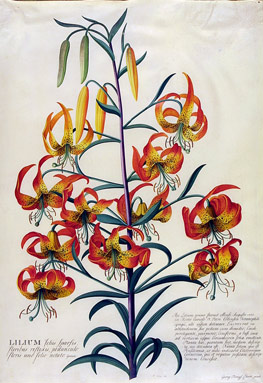 Wikipedia: Botanical illustration
Botanical illustration is the art of depicting the form, color, and details of plant species. They are generally meant to be scientifically descriptive about subjects depicted and are often found printed alongside a botanical description in books, m...
Hyde's immersion in *Japonisme* wasn’t merely stylistic; it was a deep engagement with the technical intricacies of Japanese woodblock printing. Unlike many Western artists who simply imitated the look of ukiyo-e, Hyde traveled to Japan in 1899 and remained there for over a decade, dedicating herself to mastering the process firsthand. This commitment is crucial to understanding her work. She didn’t just *depict* Japanese subjects; she learned to create art *as* a Japanese artist would, collaborating with skilled carvers like Matsumoto and printers such as Murata Shōjirō. The traditional method—involving separate woodblocks for each color layer, meticulously applied by hand—allowed for an extraordinary level of detail and luminosity. Hyde’s prints often feature delicate gradations of color and a subtle texture that distinguishes them from purely Western printmaking traditions. Her choice to use thin tissue paper, unusual for Japanese prints but favored by her American clientele, further demonstrates her unique position as a cultural translator.
Narrative Threads in Hyde’s Work: Depicting Women, Children, and Everyday Life
 Her Bit
Discover 'Her Bit' by Helen Hyde (1918), a poignant watercolor illustration of a boy knitting. Explore this evocative early 20th-century artwork’s whimsical style & vintage charm.
While deeply influenced by Japanese aesthetics, Hyde didn't simply replicate Japanese scenes. She brought her own sensibility to the medium, focusing on depictions of women and children—subjects that reflected both her admiration for Cassatt and a broader interest in social themes. Works like “A Southern Spring” (1918) offer glimpses into rural life, portraying labor alongside blossoming landscapes with an impressionistic realism. “Her Bit” (1918), a poignant watercolor of a boy knitting, speaks to the changing roles within society during wartime and the contributions made on the home front. Even seemingly simple scenes, like children at play or women engaged in daily tasks, are imbued with a quiet dignity and emotional resonance. “Miss Plum Blossom” (1897) exemplifies her early fascination with Chinese motifs, showcasing a whimsical style that blends folk art traditions with her developing printmaking skills.
Symbolism and Emotional Resonance: Unveiling Hidden Meanings in Botanical Scenes
Beyond the surface beauty of Hyde’s compositions lies a subtle layer of symbolism. Botanical elements, frequently featured in her work, weren't merely decorative; they carried specific meanings rooted in both Eastern and Western traditions. Blossoming flowers often represented renewal and hope, while carefully chosen plants could allude to themes of love, fidelity, or prosperity. The inclusion of animals—cats, birds, butterflies—added another layer of interpretation, each creature possessing its own symbolic weight. Hyde’s prints are not didactic; the symbolism is understated, inviting viewers to engage with the work on a personal level and discover their own meanings. This ability to evoke emotion through subtle details and carefully constructed narratives is perhaps her greatest strength.
Hyde's Legacy & Contemporary Relevance: A Lasting Impression on Printmaking
Helen Hyde’s career, though cut short by illness in 1919, left an indelible mark on the world of printmaking. She was a pioneer in color etching and woodblock printing, demonstrating the power of cross-cultural exchange and the beauty that can arise from artistic synthesis. Her prints continue to be admired for their technical skill, delicate aesthetic, and evocative storytelling. In a contemporary art landscape often dominated by conceptualism and abstraction, Hyde’s work offers a refreshing reminder of the enduring appeal of craftsmanship, narrative, and emotional depth. ArtsDot.com provides access to high-quality reproductions of her most celebrated works, allowing new generations to appreciate the artistry and lasting legacy of this remarkable American artist. Explore our collection today and discover the captivating world of Helen Hyde.
Sorodni članki

Paul Gustave Doré: A Master of Romantic Realism & the Illustrated Imagination
Explore the captivating world of Gustave Doré, master of Romantic realism & iconic illustrator. Discover his dramatic wood engravings, paintings, and sculptures – a legacy shaping art history. Learn more at ArtsDot.


The Enduring Power of Illustration: A Historical Survey of Narrative Art & Visual Storytelling
Explore the rich history of illustration! From ancient cave paintings to Art Nouveau masterpieces, discover how visual storytelling has shaped culture. Expert insights & stunning examples.

