Predogled
 Pošlji
 Deli
Deli
 Podrobnosti o delu

 Prenesi
 Podobni izdelki
 Rentgenski posnetek
 Predvajaj diaporama
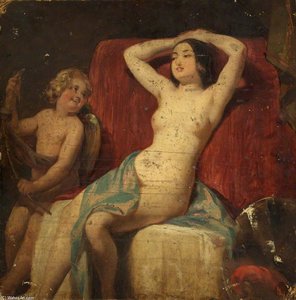
A Naiad (copy of Peter Paul Rubens, detail from 'The Arrival of Marie de Medici at Marseilles')
 Oil On Canvas
- WallArt
- Romanticism
 1824
1824 130.0 x 98.0 cm
 Royal Scottish Academy of Art - Architecture
 Razviljaj več
Ročno izdelana oljna reprodukcija
Ročno slikano olje na platnu v vaši izbiri velikosti in okvirja, izdelano po naročilu naših umetnikov. ( Kupi tisk Kupi digitalno sliko)




P118B $10

P118H $10

P118W $10

P438Z $10

P508JH $12

P508YH $12

P805H $10

P805Z $10

P919BZ $10

P919G $10

P919XJ $10

P959ZH $10

P968JZ $12

W106C $8

W218G $10

W218JH $8

W218Y $10

W307PJ $10

W316G $10

W316PJ $8

W316Y $10

W398PJ $8

W4111J $10

W500HY $15

W500JH $15

W692G $12

W849H $8

W940BG $15

W953PJ $8




Izberite eno od naših vnaprej določenih velikosti, ki ustrezajo prvotnim proporcijam umetničkega dela.

Svoje dimenzije lahko vnesete tako, da se prilagodite določenemu okvirju ali prostoru. Če izbrana velikost ne ustreza razmerjem originalne slike, bomo umetniško delo obrezali ali sliko dopolnili z dodatnimi ročno naslikanimi elementi. Pred začetkom proizvodnje vam bo poslan digitalni osnutek v odobritev.
Upoštevajte, da predogled na zaslonu ne odraža dejanskega obrezovanja ali podaljšanja. Le osnutek bo natančno prikazal končno kompozicijo.
Čeprav so na voljo velikosti po meri, priporočamo izbiro dimenzije s preddefiniranega seznama, da ohranimo originalne razmere.
Po oddaji naročila bo ekipa ArtsDot.com stranki po e-pošti poslala navodila in predogled digitalnega predogleda.
Svetska dostava () za 3/4 nedelje umesto uobičajenih 5 nedelja. (12 avgust). Bez kompromisa po pitanju kvaliteta.

Brezplačna ekspresna dostava po vsem svetu

Visokokakovostno laneno platno

Popolno zavarovanje pošiljke

Garancija povračila carine in uvoznih davkov

Garancija popolnega ujemanja barv

60-dnevna politika vračanja (le v primeru napak)

Garancija 100% povračila denarja

Popust pri večjem naročilu
 Možnost stekla je na voljo le za velikosti pod 110 cm

A Naiad (copy of Peter Paul Rubens, detail from 'The Arrival of Marie de Medici at Marseilles')
Tehnika reprodukcije
Velikost reprodukcije
-


Skupna končna cena
$ 263
Opis umetninine
A Naiad: A Dance of Passion and Shadow – William Etty’s Masterpiece
William Etty's “A Naiad,” a captivating copy of Peter Paul Rubens’s celebrated detail from ‘The Arrival of Marie de Medici at Marseilles,’ is more than just a beautiful painting; it’s a visceral exploration of human connection, struggle, and the potent drama of the Romantic era. Completed in 1824, this oil on canvas transports us to a moment suspended between desire and conflict, rendered with an intensity that continues to resonate today. Etty, a pivotal figure in British art history, masterfully captures the spirit of his Rubens inspiration while imbuing it with a distinctly personal vision – a testament to his skill as both a meticulous copyist and a deeply expressive artist.
Rubens’s original composition, part of the monumental “Marie de' Medici Cycle,” depicted a scene of opulent arrival, yet Etty strips away much of the formal grandeur, focusing instead on the raw emotion simmering beneath the surface. He isolates two male figures locked in an embrace, their bodies intertwined with a palpable tension. The setting is deliberately blurred – a suggestion of chaos and turbulence rather than a defined location – amplifying the sense of immediacy and vulnerability. This deliberate shift in focus highlights Etty’s artistic intent: to move beyond mere representation and delve into the psychological complexities of his subjects.
The Language of Form and Color
Etty's technique is immediately striking, characterized by a bold, impasto application of paint that creates a remarkably tactile surface. Thick layers of color build up the forms, emphasizing musculature and conveying a sense of dynamism. The palette is dominated by rich, warm tones – deep reds, ochres, and browns – creating an atmosphere of intense heat and passion. These colors are not merely decorative; they actively contribute to the painting’s emotional weight, suggesting both vitality and underlying danger.
The artist employs a flattened perspective, reminiscent of Romanticism, prioritizing emotional impact over strict realism. Lines are loose and gestural, guiding the viewer's eye through the composition with a sense of urgency. The dramatic chiaroscuro – the stark contrast between light and dark – further intensifies this effect, sculpting the figures’ forms and casting deep shadows that hint at hidden struggles. Notice how Etty uses light to draw attention to the points of contact between the men, highlighting their intertwined bodies and the palpable energy of their embrace.
Symbolism and Historical Context
While the precise narrative remains open to interpretation, “A Naiad” is deeply rooted in the historical context of the Marie de' Medici Cycle. Rubens’s original series depicted the Queen’s life – her triumphs, her sorrows, and her enduring strength – as a testament to her power and resilience. Etty’s copy, however, subtly shifts this focus, suggesting a more intimate and perhaps troubled relationship between the two figures. Some art historians believe that the embrace represents a struggle for dominance, a battle of wills played out within the confines of their physical connection.
The choice to depict a detail from Rubens’s larger work is itself significant. Etty wasn't simply replicating an image; he was distilling its essence – capturing the core emotion and psychological drama. This act of interpretation demonstrates Etty’s artistic maturity and his ability to transform a masterwork into something uniquely his own.
A Legacy of Passion and Power
“A Naiad” is a powerful testament to William Etty's skill as an artist and his profound understanding of the human condition. It’s a painting that demands attention, inviting viewers to contemplate the complexities of love, conflict, and the enduring power of art to capture the most intense emotions. The work’s continued appeal lies in its ability to evoke a sense of immediacy and vulnerability – a reminder that even within moments of apparent passion, shadows lurk, and struggles remain hidden beneath the surface.
Today, reproductions of this captivating masterpiece offer an opportunity to experience Etty's vision firsthand. Whether displayed as a striking centerpiece or incorporated into a carefully curated interior design scheme, “A Naiad” continues to exert its influence, reminding us of the timeless beauty and emotional depth of Romantic art.
Sorodna umetniška dela


Biografija umetnika
A Pioneer of the British Nude: The Life and Art of William Etty
William Etty, a name perhaps less instantly recognizable than his contemporaries like Turner or Constable, nevertheless occupies a pivotal position in 19th-century British art. Born in York on March 10, 1787, above his father’s bakery, Etty's journey from humble beginnings to Royal Academician was one marked by relentless dedication, artistic innovation, and no small measure of controversy. His early life offered little indication of the path he would forge. Apprenticed at age twelve to a printer in Hull, seven years were spent immersed in the practicalities of typography – a world far removed from the canvases that would eventually bear his signature. Yet, even amidst the mechanical demands of printmaking, Etty nurtured a burgeoning passion for drawing, an impulse that ultimately propelled him towards London and the hallowed halls of the Royal Academy Schools in 1807. There, under the tutelage of Thomas Lawrence, he honed his skills through diligent copying, laying the foundation for a career defined by masterful depictions of the human form. The Rise to Prominence: Nudes and Controversy Etty’s breakthrough arrived in 1821 with Cleopatra's Arrival in Cilicia, a painting that immediately ignited both admiration and scandal. The work, teeming with nude figures, was exhibited to widespread acclaim, yet simultaneously earned him a reputation for indecency. This duality would become a defining characteristic of his career. He wasn’t merely depicting nudity; he was exploring the human form with an unprecedented realism and anatomical precision for a British artist of that era. His commitment to accurately rendering flesh tones, light, and shadow – influenced by his study of Venetian masters like Titian and Rubens during travels in Italy and France – set him apart. He continued to produce historical scenes populated with nudes, often drawn from classical mythology or literature, such as The Sirens and Ulysses. These works were commercially successful, allowing Etty to thrive despite the constant criticism leveled against his subject matter. In 1828, he was elected a Royal Academician, solidifying his position within the established art world, even as whispers of impropriety followed him. Beyond the Nude: Portraits and Still Life While Etty is most celebrated for his nudes, his artistic range extended beyond this controversial domain. Recognizing the need to broaden his appeal – and perhaps secure a more stable income – he ventured into portraiture during the 1830s. Though not as groundbreaking as his figure paintings, these portraits demonstrate his technical skill and ability to capture character. Furthermore, Etty became one of the first English painters to seriously engage with still life, demonstrating an eye for detail and a sensitivity to texture that rivaled the Dutch masters he admired. This diversification reveals a pragmatic side to Etty’s artistic practice, a willingness to adapt to market demands while remaining true to his core aesthetic principles. He continued, however, to return to the nude form throughout his life, driven by an unwavering fascination with its beauty and expressive potential. Legacy and Rediscovery William Etty died in York on November 13, 1849, leaving behind a substantial body of work that initially enjoyed considerable popularity. However, tastes shifted in the decades following his death, and his paintings fell into relative obscurity. By the late 19th century, his once-celebrated works were largely forgotten, dismissed as outdated or simply too shocking for Victorian sensibilities. A remarkable rediscovery began in the early 21st century. His inclusion in Tate Britain’s landmark Exposed: The Victorian Nude exhibition (2001–2002) sparked renewed interest in his art, prompting critical reevaluation and a reassessment of his place in British art history. The restoration of The Sirens and Ulysses in 2010 further cemented this revival, revealing the brilliance of his technique and the enduring power of his vision. Today, William Etty is recognized as a pioneering figure who challenged artistic conventions, celebrated the human form with unparalleled realism, and left an indelible mark on the landscape of British art. His works stand as testaments to his skill, dedication, and unwavering commitment to capturing the beauty and complexity of the human experience.Key Works
- Cleopatra's Arrival in Cilicia (1821): The painting that launched Etty’s career and established his reputation for depicting nudes.
- The Sirens and Ulysses (1837): A dramatic depiction of Homer’s epic, showcasing Etty's mastery of composition and anatomy.
- Reverend William Jay (c. 1836-40): An example of his portraiture work, demonstrating a keen eye for character.
- Standing Female Nude (date unknown): A study showcasing Etty’s exceptional skill in rendering realistic flesh tones and form.

Vilijam Ety
1787 - 1849 , Združeno kraljestvo Velike Britanije in Irana
Hitri podatki
- Artistic Movement Or Style: Romanticism
- Artists Who Influenced This Artist: ['Thomas Lawrence']
- Date Of Birth: March 10, 1787
- Date Of Death: November 13, 1849
- Full Name: William Etty
- Nationality: British
- Notable Artworks:
- Cleopatra's Arrival
- The Sirens and Ulysses
- Place Of Birth: York, United Kingdom
Sorodni članki

The Enduring Legacy of Oil on Canvas: Technique, History & Aesthetic Impact
Explore the rich history & techniques of oil painting – from Renaissance masters to Impressionism. Discover pigments, layering methods, and why this timeless medium endures. Expert insights for artists & art enthusiasts.

Romantic Realism's Finest: 10 Masterpieces for Your Home | ArtsDot
Explore 10 defining masterpieces of Romantic Realism! Discover Courbet, Millet & Daumier's powerful paintings—capturing emotion and social realities. Find museum-quality reproductions for your home at ArtsDot.com.

Oil on Canvas: A Historical & Technical Exploration of a Timeless Artistic Medium
Explore the rich history & enduring techniques of oil painting on canvas. Discover the science behind its longevity, conservation practices, and contemporary relevance. Expert insights for art enthusiasts.

The Enduring Power of Painting: A Historical & Contemporary Exploration of Form and Emotion
Explore the rich history & enduring techniques of oil painting with ArtsDot. Discover masterpieces, learn about art collecting, and find authentic handmade reproductions crafted by skilled artists.

The Enduring Allure of the Nude: A Historical & Artistic Exploration of the Human Form
Explore the captivating history of nude art! Discover iconic paintings & artists from classical to modern eras. Uncover symbolism, techniques & find museum-quality reproductions at ArtsDot.