


 Predogled
 Pošlji
 Deli
Deli
 Podrobnosti o delu

 Prenesi
 Podobni izdelki
 Rentgenski posnetek
 Predvajaj diaporama
Pogled na fasado vrtnega paviljona


 Razviljaj več
Ročno izdelana oljna reprodukcija
Ročno slikano olje na platnu v vaši izbiri velikosti in okvirja, izdelano po naročilu naših umetnikov. ( Kupi tisk Kupi digitalno sliko)




P118B $10

P118H $10

P118W $10

P438Z $10

P508JH $12

P508YH $12

P805H $10

P805Z $10

P919BZ $10

P919G $10

P919XJ $10

P959ZH $10

P968JZ $12

W106C $8

W218G $10

W218JH $8

W218Y $10

W307PJ $10

W316G $10

W316PJ $8

W316Y $10

W398PJ $8

W4111J $10

W500HY $15

W500JH $15

W692G $12

W849H $8

W940BG $15

W953PJ $8




Izberite eno od naših vnaprej določenih velikosti, ki ustrezajo prvotnim proporcijam umetničkega dela.

Svoje dimenzije lahko vnesete tako, da se prilagodite določenemu okvirju ali prostoru. Če izbrana velikost ne ustreza razmerjem originalne slike, bomo umetniško delo obrezali ali sliko dopolnili z dodatnimi ročno naslikanimi elementi. Pred začetkom proizvodnje vam bo poslan digitalni osnutek v odobritev.
Upoštevajte, da predogled na zaslonu ne odraža dejanskega obrezovanja ali podaljšanja. Le osnutek bo natančno prikazal končno kompozicijo.
Čeprav so na voljo velikosti po meri, priporočamo izbiro dimenzije s preddefiniranega seznama, da ohranimo originalne razmere.
Po oddaji naročila bo ekipa ArtsDot.com stranki po e-pošti poslala navodila in predogled digitalnega predogleda.
Svetska dostava () za 3/4 nedelje umesto uobičajenih 5 nedelja. (19 avgust). Bez kompromisa po pitanju kvaliteta.

Brezplačna ekspresna dostava po vsem svetu

Visokokakovostno laneno platno

Popolno zavarovanje pošiljke

Garancija povračila carine in uvoznih davkov

Garancija popolnega ujemanja barv

60-dnevna politika vračanja (le v primeru napak)

Garancija 100% povračila denarja

Popust pri večjem naročilu
 Možnost stekla je na voljo le za velikosti pod 110 cm

Pogled na fasado vrtnega paviljona
Tehnika reprodukcije
Velikost reprodukcije
-


Skupna končna cena
$ 263
Opis umetninine
Pogled na fasado vrtnega paviljona Johann Bernharda Fischera von Erlacha
Johann Bernhard Fischer von Erlach je bil ključna figura avstrijske baročne arhitekture in kipar (1656-1723). Znano ga je treba po Schönbrunn Palacu, Karlskirchi ter njegovi revolucionarni arhitekturni zgodovinski knjigi 'A Plan of Civil and Historical Architecture', kjer je oblikoval evropsko arhitekturo obdobja 1700–1900. Njegovo umetniško življenje se je začelo v Grazu, kjer je študiral pri italijanskemu akademistu Giuseppe Cibernetiju in kasneje nadaljeval svoje znanje pri Johannu Georgu Wolffenu v Münchnu. Erlach je bil eden izmed vodilnih arhitektov svojega časa, ki je ustvarjal monumentalne stavbe za državo in Cerkev ter uporabljal najnovejšče tehnike baročne umetnosti.- Življenje in dela: Fischer von Erlach je bil izjemno produktiven arhitekt, ki je oblikoval številne cerkve, palače in javna prostora v Avstriji ter okolici. Njegovo delo je zaznamenalo obdobje baroka, ko so arhitekturni umetnosti prisotni elementi veličanstva, dinamike in estetike. Erlach je bil tudi znan kot zgodovinski učenjak, ki je podpiral razvoj arhitekture z znanstvenimi raziskovalnimi metodami.
- Stil: Fischer von Erlach je pripadel štipanju baročne umetnosti, kjer so oblikovalci uporabljali geometrijske oblike, monumentalnost in dekorativno obdelavo površij. Njegov arhitekturni slog je kombinacija italijanskega klasicizma in lokalnih tradicij, kar je pripomoglo k ustvarjanju edinstvenih umetniških rezultatov.
- Teknika: Erlach je uporabljal najnovejšče tehnike izdelovanja stavb, kot so uporaba kamena, opeke in drugih gradbenih materialov ter inovativne načini konstrukcije. Njegovo znanje arhitekture je bilo velikansko, kar je pokazalo v njegovem uspešnem vodstvu pri projektiranju več pomembnih stavb.
- Časovna okolica: Pogled na fasado vrtnega paviljona je ustvarjen leta 1687, ko je Avstrija bila središče evropske baročne umetnosti. Časovno obdobje je zaznamenalo velikanske politične spremembe ter intelektualni razvoj, ki so oblikovali kulturno življenje.
- Pomembnost dela: Pogled na fasado vrtnega paviljona je pomemben primer arhitekturne umetnosti zaradi svoje inovativnosti, estetike ter zgodovinske vrednosti. Erlachovo delo je še danes vir navdihovanja za arhitekte in umetnike po vsem svetu.
Sorodna umetniška dela


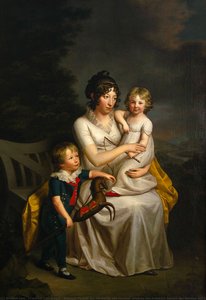

Biografija umetnika
Nicolas de Largillière: The Master of Subtle Grace
Born in Paris in 1656 and passing away in the same city in 1746, Nicolas de Largillière stands as a pivotal figure in the history of French portraiture. While often overshadowed by his more flamboyant contemporaries like Rigaud, Largillière cultivated a unique style characterized by an exquisite sensitivity to light, texture, and the quiet dignity of his subjects. His career spanned nearly fifty years, during which he established himself as one of the leading portraitists of his time, particularly renowned for capturing the refined elegance of the French middle class – a demographic largely overlooked by the grander commissions favored by the aristocracy.
Largillière’s early artistic development unfolded in Antwerp and London. He began his training with Antoine Goubeau in Antwerp, absorbing the Flemish tradition of meticulous detail and realistic representation. A subsequent period working for Lely in England exposed him to the burgeoning influence of Caravaggio's dramatic use of light and shadow, a technique that would profoundly shape his own artistic approach. This early exposure to both Flemish realism and Italian drama provided a rich foundation upon which he built his distinctive style.
A Portraitist for the Rising Middle Class
Returning to Paris in 1679, Largillière swiftly established himself as a sought-after portraitist. Unlike many of his contemporaries who primarily catered to royal and aristocratic clientele, Largillière focused on depicting members of the wealthy merchant class – individuals whose fortunes were rising alongside the prosperity of Louis XIV’s France. This shift in focus offered him a steady stream of commissions and allowed him to develop a nuanced understanding of his subjects' personalities and social standing. His portraits weren’t merely representations of appearance; they aimed to convey character, refinement, and a sense of inner composure.
His success was remarkable, particularly considering the competitive landscape of Parisian art at the time. Largillière’s ability to capture subtle expressions – a fleeting smile, a thoughtful gaze – set him apart. He employed a technique of *sfumato*, softening outlines and blending colors to create an atmosphere of hazy beauty and intimacy. This approach, combined with his masterful use of light, resulted in portraits that possess a remarkable sense of realism and psychological depth.
Technique and Artistic Influences
Largillière’s technical skill was honed through years of diligent observation and practice. He meticulously studied the anatomy of the human form, paying particular attention to the play of light on skin and fabric. His brushwork is characterized by a delicate layering of colors, creating a sense of texture and volume that brings his subjects to life. The influence of Caravaggio is undeniable in Largillière’s use of chiaroscuro – the dramatic contrast between light and shadow – which he employed not for theatrical effect but to heighten the emotional impact of his portraits.
Furthermore, Largillière drew inspiration from Flemish masters like Anthony van Dyck, whose elegant compositions and refined portraiture served as a model for many French artists. However, Largillière’s style evolved beyond mere imitation; he synthesized these influences into a uniquely personal vision, characterized by an understated elegance and a profound sensitivity to human emotion.
Legacy and Historical Significance
Throughout his long career, Largillière produced an astonishing number of portraits – contemporary sources estimate around 1,500. While he also engaged in religious works, still lifes, and landscapes, it is his portraiture that remains his most enduring legacy. He was appointed director of the Académie Royale in his eighties (1734–5 and 1738–42), a testament to his continued influence and respect within the artistic community.
Largillière’s portraits offer a valuable glimpse into the social and cultural landscape of 18th-century France. They reveal the aspirations, values, and anxieties of the rising middle class – a group that played an increasingly important role in shaping the nation's destiny. His work continues to be admired for its exquisite beauty, technical mastery, and profound understanding of human nature. He is often considered the French equivalent of Van Dyck, a title he certainly deserved.

johann bernhard fischer von erlach
1656 - 1723 , Austria
Hitri podatki
- Artistic Movement Or Style: Portraiture
- Artists Or Movements Influenced By This Artist: ['Van Dyck']
- Artists Who Influenced This Artist:
- Lely
- Verrio
- Date Of Birth: 1656
- Date Of Death: 1746
- Full Name: Nicolas de Largillière
- Nationality: French
- Notable Artworks:
- The Apotheosis of Homer
- Portrait of a Young Man
- Portrait of a Woman
- Place Of Birth: Paris, France
Sorodni članki
Decoding Baroque Grandeur: A Guide to the Drama and Emotion of 17th-Century Art
Explore the breathtaking drama of 17th-century Baroque art. Our expert guide decodes the use of chiaroscuro, emotional intensity, and historical grandeur to help you appreciate and curate timeless masterpieces for your collection.

Baročne mojstrovine: 10 umetnin, ki so definirale obdobje | ArtsDot
Odkrijte 10 baročnih mojstrovine, ki so zaznamovale umetnost! Karavaggio, Bernini & Rubensovi deli v zgodovinskem kontekstu. Navdih za notranjost in reprodukcije slik na ArtsDot.com. Raziskujte polno zbirko online!

Baroque Classicism: Reconciling Drama & Order in 17th-Century Art
Explore the captivating world of Baroque Classicism! Discover its history, key artists like Caravaggio & Rubens, and defining characteristics. Expert insights & high-quality reproductions at ArtsDot.

The Dramatic Flourish: Exploring the Baroque Movement's Enduring Legacy in Art History
Explore the dramatic world of Baroque art! Discover iconic artists like Caravaggio & Rubens, defining techniques, and its lasting impact on art history. Expert insights for collectors & enthusiasts at ArtsDot.

Baročna Drama: Uvedba Velikosti in Čustvenosti v Sodobne Interierje
Odkrijte veličino baročne umetnosti! Nasveti za integracijo dramatičnosti in čustvenosti v vaš dom. Kvalitetne reprodukcije, naročila po meri pri ArtsDot.com – strokovno posvetovanje in vrhunska kakovost.


