

 Predogled
 Pošlji
 Deli
Deli
 Podrobnosti o delu

 Prenesi
 Podobni izdelki
 Rentgenski posnetek
 Predvajaj diaporama
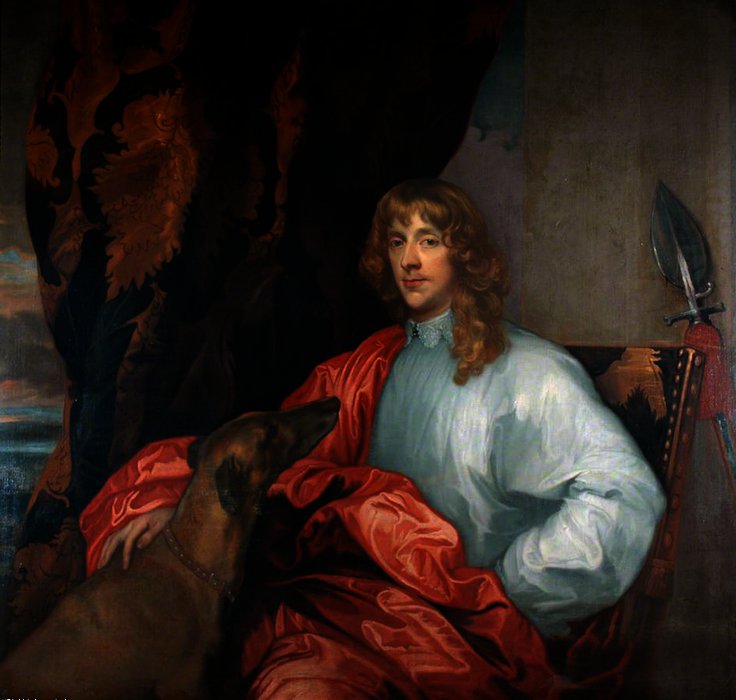
James Stuart, Dukt Richmond

 Razviljaj več
Ročno izdelana oljna reprodukcija
Ročno slikano olje na platnu v vaši izbiri velikosti in okvirja, izdelano po naročilu naših umetnikov. ( Switch to Print Preklop na sliko)




P118B $10

P118H $10

P118W $10

P438Z $10

P508JH $12

P508YH $12

P805H $10

P805Z $10

P919BZ $10

P919G $10

P919XJ $10

P959ZH $10

P968JZ $12

W106C $8

W218G $10

W218JH $8

W218Y $10

W307PJ $10

W316G $10

W316PJ $8

W316Y $10

W398PJ $8

W4111J $10

W500HY $15

W500JH $15

W692G $12

W849H $8

W940BG $15

W953PJ $8




Izberite eno od naših vnaprej določenih velikosti, ki ustrezajo prvotnim proporcijam umetničkega dela.

Svoje dimenzije lahko vnesete tako, da se prilagodite določenemu okvirju ali prostoru. Če izbrana velikost ne ustreza razmerjem originalne slike, bomo umetniško delo obrezali ali sliko dopolnili z dodatnimi ročno naslikanimi elementi. Pred začetkom proizvodnje vam bo poslan digitalni osnutek v odobritev.
Upoštevajte, da predogled na zaslonu ne odraža dejanskega obrezovanja ali podaljšanja. Le osnutek bo natančno prikazal končno kompozicijo.
Čeprav so na voljo velikosti po meri, priporočamo izbiro dimenzije s preddefiniranega seznama, da ohranimo originalne razmere.
Po oddaji naročila bo ekipa ArtsDot.com stranki po e-pošti poslala navodila in predogled digitalnega predogleda.
Svetska dostava () za 3/4 nedelje umesto uobičajenih 5 nedelja. (11 avgust). Bez kompromisa po pitanju kvaliteta.

Brezplačna ekspresna dostava po vsem svetu

Visokokakovostno laneno platno

Popolno zavarovanje pošiljke

Garancija povračila carine in uvoznih davkov

Garancija popolnega ujemanja barv

60-dnevna politika vračanja (le v primeru napak)

Garancija 100% povračila denarja

Popust pri večjem naročilu
 Možnost stekla je na voljo le za velikosti pod 110 cm

James Stuart, Dukt Richmond
Tehnika reprodukcije
Velikost reprodukcije
-


Skupna končna cena
$ 263
Opis umetninine
James Stuart, Duke of Richmond – A Baroque Portrait Embodied in Elegance
James Stuart, Duke of Richmond and Lennox, stands as a testament to the grandeur of the Elizabethan era and the mastery of Sir Anthony van Dyck. Painted around 1636, this portrait transcends mere likeness; it’s an exquisitely crafted depiction of power, nobility, and refined taste – a piece that continues to captivate viewers centuries later. Commissioned during Charles I's reign, Stuart served as a loyal supporter of the monarchy and held prominent positions at court, cementing his status as a figure of considerable importance within British history.- Subject Matter: The portrait portrays James Stuart seated in an opulent interior, bathed in dramatic chiaroscuro lighting. At his feet rests a dignified dog, symbolizing loyalty and companionship – elements common in aristocratic portraits of the period.
- Style & Technique: Van Dyck’s style firmly anchors itself within Baroque realism, prioritizing meticulous detail and theatrical illumination. He skillfully employs layering oil paint to build up texture and create depth, capturing the subtle nuances of skin tone and fabric drapery with remarkable precision. The technique demonstrates a profound understanding of perspective and atmospheric effects.
- Composition: The central figure dominates the frame, reflecting the conventions of portraiture during Stuart’s time. Linear perspective guides the eye towards receding architectural elements, enhancing the sense of space and grandeur.
Symbolism – Signifying Status and Authority
Beyond its visual beauty lies a wealth of symbolic significance. The Duke wears a sword and plume—powerful emblems representing military prowess and aristocratic rank—underscoring his position within the hierarchy of Elizabethan society. These symbols speak to Stuart’s role as a defender of the crown and a symbol of royal prestige. The draped curtain serves as a backdrop, subtly reinforcing the formality of the scene and contributing to the overall impression of regal splendor.Historical Context – Rubens' Influence and the English Court
Van Dyck’s artistic journey was profoundly shaped by his collaboration with Peter Paul Rubens in Antwerp. Rubens instilled in him an appreciation for dynamic compositions, vibrant color palettes, and masterful use of light—influences that are undeniably evident in Stuart’s portrait. This connection to Rubens' legacy reflects the broader artistic currents circulating throughout Europe during Stuart’s lifetime – a period marked by fervent patronage and ambitious artistic endeavors. The commission itself highlights the importance of royal portraits as instruments of propaganda and social prestige.Emotional Impact – Confidence and Nobility Reflected
Ultimately, James Stuart, Duke of Richmond remains an emotionally resonant artwork. The portrait exudes confidence and nobility—qualities that were highly valued in Elizabethan aristocracy. Van Dyck’s skillful rendering captures not only Stuart's physical appearance but also his inner character, conveying a sense of dignity and composure that speaks to the enduring fascination with portraits as windows into the human spirit. It is a masterpiece of Baroque realism, destined to inspire admiration for generations to come.Sorodna umetniška dela


Biografija umetnika
A Flemish Master at the Courts of Europe
Sir Anthony van Dyck, born in Antwerp on March 22, 1599, emerged as one of the most celebrated and influential portraitists of the Baroque era. His life, though tragically cut short at just forty-two years old, was a whirlwind of artistic exploration and prestigious commissions that took him from his native Flanders to Italy and ultimately to the heart of the English court. From an early age, van Dyck displayed remarkable talent, entering Hendrick van Balen’s workshop as a young apprentice and quickly absorbing the prevailing styles of the time. However, it was his association with Peter Paul Rubens – not merely as a student but as a collaborator – that truly shaped his artistic foundation. He learned from Rubens' dynamic compositions, rich color palettes, and masterful handling of light and shadow, yet van Dyck soon began to forge his own distinct path, one characterized by an elegance and refinement that would become his signature.Early Influences and Artistic Training
Rubens’ influence was profound; he instilled in van Dyck a belief in the expressive power of color and movement—a departure from the more austere styles prevalent at the time. This formative period honed van Dyck's technical skills, equipping him with the tools necessary to achieve his unparalleled artistic vision. He mastered oil painting techniques, diligently studying Rubens’ masterful brushstrokes and compositional strategies. Simultaneously, he cultivated a keen understanding of etching, recognizing its potential for capturing detail and conveying mood—a skill that would prove invaluable throughout his career. These early influences established the bedrock upon which van Dyck constructed his distinctive style, shaping his artistic sensibilities and informing his approach to portraiture.Italian Sojourns: The Birth of Style
Around 1621, van Dyck embarked on a transformative journey to Italy—a pilgrimage that would solidify his reputation as one of the era’s foremost artists. He initially resided in Genoa, where he quickly gained recognition among the city's aristocratic families. It was here that he perfected his signature style—characterized by graceful poses, luxurious fabrics, and an almost palpable sense of nobility. Unlike Rubens’ bold dynamism, van Dyck’s Italian portraits radiated a refined composure, capturing not just physical likeness but also the inner character and social standing of his sitters. He skillfully employed chiaroscuro—the dramatic interplay of light and shadow—to heighten emotional impact and create images that were both visually arresting and psychologically insightful. During this period, he also undertook significant etching projects, demonstrating his exceptional technical prowess and establishing himself as a leading printmaker. His *Iconography* series showcased his meticulous attention to detail and cemented his position as a pioneer of the engraving medium.The King’s Painter: Van Dyck in England
In 1632, van Dyck received an invitation that would forever alter his artistic trajectory—a summons from Charles I of England to become the court painter. This appointment marked a pivotal moment, not only for van Dyck but also for English portraiture. He arrived in London with considerable renown and swiftly became indispensable to the king, tasked with creating images that projected an aura of power, majesty, and divine right. Van Dyck’s portraits of Charles I are particularly noteworthy; he moved away from the stiff, formal representations favored by earlier artists, instead portraying the king as a dynamic, charismatic leader. He employed innovative techniques—dramatic lighting, sweeping gestures, and carefully chosen backgrounds—to create images that were both visually stunning and politically charged. His influence extended beyond the royal family, shaping the visual culture of the English aristocracy for generations to come. He didn’t just paint portraits; he crafted an image of kingship, influencing how royalty was perceived for over a century.Legacy and Enduring Influence
Van Dyck's untimely death in December 9, 1641, tragically curtailed his artistic career, yet his legacy endures to this day. His impact on English portraiture is immeasurable; he established a standard of elegance and sophistication that subsequent artists would strive to emulate. He was a master of both oil painting and etching, constantly experimenting with new techniques. His portraits are characterized by their graceful poses, luxurious fabrics, and subtle psychological insights. Rubens’ influence instilled in him a belief in the expressive power of color and movement—a departure from the more austere styles prevalent at the time. These early influences established the bedrock upon which van Dyck constructed his distinctive style, shaping his artistic sensibilities and informing his approach to portraiture. His works continue to captivate audiences with their beauty, elegance, and enduring psychological depth.- Technical Innovation: He was a master of both oil painting and etching, constantly experimenting with new techniques.
- Stylistic Refinement: His portraits are characterized by their graceful poses, luxurious fabrics, and subtle psychological insights.
- Courtly Influence: He transformed the image of the English monarchy, creating a visual language of power and prestige.

Sir Anthony Van Dyck
1599 - 1641 , Belgjija
Hitri podatki
- Artistic Movement Or Style: Baroque
- Artists Or Movements Influenced By This Artist: ['English portrait painting']
- Artists Who Influenced This Artist: ['Peter Paul Rubens']
- Date Of Birth: March 22, 1599
- Date Of Death: December 9, 1641
- Full Name: Sir Anthony van Dyck
- Nationality: Flemish
- Notable Artworks:
- Portrait of a woman and child
- Equestrian portrait of Charles I
- Lord John Stuart & brother
- Place Of Birth: Antwerp, Belgium
Sorodni članki

The Grandeur of Baroque Portraiture: Power, Emotion & Artistic Innovation
Explore the grandeur of Baroque portraiture! Discover Rubens, Van Dyck & the masters of 17th-century art. Uncover symbolism, techniques & lasting influence. Expert insights for collectors and enthusiasts.
Baroque Realism: Illusion, Emotion & the Dramatic Transformation of 17th-Century Art
Explore the dramatic world of Baroque Realism! Discover iconic artists like Caravaggio & Rubens, their techniques, and the movement's lasting impact on art history. Expert insights for collectors & enthusiasts.

Sir Anthony van Dyck: Courtly Portraiture & the Shaping of Baroque Identity
Explore the life & legacy of Sir Anthony van Dyck, the leading court painter of his era. Discover his innovative portraiture, Baroque masterpieces, and investment potential for discerning collectors. Learn more at ArtsDot.

Masterpieces of the 17th Century: Art, History & Decor Inspiration | ArtsDot
Journey through 17th century art with masterpieces by Rembrandt, Vermeer & Caravaggio. Explore Baroque paintings, Dutch Golden Age techniques & timeless beauty. Find museum-quality reproductions and elevate your home decor on ArtsDot.com.

Oil on Canvas Masters: 10 Paintings That Redefined Art History |
Journey through art history with our guide to 10 legendary oil on canvas masterpieces! Explore iconic works by Van Gogh, Monet & Rembrandt. Find museum-quality reproductions and elevate your home decor at . Discover all masterpieces online.



