

 Predogled
 Pošlji
 Deli
Deli
 Podrobnosti o delu

 Prenesi
 Podobni izdelki
 Rentgenski posnetek
 Predvajaj diaporama
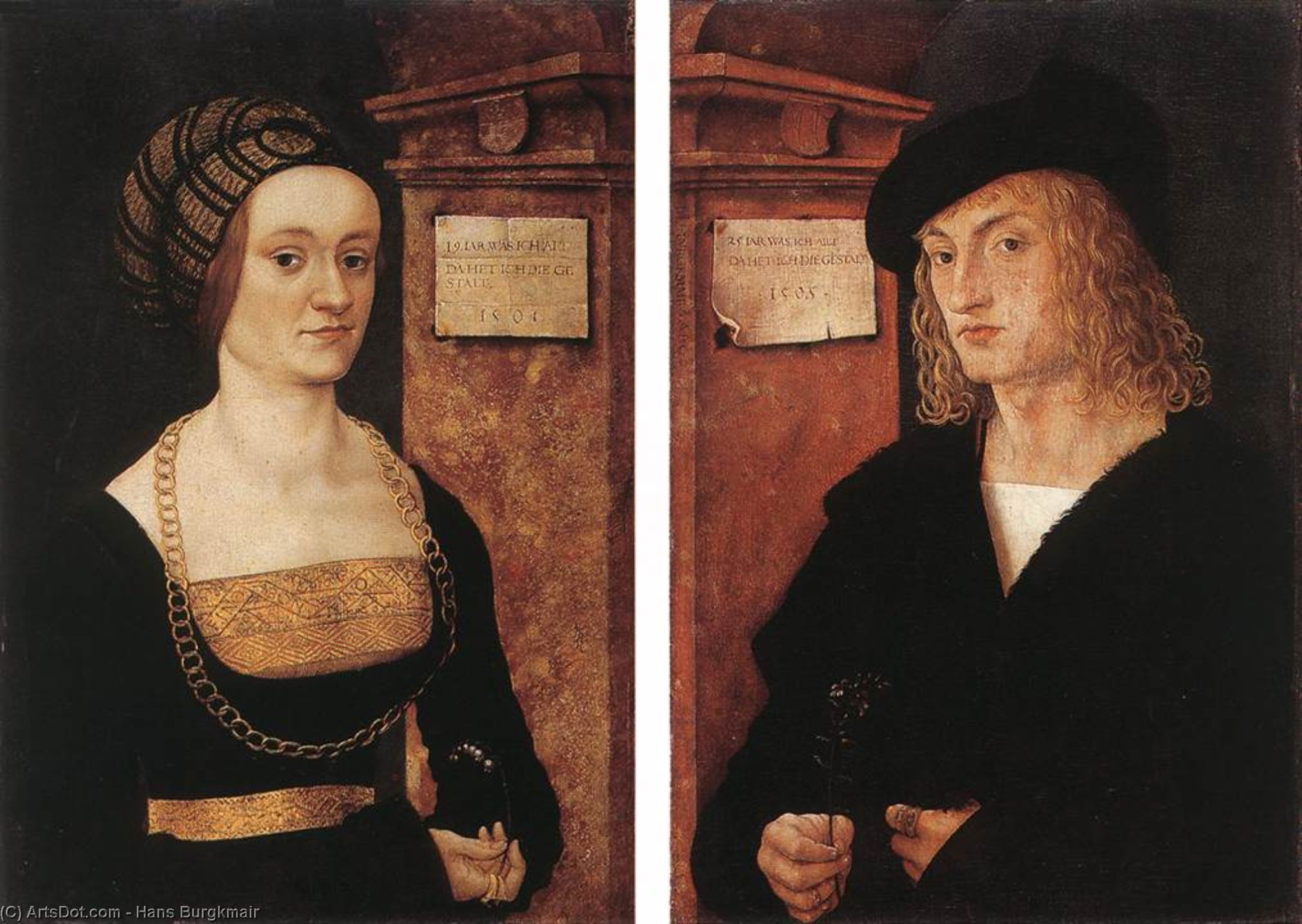
Barbara Schellenberger, geb. Ehem
 Akril na platnu
- Stenska umetnost
- Renaissance Italian Style
 1505
1505 41.0 x 28.0 cm
 Wallraf-Richartz-Museum
 Razviljaj več
Ročno izdelana oljna reprodukcija
Ročno slikano olje na platnu v vaši izbiri velikosti in okvirja, izdelano po naročilu naših umetnikov. ( Switch to Print Preklop na sliko)




P118B $10

P118H $10

P118W $10

P438Z $10

P508JH $12

P508YH $12

P805H $10

P805Z $10

P919BZ $10

P919G $10

P919XJ $10

P959ZH $10

P968JZ $12

W106C $8

W218G $10

W218JH $8

W218Y $10

W307PJ $10

W316G $10

W316PJ $8

W316Y $10

W398PJ $8

W4111J $10

W500HY $15

W500JH $15

W692G $12

W849H $8

W940BG $15

W953PJ $8




Izberite eno od naših vnaprej določenih velikosti, ki ustrezajo prvotnim proporcijam umetničkega dela.

Svoje dimenzije lahko vnesete tako, da se prilagodite določenemu okvirju ali prostoru. Če izbrana velikost ne ustreza razmerjem originalne slike, bomo umetniško delo obrezali ali sliko dopolnili z dodatnimi ročno naslikanimi elementi. Pred začetkom proizvodnje vam bo poslan digitalni osnutek v odobritev.
Upoštevajte, da predogled na zaslonu ne odraža dejanskega obrezovanja ali podaljšanja. Le osnutek bo natančno prikazal končno kompozicijo.
Čeprav so na voljo velikosti po meri, priporočamo izbiro dimenzije s preddefiniranega seznama, da ohranimo originalne razmere.
Po oddaji naročila bo ekipa ArtsDot.com stranki po e-pošti poslala navodila in predogled digitalnega predogleda.
Svetska dostava () za 3/4 nedelje umesto uobičajenih 5 nedelja. (9 avgust). Bez kompromisa po pitanju kvaliteta.

Brezplačna ekspresna dostava po vsem svetu

Visokokakovostno laneno platno

Popolno zavarovanje pošiljke

Garancija povračila carine in uvoznih davkov

Garancija popolnega ujemanja barv

60-dnevna politika vračanja (le v primeru napak)

Garancija 100% povračila denarja

Popust pri večjem naročilu
 Možnost stekla je na voljo le za velikosti pod 110 cm

Barbara Schellenberger, geb. Ehem
Tehnika reprodukcije
Velikost reprodukcije
-


Skupna končna cena
$ 263
Opis umetninine
Barbara Schellenberger in Hans Burgkmair’s Masterpiece
Hans Burgkmair the Elder's "Barbara and Hans Schellenberger," painted around 1505, stands as a testament to the burgeoning Renaissance spirit within German artistic circles. This exquisite portrait captures a moment of profound intimacy between Barbara Ehem and her husband, Hans Schellenberger – prominent figures in Augsburg’s patrician class. More than just a likeness, it embodies the humanist ideals prevalent during this transformative period, reflecting an interest in human emotion and individual dignity.- Subject Matter: The painting depicts Barbara and Hans Schellenberger standing side by side, conveying a sense of companionship and mutual respect. Their poses are carefully crafted to project serenity and confidence – characteristics highly valued in portraiture during the Renaissance.
- Style & Technique: Burgkmair’s masterful use of chiaroscuro—the dramatic interplay between light and shadow—creates depth and realism, characteristic of Italian Renaissance painting but skillfully adapted for German sensibilities. The artist employs meticulous detail to render textures like fabric and skin, demonstrating a dedication to capturing the essence of his subjects.
- Historical Context: Augsburg flourished as a center of commerce and artistic innovation during this era, influenced heavily by developments in Florence and Rome. Burgkmair’s work exemplifies the fusion of Gothic traditions with emerging Renaissance ideals—a pivotal moment in European art history. The painting reflects the growing importance of portraiture as a means of commemorating individuals and celebrating marital bonds.
- Symbolism: The inclusion of symbolic elements elevates the artwork beyond mere representation. Barbara holds an eyebright flower, representing cheerfulness and optimism – a gesture intended to convey happiness and future prosperity. Hans Schellenberger wears a hat, signifying status and authority. These symbols underscore the painting’s overarching theme of marital devotion and aspiration.
- Emotional Impact: “Barbara and Hans Schellenberger” evokes feelings of warmth, tenderness, and quiet dignity. The artist's skillful depiction captures not only physical appearance but also inner character—a hallmark of Renaissance portraiture aimed at conveying the sitter’s personality and virtues. It remains a captivating image that speaks to the enduring fascination with human relationships and artistic beauty.
Provenance & Significance
Originally housed in St Petersburg's Hermitage Museum, this pair of portraits represents one of Burgkmair’s most celebrated commissions—a testament to Maximilian I’s patronage and his appreciation for humanist art. The painting is considered a cornerstone of German Renaissance art, showcasing Burgkmair’s innovative approach to technique and style while simultaneously reflecting the broader cultural currents shaping Europe at the time. Its meticulous detail and emotive portrayal continue to inspire admiration among art historians and collectors alike.Wallraf-Richartz Museum Display
Currently residing in the Wallraf-Richartz Museum, “Barbara and Hans Schellenberger” is presented alongside other works by Burgkmair and contemporaries, offering visitors a comprehensive understanding of the artistic landscape of Augsburg during the early sixteenth century. The museum’s careful curation illuminates the painting's place within its historical context and underscores its enduring legacy as an exemplar of Renaissance portraiture.Further Exploration
To delve deeper into Hans Burgkmair’s oeuvre and the broader artistic environment of Augsburg, consider researching his collaborations with Richard Lorenz and exploring related artworks from the period. Examining similar portraits by Holbein and other masters will enrich your appreciation for the stylistic innovations that defined the Renaissance—a movement that profoundly impacted European art and culture.Sorodna umetniška dela


Biografija umetnika
Hans Burgkmair the Elder: Bridging Renaissance Italy and German Tradition
Born in Augsburg, Germany, around 1473, Hans Burgkmair the Elder emerged as a pivotal figure in the transition between late Gothic and early Renaissance art. His life coincided with a period of intense artistic exchange between Northern Europe and Italy, and he skillfully absorbed the innovations of the Italian Renaissance while retaining a distinctly German sensibility. Unlike many artists who traveled to Italy for formal training, Burgkmair’s influence stemmed from his deep engagement with the ideas circulating through printed books and images – a crucial development in disseminating new artistic trends across Europe. He wasn't merely copying Italian models; he was actively synthesizing them with established Northern European techniques and subject matter.
His early career began as an apprentice to his father, Thomas Burgkmair, a respected painter in Strasbourg. This familial connection provided him with a solid foundation in traditional German painting styles. However, it was his time working under Martin Schongauer in Colmar that truly ignited his artistic development. Schongauer’s mastery of detail and use of oil paint—techniques still relatively novel at the time—profoundly impacted Burgkmair's approach to rendering form and texture. Following Schongauer’s death, Burgkmair continued his training in Augsburg, absorbing further influences from the burgeoning artistic scene.
The Rise of a Master: Woodcuts and Frescoes
Burgkmair quickly established himself as a highly sought-after artist, specializing primarily in woodcut and fresco. His woodcuts, numbering around 700, are particularly significant for their innovative use of chiaroscuro – the dramatic interplay of light and shadow achieved through multiple blocks inked with varying tones. This technique, pioneered by Burgkmair, moved beyond the traditional single-block method and allowed him to create a remarkable sense of depth and volume, mimicking the effects of oil painting. His most celebrated woodcut series is undoubtedly the “Triumphs of Maximilian,” commissioned by Emperor Maximilian I to commemorate his victories and solidify his imperial authority. These prints are not merely decorative; they’re complex allegorical narratives filled with symbolism and meticulously rendered details.
Beyond woodcuts, Burgkmair was a skilled fresco painter. He is credited with decorating the facade of the Fugger residence in Augsburg – a landmark building that exemplifies the early Italian Renaissance style in Germany. Sadly, these frescoes have been lost to history, leaving behind only tantalizing descriptions and fragments of their grandeur. His work on the Munich and Vienna facades offers valuable insights into his fresco technique and stylistic choices.
Influences and Artistic Style
Burgkmair’s artistic style is a fascinating blend of Northern European tradition and Italian Renaissance ideals. He retained the meticulous detail and realism characteristic of German painting, but he also embraced the Italian emphasis on perspective, proportion, and classical motifs. The influence of Giorgione, a Venetian painter known for his atmospheric landscapes and poetic compositions, is particularly evident in Burgkmair’s work. Giorgione's use of muted colors and evocative scenes clearly resonated with Burgkmair, who sought to capture the mood and atmosphere of his subjects rather than simply depicting them realistically.
His son, Hans Burgkmair the Younger, continued his father’s legacy, collaborating on the “Turnierbuch,” a lavish illustrated tournament book. This collaborative effort further cemented the family's reputation as leading artists of their time and demonstrated the transmission of artistic knowledge from one generation to the next.
Legacy and Historical Significance
Hans Burgkmair the Elder’s contribution to art history is immense. He was among the first German artists to genuinely engage with the innovations of the Italian Renaissance, adapting them to his own cultural context and developing a unique artistic style. His pioneering use of chiaroscuro in woodcuts revolutionized printmaking techniques, paving the way for future generations of artists. Furthermore, he played a crucial role in introducing Renaissance ideas to Northern Europe through his prints and frescoes, contributing significantly to the broader dissemination of artistic knowledge during a period of rapid cultural change. He stands as a testament to the dynamic interplay between tradition and innovation that characterized the early Renaissance era.

hans burgkmair
1473 - 1531 , Germany
Hitri podatki
- Artistic Movement Or Style: Italian Renaissance
- Artists Or Movements Influenced By This Artist: ['Hans Burgkmair the Younger']
- Artists Who Influenced This Artist:
- Giovanni Bellini
- Giorgione
- Date Of Birth: 1473
- Date Of Death: c. 1531
- Full Name: Hans Burgkmair the Elder
- Nationality: German
- Notable Artworks:
- Triumphs of Maximilian
- Turnierbuch
- Lovers Surprised by Death
- Place Of Birth: Augsburg, Germany
Sorodni članki

German Expressionism's 10 Defining Masterpieces | Art for Your Home
Explore 10 defining German Expressionism masterpieces – from Munch's 'The Scream' to Kandinsky’s abstracts. Discover the artists, stories & bold colors behind this powerful art movement. Find museum-quality reproductions at ArtsDot.com.

The Northern Awakening: Artistic Innovation & Cultural Transformation in the German Renaissance
Explore the artistic innovation of the German Renaissance! Discover Dürer, the Danube School & Reformation art. Learn about techniques, materials & lasting influence. Find museum-quality reproductions at ArtsDot.

Hans Holbein the Younger: A Renaissance Portraitist's Mastery of Realism & Psychological Insight
Explore the life & art of Hans Holbein the Younger, a Renaissance master renowned for his strikingly realistic portraits and psychological insight. Discover iconic works like 'The Ambassadors' and delve into his lasting legacy.

Hans Baldung Grien: A Renaissance Master of Allegory, Innovation & the Grotesque
Explore the captivating world of Hans Baldung Grien, a Renaissance master renowned for his allegorical paintings, striking woodcuts & unique depictions of mythology and the grotesque. Discover his life, works & legacy with ArtsDot.

Anton von Werner: Imperial Painter, Historical Witness & Shifting German Identity
Explore the life & work of Anton von Werner, Imperial Germany's leading painter. Discover his dramatic depictions of war, unification, and court life – a fascinating insight into 19th-century German history & art.


