


Slika sledi vašim izbiram: , .
Opis zbirateljskega predmeta
Varoom: Ikonična pop art eksplozija Rojta Lihtenštejna z živahnimi barvami, Ben-Day točkami in poglobljeno simboliko vojne.
 Preberi več
Biografija umetnika
Pionir pop umetnosti Roy Lichtenstein je slaven zaradi Ben-Day pik in dela Whaam!. Razkrijte njegove ikonične prikaze že danes.
To umetniško delo je zaščiteno z avtorskimi pravicami
Umetniška dela, prikazana na tej strani, so zaščitena z avtorskimi pravicami, kar pomeni, da po zakonu ne moremo ustvarjati ali prodajati identičnih reprodukcij. Ta zaščita se izvaja v skladu z mednarodnimi sporazumi, kot so Bernska konvencija in po nacionalnih zakonih, vključno s tistimi, ki jih določa Zakon o avtorskih pravicah ZDA – naslov 17.
Kot spoštljiva in zakonita alternativa ponujamo prilagojena, ročno slikana umetniška dela, navzornena na original. Naši sposobni in profesionalni umetniki skrbno preučijo stil, vzdušje in umetniško bistvo originala, da ustvarijo novo, edinstveno delo, ki vzbudi enak občutek – pri čemer ostaja popolnoma nova, samostojna izvirna stvar.
Ta način v celoti upošteva zakonodajo o avtorskih pravicah, saj ne vključuje kopiranja ali podvajanja zaščitenga umetniškega dela. Namesto tega gre za kreativno preinterpretacijo – novo sliko, ki je navdihnjen rezultat originala, vendar ni z njim identična.
Naročite svoj v štirih preprostih korakih
Ne prepohitejte. Svoje odgovore lahko kadar koli spremenite; cena v vaši košarici se samodejno prilagodi vsaki izbiri.
1 Prvi od štirih korakov
Katero velikost želite?
Te velikosti ohranjajo proporcije izvirne slike. Risba prikazuje vašo izbiro na steni, nad dvometrino kavčem.
Ali pa vnesite svoje lastne mere
Izberite eno od naših vnaprej določenih velikosti, ki ustrezajo prvotnim proporcijam umetničkega dela.

Vnesite širino in višino, ki jih potrebujete, da se slika prilega vašemu okviru ali steni. Ker je delo ročno slikano, lahko umetnik pri različnih oblikih slik pri robovih doda malo več barve ali pa jih malo odreže — izberite sami. Pred začetkom slikanja vam pošljemo digitalni predogled za potrditev. Slika, prikazana na tej strani, ni končni rezultat — le predogled prikazuje dejansko podobo.
2 Drugi od štirih korakov
Kako naj bo pripravljeno: v roli, na platnu ali v okvirju?
Cene spodaj veljajo za velikost, ki ste jo izbrali v prvem koraku.
Izberite robove platna
Izberite svoj okvir

Beli rob €1

zamegljen rob €1

Razširjen rob €1

P118B €10

P118H €10

P118W €10

P438Z €10

P508JH €12

P508YH €12

P805H €10

P805Z €10

P919BZ €10

P919G €10

P919XJ €10

P959ZH €10

P968JZ €12

W106C €8

W218G €10

W218JH €8

W218Y €10

W307PJ €10

W316G €10

W316PJ €8

W316Y €10

W398PJ €8

W4111J €10

W500HY €15

W500JH €15

W692G €12

W849H €8

W940BG €15

W953PJ €8

H24-GOLD €30

H24-SILVER €30

H36-GOLD €45

H36-SILVER €45
V okviru
Okvirni rob: . Celotna velikost z okvirjem: .
3 Tretji od štirih korakov
Ali bi želeli v sliki spremeniti kaj?
Večina ljudi odgovori z ne. Ker je vsaka slika izdelana ročno, jo lahko naš umetnik prilagodi tudi vam.
Po oddaji naročila bo ekipa ArtsDot.com stranki po e-pošti poslala navodila in zagotovila predogled makete
4 Četrtti korak od štirih
Nekaj možnosti končne obdelave
Vse so neobvezljive. Za odgovore, ki so že izbrani, ni dodatnih stroškov.
Kdo je avtor?
Mednarodna dostava () v 3/4 tednih namesto običajnih 5 tednov. (20 november). Brez kompromisov pri kakovosti.
Zvešča, kot v muzeju?
Podrobnosti o gravirani bronasti plošči
This elegant plaque features the artist's name and the title of the artwork, finely engraved for a timeless presentation.
It is made from bronze with a refined, elegant finish. The text is precisely laser-engraved for a sharp and permanent result. Measuring 9x2 cm, the plaque is compact yet easy to read. It's built to be durable and scratch-resistant, offering a professional, museum-quality look. Mounting is simple thanks to the included adhesive backing.
Podrobnosti o transparentni akrilni plošči
The plaque includes essential engraved details such as the artist's name, the title of the artwork, the date it was created, the type of media used-like oil on canvas or watercolor-a brief description of the piece, and a QR code that links to the complete artwork information.
It is crafted from clear acrylic, offering a sleek, modern appearance. The text is UV-engraved in black to ensure strong visual contrast. With a size of 10x15 cm, it ensures optimal readability. It comes equipped with two metal hooks for secure wall mounting. The plaque is designed to be weather-resistant, making it suitable for various environments, and it includes interactive features that work seamlessly with smartphone scanning.
Podrobnosti o črni akrilni plošči
This elegant plaque includes engraved information such as the artist's name, the title of the artwork, the date it was created, the type of media used (like oil on canvas or watercolor), a short description of the artwork, and a QR code for quick access to more information.
The plaque itself is made from refined black acrylic with a premium finish. The text is laser-engraved in white for high contrast and readability. Its size is 10x15 cm, designed to be easy to read. It comes with two metal hooks for professional mounting. The design is sleek and fits any interior style. It is also weather-resistant and durable, with built-in digital integration for mobile compatibility.
Zaščitni lak?
Kdaj jo potrebujete?
✓ Preverite in naročite
Vaša slika, natako kot ste jo naročili

Varoom
Tehnik reprodukcije
Velikost reprodukcije
-

Izbor vrhunskih umetnikov
Več podrobnosti, dovršenosti in dodatnega časa za izdelavo
-

Okvir za reprodukcijo
-
-
Za umetniška dela ali reprodukcije, ki so po katerikoli strani širše od 105 cm (približno 41 palč), bo okvir poslan v razstavljeni obliki kot komplet. Ta metoda zagotavlja varno dostavo in preprečuje poškodbe med transportom.
Potrebna je profesionalna montaža – to ni izdelek za DIY izdelavo.
Komplet mora sestaviti in platno napeti izkušen profesionalni okvirjest, pri čemer bo uporabil lepil za les (ni vključeno), klešče za napetje platna in spone, da bi ohranil pravokotnost letev med sušenjem lepila. Nepravilna montaža ali neenakomerna napetost platna lahko trajno poškoduje umetniško del in
 Za umetniška dela ali reprodukcije, ki so po katerikoli strani širše od 105 cm (približno 41 palč), bo okvir poslan v razstavljeni obliki kot komplet. Ta metoda zagotavlja varno dostavo in preprečuje poškodbe med transportom.
Vključene so vse letve iz masivnega lesa, natančno izrezane po meri.
Montaža poteka s priloženimi vijaki, vendar je za kotiče potrebna lepil za les, ki ga ni v kompletu in ga mora zagotoviti vaš okvirnik.
Za uporabo so potrebna profesionalna orodja, ki niso vključena: klešče za napinjanje platna (napetnik) in sponke za ohranjanje pravokotnosti letev med sušenjem lepila.
Pomembno:
Za stike v kotih potrebujete lepil za les, nosilce je treba z

Značka z imenom
-
-

Zaščitni lak
Sijajni lak (poudarja barve ter zagotavlja zaščito pred svetlobo in vlago)
-

Prilagodi svoje umetniško delo
Primeri možnih prilagoditev: zamenjava obraza s fotografijo kupca; dodajanje hišnega ljubljenčka (npr. zamenjava mačke s psom); vključitev skritega sporočila v ozadje; sprememba krajšave ali elementov ozadja.
-

Hitra dostava
Mednarodna dostava () v 3/4 tednih namesto običajnih 5 tednov. (20 november). Brez kompromisov pri kakovosti.
-
Hitra dostava
Globalna dostava () v 5 tednih. (27 november).
Vključeno v ceno
Skupna cena
€ 234
Možnost stekla je na voljo le za velikosti pod 110 cm
Vključeno v vsako naročilo
- Brezplačna ekspresna dostava po vsem svetu
- Visokokakovostno laneno platno
- Popolno zavarovanje pošiljke
- Garancija povračila carine in uvoznih davkov
- Garancija popolnega barvnega ujemanja
- 100-dnevna politika vračil (le v primeru okvar)
- Garancija 100% povračila denarja
- Popust pri večjem naročilu


Varoom: A Burst of Pop Art Energy
Roy Lichtenstein’s Varoom stands as a cornerstone of the Pop Art movement, born in 1963 and instantly captivating audiences with its audacious blend of color, texture, and graphic language. More than just an image—it's a deliberate provocation against established artistic conventions, reflecting the anxieties and exhilarations of a rapidly changing cultural landscape.
Background and Inspiration
Lichtenstein’s fascination stemmed from the visual vocabulary of comic books – specifically those featuring dynamic action sequences and bold lettering. He viewed comics as a powerful medium for conveying emotion and stimulating imagination, rejecting the contemplative seriousness favored by Abstract Expressionism. This rejection wasn't merely stylistic; it represented a fundamental disagreement about the role of art in society—a desire to engage with popular culture rather than retreat into intellectual abstraction.
Composition and Style: A Comic Book Explosion
The painting explodes outwards from a central yellow burst, dominated by radiating lines that mimic the visual effect of an actual detonation. These lines are thick, black, and sharply defined, conveying a palpable sense of movement and urgency. The dominant technique is Ben-Day dots – meticulously applied to create a mottled texture reminiscent of halftone printing found in comic books—a direct reference to Lichtenstein’s artistic influences. Bold lettering proclaims “VAROOM!” in uppercase letters, anchoring the composition and reinforcing its connection to comic book conventions.
Technique and Materials
Lichtenstein employed screen printing – a technique borrowed from commercial printing – utilizing multiple layers of ink to achieve the vibrant colors and textured Ben-Day dots characteristic of his style. The canvas substrate was primed with gesso, providing a smooth surface for ink application. Careful attention was paid to color mixing and layering, resulting in an image that prioritizes visual impact over photorealistic representation.
Symbolism and Emotional Impact
Varoom transcends its literal depiction of an explosion; it embodies the anxieties surrounding nuclear war prevalent during the Cold War era—a theme Lichtenstein revisited repeatedly throughout his oeuvre. Simultaneously, the painting celebrates dynamism and energy, mirroring the optimistic spirit of the burgeoning consumer culture. The bold colors and graphic style evoke feelings of excitement, surprise, and even apprehension, prompting viewers to contemplate the relationship between art and emotion.
Notable Exhibitions and Collections
Varoom has graced the walls of prestigious museums globally, including the National Gallery in Washington D.C., as part of comprehensive retrospectives on Lichtenstein’s artistic legacy. Currently housed within The John and Kimiko Powers Collection, this masterpiece ensures its enduring presence for generations to come. Explore more about Roy Lichtenstein's groundbreaking contributions to modern art at Roy Lichtenstein: Varoom.
Vprašanja in odgovori
Kdo je ustvaril "Varoom"?
Delo "Varoom" je ustvaril Roy Lichtenstein. Informacije na tej strani opisujejo izvirno delo umetnika Roy Lichtenstein.
Kakšno stopnjo kontrasta prikazuje "Varoom" avtorja Roy Lichtenstein?
Stopnja kontrasta dela "Varoom" avtorja Roy Lichtenstein je Izjava.
Za kakšno umetniško delo velja "Varoom"?
V katalogu je delo "Varoom" avtorja Roy Lichtenstein razvrščeno kot Stenska umetnost. Ta kategorija omogoča iskanje podobnih del.
Več o tej sliki
 Predogled v realnem okolju
 Preklop na tiskanine
 Pošlji
 Deli
Deli
 Podrobnosti o delu
 Priročnik

 Prenesi sliko
 Podobni izdelki
 Rentgenski posnetek
 Predvajaj diaporama
 Vprašanja in odgovori
 Statistika
Sorodna umetniška dela


Roy Lichtenstein
1923 - 1997, Združene države Amerike
Biografija umetnika
Življenje Roy Lichtenstein
Manhattan, New York City, 27. oktobra 1923. Roy Lichtenstein se rodi kot sin Miltona in Beatrice. Mestna energija metropole postavlja kuliso za življenje, ki bo sčasoma izzvalo meje fine umetnosti. Odraža v judovski družini srednje klase, kjer skozi muzeje in jazz glasbo vpija kultitne ritme metropole.
Smer njegove kariere se drastično spremeni v sredini dvosetega stoletja. Izstopa kot vodilna figura gibanja Pop Art, obdobja, ki ga opredelja radikalna odklonitev od težkih, čustvenihčovihčov izražanja Abstrakcionega ekspresionizma. Namesto da bi gledal navznoter, se usmerja navzdič, v sijoče, mehanske površine ameriške masovne kulture. Svojo tematiko najde v najbolj prezrtenih kotičkih vsakdanjega življenja: v dramatičnih panelih stripov in grozovitih, ponavljajočih se vzorcih komercajlne reklame.
Njegovo del transformira efemerno jezik tiska v nekaj monumentalnega. Z prevzemom vizualne kratkice mas, je prisilil v soočenje prestiž visoko umetnostnih galerij in vsakdanji pul ulice. Njegova prisotnost v umetnostnem svetu je zaznamana z načrtno distancą, saj uporablja prav orodja industrijske reprodukcije, da ponovno definiše, kaj lahko je slika.
Mladost, družina in izobraževanje
Manhattan, leto 1923. Mesto postavlja kuliso za prihod Roy Fox Lichtenstein v srednjoizobraženo judijsko družino. Njegov oče, Milton, je delal kot nepremičninski agent, medtem ko ga je mama Beatrice, usposobljena klaviristka, vovojila v kulturne ritme New Yorka. Te zgodnje leta so zaznamana z dvojno potopijo v vizualno in zvočno svetovnost; svojo mladost je preživel pri raziskovanju muzejev in ob obiskih koncertov, s čimer je razvil globoko naklonjenost jazzu, ki je trajala skozi celo njegovo življenje.
Smer njegove poti se v letu 1939 premakne v smeri formalne discipline. Vstopil je v Art Students League v New Yorku, kjer je delal pod vodstvom umetnika Reginald Marsh. Tu je osredotočenost ostala na temeljih risanja in slikarstva. Iz teh zgodnjih raziskav se je premaknil v višji obrazovni krog, ko se je vpisal na Univerzeto v Ohio, kjer je študiral likovno umetnost. Ta akademska podlaga mu je zagotovila tehnično rigoroznost, ki bo kasneje služila kot temelj za njegove radikalne odklonitve od tradicionalne zastavljanja slik.
Vojak in povratnik študij
Lichtensteinova izobraževalna pot se v letu 1943 nenadoma preobrne. Vojni draft ga izvleče iz pred classrooms in ga vrže v objem ameriške vojske. Za dve leti se osredje njegovega življenja premakne iz umetniškega ateljeja na evropske frontne linije. Služil je v Franciji, Belgiji in Nemčiji, kjer je med leti 1943 in 1945 preživljal v kaosu vojne. V tem obdobju je delal kot order, tehnik in umetnik, s skicami zajemljal realnost svojega okolja, medtem ko je konflikt dosegal svoj vrhunec.
Rat se konča, vendar prehod nazaj v civilno življenje ni okamoten. Po prenehanju sovražnosti leta 1945 je Lichtenstein nekaj časa ostal v Franciji z namenom, da bi študiral na Sorboni. Ta načrt se razvije, ko postane njegov oče resno bolnik, kar ga prisili v vrnitev v Združene države. Vrnil se je na Univerzeto v Ohaju, da bi dokončal tisto, kar je že začel. Do leta 1946 je pridobil svoj BFA in bil pripravljen, da se kot izščen praktikant ponovno vstopi v profesionalni svet umetnosti.
Kariera razrednika in zgodnja dela
Po vojenskih letih se Roy Lichtenstein sooča z akademskim okoljem ameriškega Midwesta in vzhodnega obala. Kot poučevalec likovnih umetnosti na Univerzi Ohio State drži svojo pozicijo v različnih obdobjih skozi desetletje. V tem obdobju se njegov ustvarjalni izraz močno spremeni; odmakne se od težkih, čustvenihčepel Abstract Expressionism in namesto tega začne eksperimentirati s kubističnimi interpretacijami ter lirskimi deli, ki so navzozihajali iz tapiserije iz Bayeux. Raziskuje tudi teme divjega zahoda, pri čemer ustvarja serije risk in slik, ki odražajo prihodnje zanimanje za stilizirano, natiskano podobo.
Prehod v bolj grafičen jezik se pospeši skozi njegove razliche akademske funkcije. Leta 1957 se preseli na Državno univerzo v New Yorku, Oswego, kjer poučuje industrijski dizajn. Ta vloga se sovpade z obdobjem intenzivnega eksperimentiranja. Začne kombinirati risane likove, kot je Mickey Mouse in Donald Duck, z abstraktnimi ozadji. Ta hibridni pristop predstavlja odklon od tradicionalne likovne umetnosti. Pozneje deluje kot pomožni profesor na Douglass College, Rutgers, State University of New Jersey, in kot pomožni profesor na SUNY Oswego. Ti akademski okolji mu omogočajo stabilnost, da izpilja vizualni jezik, ki zavrga teksturo tradicionalne slikarice v korist nečesa bolj mehanskega in detajriranega.
- Look Mickey (1961)
- Wimpy (Tweet) (1961)
- Mr. Bellamy (1961)
Tehnika in prepoznaven slog
Platno postane prostor mehanske natančnosti. Roy Lichtenstein odstrani vidno črto čopiča in umetnikov podpis nadomesti z hladnim, izračunanim jezikom masovne proizvodnje. Prevzame estetiko stripov in oglasov, pri čemer uporablja drzne, primarne barve in debele, črne konture za oblikovanje svojih motivov. Njegova slika deluje odmaknjeno, saj posnema ploščo, impersonalno kakovost tiskanega papirja namesto površine, ki bi bila naslikana ročno.
Tekstura je dosežena skozi namerano, sistematično uporabo Ben-Day pik. Ti majhni, barvni krogči ustvarjajo senčenje in gradacije, ki ponavtajo videz poceni komercajlne tiska. Teh pik ne slika posamezno; namesto tega uporablja šablone iz tanke plastike ali metala, čeprav s čopičem ali krpo prečka površino, da zagotovi enakomerno, strojno izdelano videzo. Ta tehnika spremeni dejanje slikanja v proces reprodukcije, ki neopozomljivo zamagljuje razliko med visokim umetnostjo in industrijsko izdelavo.
Ključna dela in ikonična slika
Prelom v njegovem prepoznavnem slogu se zgodi leta 1961 z delom Look Mickey. Tukaj prevzem Disneyjevega lika označuje odločen odklon od njegovih prejšnjih abstraktnih eksperimentov. Roy Lichtenstein se odvrne od težkih, čustvenih poteb brushworka prejšnjega desetletja in se namesto tega odloči za mehansko jasnost stripa. To delo deluje kot most, ki prevaja jezik pulp fikcije v formalno kompozicijo velikega obsega.
Do leta 1963 se obseg njegove vizualne raziskave širi. Whaam! izbruhta na platnu, kjer uporablja dramatične, razdrobljene panele vojaških stripov, da zajame trenutek visokoenergetične nasilja. Hkrati Drowning Girl predstavlja drugačen kind tensiona. Osredotoča se na žensko, potopljeno v vodi, katerega obraz obeležujejo stilizirane solze in oblaček s tekstom, ki izraža občutek osebnega upora. Ta dela ne zgolj prikazujejo scene; oni zamrznejo melodramo masovnih medijev v statične, grafične objekte.
Slika Nurse iz leta 1964 nadaljuje to raziskovanje romantičnega in dramatičnega. Uporablja tiste visoko kontrastne konture in Ben-Day pike, ki opredeljujejo njegovo najbolj prepoznavno obdobje. Subjekt, medicinska sestra iz romantičnega stripa, je prikazana z nesrednostjo, ki poudarja umetnost in izvenarnost izvornih materialov. Njegova produkcija v tej dobi ostaja osredotočena na stičišče človeških čustev in industrijske reprodukcije.
- Look Mickey (1961)
- Whaam! (1963)
- Drowning Girl (1963)
- Nurse (1964)
Pozne leta in smrt
Leta 1960-ih je v njegovem osebnem življenju prišlo do pomembnega premika, ko je leta 1968 spoznal in porodil Dorothy Herzko. To obdobje je bilo čas, ko je Roy Lichtenstein še naprej ustvarjal obsežno količino dela in širil svoj umetniški vpliv skozi različne medije. Njegova produktivnost je ostala izjemna, saj je ustvaril več kot pet tisoč del, ki so obsegala slike, skulpture in stene s freskami. Umetnik se je premaknilo od prvotnega šoka, ki ga je povzročil njegov stil, navzoz izginjen iz stripov, k bolj kompleksnim kompozicijama, vključno z serijami, ki so referirale na klasično umetnost in naravne motive.
Konec je prispel nenadoma konec 1990-ih. V avgustu 1997 je obtočil pljučnico, kar je bilo za njegovo organizem preveč zahtevno. Umrl je zaradi posledic okužbe 29. septembra 1997 v age 73 let. Njegova dediščevo ostaja ključni steber sodobne umetnosti, ki je za vedno spremenil način, kako gledamo na massovno kulturo.
Dediščina in trajni vpliv
V sledici njegovega vpliva se meje med visoko umetnostjo in popularno kulturo popolnoma razblinijo. S tem ko je vizualni jezik stripov in oglasov ponesel v galerije, je svojo umetnostjo prisilil do soočenja med likovno umetnostjo in masovno proizvedeno podobo vsakdanjega življenja. Ta premik ni spremenil le tematik slikarskih motivov; izzval je samo definicijo umetniškega avtorstva in originalnosti. Njegovo del ostaja katalizator za kritični dialog o stičiščih med umetnostjo, kulturo in komercializacijo.
Njegova prisotnost je opazna v največjih muzejskih zbirkah po vsem svetu. Od dvoran muzeja Tate v Londonu do muzeja sodobne umetnosti v New Yorku, njegova estetika ostaja temeljni del sodobnega kanona. Vpliv njegove metode se razprostira v grafični oblikovalki, ilustraciji in sodobni digitalni umetnosti, kjer napetost med mehanskim in ročno slikanim še vedno resonira. Roy Lichtenstein se ni le vključil v gibanje Pop Art; on je pomagal njegovo nastanek, vzpostavil pa je vizualni nabir, ki ostaja ključna referenčna točka za način, kako v medijsko nasičenem age konzumiramo slike.
- Whaam! (1963)
- Drowning Girl (1963)
- Masterpiece (1962)
- Look Mickey (1961)


Sorodni članki

American pop art painters
Iconic American Pop Art works by Warhol and Lichtenstein define a movement. Explore the full collection online at ArtsDot.com.

Roy Lichtenstein: 25 ikoničnih del pop arta za vaš dom | ArtsDot
Odkrijte 25 najbolj znanih del Roya Lichtensteina! Pop art ikone, barvite slike & stripovska umetnost. Kupite reprodukcije slik visoke kakovosti za vaš dom na ArtsDot.com. Navdihnite se in preoblikujte svoj prostor z edinstvenimi deli tega ameriškega likovnika.
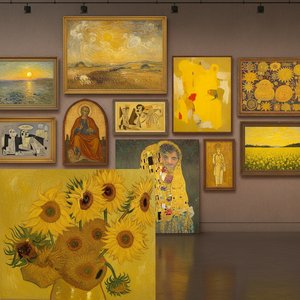
Golden Hues: 10 Masterpieces Dominated by Chrome Yellow | ArtsDot
Immerse yourself in golden light! Explore 10 famous paintings dominated by 'Chrome Yellow', from Van Gogh’s Sunflowers to Monet's Haystacks. Discover the stories behind these iconic Impressionist & Post-Impressionist masterpieces and find museum-quality art reproductions at ArtsDot.com.