Ridley Hall Theological College
Ridley Hall Theological College is a leading evangelical Anglican training institution located in Cambridge, United Kingdom. Founded in 1881, it has a rich history of preparing individuals for ministry and service within the Church.
History & Overview
Established with a commitment to theological education, Ridley Hall has evolved over the decades while maintaining its core values. It continues to serve as a vital center for learning and formation for future church leaders. The college is named after Nicholas Ridley, a prominent Reformation-era bishop.
Specializations & Academic Focus
Ridley Hall specializes in providing comprehensive training for those seeking ordination within the Anglican Church. Its curriculum encompasses biblical studies, theology, pastoral care, and practical ministry skills. The college fosters an environment of intellectual rigor and spiritual growth.
Collection Highlights
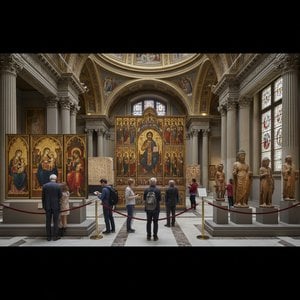
A unique aspect of Ridley Hall is its art collection. This collection primarily features portraits of past principals of the College, offering a visual history of leadership and theological thought. Notable artworks include:
- Reverend Dr Arthur James Tait: A portrait by Kenneth Green depicting the Third Principal (1908-1927).
- Reverend John Paul Stewart Riddell Gibson: Painted by Alexander Christie, portraying the Fourth Principal (1927–1945).
- Other Portraits: Works depicting other significant figures in the college’s history.
Architecture & Grounds
While primarily a functional educational institution, Ridley Hall's buildings reflect traditional Cambridge architecture. The grounds provide a peaceful and contemplative setting conducive to study and reflection. Details about specific architectural styles are limited in available information.
What Makes It Unique?
Ridley Hall stands out as a dedicated center for evangelical Anglican theological education with a long-standing tradition of shaping influential church leaders, including figures like John Stott . Its combination of academic excellence and spiritual formation, coupled with its historical art collection, makes it a distinctive institution within the Cambridge landscape.