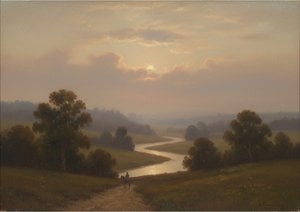
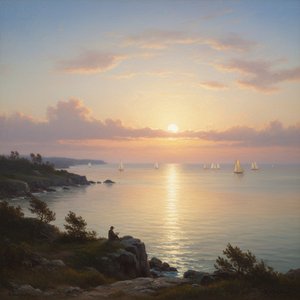
Škotská duša v kalifornskej krajine
William Keith, narodený v roku 1838 v Oldmeldrum v škotskom Aberdeenshire, bol umencom, ktorého život sa neoddeliteľne spojil s dramatickou krásou amerického Západu. Jeho príbeh je príbehom migrácie, umeleckej evolúcie a hlbokého duchovného spojenia s prírodným svetom. Presun rodiny do New Yorku v roku 1850 po smrti jeho otca znamenal začiatok novej kapitoly, v ktorej sa mladý William pôvodne vyučil ako drevorezdec – čo bola zručnosť, ktorá precvičila jeho schopnosť pozorovania a porozumenie línii a forme. Toto učilište v Harper’s Magazine mu poskytlo cenné skúsenosti, no práve krátka návšteva Škotska a Anglicie v roku 1858, kde pracoval pre London Daily News, v ňom vyvolala túžbu po umeleckom vyjadrení mimo hraníc komercie. Prich mať západu sa ukázal ako neodolateľný, čo ho v roku 1859 priviedlo do San Francisca; hoci spočiatku hľadal prácu pri rezaní, rýchlo si uvedomil, že jeho skutočné poslanie spočíva v zachytávaní divokých krajín, ktoré sa pred ním rozprestierali. Jeho raná príprava pod vedením Samuelsona Marsdena Brookesa a Elizabeth Emerson – ktorú neskôr v roku 1864 oženil – mu dala základné pochopenie maľobných techník, najmä akvarelu, čo pripravilo pôdu pre jeho budúce skúmania v olejomalbe.Európska vyvinutosť a zrod vízie
Keithova umelecká cesta ho v roku 1869 odhodila späť cez Atlantik, tentoraz do Düsseldorfu v Nemecku, kde študoval u Alberta Flamma a stretol sa s vplyvom Andreasa Achenbacha. Skutočne transformujúci sa však ukázal až jeho čas v Paríži. Ponorený do atmosféry školy Barbizon, Keith vstrebával ich dôraz na priamy pozorovanie prírody, tónové hodnoty a poetické vyjadreniu svetla a nálady. Táto skúsenosť zásadne zmenila jeho prístup k krajinárskej maľbe, vzdialila ho od precíznych detailov smerom k éterickejmu a emocionálne rezonujúcemu štýlu. Krátke obdobie zdieľania ateliéru s Williamom Hahnom v Bostone v rokoch 1771–72 tieto vplyvy ešte upevnilo predtým, než sa vrátil do Kalifornie, navždy zmenený svojou európskou cestou. Po návrate sa Lembé de Yosemite stalo stredobodom jeho tvorby – miestom, ktoré hlboko rezonovalo s jeho duchovným citom a poskytovalo nekonečnú inšpiráciu. Práve tu, medzi granitovými útesmi a kaskádami vodopádov, začal Keith budovať svoj jedinečný umelecký hlas – charakterizovaný hlbokým pocitom atmosféry a takmer mystickým vzťahom k zemi. Jeho ambiciózny projekt vytvárania veľkoformátových panorám počas 70. rokov – masívnych plátien merajúcich až tri metre na dva metry – demonštroval nielen jeho technické schopnosti, ale aj túžbu ponoriť diváka do veľkolepilosti kalifornskej scenérie.Tonalizmus, spiritualita a trvalé oddedičenie
Keithov umelecký štýl sa čoraz viac zhodoval s tonalizmom a americkou školou Barbizon, smermi, ktoré uprednostňovali náladu, atmosféru a subjektívnu skúsenom nad prísnym realizmom. Tento posun ešte poglbila jeho priateľstvo s Johnom Muiron, známym prírodovedcom a ochrancom prírody. Ich spoločné škotské dedičstvo a úcta k kalifornským horám vytvorili hlboké spojenie; Muir povzbudzoval Keitha, aby zobrazoval prírodu autenticky, zatiaľ čo Keith sa snažil prostredníctvom svojho umenia vyjadriť jej duchovnú podstatu. Významnú úlohu zohral aj vplyv švédoborského ministra Josepha Worcestera po smrti jeho prvej manželky Elizabeth, čo doviedlo Keitha k tomu, aby svojim krajinám vdechl pocit nadčasovej krásy a duchovnej kontemplácie. Jeho neskoršia spolupráca s spolupracovníkom z oblasti tonalizmu, Georgom Innessom, v 90. rokoch 19. storočia ešte viac zdokonalila jeho techniku, pričom zdôrazňovala jemné tónové variácie a atmosférické efekty. Keith veril, že samotná technická zručnosť nestačí; skutočné umenie vyžaduje vyjadrenie emócií a duchovných pocitov. Počas svojej bohatej kariéry – vytvoril viac ako 4 000 olejomalieb – sa Keith neustále snažil zachytiť nielen to, čo *videl*, ale to, čo *cíti*, keď bol ponorený do prírodného sveta. Už enjoyoval podporu architekta Daniela Burnhama, ktorý rozpoznal silu a krásu jeho diela. Cesta na Alasku v roku 1886 mu umožnila vytvoriť ilustracie pre knihu „Picturesque California“ od Johna Muira, čo ukázalo Keithovu všestrannosť a schopnosť zachytiť rozmanité krajiny.Uznanie a trvajúci vplyv
William Keith získal počas svojho života široké uznanie, od 70. rokov 19. storočia sa pravidelne zúčastňoval na výstavách vrátane medzinárodných expozícií. Pośmiertná čest, ktorú mu venovala celá miestnosť jeho dielom na medzinárodnej výstavě Panama-Pacific v roku 1915, stojí ako dôkaz jeho významného prínosu k americkému umeniu. Dnes múzeum umenia Saint Mary’s College v Moraga v Kalifornii uchováva viac ako 170 jeho diel, čím zabezpečuje, aby budúce generácie mohli zažiť krásu a hĺbku jeho vízie. Keithova historická významnosť spočíva nielen v jeho pionierskej úlohe pri etablovaní kalifornskej krajinárskej maľby ako samostatného žánru, ale aj v jeho schopnosti prepojiť európske umelecké tradície s americkou tematikou a citom. Bol majstrom atmosféry, schopným vyvolať pocit pokoja, úžasu a duchovného spojenia prostredníctvom jemného použitia farieb a svetla. Jeho tonalistický štýl hlboko ovplyvňoval nasledujúce generácie umelcov a zanechal nezmazateľnú stopu v rozvoji krajinárskej maľby v Amerike. Poskytol neoceniteľné vizuálne záznamy o prirodzenej kráse Kalifornie počas obdobia rýchlych zmien a rozvoja, zachytávajúc prchavý okamih v čase predtým, než bol krajinný obraz nevratne pozmenený ľudskou zásahom. Keithovo oddedičenie trvá ako pripomienka sily umenia, ktoré nás spája s prírodou, inšpiruje k zamysleniu a odhaľuje duchovné dimenzie sveta okolo nás.Otázky a odpovede
Ako môžem sledovať dielo umelca William Keith rok po roku?
Diela umelca William Keith si môžete pozrieť v chronologickom poradí na stránke Časová os diel daného umelca.
Kde a kedy sa narodil/a William Keith?
William Keith sa narodil v meste Oldmeldrum v roku 1838.
Kde nájdem diela umelca William Keith zoradené podľa tém?
Stránka Atlas predmetov mapuje diela umelca William Keith podľa tém.
Môžem navštíviť virtuálne múzeum diel umelca William Keith?
Virtuálna návšteva je možná: stránka 3D múzeum umelca William Keith predstavuje jeho diela v trojrozmernej galérii.
Z ktorej krajiny pochádza William Keith?
William Keith sa narodil/a v krajine Škótsko.
Môžem si prehliadať diela umelca William Keith podľa kľúčových slov?
Diela umelca William Keith môžete preskúmať podľa kľúčových slov na jeho stránke Podľa kľúčových slov. Každé kľúčové slovo spája súvisiace diela do celkov.
V akom meste a v ktorej krajine sa narodil/a William Keith?
William Keith sa narodil v meste Oldmeldrum v krajine Škótsko.