The Late Medieval names to know

99 Famous Late Medieval Artists You Should Know

If you remember one Late Medieval artist, make it Simone Martini (1284–1344), the name behind Kristus objavený v chráme and Maestà (Madonna with Angels and Saints). After that come Andrej Rubľov, Ambrogio Lorenzetti, Pietro Lorenzetti and Hubert Van Eyck. Our 99 picks go from Yuan Dynasty (born 1271) to Hubert Van Eyck (born 1366), from 20 countries.

How we picked them. We list the artists our catalogue links to Late Medieval, from the most famous down. Artists born after 1955 that we cannot yet check on Wikidata are left out. The Wikipedia number shows in how many of our 32 languages Wikipedia writes about them.

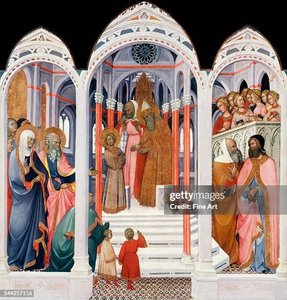
  1. Kristus objavený v chráme by Simone Martini1Simone Martini
  2. Deesis Range: The Archangel Michael by Andrej Rubľov2Andrej Rubľov
  3. Nezdarná vláda a nezdarná vláda mesta by Ambrogio Lorenzetti3Ambrogio Lorenzetti

Quick facts

Late Medieval in a nutshell

  • 99Artists
  • 1271–1366Years of birth
  • 20Countries of birth
  • 1Women
  • 5Living artists
  • 1 514Works in our catalogue
Cities with most births
Siena (13), Florence (11), Florencia (4), Modena (3)
The women of this list
Mother Julian

Meet them one by one

The 99 famous Late Medieval artists, from most famous down

1of 99

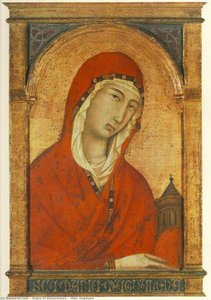
Simone Martini

Taliansky From Siena Medzinárodná gotika On Wikipedia in 28 of 32 languages

Simone Martini

Simone Martini, narodený okolo roku 1284 v srdci Sieny, je zásadnou figúrou pri prelome medzi stredovekom a renesansou. Jeho Maestà freska, namalovaná v roku 1315 pre Palazzo Pubblico v Sieně, je vrcholom jeho diel a ukazuje jeho schopnosť kombinovať náboženské témy s krotkým šarmom.

Taught Lippo Memmi #10

Works to know · Their 100 best-known works

2of 99

Andrej Rubľov

Ruský From Moskovské veľkokniežatstvo Ruské ikónske maľby On Wikipedia in 31 of 32 languages

Andrej Rubľov

Andrej Rublev (ok. 1360 – ok. 1430) zostáva jednou z najtajomnejších a najhlbšie vplyvných postáv v histórii ruského umenia. V roku 1405 spojil svoje sily s Teofanam a Prochorom z Gorodca pri zdobení katedrály Zvestovania, čo bol kľúčový moment v ruskej ikónovej maľbe. Ikona Trojice: Pravdepodobne najslávnejšie Rublevovo dielo, ikona „Trojica“ (ok. 1420–1428), je svedectvom jeho umeleckého génia.

Works to know · Their 100 best-known works

3of 99

Ambrogio Lorenzetti

From Siena On Wikipedia in 29 of 32 languages

Ambrogio Lorenzetti

Ambrogio Lorenzetti, narodený okolo roku 1290 v srdci Sieny, Taliansko, sa vynikal ako kľúčová postava prechodu od stredovekých umeleckých tradícií k rozkvitajúcej renesancii. Hoci bol počas určitých období zatienil súčasníkmi ako Duccio a Simone Martini, a často diskutovaný spolu so svojím bratom, maliarom Pietrom Lorenzettim, Ambrogio si vyryl vlastnú cestu – označenú inovatívnym duchom a hlbokým zapojením do sveta okolo neho.

Works to know · Their 100 best-known works

4of 99

Pietro Lorenzetti

Toskánsko From Siena Rané renesančné obdobie On Wikipedia in 27 of 32 languages

Pietro Lorenzetti

Pietro Lorenzetti (okolo 1280 – 1348) predstavuje kľúčovú postavu v sienenskom umení, ktorá zaznamenala hlboký prechod od gotického formalizmu k rozkvitajúcim humanistickým ideálom raného renesancie. Narodený v živom kultúrnom prostredí Sieny okolo roku 1280, Lorenzettiho umelecká cesta sa odvíjala počas obdobia významnej intelektuálnej a umeleckej transformácie v Toskánsku.

Works to know · Their 100 best-known works

5of 99

Hubert Van Eyck

Holandský From Maaseik Včasná nizozemská škola On Wikipedia in 20 of 32 languages

Hubert Van Eyck

Narodený v Maasiku okolo roku 1385 alebo 1390 bol súčasťou impozantnej umeleckej dynastie; jeho rodinné väzy, vrátane jeho presslávneho brata Jana a súrodencov Lamberta a Margarety, vytvorili kráľovskú jatrošku kreativity, ktorá navždy zmenila trajektórie eurskeho malbařstva. Bol mužom svojej doby aj svojho cechu, čím oficiálne vstúpil do gentského Artisten Gilded v roku 1413, čo je dôkazom jeho profesionálneho postavenia a integrácie do živého, bohatého urbánneho kultúrneho prostredia Flandarska.

Works to know · Their 100 best-known works

6of 99

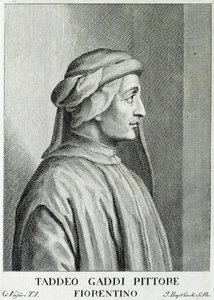
Taddeo Gaddi

Taliansky From Florencia Raná renesancia On Wikipedia in 23 of 32 languages

Taddeo Gaddi

V živobudnej, rozkvitajúcej atmosfére Florencie 14. storočia, v období definovanom prechodom od stredoveku k ranému renesancii, sa Taddeo Gaddi vynikul ako majster svetla, naratívu a architektského veľkolepstva. Ako jeden z najvýznamnejších žiakov legendárneho Giotta di Bondone, Gaddi neuchoval len dedičstvo štýlu; on rozšíril vizuálny slovník svojej éry.

Taught Agnolo Gaddi #7, Jacopo Del Casentino (Jacopo Landino) #51

Works to know · Their 100 best-known works

7of 99

Agnolo Gaddi

Talisko From Florencia Gótsky, Raný Renesans On Wikipedia in 20 of 32 languages

Agnolo Gaddi

Agnolo Gaddi (1350-1396) stands as a singular figure in the artistic panorama of Florence—a descendant of Giotto di Bondone whose legacy transcended mere imitation, subtly reshaping the stylistic landscape of his time. These eight panels depicting The Legend of the True Cross represent a pinnacle of Florentine Gothic art, embodying Giotto’s revolutionary vision while simultaneously incorporating Gaddi's refined stylistic sensibilities.

Learned from Taddeo Gaddi #6

Works to know · Their 100 best-known works

8of 99

Teofan Grék

Gréck From Konštantínopol Byzantine ikonografia On Wikipedia in 22 of 32 languages

Teofan Grék

Narodený v Konstantinopolu okolo roku 1340, hoci je kvôli svojej neskoršej činnosti často spájaný s Gréckom, Teofán bol kľúčovou postavou, ktorá prepojila posledné rozkvitnutie byzantského umenia s rodiacimi sa tradíciam Ruska. Kolem roku 1395 dorazil do Novhorodu, mocného mestského štátu v Rusku, spolu s Andrejom Rublevom, ďalšou ikonickou postavou ruského pravoslavného umenia.

Works to know · Their 100 best-known works

9of 99

Paolo Veneziano

Talianska From Benátky Byzantine influence & Gothic art On Wikipedia in 15 of 32 languages

Paolo Veneziano

Paolo Veneziano (ok. 1333 – 1358) predstavuje monumentálnu postać v dejinách benetského umenia, všeobecne uznávanú ako najdôležitejší benetičský maliar štrnástého storočia. Narodený do umeleckej línie priamo vo Venecii – jeho otec bol sám uznávaným umelcom – Venezianova krátka, no brilantná kariéra sa zhodovala s transformatívnym obdobím v európskej malbe.

Works to know · Their 100 best-known works

10of 99

Lippo Memmi

Talian From Siena Medzinárodná gotika On Wikipedia in 17 of 32 languages

Lippo Memmi

Lippo Memmi, narodený okolo roku 1291 v srdci Sieny, predstavuje kľúčovú postavu prechodu od byzantsky korenených tradícií stredovekého maliarstva k rozvíjajúcej sa elegancii medzinárodného gotického štýlu. Hoci je často diskutovaný v súvislosti s jeho oslavovaným švagrom a mentorom Simonom Martinim, súčasný vedecký výskum čoraz viac uznáva Memmiho osobitý umelecký hlas a významný prínos umeniu 14. storočia zo Sieny.

Learned from Simone Martini #1

Works to know · Their 100 best-known works

11of 99

Altichiero Da Zevio

Taliansky From Zevio Gotickáิลปing On Wikipedia in 20 of 32 languages

Altichiero Da Zevio

Altichiero Da Zevio, narodený v blízkosti tichej dediny Zevio v okolici Verony okolo roku 1330, nebol len kronikárom svätých udalí, ale pionirom venetského gotického štýlu. Tento vzťah, pravdepodobne vybudovaný prostredníctvom intímneho štúdia Giottových žiakov, ako bol Taddeo Gaddi, umožnil Altichiero Da Zevio infuzovať jeho diela hlbokým pocitom objemu, hmotnosti a naratívnej jasnosti, čo bolo pre jeho dobu revolučné.

Works to know · Their 100 best-known works

12of 99

Spinello Aretino

Talianska From Arezzo Spojovník medzi Giottovým štýlom a sienenskou školou On Wikipedia in 16 of 32 languages

Spinello Aretino

Narodený v rodine florentinských zlatníkov, jeho pravé meno bolo Spinello Di Luca Spinelli, ale histórii sa zapamätal pod prezsmyčkou „Aretino“, čo odkazuje na jeho spojenie s Arezzo. V mladosti pracoval v rušivých dílnach vo Florencii, kde prispieval k monumentálnym dielom, ako sú fresky v kostole Carmine a Santa Maria Novella.

Learned from Jacopo Del Casentino (Jacopo Landino) #51 · Taught Lorenzo di Bicci #32

Works to know · Their 100 best-known works

13of 99

Bernardo Daddi

Taliansky From Florencia Raná renesancia On Wikipedia in 17 of 32 languages

Bernardo Daddi

Bernardo Daddi, narodený vo Florencii okolo roku 1290 a zomretý v roku 1348, predstavuje kľúčovú postavu prechodného obdobia medzi neskorou gotikou a rodiacou sa talianskou renesanciou. Daddiho presné dátum narodenia zostáva zahalený v mystériu, hoci záznamy uvádzajú jeho prvú spomienku v roku 1312. Široko sa verí, že jeho umelecká cesta začala pod vedením Giotta di Bondone, jedného z najvplyvnejších umelcov danej éry.

Works to know · Their 100 best-known works

14of 99

Andrea Pisano

Taliansky From Pontecorvo Gotika

Andrea Pisano

Andrea Pisano (okolo 1290 – 1348 Orvieto) predstavuje monumentálnu postać talianske renesančnej sochárnej umeleckej tvorby, no jeho umelecký odkaz je neoddeliteľne spojený s predchádzajúcou gotickou érou a hlboko formovaný revolučným vplyvom Giotta di Bondone.

Works to know · Their 100 best-known works

15of 99

Niccolò Di Tommaso

Italian From Florence Early Renaissance

Niccolò Di Tommaso

Niccolò di Tommaso, a name resonating softly within the annals of fourteenth-century Italian painting, emerged in Florence around 1346. A pivotal collaboration with Nardo di Cione around 1370 proved transformative.

Works to know · Their 100 best-known works

16of 99

Ni Zan

Čínsky From Wuxi Štyria majstri dynastie Yuan On Wikipedia in 15 of 32 languages

Ni Zan

Jeho čestné meno bolo Yuan Zhen (元鎮), zatiaľ čo jeho umelecké mená boli Yun Lin Zi (雲林子), Huan Xia Sheng (幻霞生), a Jing Man Min (荊蠻民). Ni Zan je považovaný za jedného z štyroch majstrov dynastie Yuan, spolu s umelcami ako Huang Gongwang, Wu Zhen a Wang Meng.

Works to know · Their 100 best-known works

17of 99

Andrea Di Cione Di Arcangelo (Orcagna)

Italian From Florence Gothic-Late Gothic

Andrea Di Cione Di Arcangelo (Orcagna)

Andrea di Cione, known to history by the evocative moniker Orcagna, stands as one of the most influential figures in Florentine art during the mid-14th century—a period marked by a fascinating confluence of Gothic and Late Gothic artistic traditions. Born around 1308 in the heart of Florence, he emerged from a family deeply rooted in the city's prestigious artisan culture.

Works to know · Their 100 best-known works

18of 99

Orcagna

Italian From Florence Gothic-Late Gothic On Wikipedia in 20 of 32 languages

Orcagna

The name Orcagna—a moniker bestowed upon him by local artisans—encompasses a remarkable figure in the history of Italian art: Andrea di Cione, a painter, sculptor, architect, and master craftsman who dominated the artistic landscape of Florence during the latter half of the 14th century. Orcagna’s early life remains shrouded in some mystery, though it is believed he apprenticed under the renowned sculptor Andrea Pisano.

Learned from Andrea Pisano #14

Works to know · Their 100 best-known works

19of 99

Jovan Da Milano

Talian From Lombardia Predrenesančná maľba

Jovan Da Milano

Narodil sa ako Giovanni di Jacopo di Guido da Caversaccio v Lombardy okolo roku 1346, jeho umelecká cesta sa odohrávala predovšetkým vo živom kultúrnom prostredí Florencie počas obdobia obrovských zmien a inovácií.

Works to know · Their 100 best-known works

20of 99

Barna Da Siena

Italian From Siena Gothic Art On Wikipedia in 14 of 32 languages

Barna Da Siena

To traverse the hallowed halls of the Collegiata di San Gimignano is to encounter a ghost of the Trecento, an artist whose name, Barna da Siena, lingers in the air like incense in a medieval chapel. Known also as Berna di Siena, this figure remains one of the most tantalizing enigmas in the history of Italian art.

Works to know · Their 100 best-known works

21of 99

Wang Meng

Chinese From Huzhou Yuan Dynasty Landscape Painting On Wikipedia in 14 of 32 languages

Wang Meng

Born in Wuxing, Zhejiang province – now Huzhou – around 1308, Wang Meng stands as a pivotal figure within the artistic landscape of the Yuan Dynasty (1271-1368). His life was marked by both privilege and profound misfortune; he descended from Zhao Mengfu, a prominent Song Dynasty official and artist, inheriting a lineage steeped in cultural significance.

Works to know · Their 100 best-known works

23of 99

Nicolas Bataille

French Medieval Art, Religious Paintings

Nicolas Bataille

Yet, within this tradition flourished an artist of startling intensity and dramatic vision – Nicolas Bataille (c. 1330-1405). His tapestries, particularly the famed “Seven Seals” cycle now housed in the Saint-Nicolas du Chardonnet church in Paris, offer a window into a world grappling with anxieties about mortality, divine judgment, and the impending end times – a perspective rarely found in contemporary art.

Works to know · Their 100 best-known works

24of 99

Lorenzo Veneziano

Taliansky From Benátky Byzantský umel On Wikipedia in 11 of 32 languages

Lorenzo Veneziano

Rok 1336 rezonuje v umeleckej krajine Talianska, neoddeliteľne spojený s postavou zahalenou v znávostnej záhre – Mestrom z roku 1336. Tento umelník, ktorý je presnejšie známy ako Giovanni Lipini, jeho meno, odvodené z zázračného freska zobrazujúce Dievú Máriu v Santa Maria delle Grazie v Pistoia, ponúka lákavý pohľad na jeho pôvod a trvajúci vplyv.

Works to know · Their 100 best-known works

25of 99

Segna Di Buonaventure

Italian Trecento

Segna Di Buonaventure

Born around 1298 in Siena, Italy, and tragically dying sometime before 1331, his life spanned a period of immense artistic ferment – the very dawn of the Renaissance – and he left behind a remarkably small but intensely significant body of work.

Works to know · Their 100 best-known works

27of 99

Ugolino Di Nerio

Taliansky From Siena Sienske maľbasť On Wikipedia in 13 of 32 languages

Ugolino Di Nerio

Ugolino di Nerio, meno, ktoré je vo veľkej miere neprítomné v hlavných umeleckých historických naratívach, predstavuje kľúčovú postać v rozkvitajúcej umeleckej krajine Sieny a Florencie počas 1320. rokov.

Works to know · Their 100 best-known works

28of 99

Taddeo di Bartolo

Italian From Siena Early Renaissance On Wikipedia in 13 of 32 languages

Taddeo di Bartolo

In the golden twilight of the Trecento, as the medieval world began to stir toward the light of the Renaissance, Taddeo di Bartolo emerged as a transformative force within the Sienese School.

Works to know · Their 100 best-known works

29of 99

Lippo Di Benivieni

Italian From Florence Early Quattrocento

Lippo Di Benivieni

Records indicate he apprenticed under Nerio di Binduccio around 1296, suggesting an established presence within Florence's artistic milieu by this pivotal moment – a contemporary of Giotto and deeply immersed in the stylistic currents shaping Sienese painting. The Arte dei Medici e Speziali recognized him as a member from 1312 to 1320, cementing his position as a respected craftsman amidst the city’s vibrant cultural landscape.

Works to know · Their 100 best-known works

30of 99

Zhao Yuan

Chinese Landscape painting

Zhao Yuan

Born in Yingcheng (modern-day Yingxian County, Shandong Province) sometime during the late Yuan dynasty (1368-1407), he lived through a period of immense upheaval and transition – the fall of the Mongol-led Yuan and the establishment of the Ming. His most significant debt is undoubtedly to Wang Meng (1308-1383), one of the last great masters of the Yuan dynasty.

Works to know · Their 100 best-known works

31of 99

Andrea Di Bartolo

Italian From Siena Sienese School On Wikipedia in 12 of 32 languages

Andrea Di Bartolo

In the vibrant heart of the Sienese School, Andrea di Bartolo emerged as a master whose brush captured the profound spiritual intensity of his era. As the son and pupil of the prominent painter Bartolo di Fredi, Andrea’s artistic journey was deeply rooted in the traditions of his father's workshop.

Works to know · Their 100 best-known works

32of 99

Lorenzo di Bicci

Italian Florentine School

Lorenzo di Bicci

Lorenzo di Bicci, born around 1350 in the heart of Florence, stands as a pivotal figure bridging the late Gothic traditions of his predecessors with the burgeoning naturalism that would define the early Renaissance.

Works to know · Their 100 best-known works

33of 99

Melchior Broederlam

Belgian From Ypres Early Netherlandish Painting On Wikipedia in 15 of 32 languages

Melchior Broederlam

In the twilight of the fourteenth century, a transformative energy began to pulse through the workshops of Flanders, signaling the end of the medieval era and the slow, luminous birth of the Northern Renaissance.

Works to know · Their 100 best-known works

34of 99

Bicci Di Lorenzo

Taliansky From Firenčná Florencka škola On Wikipedia in 8 of 32 languages

Bicci Di Lorenzo

Hoci biografické detaily zostávajú skromné – totožnosť jeho otca je zahalená nejasnosťou – akademický konsenzus pevne dokazuje Lorenzoho učení u Jacopa di Cione a Andreu di Cione, umelníkov, ktorých štýlistické inovácie hlboko vplyvnili na jeho umeleckú trajektóriu.

Works to know · Their 100 best-known works

35of 99

Gherardo Starnina

Italian From Florence Venetian Renaissance On Wikipedia in 12 of 32 languages

Gherardo Starnina

In the golden twilight of the Middle Ages, as the rigid structures of the Gothic era began to soften under the warmth of burgeoning humanism, there emerged a painter whose brush captured the very essence of spiritual devotion and intricate beauty.

Works to know · Their 100 best-known works

36of 99

Jean Pucelle

French Early Gothic painting

Jean Pucelle

Jean Pucelle remains one of the most captivating enigmas in the annals of medieval art, a figure whose name is whispered with reverence by those who study the delicate transition from the rigid structures of the Middle Ages to the burgeoning humanism of the Renaissance.

Works to know · Their 100 best-known works

37of 99

Andrea di Bonaiuto

Taliansky From Florencia Toskánska maľba On Wikipedia in 12 of 32 languages

Andrea di Bonaiuto

Stred Fourteenth century vo Florencii svedčilo rozkvitaniu umeleckého talentu a medzi jeho najvýznamnejšími postavami vynikal Andrea Orcagna – maliar, sochár, architekt a administrátor, ktorého mnohostranná kariéra zanechala nezmazateľnú stopu v vizuálnej krajine mesta.

Works to know · Their 100 best-known works

38of 99

Guariento di Arpo

Italian From Piove di Sacco Early Renaissance; Venetian painting; Gothic art On Wikipedia in 12 of 32 languages

Guariento di Arpo

Guariento di Arpo (c. 1310–1370) stands as a monumental figure of the Trecento, acting as the essential bridge between the grounded, volumetric realism of Florence and the ethereal, ornamental splendor of the Venetian Gothic tradition. The foundations of Guariento’s genius were laid in the workshops of his contemporaries, where the shadows of masters like Giotto di Bondone and Giovanni Pisano loomed large.

Works to know · Their 100 best-known works

39of 99

Giovanni Del Biondo

Italian From Pratovecchio Gothic & Early Renaissance On Wikipedia in 10 of 32 languages

Giovanni Del Biondo

The story of Giovanni del Biondo is one woven into the very fabric of 14th-century Florence, a period of profound transition where the rigid elegance of the Gothic tradition began to breathe with the nascent vitality of the Early Renaissance.

Works to know · Their 100 best-known works

40of 99

Klaus Sluter

Holandský From Haarlem Severný realizmus

Klaus Sluter

Claus Sluter (ok. 1350–1406) predstavuje jedného z najvplyvnejších sochárov svojej éry, ktorý definoval kľúčové zvratné obdobie medzi gotickými a renesančnými umeleckými tradíciami v Severnej Európe. Zápis jeho mena do registra bruselského cechu kamenárov okolo roku 1379/1380 potvrdzuje jeho profesionálnu aktivitu a podčiarkuje význam remeselnej majstrovstva v rámci stredovekej umeleckej kultúry.

Works to know · Their 100 best-known works

42of 99

Jacopo di Cione

Italian From Florence Gothic On Wikipedia in 7 of 32 languages

Jacopo di Cione

Born in Florence sometime between 1320 and 1330, he emerged from a family deeply rooted in artistic tradition—his three elder brothers, Andrea di Cione (Orcagna), Nardo di Cione, and Matteo di Cione—were themselves accomplished painters, establishing a lineage of creative excellence.

Works to know · Their 100 best-known works

43of 99

Bartolo Di Fredi

Italian From Siena Sienese School On Wikipedia in 13 of 32 languages

Bartolo Di Fredi

V srdci čtrnástoročnej Toskánska, v období definovanom prechodom od éterickej elegancie gotickej éry k rozkvitajúcemu humanizmu renesancie, sa Bartolo di Fredi predstavil ako majster svetla a naratívu. Narodený v Siene okolo roku 1330, bol niečím viac než len maliarom; bol mostom medzi dvoma svetmi. Do roku 1355 oficiálne vstúpil do Arte dei Maestri di Tavola e Dipinto, čo bol milník, ktorý mu otvoril dvere k najvýznamnejším patronátnym sieťam v Taliansku.

Works to know · Their 100 best-known works

44of 99

Conrad von Soest

German From Dortmund International Gothic soft style On Wikipedia in 13 of 32 languages

Conrad von Soest

Born around 1370, von Soest emerged not merely as a local painter but as the preeminent Westphalian master of his era. His presence in Dortmund placed him at the heart of a cosmopolitan social circle, where he moved among the patrician elite, securing the patronage necessary to sustain a thriving workshop that would influence Northern European painting well into the late 15th century.

Works to know · Their 100 best-known works

45of 99

Tuthmosis

Egyptian From Amarna Amarna art style

Tuthmosis

Tuthmosis, a name synonymous with the golden age of ancient Egypt, was born in Amarna around 1340 BC – a pivotal period marked by radical artistic and religious upheaval. Akhenaten, abandoning the established pantheon of Egyptian gods, moved the capital from Thebes to Amarna – a newly constructed city dedicated solely to Aten. Perhaps Tuthmosis’s most celebrated achievement is undoubtedly the magnificent Bust of Queen Nefertiti, completed around 1340 BC.

Works to know · Their 100 best-known works

46of 99

Giovanni da Milano

Italian From Valmorea Italian Gothic On Wikipedia in 13 of 32 languages

Giovanni da Milano

In the bustling streets of Florence, where the air was thick with the scent of fresh pigment and the echoes of a changing era, a painter named Giovanni di Jacopo di Guido da Caversaccio began to make his mark. Hailing from Lombardy, he arrived in Tuscany as a man seeking his fortune, appearing in the city's records as Johannes Jacobi de Commo.

Works to know · Their 100 best-known works

47of 99

Master Bertram

German From Minden International Gothic On Wikipedia in 13 of 32 languages

Master Bertram

Born in Minden, Germany, around 1345 and passing away in Hamburg circa 1415, Master Bertram remains a captivating figure within the history of European art. Often referred to as Meister Bertram or Master of Minden, he stands as a pivotal artist bridging the International Gothic style with the nascent trends of the early Renaissance in Northern Europe.

Works to know · Their 100 best-known works

49of 99

Ashikaga Yoshimitsu

From Kyoto

Ashikaga Yoshimitsu

Ashikaga Yoshimitsu (September 25, 1358 – May 31, 1408) was the third shōgun of the Ashikaga shogunate, ruling Japan during the Muromachi period. Born in Kyoto as Haruō, he was the oldest surviving son of Ashikaga Yoshiakira. In 1379, Yoshimitsu initiated a significant reorganization of the gozan zen (Five Mountain Zen) establishment, solidifying its institutional framework.

Works to know · Their 100 best-known works

50of 99

André Beauneveu

Netherlandish From Valenciennes Pucellian revival

André Beauneveu

In the twilight of the fourteenth century, a period defined by the transition from the rigid structures of the High Middle Ages to the burgeoning naturalism of the Early Netherlandish tradition, the name André Beauneveu emerges as a beacon of artistic innovation.

Works to know · Their 100 best-known works

51of 99

Jacopo Del Casentino (Jacopo Landino)

Italian From Florence Renaissance

Jacopo Del Casentino (Jacopo Landino)

Often known to history through the mistaken identity of Jacopo Landino —a nomenclature born from the historical errors of Giorgio Vasari—this Florentine master navigated the delicate transition between the late Gothic tradition and the burgeoning sensibilities of the early Renaissance. The origins of his artistry are deeply rooted in the Florentine milieu, likely shaped by the influential circle surrounding the Master of St.

Works to know · Their 100 best-known works

52of 99

Musō Soseki

Japonský From Ise Zen buddhizmus On Wikipedia in 12 of 32 languages

Musō Soseki

Musō Soseki, významná postava japonskeho umenia a spirituality, sa narodil v roku 1275 a skonal 20. októbra 1351. Umelecké snahy Musō Soseki boli charakteristické jeho jedinečným prepojením spirituality a estetiky. Prínos Musō Soseki do japonského umenia je mnohostranný a odráža tak čínske vplyvy, ako aj čisto japonské tradície.

Works to know · Their 100 best-known works

53of 99

Francesco Traini

Italian From Pisa Gothic Art On Wikipedia in 11 of 32 languages

Francesco Traini

Francesco Traini (c. 1321 – c. 1365) stands as a singular figure in the artistic landscape of Tuscany during the tumultuous fourteenth century, primarily recognized for his monumental frescoes adorning the Camposanto Monumentale in Pisa and Bologna—works that encapsulate the anxieties and spiritual fervor born from the Black Death.

Works to know · Their 100 best-known works

54of 99

Vitale Da Bologna

Italian From Bologna International Gothic On Wikipedia in 12 of 32 languages

Vitale Da Bologna

Vitale da Bologna, a name whispered through the corridors of art history as the definitive master of the Bolognese Gothic, emerged from the vibrant cultural landscape of 14th-century Italy to leave an indelible mark on the Early Renaissance.

Works to know · Their 100 best-known works

56of 99

Pere Serra

Spanish Gothic-Italian

Pere Serra

Pere Serra, also known as Jaume Serra, stands as a compelling figure in the transition from the International Gothic style to the burgeoning Renaissance aesthetic within Catalonia. Born around 1357 and passing away in 1406, his life coincided with a period of significant artistic and cultural change across Europe, yet he maintained a distinctly Catalan sensibility throughout his career.

Works to know · Their 100 best-known works

57of 99

Aztécka Ríša

Mexikánska From Tenochtitlán Mesoamerický umenie

Aztécka Ríša

Umenlecké tradície Aztékov, ktoré vznikli na začiatku 14. storočia v Tenochtitlán, srdci Aztickej empire, boli hlboko zakorenené v odkazoch predchádzajúcich mesoamerických civilizácií. Olmekovia so svojimi kolosálnymi hlavami a sofistikovanými kalendárnymi systémami, Teotihuacans, známi svojimi masívnymi pyramidami a urbanistickým plánovaním, a Toltekovia, majstri kovdružstva a sochárstva, všetci prispeli k bohatému umeleckému tapetárenstvu, ktoré Aztékovia dedikovali.

Works to know · Their 100 best-known works

58of 99

Liaoan Qingyu

Chinese From Taizhou Yuan dynasty calligraphy

Liaoan Qingyu

Born in Taizhou, within the Zhejiang province of China, he was originally known by the name Zhu and also carried the moniker Nantang. His existence was deeply intertwined with the spiritual lineage of Zen Buddhism, as he sought enlightenment through the guidance of esteemed masters such as Guling Qingmao.

Works to know · Their 100 best-known works

59of 99

Marco Di Paolo Veneziano

Italian Byzantine-influenced art; Gothic art

Marco Di Paolo Veneziano

In the shimmering, maritime heart of the fourteenth century, a transformative era was unfolding within the lagoons of Venice, and at its center stood Paolo Veneziano. Often revered as the undisputed founder of the Venetian School, this master artist—also known by names such as Paolo da Venezia or Veneziano Paolo —did more than merely paint; he forged a visual identity for a rising maritime republic.

Works to know · Their 100 best-known works

60of 99

Matteo Di Ser Cambio

Italian From Perugia Renaissance

Matteo Di Ser Cambio

In the golden twilight of the Middle Ages, as the rigid structures of the Byzantine tradition began to soften under the burgeoning light of the Renaissance, there emerged a figure of profound architectural and decorative significance in the heart of Italy. Matteo di Ser Cambio, an artist whose name echoes through the halls of Perugia and Florence, served as a vital bridge between the medieval past and the humanist future.

Works to know · Their 100 best-known works

62of 99

Ferrer Bassa

Catalan From Avinyonet del Penedès Gothic painting

Ferrer Bassa

Ferrer Bassa emerged from the artistic landscape of 14th-century Catalonia as a pivotal figure, bridging the gap between established Gothic traditions and the burgeoning Italianate styles that would reshape European painting. Born around 1285 in the small town of Avinyonet del Penedès, his early life remains shrouded in some mystery, yet the documented evidence reveals a trajectory marked by both diligent craftsmanship and royal favor.

Works to know · Their 100 best-known works

63of 99

Tommaso Da Modena

Italian From Modena Late Gothic On Wikipedia in 15 of 32 languages

Tommaso Da Modena

Precise details concerning his familial background are elusive, yet evidence suggests he belonged to a noble family engaged in mercantile pursuits—a circumstance that afforded him access to resources crucial for pursuing scholarly endeavors and honing artistic skills.

Works to know · Their 100 best-known works

64of 99

Jacopo Avanzi

Italian From Bologna Renaissance, Proto-Renaissance

Jacopo Avanzi

Jacopo d'Avanzi, a name resonating softly through the annals of the 14th-century Italian Renaissance, remains an artist shrouded in some mystery, often conflated with contemporaries like Jacopo de’ Bavozi. This environment undoubtedly played a crucial role in fostering d'Avanzi’s talent.

Works to know · Their 100 best-known works

65of 99

Paolo Di Giovanni Fei

Taliansky From San Quirico d'Orcia Nacionalizmus, Proto-renesancia On Wikipedia in 10 of 32 languages

Paolo Di Giovanni Fei

Jeho život, hoci tragicky krátky, bol svedkom dramatickej zmeny umeleckej citlivosti v Sieně, ktorá bola napvorená najmä jeho spoluprácou so svojím mladším bratom Ambrogiom Lorenzettim a ich zaangažovaním do inovatívnych techník Giotta a Giovanniho Pisana. Lorenzettiova raná kariéra je mierne zahalostnená tajomstvom, ale dôkazy naznačujú, že strávil formative roky prácou so Simone Martini v Assisi.

Works to know · Their 100 best-known works

66of 99

Giottino

Italian From Florence Early Italian painter On Wikipedia in 14 of 32 languages

Giottino

Born around 1324, Maso di Stefano—better known by his diminutive title—did not simply mimic his predecessors. In works like the Pietà of San Remigio, created around 1365, the artist captures a heavy, physical grief. The frescoes in the chapel of San Silvestro within the Basilica of Santa Croce in Florence provide evidence of his capacity for complex storytelling.

Works to know · Their 100 best-known works

67of 99

Wu Zhen

Yuan dynasty From Jiashan County On Wikipedia in 12 of 32 languages

Wu Zhen

After completing his formal education, Wu Zhen made the deliberate choice to abandon the life of a scholar or a warrior to pursue the art of painting.

Works to know · Their 100 best-known works

68of 99

Jacopo del Casentino

Florentine From Florence Later Gothic On Wikipedia in 10 of 32 languages

Jacopo del Casentino

Florence serves as the backdrop for the career of Jacopo del Casentino. As a pupil of Taddeo Gaddi, Casentino absorbs the technical foundations of the Florentine tradition while looking toward new horizons. Alongside Bernardo Daddi, Casentino helps spread the popularity of these portable altars across Italy, bringing sacred imagery into the quiet corners of domestic life.

Learned from Taddeo Gaddi #6 · Taught Spinello Aretino #12

Works to know · Their 100 best-known works

69of 99

Giusto De' Menabuoi

Italian From Florence Early Renaissance On Wikipedia in 12 of 32 languages

Giusto De' Menabuoi

Giusto de’ Menabuoi (c. 1320–1391) was an Italian painter born in Florence, marking the dawn of the Quattrocento – a pivotal era in Renaissance art history. Notably, between 1375 and 1378, he embarked upon the decoration of the Baptistery of Saint Anthony – a project that exemplifies his innovative blending of Byzantine influences with Florentine artistic sensibilities.

Works to know · Their 100 best-known works

71of 99

Matteo Giovanetti

Italian From Viterbo Early Italian Renaissance

Matteo Giovanetti

In the heart of fourteenth-century Italy, amidst the spiritual awakening of the early Renaissance, the name Matteo Giovanetti emerged as a beacon of devotional mastery. His life’s work serves as a vital bridge between the rigid, symbolic traditions of the Gothic period and the burgeoning naturalism that would soon define the Italian Renaissance.

Works to know · Their 100 best-known works

73of 99

Qingzhuo Zhengcheng, Ch'Ing-Cho Cheng-Ch'Eng

Chinese Zen Buddhism

Qingzhuo Zhengcheng, Ch'Ing-Cho Cheng-Ch'Eng

In the quiet, meditative corridors of history, few figures loom as large or as transformative as Seisetsu Shōchō (1274–1339). Born in China during the vibrant Yuan Dynasty, his life was a bridge between two worlds, spanning the intellectual rigor of Chinese scholarship and the spiritual revitalization of Japanese Zen.

Works to know · Their 100 best-known works

74of 99

Bartolommeo Bulgarini

Italian From Siena Sienese school

Bartolommeo Bulgarini

Bartolommeo Bulgarini, known variously as Bulgarino or Bologhini, emerged from the vibrant artistic ferment of fourteenth-century Siena to become one of the most profound voices of the Trecento. Born around 1300, his life was inextricably linked to the golden age of Sienese painting, a period defined by a unique tension between the celestial and the terrestrial.

Works to know · Their 100 best-known works

76of 99

Barnaba Da Modena

Italian From Modena Byzantine-influenced Lombard Painting On Wikipedia in 12 of 32 languages

Barnaba Da Modena

Born around 1328 in Modena (Emilia), he emerged from obscurity to become arguably the first Lombard painter of considerable renown, leaving behind an impressive oeuvre that testifies to his unwavering devotion to this venerable artistic heritage. His activity spanned Lombardy, Piedmont, and Pisa in Tuscany, establishing him as a pivotal artist within the burgeoning cultural dynamism of the era.

Works to know · Their 100 best-known works

77of 99

Peter Parler

German-Bohemian From Schwaebisch Guemund Late Gothic

Peter Parler

In the heart of the Late Middle Ages, a period defined by soaring spires and profound devotion, Peter Parler emerged as one of the most influential architects and sculptors of his era. Known variously as Peter von Gemünd or Petr Parléř, his identity was inextricably linked to the Parler family, a lineage of craftsmen whose influence stretched across much of Central Europe.

Works to know · Their 100 best-known works

78of 99

Bonanat Descoll I De Santcliment

Taliansky From Barcelona Raná renesancia

Bonanat Descoll I De Santcliment

Bonanat Descoll I De Santcliment bol významným katalánskym admirálom Koruny arágskej v 14. storočí. Narodil sa v roku 1310 v Barcelone, v Španielsku, a jeho život dožil v roku 1390. Bonanat Descoll I De Santcliment nebol len zdatným vojenskom vodcom, ale aj vášnivým a nadaným umelcom.

Works to know · Their 100 best-known works

79of 99

Yuan Dynasty

Chinese From Beijing Landscape Art

Yuan Dynasty

The Yuan Dynasty (1271–1368), established by Kublai Khan, represents a singular moment in Chinese history – the first time a foreign power successfully ruled over all of China. Understanding Yuan art requires delving into its complex context: the ambition of Kublai Khan to unite Eurasia under Mongol rule, coupled with a burgeoning intellectual elite eager to embrace new ideas and traditions.

Works to know · Their 100 best-known works

81of 99

Domenico Di Agostino

Italian From Siena Gothic Art

Domenico Di Agostino

Domenico di Agostino, born in Siena around 1317, emerged from the vibrant artistic milieu of a city deeply steeped in religious fervor. While not as widely celebrated as some of his contemporaries like Duccio or Simone Martini, Domenico carved out a significant place for himself within the Sienese School, becoming known for his intensely devotional works and refined stylistic approach.

Works to know · Their 100 best-known works

84of 99

Francesco Di Petracco

Italian From Arezzo Humanist poetry

Francesco Di Petracco

Born in Arezzo, Italy, in 1304 as Francesco Patriarca – later adopting the name Francesco Petrarca – this artist was more than just a painter; he was a pivotal figure in the burgeoning Italian Renaissance. His family, prominent Florentine notaries, faced exile due to the turbulent power struggles between the White and Black Guelphs.

Works to know · Their 100 best-known works

86of 99

Sesson Yūbai

Japanese From Tokyo Zen Buddhism

Sesson Yūbai

Sesson Yūbai (雪村 友梅; 1290 – 14th day of the 1st month, 1347) stands as one of Japan’s most revered Zen Buddhist poets and monks—a figure inextricably linked to the profound aesthetic principles that define the Five Mountains School of Zen.

Works to know · Their 100 best-known works

88of 99

Giovanni Di Chellino Boccaccio

Italian From Certaldo Humanism precursor

Giovanni Di Chellino Boccaccio

Born amidst the rolling landscapes of Certaldo in 1313, Giovanni Boccaccio emerged as a vital force in the cultural landscape of the fourteenth century. As one of the legendary "Three Crowns" of Italian literature—standing alongside the giants Dante Alighieri and Petrarch—his life served as a bridge between the medieval world and the dawning light of the Renaissance.

Works to know · Their 100 best-known works

89of 99

Emperor Kōgon

Japanese Buddhist Art

Emperor Kōgon

In the turbulent landscape of fourteenth-century Japan, amidst the political fragmentation of the Northern and Southern Courts, there emerged a figure whose influence transcended the mere boundaries of imperial governance. Emperor Kōgon (1313–1364) was not merely a sovereign navigating a period of profound instability; he was a visionary patron whose devotion to Buddhist iconography helped reshape the aesthetic soul of Northern Japan.

Works to know · Their 100 best-known works

90of 99

Jakushitsu Genkō

Japanese From Tokyo Rinzai Zen

Jakushitsu Genkō

Jakushitsu Genkō (寂室 元光, june 23, 1290 – september 25, 1367) stands as a singular figure in fourteenth-century Japan—a Rinzai Zen master whose artistic output transcended mere craftsmanship to embody the very essence of contemplative practice.

Works to know · Their 100 best-known works

92of 99

Mother Julian

English From Norwich Medieval Mysticism

Mother Julian

In the heart of a bustling, medieval port city, amidst the shadows of the Black Death and the tremors of the Peasants’ Revolt, lived a woman whose voice would transcend the stone walls of her enclosure. Julian of Norwich, known variously as Lady Julian or Mother Julian, carved out a life of profound stillness within the Holy Cell of Norwich Cathedral.

Works to know · Their 100 best-known works

93of 99

Nardo di Cione

Italian From Florence Renaissance Painting On Wikipedia in 10 of 32 languages

Nardo di Cione

Born around 1320, he was part of a formidable artistic dynasty, working alongside his brothers, the renowned Orcagna (Andrea di Cione) and Jacopo di Cione. The zenith of Nardo’s collaborative achievements can be found within the hallowed walls of the Cappella Strozzi in Santa Maria Novella.

Works to know · Their 100 best-known works

94of 99

Tutankhamen

Egyptian From Amarna Ancient Egyptian Art

Tutankhamen

Born as Tutankhaten, the Living Image of Aten, his early years were defined by the radical, monotheistic shadows cast by his predecessor, Akhenaten. Yet, the boy who would become Tutankhamun possessed a destiny far greater than mere survival.

Works to know · Their 100 best-known works

95of 99

Serafino Serafini

Italian From Modena Giottesque & Bolognese

Serafino Serafini

In the twilight of the fourteenth century, amidst the architectural grandeur of Northern Italy, the name Serafino Serafini emerged as a vital, if enigmatic, force in the evolution of late medieval painting. Born around 1324 in the industrious city of Modena, Serafini’s origins were deeply rooted in the tactile traditions of his homeland.

Works to know · Their 100 best-known works

96of 99

Filippo Calendario

Italian Venetian Gothic

Filippo Calendario

Filippo Calendario stands as a pivotal figure in the artistic landscape of fourteenth-century Venice, primarily recognized for his monumental contributions to the construction and decoration of the Doge’s Palace—a testament to Venetian architectural prowess during its golden age. Born around 1315, likely in Florence, Calendario’s early life was shaped by the rigorous traditions of Italian craftsmanship.

Works to know · Their 100 best-known works

98of 99

Zekkai Chūshin

Italian From Tosa Byzantine art

Zekkai Chūshin

The figure known as the Master of 1336 remains one of the most intriguing enigmas in Italian art history. While his name—a label bestowed upon him due to a fresco depicting the miracle of the Virgin Mary in Santa Maria delle Grazie, Pistoia—offers little insight into his personal identity, his paintings speak volumes about the artistic currents shaping Tuscany at the time.

Works to know · Their 100 best-known works

Pictures worth knowing

Famous Late Medieval works to recognise

  1. Kristus objavený v chráme by Simone Martini

    Kristus objavený v chráme

    Simone Martini

    1342 · Walker Art Gallery, Liverpool

  2. Deesis Range: The Archangel Michael by Andrej Rubľov

    Deesis Range: The Archangel Michael

    Andrej Rubľov

    1410 · Tretyakov Gallery, Moskva

  3. Nezdarná vláda a nezdarná vláda mesta by Ambrogio Lorenzetti

    Nezdarná vláda a nezdarná vláda mesta

    Ambrogio Lorenzetti

    1338 · Palazzo Pubblico, Siena

  4. Madonna Enthroned with Angels by Pietro Lorenzetti

    Madonna Enthroned with Angels

    Pietro Lorenzetti

    1340 · Galleria degli Uffizi, Florencia

  5. Altár z Ghentu - Vonkajšia strana ľavého a pravého závesa by Hubert Van Eyck

    Altár z Ghentu - Vonkajšia strana ľavého a pravého závesa

    Hubert Van Eyck

    1432

  6. Nativity by Taddeo Gaddi

    Nativity

    Taddeo Gaddi

    1325 · Fundación Colección Thyssen-Bornemisza, Barcelona

  7. The Last Supper by Agnolo Gaddi

    The Last Supper

    Agnolo Gaddi

    1395 · Lindenau-Museum, Altengau

  8. Our Lady of the Don by Teofan Grék

    Our Lady of the Don

    Teofan Grék

    1382 · Tretyakov Gallery, Moskva

When it happened

Late Medieval, step by step

  1. 1324
  2. 1324
  3. 1325
  4. 1334
  5. 1336
  6. 1338
  7. 1340
  8. 1340
  9. 1342
  10. 1350
  11. 1353
  12. 1354
  13. 1354
  14. 1370

Fun figures

The numbers behind the list

Country of birth
Italy37
Taliansko18
Japan8
China4
Spain3
France3
Germany3
Egypt3
Decade of birth
1270s4
1280s9
1290s11
1300s9
1310s8
1320s12
1330s13
1340s9
1350s15
1360s9
Museums holding their key works
Metropolitné múzeum umenia19
Gemäldegalerie6
Yale University Art Gallery4
National Gallery4
Walker Art Gallery3
National Gallery of Art3
Galleria degli Uffizi3
Louvre3

Just the names

List of 99 famous Late Medieval artists to know

  1. 1Simone MartiniSimone MartiniTaliansky · 1284–1344
  2. 2Andrej RubľovAndrej RubľovRuský · 1360–1430
  3. 3Ambrogio LorenzettiAmbrogio Lorenzetti1290–1348
  4. 4Pietro LorenzettiPietro LorenzettiToskánsko · 1280–1348
  5. 5Hubert Van EyckHubert Van EyckHolandský · 1366–1426
  6. 6Taddeo GaddiTaddeo GaddiTaliansky · 1300–1366
  7. 7Agnolo GaddiAgnolo GaddiTalisko · 1350–1396
  8. 8Teofan GrékTeofan GrékGréck · 1335–1410
  9. 9Paolo VenezianoPaolo VenezianoTalianska · 1333–1358
  10. 10Lippo MemmiLippo MemmiTalian · 1291–1356
  11. 11Altichiero Da ZevioAltichiero Da ZevioTaliansky · 1330–1390
  12. 12Spinello AretinoSpinello AretinoTalianska · 1350–1410
  13. 13Bernardo DaddiBernardo DaddiTaliansky · 1290–1348
  14. 14Andrea PisanoAndrea PisanoTaliansky · 1290–1348
  15. 15Niccolò Di TommasoNiccolò Di TommasoItalian · 1346–1376
  16. 16Ni ZanNi ZanČínsky · 1301–1374
  17. 17Andrea Di Cione Di Arcangelo (Orcagna)Andrea Di Cione Di Arcangelo (Orcagna)Italian · 1308–1368
  18. 18OrcagnaOrcagnaItalian · 1315–1368
  19. 19Jovan Da MilanoJovan Da MilanoTalian · 1346–1369
  20. 20Barna Da SienaBarna Da SienaItalian · 1330–1380
  21. 21Wang MengWang MengChinese · 1308–1385
  22. 22Cresques AbrahamCresques AbrahamSpanish · 1325–1387
  23. 23Nicolas BatailleNicolas BatailleFrench · 1330–1405
  24. 24Lorenzo VenezianoLorenzo VenezianoTaliansky · 1336–1379
  25. 25Segna Di BuonaventureSegna Di BuonaventureItalian · 1298–1326
  26. 26Cennino CenniniCennino CenniniItalian · 1360–1440
  27. 27Ugolino Di NerioUgolino Di NerioTaliansky · 1280–1330
  28. 28Taddeo di BartoloTaddeo di BartoloItalian · 1362–1422
  29. 29Lippo Di BenivieniLippo Di BenivieniItalian · 1296–1327
  30. 30Zhao YuanZhao YuanChinese · born 1350
  31. 31Andrea Di BartoloAndrea Di BartoloItalian · 1360–1428
  32. 32Lorenzo di BicciLorenzo di BicciItalian · 1350–1427
  33. 33Melchior BroederlamMelchior BroederlamBelgian · 1355–1410
  34. 34Bicci Di LorenzoBicci Di LorenzoTaliansky · 1350–1427
  35. 35Gherardo StarninaGherardo StarninaItalian · 1354–1413
  36. 36Jean PucelleJean PucelleFrench · 1300–1334
  37. 37Andrea di BonaiutoAndrea di BonaiutoTaliansky · 1343–1379
  38. 38Guariento di ArpoGuariento di ArpoItalian · 1310–1370
  39. 39Giovanni Del BiondoGiovanni Del BiondoItalian · 1356–1399
  40. 40Klaus SluterKlaus SluterHolandský · 1355–1406
  41. 41Kokan ShirenKokan ShirenJapanese · 1278–1346
  42. 42Jacopo di CioneJacopo di CioneItalian · 1325–1399
  43. 43Bartolo Di FrediBartolo Di FrediItalian · 1330–1410
  44. 44Conrad von SoestConrad von SoestGerman · 1360–1423
  45. 45TuthmosisTuthmosisEgyptian · 1340–1300
  46. 46Giovanni da MilanoGiovanni da MilanoItalian · 1325–1370
  47. 47Master BertramMaster BertramGerman · 1345–1415
  48. 48Agostino Di GiovanniAgostino Di GiovanniItalian · 1285–1347
  49. 49Ashikaga YoshimitsuAshikaga Yoshimitsu1358–1408
  50. 50André BeauneveuAndré BeauneveuNetherlandish · 1335–1403
  51. 51Jacopo Del Casentino (Jacopo Landino)Jacopo Del Casentino (Jacopo Landino)Italian · 1330–1380
  52. 52Musō SosekiMusō SosekiJaponský · 1275–1351
  53. 53Francesco TrainiFrancesco TrainiItalian · 1321–1365
  54. 54Vitale Da BolognaVitale Da BolognaItalian · 1289–1359
  55. 55Sheikh Zain Al-DinSheikh Zain Al-DinKurdish · born 1325
  56. 56Pere SerraPere SerraSpanish · 1357–1406
  57. 57Aztécka RíšaAztécka RíšaMexikánska · 1300–1521
  58. 58Liaoan QingyuLiaoan QingyuChinese · 1288–1363
  59. 59Marco Di Paolo VenezianoMarco Di Paolo VenezianoItalian · born 1362
  60. 60Matteo Di Ser CambioMatteo Di Ser CambioItalian · 1351–1424
  61. 61Zhu DiZhu Di1360–1424
  62. 62Ferrer BassaFerrer BassaCatalan · 1285–1348
  63. 63Tommaso Da ModenaTommaso Da ModenaItalian · 1326–1379
  64. 64Jacopo AvanziJacopo AvanziItalian · 1350–1416
  65. 65Paolo Di Giovanni FeiPaolo Di Giovanni FeiTaliansky · 1345–1411
  66. 66GiottinoGiottinoItalian · 1324–1372
  67. 67Wu ZhenWu ZhenYuan dynasty · 1280–1354
  68. 68Jacopo del CasentinoJacopo del CasentinoFlorentine · 1297–1358
  69. 69Giusto De' MenabuoiGiusto De' MenabuoiItalian · 1330–1393
  70. 70Jacquemart de HesdinJacquemart de HesdinFrench · 1350–1410
  71. 71Matteo GiovanettiMatteo GiovanettiItalian · 1322–1368
  72. 72Reisai GukyokuReisai GukyokuJapanese · 1363–1452
  73. 73Qingzhuo Zhengcheng, Ch'Ing-Cho Cheng-Ch'EngQingzhuo Zhengcheng, Ch'Ing-Cho Cheng-Ch'EngChinese · 1274–1339
  74. 74Bartolommeo BulgariniBartolommeo BulgariniItalian · 1305–1378
  75. 75Gikō TettōGikō TettōJapanese · 1295–1369
  76. 76Barnaba Da ModenaBarnaba Da ModenaItalian · 1328–1386
  77. 77Peter ParlerPeter ParlerGerman-Bohemian · 1330–1399
  78. 78Bonanat Descoll I De SantclimentBonanat Descoll I De SantclimentTaliansky · 1310–1390
  79. 79Yuan DynastyYuan DynastyChinese · 1271–1368
  80. 80Giovanni Di RiginoGiovanni Di RiginoItalian · born 1315
  81. 81Domenico Di AgostinoDomenico Di AgostinoItalian · 1317–1366
  82. 82Agnolo Di VenturaAgnolo Di VenturaItalian · 1290–1349
  83. 83Giovanni Da CampioneGiovanni Da CampioneItalian · 1320–1375
  84. 84Francesco Di PetraccoFrancesco Di PetraccoItalian · 1304–1374
  85. 85Giovanni d'AgostinoGiovanni d'Agostino1285–1347
  86. 86Sesson YūbaiSesson YūbaiJapanese · 1290–1347
  87. 87Sultan Al-Malik Al-Zahir Abu Sa’Id BarquqSultan Al-Malik Al-Zahir Abu Sa’Id BarquqEgyptian · 1339–1399
  88. 88Giovanni Di Chellino BoccaccioGiovanni Di Chellino BoccaccioItalian · 1313–1375
  89. 89Emperor KōgonEmperor KōgonJapanese · 1313–1364
  90. 90Jakushitsu GenkōJakushitsu GenkōJapanese · 1290–1367
  91. 91Bernat Saulet I El Taller De Sant Joan De Les AbadessesBernat Saulet I El Taller De Sant Joan De Les AbadessesItalian · 1341–1342
  92. 92Mother JulianMother JulianEnglish · born 1343
  93. 93Nardo di CioneNardo di CioneItalian · 1320–1366
  94. 94TutankhamenTutankhamenEgyptian · 1345–1327
  95. 95Serafino SerafiniSerafino SerafiniItalian · 1324–1393
  96. 96Filippo CalendarioFilippo CalendarioItalian · 1315–1355
  97. 97Antonio Baboccio Da PipernoAntonio Baboccio Da PipernoItalian · 1351–1435
  98. 98Zekkai ChūshinZekkai ChūshinItalian · 1336–1405
  99. 99Ryūshū ShūtakuRyūshū ShūtakuJapanese · 1307–1388

Good questions

What people ask about Late Medieval

Read more

More stories on ArtsDot.com

Other styles

Famous artists of other styles

Other eras

Famous artists of other eras

Keep exploring

Where to go next