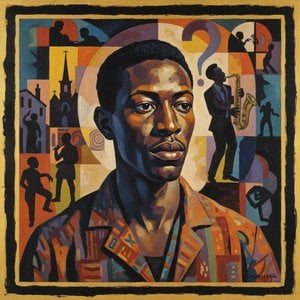
Johnson Antonio: A Soulful Voice of the Mississippi Delta
Johnson Antonio, a name perhaps less widely known than some of his contemporaries, stands as a profoundly evocative figure in American folk art. Born and raised within the rich cultural tapestry of the Mississippi Delta, Antonio’s work is an intimate portrait of rural life, steeped in the blues traditions and the enduring spirit of African Americans. His art isn't merely representation; it’s a visceral expression of emotion, storytelling, and a deep connection to his heritage.
Antonio’s artistic journey began not with formal training but with observation and imitation. He learned by watching his uncle, Johnson Antonio (no relation), a respected folk artist who carved cottonwood figures depicting scenes from daily life – hunting, fishing, dancing, and religious ceremonies. This apprenticeship instilled in him the fundamental techniques of wood carving: shaping the pliable material with an axe to create rough forms, then refining details with a pocketknife. He also developed his distinctive painting style, utilizing house paint, watercolors, and a unique clay pigment called *dleesh* – a traditional Navajo technique – to add color and texture to his creations.
The Language of the Delta
Antonio’s subjects are predominantly figures from rural life in the Mississippi Delta. He frequently portrays older men and women, capturing their weathered faces, dignified postures, and the quiet wisdom gleaned from a lifetime spent working the land. These aren't idealized portraits; they are honest depictions of individuals, reflecting the hardships and resilience inherent in Southern life. His scenes often depict everyday activities – tending to livestock, preparing food, playing music, or simply sitting on porches, lost in contemplation. The figures are imbued with a sense of dignity and quiet strength.
A key element of Antonio’s style is his masterful use of texture. He deliberately leaves the wood surface rough and unpolished, mirroring the ruggedness of the landscape and the lives he depicts. The *dleesh* pigment adds another layer of complexity, creating a subtle sheen that contrasts with the matte finish of the wood. This combination of textures creates a tactile quality in his work, inviting viewers to reach out and touch the images.
Influences and Legacy
While Antonio’s artistic roots lie firmly within the tradition of Delta folk art, he was undoubtedly influenced by the broader landscape of American visual culture. The legacy of William H. Johnson, another prominent Delta artist known for his expressive wood carvings, is particularly evident in Antonio's work. Both artists shared a commitment to portraying the lives and experiences of African Americans in the rural South.
Johnson Antonio’s art has been recognized by prestigious institutions, including the American Folk Art Museum in New York and the National Museum of American Art in Washington, D.C., demonstrating its enduring value and significance within the field of American folk art. His work continues to resonate with audiences today, offering a poignant glimpse into a vanishing way of life and a powerful testament to the resilience and creativity of the human spirit.
Notable Works
- Woman Holding Ear of Corn: A quintessential example of Antonio’s style, this piece captures the dignity and strength of an elderly woman tending her harvest. The rough texture of the wood and the subtle use of color create a powerful sense of immediacy.
- Man on Motorcycle: This carving exemplifies his ability to depict movement and dynamism within a static form, capturing the spirit of rural transportation in the Delta.
Further Exploration
To delve deeper into Johnson Antonio’s work and artistic context, consider visiting the following resources:
- Twin Rocks Gallery: Offers a comprehensive biography and images of his artwork.
- Invaluable.com: Provides information on past auction sales of his pieces.