Luminózny odkaz Franza Bischoffa
Franz Albert Bischoff predstavuje tichú, no nesmierne vplyvnú postać v dejinách amerického umenia – maliara, ktorého štetec dokázal zachytiť prchavú podstatu svetla a pokojnú dušu kalifornskej krajiny. Narodený v roku 1864 v Steinschönau am Inn v Rakúsku, prežíval svoje rané roky hlboko ponorený v bohatých dekoračných tradíličach Rakúsko-Uhorska. Toto základné vzdelanie v oblasti použitého dizajnu, akvarelu a dekorácie keramiky v нём vyvinulo precíznu pozornosť k detailu a hlbokú úctu k harmonii farieb. Keď vo veku pätnástich rokov emigroval do Spojených štátov, priniesol si so sebou cit pre Starý svet, ktorý sa neskôr spojil s rastúcim optimizmom amerického Západu a vytvoril štýl, ktorý bol technicky presný aj emocionálne pôsobivý.
Keď sa jeho kariéra rozvíjala v priemyselných krajinách New Yorku, Ohia a Michiganu, Bischoff najprv dosiahol značné uznanie vďaka jemnému umeniu čínskeho kreslenia na porcelán. Táto disciplína si vyžadovala mimoriadne majstvo v miešaní farieb a práci s drobným detailom, čo sa neskôr stalo jeho ochránnym znakom pri tvorbe krajinárnych kompozícií. Jeho schopnosť manipulovať s jemnými glazúrami a lavírami mu umožnila vnútiť porcelánu život, čo bol predchodcom éterických kvalít, ktoré nachádzame v jeho neskorších olejomalbách. Práve toto jedinečné pretiekanie dekoračnej presnosti a atmosférickej citlivosti definovalo jeho umeleckú identitu pri jeho prechode z dôsledného sveta keramiky k rozľahlým horizontom americkej hranice.
Impresionizmus a kalifornské svetlo
Skutočná metamorfóza Bischoffovho umenia nastala po jeho príchode do Kalifornie, kde dramatická topografia a jedinečné atmosférické podmienky poskytli novú múzu. S prijatím princípov impresionistického hnutia sa snažil zachytiť éterické okamihy svetla, ktoré definujú tento región. Jeho technika sa stala sofistikovaným dialógom medzi jemnými akvarelovými lavírami a subtílnymi olejovými glazúrami, čo viedlo k plátnom, ktoré sa zdajú, že žiari zvnútra. Ovládal vzácnu schopnosť destilovať komplexné vizuálne informácie do harmonických kompozícií, či už zobrazoval drámu horských masívov alebo jemné morské hmly Pacifiku.
Jeho dielo slúži ako živý záznam prírodného sveta počas transformatívnej éry v americkej histórii. Prostredníctvom jeho očí zažívame nasledovné:
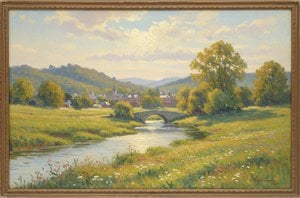
- Cloud Shadows: Majstrovské dielo z roku 1912, kde sú dramatické hory a živé stromy oživené impresionistickým pohľadom, ponúkajúce pokojný pohľad na silu prírody.
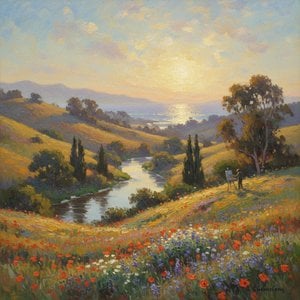
- Pasadena Foothills: Úžasná olejomaľba z roku 1917, ktorá zachytáva podstatnú krásu americkej krajiny a demonštruje jeho schopnosť vykresliť svetlo na vlnitom teréne.
- Mist-Veiled Days, Monterey: Evokatívny výskum pobrežnej atmosféry, kde hra hmly a mora dokazuje jeho majstvo v tónálnej subtilitu.
Trvalý dojem v dejinách umenia
Okrem samotného znázornenia krajiny Bischoffovo dielo stelesňuje pocit nostalgie a úcty k nedotknutej kráse prírody. Jeho maľby, ako napríklad majstrovské dílo Landscape at Saint Valery-sur-Somme, demonštrujú schopnosť premostiť jeho europské korene s jeho americkými skúsenosťami, spájajúc štruktúrovanú eleganciu jeho výcviku s divokou, spontánnou energiou kalifornského pobrežia. On nemaloval len to, čo videl; maloval to, akým sa svetlo cítilo, a dopĺňal svoje témy pocitom pokoja a trvavosti.
Historický význam Franza Bischoffa spočíva v jeho úlohe mostu medzi dekoratívnym umením a krajinárskej maľbou vo vysokom umení. Tým, že priniesol precíznosť čínskeho kreslenia do veľkolepkého rozmeru impresionistických olejov, vytvoril niche, ktorá bola jedinečne jeho vlastnou. Dnes sú jeho diela cenené pre ich schopnosť preziať diváka do uplynutej éry objavov a prírodnej nádhery, pripomínajúc nám trvajúcu silu jemného doteku a luminóznej vízie.
Otázky a odpovede
Kde môžem nájsť štatistiky o dieloch umelca Franz Bischoff?
Stránka Štatistiky umelca Franz Bischoff zobrazuje štatistiky vypočítané z jeho umeleckých diel uvedených na táto webstránka.
Existuje chronologický prehľad tvorby umelca Franz Bischoff?
Chronológia umelca Franz Bischoff je interaktívna časová os, ktorá prezentuje diela umelca v chronologickom poradí, rozdelené do kapitol podľa období jeho kariéry.
Ako nájdem diela od Franz Bischoff na konkrétnu tému?
Ak chcete nájsť diela umelca Franz Bischoff na konkrétnu tému, navštívte jeho stránku Podľa kľúčových slov, ktorá spája jeho diela podľa kľúčových slov.