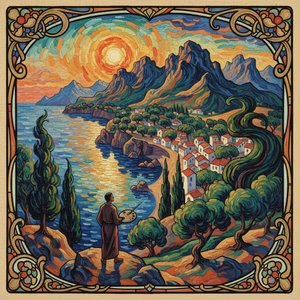
Život vytesaný do kameňa a viery: Svet Antoni Gaudího
Antoni Gaudí i Cornet, narodený 25. júna 1852 v katalánskom meste Reus v Španielsku, nebol len architektom; bol vizionárom, ktorý dokázal vytesať sny do reality. Jeho životný príbeh je rovnako pútavý a nezvyčajný ako budovy, ktoré nesú jeho nezmazateľnú stopu. Vyrastanie medzi klesavými kopcami a drsnou krajinou Katalánska hlboko formovalo Gaudího umeleckú citlivosť. Už ako dieťa prejavoval vynikajúce pozorovacie schopnosti a dôsledne študoval tvary a textúry prírody – čo sa neskôr stalo základným kameňom jeho jedinečného architektonického jazyka. Rodinný život bol poznačený både pohodlím aj obmedzeniami; jeho otec, medník, v ňom zakorenil úctu k remeslu, zatiaľ čo matkina hlboká katolícka vedomosť podниovala duchovné spojenie, ktoré preniklo celé jeho neskoršie dielo. Tieto rané skúsenosti položili základy kariére zasvätenej harmonizovaniu umenia, prírody a viery. Jeho formálne vzdelanie začalo v piaristickej škole v Reuse, pokračovalo na Univerzite v Barcelone a vrcholilo na Provincálnej škole architektúry, ktorú absolvoval v roku 1878. Aj počas akademických rokov bol Gaudího talent zjavný, hoci možno nebol konvenčne uznávaný; jeho profesori si jeho schopnosti vážili, no často sa im nedaralo skĺbiť ich s vtedajšími etablovanými normami. Svoje vzdelanie dopĺňal prácou ako kreslič pre architekta Josepsa Fontserè i Mestresa, čím prispieval k projektom ako Park Ciutadella v Barcelone – čo bol prvý náraz do očí urbanistickej krajiny, ktorú mal neskôr transformovať.
Rozkvitanie jedinečnej vízie
Gaudího prvé zakázky predstavovali rozvíjajúci sa štýl, ktorý majstrovsky kombinoval historické vplyvy – neogotiku a orientalizmus – no to, čo ho skutočne odlíšilo, bola jeho vrodená schopnosť prekonať imitáciu a vytvoriť niečo úplne nové. Casa Vicens (1883–1888) slúži ako raný dôkaz tejto rodiacej sa originality, kde sú maurské a neogotické prvky prepletené s živou paletou farieb a zložitémi detailmi. Avšak skutočným bodom zlomu jeho života sa stala stavba baziliky Sagrada Família v roku 1883. To, čo začalo ako relatívne konvenčný neogotický projekt, sa pod Gaudího vedením rýchlo vyvinulo do odvážneho, organického majstrovského diela – svedočia o jeho neochvejnej vízi a inovatívnych štrukturálnych technikách. Nevidel v nej len budovu, ale „kamennú bibliu“, kde každý element bol preplatený náboženskou symbolikou. V rovnakom čase Gaudí vytváral rezidenčné divy ako Casa Batlló a Casa Milà (La Pedrera), dokončené medzi rokom 1904 a 1910. Tieto stavby brali architektúru v protichode, svojimi vlnitými fasádami, kostrovými formami a odmietnutím rigidnej symetrie. Neboli to len budovy, ale živé organizmy dýchajúce unikátnou energiou. Park Güell, začatý v roku ujú 1900, ďalej demonštroval jeho majstrovstvo v integrovaní architektúry do prirodzanej krajiny, pričom využíval farebné mozaiky – svoju ikonickú techniku *trencadís* – na vytvorenie harmonických priestorov, ktoré pôsobili zároveň rozprávkovo a hlboko duchovne. Aj jeho skoršie práce, ako napríklad Palau Güell (1886–1888), ukázali experimentovanie s parabolickými oblúkami a inovatívnym použitím materiálov, čo predznamenávalo nadchádzajúce štrukturálne prelomy.
Príroda, viera a inovácia: Pilier Gaudího géniu
V jadre Gaudího architektonickej filozofie ležala neochvejná úcta k prírode. Veril, že prírodné tvary držia kľúč k dokonalému dizajnu, a dôsledne študoval všetko od mušľ až po stromy a kostry zvierat. Táto biomimikra nebola len estetická; ovplyvnila aj jeho štrukturálne inovácie. Jeho vyrovnané konštrukcie – spoliehajúcie sa na šikmé stĺpy a ľahké dlažbové svodové kryty – boli priamou odpoveďou na pozorovanie toho, ako prírodné prvky efektívne rozdeľujú váhu, čím eliminovali potrebu tradičných oporných pilierov. Okrem prírody bola rovnako silnou prчínou Gaudího hlboká katolícka viera, čo je obzvlášť vidieť v Sagrada Família, kde je náboženský symbolizmus vpletený do každej línie dizajnu. Bazilika nebola len miestom kultu; mala byť fyzickou manifestáciou kresťanských hodnôt. Gaudí tiež pomenoval techniku *trencadís* – mozaikové umenie využívajúce úlomky keramiky – čím vytvoril živé, textúrované povrchy, ktoré jeho dielom dodali ďalšiu vrstvu organickej krásy. Jeho raná blízkosť k neogotickým a orientálnym vplyvom mu poskytla základ, no tieto štýly len nekopíroval; oni ich vstravoval, transformoval a nakoniec ich prekonal, aby vytvoril niečo, čo bolo výhradne jeho vlastným.
Trvalé oddedenie: Gaudího dopad na svet
Antoni Gaudí je právom považovaný za najvýznamnejšieho predstaviteľa katalánskeho modernizmu (Art Nouveau), hnutia, ktoré sa snažilo vytvoriť odlišnú kultúrnu identitu Katalánska prostredníctvom umenia a architektúry. Jeho práca nebola len o stavbe budov; išlo o vytváranie zážitku, vyvolávanie emócií a oslavu ducha jeho vlasti. Dnes je sedem Gaudových majstrovských diel – Sagrada Família, Park Güell, Casa Batllom, Casa Milà, Palau Güell, Casa Vicens a Krypta v Colonia Güell – zapísaných na zoznam UNESCO ako svetové dedičstvo, čo je dôkazom ich výnimočnej univerzálnej hodnoty. Jeho vplyv na architektúru presahuje hranice Španielska; architekti a dizajnéri po celom svete naďalej čerpajú inšpiráciu z jeho inovatívnych tvarov, štrukturálnych techník a holistického prístupu k návrhu. Tragicky sa však Gaudího život ukončil 10. júna 1926, keď ho v Barcelone zasiahol električka. Ironicky, jeho skromný vzhľad spôsobil, že mnohí si mysleli, že je len žrala, čo odložilo odbornú pomoc až do momentu, kedy bolo neskoro. Napriek jeho smrti sa výstavba Sagrada Família pokračovala na základe jeho precíznych plánov a modelov a jej dokončenie sa očakáva v roku 2026 – na storošie jeho smrti. Okrem toho katolícka cirkev v roku 2003 iniciovala proces Gaudího kanonizácie, uznávajúc jeho hlbokú vieru aj mimoriadne umelecké prínosy – čo je dôstojná pocta mužovi, ktorý zasvätil svoj život stavaniu monumentov dotýkajúcich sa nebes.
Viac než len tehly a malta: Trvajúci duch Gaudího
- Katalánska identita: Gaudího tvorba sa stala synonymom pre katalánsku kultúru, zosobňujúc ducha nezávislosti a umeleckej inovácie.
- Architektonická revolúcia: Podžal architektúcne konvencie, pri pomerne nových štrukturálnych technikách a prijímal organické tvary.
- Duchovná rezonancia: Jeho hlboká viera premenila jeho stvárania na plné náboženskej symboliky a pocitu posvätenosti.
- Nekonečná inšpirácia: Gaudí naďalej inšpiruje architektov, umelcov a dizajnérov po celom svete, zanechávajúc trvalú stopu v krajine moderného umenia a architektúry.
Antoni Gaudí bol viac než len architekt; bol básnikom v kameni, vizionárom, ktorý premenil Barcelonu na žijúce umelecké dielo. Jeho budovy nie sú len stavbami, ale svedectectvami o sile predstavivosti, viery a nesmrteľnej kráse prírodného sveta.
Otázky a odpovede
Kde sú diela umelca Antoni Gaudí usporiadané podľa kľúčových slov?
Ak chcete nájsť diela umelca Antoni Gaudí na konkrétnu tému, navštívte stránku Podľa kľúčových slov daného umelca, ktorá spája jeho diela podľa kľúčových slov.
V akom historickom období tvoril/a Antoni Gaudí?
Antoni Gaudí tvoril v období .. Toto obdobie zaradením umeleckej činnosti umelca do historického kontextu definuje.
Kde nájdem diela umelca Antoni Gaudí zoradené podľa tém?
Atlas predmetov umelca Antoni Gaudí je stránka, ktorá mapuje diela tohto umelca podľa ich tém.
Môžem si zoradiť diela umelca Antoni Gaudí podľa farby?
Stránka Spektrálny index organizuje diela umelca Antoni Gaudí podľa farieb.
Koľko umelých diel od Antoni Gaudí je možné si v katalógu prehliadnuť?
Na stránke Všetky diela si môžete prelistovať 19 umelých diel diel od umelca Antoni Gaudí.
Kde a kedy sa narodil/a Antoni Gaudí?
Antoni Gaudí sa narodil v meste Reus v roku 1852.
Pod akými ďalšími menami je známy/á Antoni Gaudí?
Antoni Gaudí je známy aj pod menom Gaudi.
Z ktorej krajiny pochádza Antoni Gaudí?
Antoni Gaudí sa narodil/a v krajine Španielsko.