


 Náhľad
 Odoslať
 Zdieľať
 Podrobnosti o dielo

 Stiahnuť
 Podobné diela
 RTG skúška
 Prezentácia
Ján Švart z Groningen
 Akryl na plátne
- WallArt
- Renaissance Mannerism
 1520
1520 133.0 x 113.0 cm
 Britské múzeum
 Zobraziť viac
Ručne maľovaná olejová reprodukcia
Ručne maľovaný olej na plátne vo vašej zvolenej veľkosti a v ráme, vyrobený na mieru našimi umelcami. ( Kúpiť tlač Kúpiť obrázok)




P118B $10

P118H $10

P118W $10

P438Z $10

P508JH $12

P508YH $12

P805H $10

P805Z $10

P919BZ $10

P919G $10

P919XJ $10

P959ZH $10

P968JZ $12

W106C $8

W218G $10

W218JH $8

W218Y $10

W307PJ $10

W316G $10

W316PJ $8

W316Y $10

W398PJ $8

W4111J $10

W500HY $15

W500JH $15

W692G $12

W849H $8

W940BG $15

W953PJ $8




Vyberte si z našich preddefinovaných rozmerov, ktoré zodpovedajú pôvodným pomeroḿ diela.

Môžete zadať vlastné rozmery tak, aby sa hodili do konkrétneho rámu alebo priestoru. Ak sa váš zvolený rozmer nezhoduje s pôvodnými proporciami obrazu, dielo buď orezáme, alebo ho doplníme ručne maľovanými prvkami. Pred začiatkom výroby vám zašleme digitálny náhľad na schválenie.
Upozorňujeme, že ukážka na obrazovke neodráža skutočné orezanie alebo doplnenie. Skutočnú finálnu kompozíciu zobrazuje iba digitálny náhľad.
Hoci sú k dispozícii vlastné rozmery, odporúčame vybrať rozmer z preddefinovaného zoznamu, aby sme zachovali pôvodné proporcie.
Po odoslaní objednávky vám tím ArtsDot.com pošle e-mail s pokynmi a poskytne náhľad na návrh.
Celosvetová doprava () za 3 až 4 týždne namiesto štandardných 5 týždňov. (21 august). Bez kompromisov v kvalite.

Bezplatná expresná doprava po celom svete

Prémiové lnianske plátno

Kompletné poistenie prepravy

Záruka vrátenia colného poplatku

Záruka presného farebného zhodnutia

60-dňá politika vrátenia (iba pri defektoch)

100% záruka vrátenia peňazí

Výhodná množstevná zľava
 Možnosť skla je dostupná len pri rozmeroch pod 110 cm

Ján Švart z Groningen
Technika reprodukcie
Veľkosť reprodukcie
-


Celková cena za vybrané možnosti
$ 263
Popis diela
Jan Swart van Groningen: Výrazný predstaviteľ obrazového umenia renesansu
Jan Swart van Groningen (1495 – 1563) bol významným holandským majstrom doby renesanse, ktorý si získal rozsiahlu úspešnosť počas svojho života a zanechal nezabudateľné dedičstvo v oblasti výtvarného umenia Nizozemských krajín. Jeho osobitý štýl – charakterizovaný dôsledným detailom a hlbokým emocionálnym vyjadrením – zabezpečil mu miesto medzi najvýznamnejšími umelcami svojej doby. Karel van Manderovo životopisné záznamy poskytujú neoceniteľné poznatky o jeho výchove; Swart strávil čas v Goude spolu s Janom van Scorelom, čím získal zásadný vplyv na jeho tvorbu. Van Mander upozornil na Swartovu schopnosť zachytiť atmosférické perspektívu a líniové nátery s pozoruhodnou presnosťou – znakom svojho umeleckého prehľadu Scorel. Ďalej podnikol cestovanie do Talianska už v začiatkoch 30. rokov 16. storočia, kde sa ponoril do sveta umenia a architektúry talianskych mest. Tento zájazd výrazne rozšíril jeho znalosti a ovplyvnil jeho tvorbu ďalšími estetickými ideami a technikami. Jeho práce boli ovplyvnené humanistickou filozofiou doby, ktorá kladla dôraz na ľudské hodnoty a krásu prírody – základné prvky talianskej renesančej estetiky.John the Baptist (or the Apostle Philip): Detailná biblická reprezentácia
Maľba „John the Baptist (or the Apostle Philip) Preaching“ zobrazuje scénu vonkajšieho náboženského vyznávania, ktorá odkazuje k základným hodnotám kresťanskej viery. Hlavný objekt obrazu – Svätý Ján Krstiteľ alebo apoštol Filip – stojí na skalnom útese a gestikuluje smerom k davu ľudí zhromaždenému okolo neho. Jeho oblečenie je jednoduché, čo odkazuje k prostému životu kresťanského misionára. Držá scroll alebo knihy, čo môže symbolizovať čítanie slov Božích alebo vyjadrenie náboženských myšlienok. Dav predstavuje rôzne osoby – niektorí sú bližšie hlavnému objektu obrazu, iných vzdialenejších – čo vytvára efekt hlbokého prostoročného prehľadu. Oblečenie účastníkov odkazuje k historickým postupom doby renesanse a reflektuje sociálne pozície jednotlivcov v spoločnosti.Technika a materiál použitý
Swart van Groningen používal olejové farby na drevenú podkladku, čo bolo typické pre tvorbu obrazov svojho času. Jeho technika zahŕňala dôsledné nátery líniových náterov, ktoré vytvárali realistický efekt svetla a tieňa – zásadný prvok jeho umeleckého prehľadu Scorel. Detailná kreslenie a použitie pigmentov zabezpečilo vysokú úroveň estetickej kvality obrazu. Jeho práce boli charakteristické svojou precízelosťou a dôslednosťou, čo odkazuje k humanistickým ideám doby renesanse – hodnotenie odbornosti a znalostí ako základných princípov umeleckého tvorstva.Symbolizmus obrazu
Maľba „John the Baptist (or the Apostle Philip) Preaching“ obsahuje množstvo symbolických prvkov, ktoré odkazujú k biblickým príbehom a náboženským hodnotám. Skalný útes, na ktorom stojí Svätý Ján Krstiteľ alebo apoštol Filip, predstavuje miesto pokľadu a očistenia – základné motívy kresťanskej symboliky. Gestikulácia hlavného objektu obrazu smerom k davu ľudí vyjadruje jeho úlohu ako učiteľa a šíriča kresťanského posolstva. Scroll alebo knihy držané Svätým Jánom Krstiteľom alebo apoštolom Filipom predstavujú slová Božie – zdroj náboženského poznania a vedenia. Celkovým obrazom dominujú svetlá a tieň, ktoré vytvárajú dramatický efekt a podporujú emocionálne vyjadrenie príbehu.Emocionálny dopad
„John the Baptist (or the Apostle Philip) Preaching“ je obrazom, ktorý vyvoláva silné emócie u pozorovateľa – pocit pokľadu, nádejnej očisty a lásky k Bohu. Jeho estetická kvalita a umelecká precízelosť sú dôkazom Swartovej tvorby a jeho významného prispevku k výtvarnému umeniu renesanse. Reprodukcia tejto ikonografie môže byť zdrojom krásy a inspirácie v súčasných interiéroch.Podobné diela


Biografia umelca
A Master of the Northern Renaissance: The Life of Jan Swart van Groningen
In the vibrant tapestry of the sixteenth-century Low Countries, few names evoke the meticulous grace and spiritual depth of Jan Swart van Groningen. Born around 1495 in the northern Netherlands, Swart emerged as a pivotal figure within the Dutch Renaissance, a period defined by an unprecedented marriage of profound religious devotion and a burgeoning humanist curiosity. His journey, which took him from the quiet landscapes of Groningen to the bustling artistic hubs of Gouda and Antwerp, reflects the broader movement of artists seeking to harmonize Northern European realism with the classical elegance flowing from the Italian peninsula.
The formative years of Swart’s career were deeply shaped by his proximity to other luminaries of the age. During his time in Gouda around 1522, he worked alongside the influential Jan van Scorel. This encounter proved transformative; from Scorel, Swart inherited a sophisticated command of oil painting techniques and an ability to render atmospheric perspective and lifelike flesh tones with startling accuracy. This mastery of light and shadow—often referred to as chiaroscuro—would become a hallmark of his style, allowing him to breathe life into both the rugged textures of the natural world and the delicate expressions of his subjects.
The Italian Influence and the Art of Narrative
Driven by an insatiable artistic ambition, Swart undertook a significant journey to Italy in the early 1530s. Immersing himself in the artistic fervor of Venice, he absorbed the warmth of Mediterranean color palettes and the structural grandeur of Italian Renaissance ideals. This exposure did not merely refine his technique; it expanded his thematic horizons. Upon his return to the Low Countries, his work began to exhibit a more complex interplay between narrative drama and landscape, blending the Northern tradition of minute detail with a new, sweeping sense of composition.
Swart’s versatility was perhaps most evident in his mastery of printmaking. He possessed a unique ability to translate complex theological and political anxieties into the medium of woodcuts. His prints often captured the zeitgeist of his era, such as his evocative depictions of Ottoman cavalrymen—a reflection of the contemporary European fears regarding expansion. Furthermore, his collaborative woodcut series, which portrayed Christ preaching from a ship, demonstrates his capacity for large-scale storytelling, using the interplay of water and light to underscore the divine nature of the sermon.
Legacy of Mentorship and Lasting Significance
Beyond his individual canvases and prints, Jan Swart van Groningen’s legacy is etched into the very fabric of Netherlandish art through his role as a mentor. His artistic partnership with Adriaen Pietersz Crabeth stands as a testament to his dedication to the craft. Under Swart’s guidance, Crabeth developed the skills that would eventually lead him to become a celebrated master of stained-glass art. This lineage of talent ensured that Swart’s influence would ripple through the generations of Flemish and Dutch artists who followed.
The enduring significance of Swart’s oeuvre lies in its ability to serve as a window into the sixteenth-century soul. Whether through his monumental wood panels depicting biblical figures like John the Baptist or his evocative depictions of landscapes, his work captures a world caught between the medieval and the modern. His paintings remain vital studies in:
- Spiritual Resonance: The use of religious narrative to evoke profound contemplation and faith.
- Technical Precision: The seamless integration of oil and tempera to achieve luminous, lasting textures.
- Humanist Realism: The ability to render the human form and natural environments with an almost unsettling accuracy.
Today, as we look upon the works attributed to Jan Swart van Groningen, we see more than mere historical artifacts; we encounter a master who successfully bridged the gap between the earthly and the divine, leaving behind a legacy of beauty, detail, and profound emotional truth.

jan swart van groningen
1495 - 1563 , Netherlands
Základné informácie
- Artistic Movement Or Style: Renaissance
- Artists Or Movements Influenced By This Artist: ['Dirck Pietersz Crabeth']
- Artists Who Influenced This Artist: ['Jan van Scorel']
- Date Of Birth: c. 1495
- Date Of Death: c. 1563
- Full Name: Jan Swart van Groningen
- Nationality: Dutch
- Notable Artworks:
- The wedding in Kana
- The Triumph of Death
- Place Of Birth: Groningen, Netherlands
Súvisiace články

John Singer Sargent's 25 Masterpieces: Portraits & Beyond | ArtsDot
Explore 25 iconic John Singer Sargent paintings – from dazzling portraits to Impressionist landscapes. Discover the stories behind Madame X, El Jaleo & more! Find museum-quality art reproductions and elevate your home decor with ArtsDot.com.

John Constable: Top 25 Majstrovských Diel pre Váš Domov | ArtsDot.sk
Ponorte sa do sveta Johna Constabla s ArtsDot.sk! Objavte top 25 majstrovských diel anglického romantizmu – od ikonického Hay Wain až po krajinárske motívy Suffolku. Kvalitné reprodukcie obrazov pre váš domov. Preskúmajte celú kolekciu online!
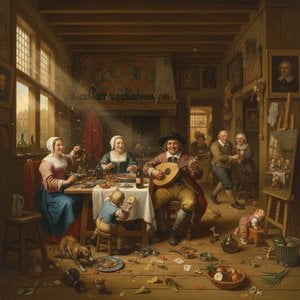
Jan Steen: A Master of Dutch Genre Painting & the Golden Age
Explore the life & art of Jan Steen, a leading Dutch Golden Age painter renowned for his humorous genre scenes & insightful social commentary. Discover his techniques, legacy, and collecting tips.

Jan van Goyen: Master of Dutch Landscape & Atmospheric Perspective
Discover Jan van Goyen, the master of Dutch landscape painting. Explore his subtle technique, atmospheric realism & lasting influence on art history. Learn about this 17th-century pioneer at ArtsDot.

Top 10 majstrovských diel holandskej baroka: Umění pre váš domov s ArtsDot
Objavte top 10 majstrovských diel holandskej baroka s ArtsDot! Rembrandt, Vermeer a ďalší. Prežite príbehy umenia, techniky a farieb. Reprodukcie obrazov pre váš domov – Explore the full collection online.


