

 Náhľad
 Odoslať
 Zdieľať
 Podrobnosti o dielo

 Stiahnuť
 Podobné diela
 RTG skúška
 Prezentácia
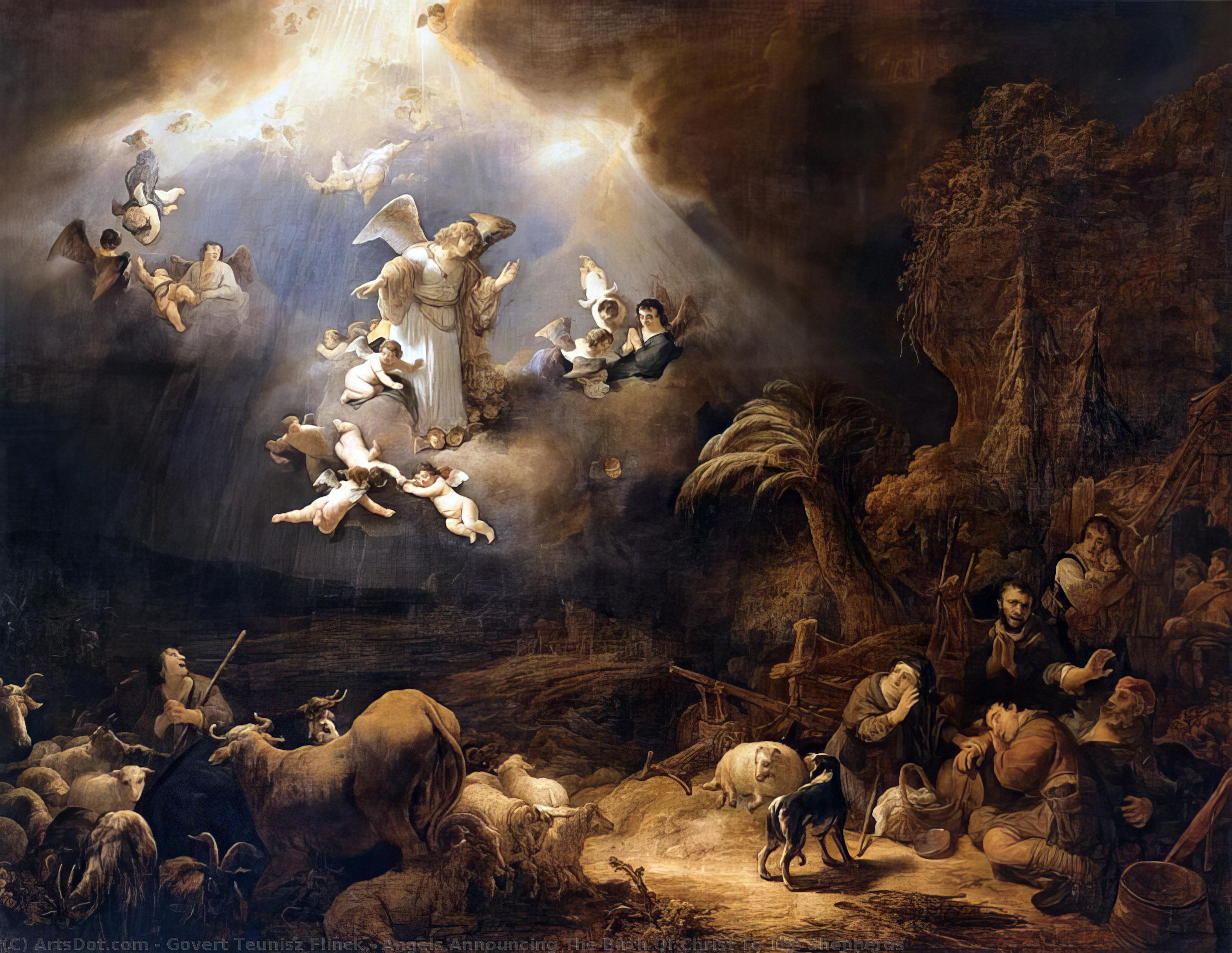
Narodenie Krista oznámili pastieri


 Zobraziť viac
Ručne maľovaná olejová reprodukcia
Ručne maľovaný olej na plátne vo vašej zvolenej veľkosti a v ráme, vyrobený na mieru našimi umelcami. ( Kúpiť tlač Kúpiť obrázok)




P118B $10

P118H $10

P118W $10

P438Z $10

P508JH $12

P508YH $12

P805H $10

P805Z $10

P919BZ $10

P919G $10

P919XJ $10

P959ZH $10

P968JZ $12

W106C $8

W218G $10

W218JH $8

W218Y $10

W307PJ $10

W316G $10

W316PJ $8

W316Y $10

W398PJ $8

W4111J $10

W500HY $15

W500JH $15

W692G $12

W849H $8

W940BG $15

W953PJ $8




Vyberte si z našich preddefinovaných rozmerov, ktoré zodpovedajú pôvodným pomeroḿ diela.

Môžete zadať vlastné rozmery tak, aby sa hodili do konkrétneho rámu alebo priestoru. Ak sa váš zvolený rozmer nezhoduje s pôvodnými proporciami obrazu, dielo buď orezáme, alebo ho doplníme ručne maľovanými prvkami. Pred začiatkom výroby vám zašleme digitálny náhľad na schválenie.
Upozorňujeme, že ukážka na obrazovke neodráža skutočné orezanie alebo doplnenie. Skutočnú finálnu kompozíciu zobrazuje iba digitálny náhľad.
Hoci sú k dispozícii vlastné rozmery, odporúčame vybrať rozmer z preddefinovaného zoznamu, aby sme zachovali pôvodné proporcie.
Po odoslaní objednávky vám tím ArtsDot.com pošle e-mail s pokynmi a poskytne náhľad na návrh.
Celosvetová doprava () za 3 až 4 týždne namiesto štandardných 5 týždňov. (17 august). Bez kompromisov v kvalite.

Bezplatná expresná doprava po celom svete

Prémiové lnianske plátno

Kompletné poistenie prepravy

Záruka vrátenia colného poplatku

Záruka presného farebného zhodnutia

60-dňá politika vrátenia (iba pri defektoch)

100% záruka vrátenia peňazí

Výhodná množstevná zľava
 Možnosť skla je dostupná len pri rozmeroch pod 110 cm

Narodenie Krista oznámili pastieri
Technika reprodukcie
Veľkosť reprodukcie
-


Celková cena za vybrané možnosti
$ 263
Popis diela
Božské zjavenie: Oznámenie pastierom
Maľba Goverta Teunisa Flincka z roku 1639 zachytáva kľúčový moment kresťanského príbehu – oznámenie o narodení Krista pokorným pastierom. Toto monumentálne dielo nie je len prostým zobrazením biblického udalosti, ale silným skúmaním viery, úžasu a božskeho zásahu, vykresleným s dramatickým citom, ktorý je charakteristický pre holandský zlatý vek.
Barokový dramatizmus a umelecké vplyvy
Flinckov štýl pevne umiestňuje jeho tvorbu v rámci baroknej tradície, hoci je jasne ovplyvnený svojím súčasníkom, Rembrandtom van Rijnom. Obraz prezentuje majstrovské ovládanie chiaroscuro – dramatickej hry svetla a tieňa – čo vytvára intenzívnu emocionálnu atmosféru. Všimnite si, ako žiariace svetlo sestupuje z neba, osvetľuje hlavného anjela a kaskádovito padá na udivených pastierov, zatiaľ čo veľká časť pozemsnej krajiny zostáva zahalená v temnote. Táto technika nie je len estetická; symbolizuje príchod božskej milosti do sveta čakajúceho na spasenie.
Technika a materiály: Malárske umenie
Dielo vytvorené olejom na plátne demonštruje Flinckovo zručné ovládanie farieb. Používa vrstvené ťahy štetca a jemné glazúry, aby dosiahol pozoruhateľnú hĺbku a textúru. Sledujte impasto – hrubé nanášanie farby – ktoré je obzvlášť viditeľné na šatách anjelov a odeve pastierov, čo tým dodáva týmto postavám taktilnú kvalitu. Krajina je vykreslená hrubšou textúrou, ktorá krásne kontrastuje s hladšími povrchmi ľudských postáv.
Historický kontext a cit pre holandský zlatý vek
Sedemnástostoročné Holandsko svedčilo o bezprecedentnom rozkvitnutí umeleckého talentu – v ére holandského zlatého veku. Hoci boli umelci ako Flinck známi najmä portrétmi a krajinami, vynikali aj v historických a náboženských témach. Táto maľba odráža obdobie hlbokej viery aj rozmach vedeckého skúmania. Realistické zobrazenie pastierov, ich zvierat (vrátane mimoriadne výrazného psa) a pastoriskej scény zakotvuje božskú udalosť do každodenného života, čím ju robí prístupnou pre súčasných divákov.
Symbolika a emocionálna rezonancia
Okrem svojho naratívneho obsahu je maľba bohatá na symboliku. Ovce predstavujú Kristových nasledovníkov a zraniteľnosť ľudstva. Tma symbolizuje svet pred príchodom Krista, zatiaľ čo svetlo stelesňuje božskú nádej a milosť. Flinck expertným spôsobom zachytáva celú škálu ľudských emócií – od modlitbovej úcty až po zmätený prekvapenie – čo odzrkadľuje hlboký dopad tohto zázračného oznámenia. Dynamická kompozícia s jej diagonálnou osou smerujúcou nahor k nebeským sféram posilňuje pocit duchovného povznesenia.
Majstrovské dielo pre náročných zberateľov
„Anjeli oznamujú narodenie Krista pastierom“ je viac než len krásna maľba; je to silné vyjadrenie umenia. Jeho dramatická kompozícia, bohatá symbolika a majstrovská technika z neho robia ideálnu doplnok do akejkoľvek zbierky alebo interiéru. Či už hľadáte dominantný bod pre obývaciu izbu, knižnicu alebo kaplnku, toto umelecké dielo vás nepochybne navedie k zamysleniu a vyvolá pocit úžasu.
Podobné diela


Biografia umelca
A Life Painted in Light and Shadow: The Story of Govert Teunisz Flinck
Govert Teunisz Flinck, a name that resonates with the golden age of Dutch painting, was more than just a portraitist; he was a conduit between Rembrandt’s revolutionary style and the burgeoning artistic landscape of 17th-century Amsterdam. Born in Kleve, Germany, in 1615 – a city steeped in both German and Dutch influences – Flinck's early life hinted at a path far removed from the world of art. His father, a prosperous cloth merchant, envisioned a future for his son within the trade, but fate intervened with the unexpected guidance of Lambert Jacobsz, a prominent Mennonite preacher and painter who recognized the young man’s innate artistic talent. This pivotal encounter steered Flinck towards Leeuwarden, where he began his formal training under Jacobsz, laying the foundation for a career that would ultimately eclipse his initial aspirations.
The move to Amsterdam in 1633 marked a turning point. There, Flinck entered the studio of Rembrandt van Rijn, a relationship that profoundly shaped his artistic development. Rembrandt’s influence is undeniably present throughout Flinck's oeuvre – particularly in his early works – characterized by dramatic lighting, nuanced expressions, and a masterful manipulation of chiaroscuro. However, unlike Rembrandt, who often embraced theatricality, Flinck gradually developed a more refined and elegant style, incorporating elements of Rubensian dynamism and a heightened sense of realism. This evolution is strikingly evident in pieces like “Isaac Blessing Jacob” (1638), where the composition’s balance and the figures' emotional depth demonstrate a clear departure from Rembrandt’s immediate influence.
The Portraiture of Power and Prestige
Flinck quickly established himself as one of Amsterdam’s most sought-after portraitists, catering to a clientele that included wealthy merchants, civic officials, and prominent members of the Mennonite community. His portraits weren't merely representations of likeness; they were carefully constructed narratives, imbued with social commentary and reflecting the status and aspirations of his subjects. The “Portrait of a Man, probably Augustijn Wtenbogaert (1577-1655)” exemplifies this approach, showcasing an aged sitter rendered with remarkable sensitivity and capturing not only his physical appearance but also the weight of experience etched upon his face. The use of rich fabrics, intricate details in the background, and subtle gestures all contribute to a portrait that transcends simple likeness, offering a glimpse into the subject’s life and character.
His commissions for civic guardsmen – as seen in “Officers and Other Civic Guardsmen of District XVIII in Amsterdam…” – further cemented his reputation. These works are not simply depictions of military personnel; they are vibrant celebrations of civic pride, meticulously rendered with attention to detail and a keen awareness of the social dynamics at play. The influence of Rembrandt is palpable here, particularly in the dynamic composition and the use of light and shadow to create a sense of movement and drama. The painting captures not just the appearance of the guardsmen but also their role as protectors of Amsterdam’s prosperity and stability.
Beyond the Portrait: Genre Scenes and Religious Narratives
While renowned for his portraits, Flinck's artistic range extended beyond the confines of formal representations. He produced a series of compelling genre scenes – intimate depictions of everyday life – that offered a window into the domestic sphere of 17th-century Amsterdam. These works are characterized by their realism and their ability to capture the nuances of human interaction, revealing both the joys and challenges of daily existence. His religious paintings, such as “Angels Announcing the Birth of Christ to the Shepherds,” demonstrate a masterful command of composition, color, and symbolism, creating scenes that are both visually stunning and emotionally resonant.
Legacy and Influence
Govert Teunisz Flinck’s career spanned nearly four decades, during which he produced an impressive body of work that continues to captivate viewers today. His artistic development—from his early apprenticeship under Rembrandt to the refinement of his own distinctive style—reflects the dynamic artistic climate of the Dutch Golden Age. He left a lasting legacy as one of the most accomplished portraitists and genre painters of his time, influencing generations of artists who followed in his footsteps. His works are now housed in prestigious collections around the world, including the Rijksmuseum in Amsterdam, testament to his enduring contribution to the history of art.

govert teunisz flinck
1615 - 1660 , Germany
Základné informácie
- Artistic Movement Or Style: Baroque
- Artists Or Movements Influenced By This Artist: ['Peter Paul Rubens']
- Artists Who Influenced This Artist: ['Rembrandt']
- Date Of Birth: January 25, 1615
- Date Of Death: February 2, 1660
- Full Name: Govert Teunisz Flinck
- Nationality: Dutch
- Notable Artworks:
- Angels Announcing Christ
- Portrait of a Man
- Officers Civic Guardsmen
- Place Of Birth: Kleve, Germany
Súvisiace články

Top 10 majstrovských diel holandskej Zlatej éry: Umění pre váš domov s ArtsDot.com
Ponorte sa do sveta holandskej Zlatej éry s ArtsDot.com! Objavte príbehy Rembrandta, Vermeera a ďalších majstrov baroka. Reprodukcie obrazov pre váš domov – inšpirujte sa nadčasnými dielami. Preskúmajte kolekciu online!

Golden Age Reflections: Dutch Baroque Painting & Cultural Innovation
Explore the Dutch Golden Age of painting! Discover key artists like Vermeer & ter Borch, their innovative techniques, and the rich cultural context behind these Baroque masterpieces. Learn about collecting & appreciating this iconic art period.

Illuminating Innovation: Exploring the Dutch Golden Age of Painting
Explore the Dutch Golden Age of painting with ArtsDot. Discover Rembrandt, Vermeer & other Masters. Learn about key characteristics, iconic artworks, and lasting influence. Expert insights for collectors & enthusiasts.
Illuminating Realism: Exploring the Dutch Golden Age of Painting (1600-1700)
Explore the Dutch Golden Age of painting (1600-1700) with ArtsDot. Discover Rembrandt, Vermeer & other masters. Learn about techniques, history & find museum-quality reproductions.

Charles Leickert: Capturing the Dutch Golden Age Light – A Comprehensive Study of Technique, Context, and Legacy
Explore the captivating winter landscapes of Charles Leickert, a master of Dutch Golden Age light & atmosphere. Discover his techniques, symbolism, and lasting legacy – a comprehensive study for art enthusiasts and collectors.


