


 Náhľad
 Odoslať
 Zdieľať
 Podrobnosti o dielo

 Stiahnuť
 Podobné diela
 RTG skúška
 Prezentácia
Krásna záhrada
 Akryl na plátne
- Nástenné umenie
- Baroque Painting
 1631
1631 456.0 x 590.0 cm
 Art Institute of Chicago
 Zobraziť viac
Ručne maľovaná olejová reprodukcia
Ručne maľovaný olej na plátne vo vašej zvolenej veľkosti a v ráme, vyrobený na mieru našimi umelcami. ( Prejsť na tlač Prepnúť na obrázok)




P118B $10

P118H $10

P118W $10

P438Z $10

P508JH $12

P508YH $12

P805H $10

P805Z $10

P919BZ $10

P919G $10

P919XJ $10

P959ZH $10

P968JZ $12

W106C $8

W218G $10

W218JH $8

W218Y $10

W307PJ $10

W316G $10

W316PJ $8

W316Y $10

W398PJ $8

W4111J $10

W500HY $15

W500JH $15

W692G $12

W849H $8

W940BG $15

W953PJ $8




Vyberte si z našich preddefinovaných rozmerov, ktoré zodpovedajú pôvodným pomeroḿ diela.

Môžete zadať vlastné rozmery tak, aby sa hodili do konkrétneho rámu alebo priestoru. Ak sa váš zvolený rozmer nezhoduje s pôvodnými proporciami obrazu, dielo buď orezáme, alebo ho doplníme ručne maľovanými prvkami. Pred začiatkom výroby vám zašleme digitálny náhľad na schválenie.
Upozorňujeme, že ukážka na obrazovke neodráža skutočné orezanie alebo doplnenie. Skutočnú finálnu kompozíciu zobrazuje iba digitálny náhľad.
Hoci sú k dispozícii vlastné rozmery, odporúčame vybrať rozmer z preddefinovaného zoznamu, aby sme zachovali pôvodné proporcie.
Po odoslaní objednávky vám tím ArtsDot.com pošle e-mail s pokynmi a poskytne náhľad na návrh.
Celosvetová doprava () za 3 až 4 týždne namiesto štandardných 5 týždňov. (8 august). Bez kompromisov v kvalite.

Bezplatná expresná doprava po celom svete

Prémiové lnianske plátno

Kompletné poistenie prepravy

Záruka vrátenia colného poplatku

Záruka presného farebného zhodnutia

60-dňá politika vrátenia (iba pri defektoch)

100% záruka vrátenia peňazí

Výhodná množstevná zľava
 Možnosť skla je dostupná len pri rozmeroch pod 110 cm

Krásna záhrada
Technika reprodukcie
Veľkosť reprodukcie
-


Celková cena za vybrané možnosti
$ 263
Popis diela
Christoffel Jegher: A Baroque Visionary Capturing Ideal Beauty
Christoffel Jegher (1596 – 1652) predstavuje významnú osobu v živých umelckých prostrediach flamského Barroka, obdobia ktorému sa vyznačovalo dramatickým výrazom a bohatým dekoratívnym využitím farieb. Jeho tvorba, hoci pomerne izolovaná od mnohých svojich kolegov, získala si miesto medzi najvýznamnejšími dielami tejto doby a stále dnes fascinuje odborníkov i milovníkov umenia.
Jegher bol synom významného graviera Jacob Jegera, ktorý pokračoval vo svojom otcových umeleckých aktivitách. Jeho výučba pravdepodobne zahŕňala klasické kreslenie spolu s rozvíjačimi sa štýlovými tendenciami Barroka, čo mu umožnilo osvojiť si najlepšie techniky svojej doby.
The Garden of Love: A Panoramic Baroque Masterpiece
“The Garden of Love” vytvorená okolo roku 1631 Jegherom je monumentálnym dielom, ktoré dnes nájdeme v zbierkach Art Institute of Chicago. Tento obraz zachytáva komplexné prostredie záhradného pozostatku – skupinu ľudí zapojených do rôznych činností, doplnenú elegantnými architektúrnymi prvkami a symbolickou reprezentáciou lásky a krásy.
Jegher spolupracoval s Peterom Paulom Rubensom na množstve rozsiahlych rytiniek, pričom tento dvojlistý výtlačok je najväčšími z nich. Pozorovateľ môže pozorovať živé zážitky muzikantov sediacich na pohodlných kresliach a kolonádnych plošných plochách – ľavá strana obrazu prezentuje bohatú estetiku aristokratického prostredia.
Technika a Štýl: Klasické Princípy Barroka
Jegherovo umelecké diela sú charakteristické použitím klasických kresliacich princípov, ktoré Rubensovi prinášal jeho cestovanie po Italii. Pozorujúci si môžu všimnúť detailné kreslenie tkanín, starostlivé reprodukcie povrchových textúr záhradných prvkov a výrazné využitie svetla a tieňov – čo vytvára dramatický efekt a dodáva obrazu hlboký rozmer.
Významnou súčasťou obrazu sú dva cherúby, ktoré držia vence alebo korunové kvety – symbol krásy a oslavy. Tento prvok odkazuje na klasické mytológie a prispieva celkovému estetickému dojmu diela.
Symbolizmus a Emocionálny Dopad
"The Garden of Love" nie je len obraz záhradného pozostatku; predstavuje komplexný koncept lásky, krásy a harmonického života. Jeho bohaté dekoratívne prvky a dramatické osvetlenie vyjadrujú filozofiu Barroka – oslavu ľudskej krásy a intelektuálneho rozvoja v súlade s prírodou.
Reprodukcia tejto ikonickej dielnosti môže byť dokonalým doplnkom interiéru, ktorý prináša eleganciu a kultúrnu hodnotu do každého domu. Jeho umelecké prevedenie umožňuje uchytiť si podstatu pôvodného obrazu a preniesť jeho krásu do súčasných prostredí.
Podobné diela


Biografia umelca
The Master of the Woodcut: The Life and Legacy of Christoffel Jegher
In the heart of the 17th-century Flemish Baroque, amidst the bustling artistic fervor of Antwerp, the name Christoffel Jegher resonates with the profound impact of a true visionary. Born around 1596, Jegher emerged from an era defined by dramatic movement and emotional intensity. While history often remembers the grand canvases of painters, Jegher carved his legacy into the very grain of wood, serving as one of the most significant engravers and woodcut artists of his time. His life was inextricably linked to the golden age of Antwerp, a period where the boundaries between fine art and printmaking were blurred by the sheer brilliance of technical mastery.
Jegher’s journey was not merely that of a solitary craftsman but one deeply embedded in the prestigious circles of the Guild of St. Luke, where he achieved master status in 1628. His career was marked by an extraordinary professional intimacy with the giants of his age, most notably Peter Paul Rubens. It is whispered in art historical circles that Jegher was perhaps the only woodcutter of his era to work so closely within Rubens’ own studio. This collaboration was more than mere employment; it was a symbiotic exchange of genius. While Rubens provided the sweeping, muscular compositions and divine inspiration, Jegher possessed the surgical precision required to translate those fluid brushstrokes into the rugged, high-contrast medium of woodcut. In some instances, the master himself may have drawn directly onto the blocks, leaving Jegher to breathe life into the lines through meticulous cutting.
A Symphony of Light and Shadow
To observe a work by Jegher is to witness a dramatic theatricality that defines the Baroque spirit. His technique was a masterful manipulation of chiaroscuro, using the stark contrast between deep, velvety blacks and brilliant white spaces to evoke a sense of divine presence or mythological grandeur. This ability to command light allowed him to transform simple book illustrations into epic narratives. His work for the renowned Antwerp publishing house, Plantin-Moretus, ensured that his artistic vision reached far beyond the elite collectors, permeating the religious and scholarly texts of Europe.
His repertoire was as diverse as it was profound, ranging from the sacred to the profane. Jegher’s hands brought to life scenes of intense psychological depth, such as:
- Biblical Narratives: Where he captured the tender vulnerability of figures like Jesus and St. John the Baptist in their Childhood, utilizing anatomical precision to ground spiritual truths in human emotion.
- Mythological Epics: Such as his breathtaking execution of Hercules Fighting Fury and Discord, a work that mirrors the monumental scale and muscular energy of Rubens’ own paintings.
- Luminous Landscapes: In works like The Garden of Love, where he demonstrated an unexpected sensitivity to texture and light, creating idyllic scenes that seem to glow from within the paper itself.
An Enduring Artistic Lineage
The influence of Christoffel Jegher extended far beyond his own lifetime, flowing through a lineage of artists that helped shape the visual language of the 17th century. His mastery was not a solitary flame but a torch passed to the next generation; he was the father of the engraver Jan Christoffel Jegher, who continued to navigate the intricate world of religious prints and book illustrations, even contributing to the early precursors of what we might today recognize as the modern comic strip through sequential narrative prints.
Jegher’s historical significance lies in his role as a bridge between the high art of the painterly tradition and the widespread accessibility of print culture. He elevated the woodcut from a secondary reproductive medium to a primary vehicle for artistic expression. Through his hands, the monumental energy of the Flemish Baroque was democratized, allowing the triumphs of Rubens and the spiritual fervor of the Counter-Reformation to be felt by the hands of many. Even today, as we gaze upon the intricate lines of his prints in museums like the British Museum or the Saint Louis Art Museum, we are reminded of a man who could find infinite depth within the narrow confines of a wooden block.

christoffel jegher
1596 - 1652 , Belgium
Základné informácie
- Artistic Movement Or Style: Baroque
- Artists Who Influenced This Artist:
- Peter Paul Rubens
- Anthony van Dyck
- Date Of Birth: 1596 Antwerp Belgium
- Date Of Death: 1652 Antwerp Belgium
- Full Name: Christoffel Jegher
- Nationality: Flemish
- Notable Artworks:
- The Garden of Love
- Jesus and St John the Baptist in their Childhood
- Place Of Birth: Antwerp Belgium
Súvisiace články

Top 10 majstrovských diel baroka: Umění a dekor pre váš domov
Ponorte sa do sveta baroka! Objavte top 10 majstrovských diel od Caravaggia, Rembrandta a ďalších slávnych maliarov. Reprodukcie obrazov pre luxusný dekor vášho domova na ArtsDot.com.

Majstri 17. storočia: Top 10 diel pre váš domov a inšpiráciu
Ponorte sa do sveta 17. storočia s top 10 dielami od Rembrandta, Vermeera a Caravaggia! Objavte príbehy majstrov baroka, ich techniky a nadčasnú krásu. Luxusné reprodukcie obrazov pre váš domov na ArtsDot.com.
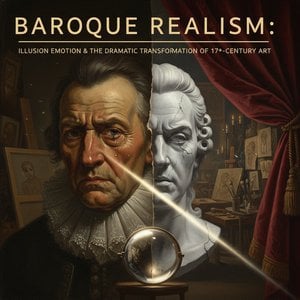
Baroque Realism: Illusion, Emotion & the Dramatic Transformation of 17th-Century Art
Explore the dramatic world of Baroque Realism! Discover iconic artists like Caravaggio & Rubens, their techniques, and the movement's lasting impact on art history. Expert insights for collectors & enthusiasts.

Baroque Classicism: Reconciling Drama & Order in 17th-Century Art
Explore the captivating world of Baroque Classicism! Discover its history, key artists like Caravaggio & Rubens, and defining characteristics. Expert insights & high-quality reproductions at ArtsDot.

Peter Paul Rubens: A Baroque Master's Life, Legacy & Enduring Influence
Discover the life & art of Peter Paul Rubens, the most influential artist of the Flemish Baroque tradition. Explore his masterpieces, legacy, and impact on art history with ArtsDot.


