


Obraz sa prispôsobuje vašim voľbám: , .
Popis zberateľského predmetu
Experience the chaotic energy of Jackson Pollock's Echo, a 1951 Abstract Expressionist masterpiece featuring intricate monochrome drip patterns that invite you to explore the profound depths of modern art history.
 Zobraziť viac
Biografia umelca
Americký abstraktný expresionista známy rytmickými technikami kvapania a kompozíciami all-over, ktoré vytváral tyčami a nožmi.
Objavte svoj v štyroch jednoduchých krokoch
Nespáľujte sa. Každú odpoveď môžete zmeniť; cena vo vašej objednávke sa prispôsobí každej zvolenej možnosti.
1 Prvý krok zo štyroch
Na akom médiu má byť vytlačené?
Plátno je vytlačené giclée inkoustami a môže byť napnuté alebo zasadené do rámca ako obraz; papier je dodávaný plochý alebo v rámci pod sklom.
2 Druhý krok zo štyroch
Akú veľkosť si prajete?
Tieto veľkosti zachovávajú proporcie originálneho obrazu. Ilustrácia zobrazuje vašu voľbu na stene, nad dvometrovou pohovkou.
alebo zadajte vlastné rozmery
Vyberte si z našich preddefinovaných rozmerov, ktoré zodpovedajú pôvodným pomeroḿ diela.

Zadajte šírku a výšku, ktoré potrebujete, aby sa reprodukcia hodila k vášmu rámu alebo stene. Print možno len orezávať, nikdy však nemennú veľkosť zvětšiť oproti pôvodnému obrázku, preto pri inom formáte stráca časť obrazu. Pred samotným vytlačiacím procesom vám pošleme digitálny náhľad na schválenie. Obrázok zobrazený na tejto stránke nezobrazuje reálny rez — len digitálny náhľad ukazuje presný výsledok.
3 Tretí krok zo štyroch
Ako by mal byť pripravený: rolovaný, natiahnutý alebo v ráme?
Ceny nižšie sa týkajú veľkosti, ktorú ste si vybrali v prvom kroku.
Vyberte si opletenie plátna
Vyberte si rám

Biele okraje €1

rozostrené okraje €1

Vytiahnutý okraj €1

P118B €10

P118H €10

P118W €10

P438Z €10

P508JH €12

P508YH €12

P805H €10

P805Z €10

P919BZ €10

P919G €10

P919XJ €10

P959ZH €10

P968JZ €12

W106C €8

W218G €10

W218JH €8

W218Y €10

W307PJ €10

W316G €10

W316PJ €8

W316Y €10

W398PJ €8

W4111J €10

W500HY €15

W500JH €15

W692G €12

W849H €8

W940BG €15

W953PJ €8

H24-GOLD €30

H24-SILVER €30

H36-GOLD €45

H36-SILVER €45
V rámoch
Profil: . Celkový rozmer vrátane rámov: .
4 Štvrtý krok zo štyroch
Niekoľko možností finálnej úpravy
Všetky sú voliteľné. Už zvolené odpovede nesú žiadne dodatočné náklady.
Celosvetová doprava () do 2 týždňov namiesto štandardných 4 až 5 týždňov. (23 november)
Štítok, ako v múzeu?
Detaily vygravírovaného bronzového pláka
This elegant plaque features the artist's name and the title of the artwork, finely engraved for a timeless presentation.
It is made from bronze with a refined, elegant finish. The text is precisely laser-engraved for a sharp and permanent result. Measuring 9x2 cm, the plaque is compact yet easy to read. It's built to be durable and scratch-resistant, offering a professional, museum-quality look. Mounting is simple thanks to the included adhesive backing.
Detaily transparentnej akrylovej plăty
The plaque includes essential engraved details such as the artist's name, the title of the artwork, the date it was created, the type of media used-like oil on canvas or watercolor-a brief description of the piece, and a QR code that links to the complete artwork information.
It is crafted from clear acrylic, offering a sleek, modern appearance. The text is UV-engraved in black to ensure strong visual contrast. With a size of 10x15 cm, it ensures optimal readability. It comes equipped with two metal hooks for secure wall mounting. The plaque is designed to be weather-resistant, making it suitable for various environments, and it includes interactive features that work seamlessly with smartphone scanning.
Detaily čiernej akrylovej plăty
This elegant plaque includes engraved information such as the artist's name, the title of the artwork, the date it was created, the type of media used (like oil on canvas or watercolor), a short description of the artwork, and a QR code for quick access to more information.
The plaque itself is made from refined black acrylic with a premium finish. The text is laser-engraved in white for high contrast and readability. Its size is 10x15 cm, designed to be easy to read. It comes with two metal hooks for professional mounting. The design is sleek and fits any interior style. It is also weather-resistant and durable, with built-in digital integration for mobile compatibility.
Ochranný lak?
Kedy vám má byť doručené?
✓ Kontrola a objednávka
Váš odtlačok presne podľa vašej objednávky

Echo
Technika reprodukcie
Veľkosť reprodukcie
-

Rámovanie reprodukcie
-
-
V prípade umeleckých diel alebo reprodukcií, ktorých ktorákoľvek strana je väčšia ako 105 cm (cca 41 palcov), sa rám dodáva v rozloženom stave ako sada. Táto metóda zabezpečuje bezpečnú доставu a chráni pred poškodením počas prepravy.
Vyžaduje sa odborná montáž – toto nie je produkt na vlastnú prípravu (DIY).
Sada musí byť zmontovaná a plátno napnuté skúseným profesionálnym rámovaníkom, s použitím drevárneho lepidla (nie je súčasťou sady), klieš na napínanie plátna a svoriek na udržanie prav角的 rámov počas schnutia lepidla. Nesprávna montáž alebo nerovnomerné napnutie plátna môže trvalo poškodiť umelecké dielo, čo nie je kryté našou zárukou.
 V prípade umeleckých diel alebo reprodukcií, ktorých ktorákoľvek strana je väčšia ako 105 cm (cca 41 palcov), sa rám dodáva v rozloženom stave ako sada. Táto metóda zabezpečuje bezpečnú доставu a chráni pred poškodením počas prepravy.
Všetky lišty z masívneho dreva sú súčasťou balenia, presne narezané na mieru.
Montuje sa pomocou súčasťou balenia dodaných skrutiek, plus drevolepu na spoje v rohoch, ktorý nie je súčasťou balenia a musí si ho zabezpečiť váš montážnik.
Vyžadujú sa profesionálne nástroje, ktoré nie sú súčasťou sady: kliešte na napínanie plátna (napínací nástroj) a svorky na udržanie pravých uhlov rámov počas schnutia lepidla.
Dôležité:
Spoje v rohoch si vyžadujú lepidlo na drevo, tyče je potrebné upevniť pomocou svoriek, kým lepidlo úplne newyschne, a napnutie plátna na zostavený rám si vyžaduje klieže na napínanie plátna. Žiadna z týchto pomôcok nie je súčasťou sady. Pred objednaním tejto veľkosti si, prosím, zabezpečte skúseného odborníka na zakladanie rámov.

Popisné označenie
-
-

Ochranný lak
Lesklý lak (zvýrazňuje farby, chráni pred svetlom a vlhkosťou)
-

Prioritné doručenie
Celosvetová doprava () do 2 týždňov namiesto štandardných 4/5 týždňov. (23 november)
-
Rýchle doručenie
Celosvetová doprava () do 4 až 5 týždňov. (30 november).
V cene
Celková cena
€ 56
Možnosť skla je dostupná len pri rozmeroch pod 110 cm
Súčasťou každej objednávky
- Bezplatná expresná doprava po celom svete
- Vysokokvalitné lnianske plátno
- Kompletné poistenie prepravy
- Záruka vrátenia colného poplatku
- Záruka presného farebného zhodnutia
- 100-dená politika vrátenia tovaru (iba pri vadách)
- 100% záruka vrátenia peňazí
- Zľava pri väčšom množstve


Echo: A Dance of Chaos and Control
Jackson Pollock’s “Echo,” Number 25, 1951, stands as a testament to the fervor of Abstract Expressionism—a movement that sought to liberate art from representational constraints and delve into the depths of human emotion. Captured in stark black and white photography, this drawing embodies the spirit of Pollock's innovative drip painting technique, prioritizing gesture and spontaneity over meticulous planning.
- Composition: The image focuses on a cropped section of the canvas, eschewing traditional perspective to emphasize visual complexity. Shapes intertwine and overlap, creating an arresting field where the eye wanders without predetermined destination—a deliberate disruption of conventional artistic conventions.
- Color Palette: Stripped bare of color, “Echo” utilizes grayscale tones with subtle gradations of grey, amplifying the artwork’s dramatic impact. This monochromatic choice underscores the painting's preoccupation with texture and form rather than visual illusion.
- Technique: Executed in ink or charcoal on paper, the drawing showcases Pollock’s signature drip method—a process where paint is flung onto the canvas from a height, resulting in unpredictable patterns and textures. The fluid lines convey immediacy and emotional intensity.
The photograph's careful lighting reveals the surface texture of the artwork, highlighting the layering of marks that contribute to its overall visual density. It’s as if Pollock himself invited us into his studio, capturing a moment of creative fervor.
Roots in Regionalism and Early Influences
Paul Jackson Pollock's artistic journey began amidst the expansive landscapes of Wyoming—a formative experience that instilled in him an appreciation for natural forms and textures. His studies at the Art Students League under Thomas Hart Benton exposed him to the tenets of Regionalism, a movement advocating for art rooted in American identity and imbued with emotional resonance. Benton’s emphasis on rhythmic composition undoubtedly influenced Pollock's approach to visual storytelling.
Symbolic Resonance: Chaos as Expression
"Echo" isn't merely an exercise in abstract form; it speaks to a deeper psychological exploration. The chaotic arrangement of lines and shapes mirrors the turbulent inner landscape of the artist, conveying feelings of anxiety and dynamism simultaneously. Like many Abstract Expressionist works, “Echo” resists literal interpretation, inviting viewers to engage with its emotional core.
A Legacy of Innovation
Pollock’s groundbreaking technique—the drip painting—revolutionized artistic practice, establishing a new paradigm for visual expression. "Echo," Number 25, 1951 exemplifies this legacy, securing Pollock's place as one of the most influential figures in modern art and inspiring generations of artists to push boundaries and embrace spontaneity.
Otázky a odpovede
Aká farba dominuje v kompozícii diela „Echo“ od Jackson Pollock?
Dominantnou farbou diela „Echo“ od Jackson Pollock je Espresso (#615b55).
Ako si môžem stiahnuť obrázok diela „Echo“ od Jackson Pollock?
Digitálnu verziu diela „Echo“ od Jackson Pollock si môžete stiahnuť na jeho stránke: Stiahnuť digitálnu verziu: stiahnutie digitálneho obrázka vo vysokom rozlíšení.
Aké miesto si v dejinách umenia predstavuje „Echo“ od Jackson Pollock?
Art historically, „Echo“ od Jackson Pollock belongs to the Abstract Expressionism movement, from the Modern period.
Viac informácií o tomto obraze
 Náhľad v interiéri
 Kúpiť ručne maľovaný obraz
 Odoslať ako digitálnu kartu
 Zdieľať
 Podrobnosti o dielo
 Príručka

 Stiahnuť obraz
 Podobné položky
 RTG skúška
 Prehliadanie diapozoje
 Otázky a odpovede
 Štatistiky
Podobné diela


Jackson Pollock
1912 - 1956, Spojené štáty americké
Biografia umelca
Rané roky, rodina a vzdelávanie
Príbeh, ktorý patrí Paul Jackson Pollock, sa začína v drsnávej krajine Cody v Wyomingu, kde sa 28. januára 1912 narodil najmladší z piatich bratov, syn Stelly May McClure a LeRoya Pollocka. Jeho otec pracoval ako geodét, povolanie, ktoré si vyžadovalo neustály pohyb cez nekonečné plochy amerického Wild Westu. Tento nomádsky spôsob života znamenal, že rané roky mladého chlapca definovali časté sťahovania – neklid, ktorý sa zdal byť zrkadlom neustále sa meniacich obzorov jeho otcovia práce. Tieto rané cesty Západom mu poskytli priamu, neprostrednú skúsenosť s prírodou a duchovným rezonančným odrazom domorodého umenia Indianov, čo boli dojmy, ktoré sa potichnučky usadili v jeho podvedomom dávno predtým, než sa prvýkrát dotkol štetca.
S rastúcim vekom ho hľadanie vlastného miesta vo svete viedlo k urbánnej energii pobrežia. Zapísal sa na strednú školu Manual Arts v Los Angeles, kde hľadal formálnu štruktúru pre svoje prastavajúce impulzy. Skutočné formovanie jeho umeleckého rukopisu však nastalo oveľa neskôr, keď sa presťahoval do New Yorku. Práve tam, v Art Students League, začal svoju dlhú a transformatívnu študijnú éru. Od roku 1929 do 1942 pracoval pod vedením Thomas Hart Benton. Zatiaľ čo Benton kladol dôraz na rytmické kompozície a naratívnu váhu amerického života, mladý študent už začínal siahnuť po vlastných, oveľa abstraktnejších, vnútorných pravdách.
Vývoj unikátnej techniky
Do roku 1947 sa v jeho prístupe k plátnu odohral hlboký prelom. Odtrhol sa od tradičného polostojiacaho treleža a namiesto toho sa rozhodol pokładať svoje plátna priamo na podlahu. Táto zmena mu umožnila stáť nad svojím dielom, čím sa stal súčasťou samotného kreatívneho procesu. Farbu nepoužíval len tak, že by ju nanášal; ona sa na plátno kvapkala, rozpleskávala a vyhadzovala sa z výšky, pričom tekutina dopadala do nepredvídateľných vzorov. Tento postup premenil akt maľovania na fyzické vystupovanie, kde o konečnej forme rozhodovali gravitácia a gesto.
Jeho nástroje boli rovnako nekonvenčné ako jeho metódy. Po si mali siahnuť po tyčiach, nožoch, a dokonca aj injekčných striekačkách, aby manipuloval s tekutým médiom. Namiesto klasického pędzla niekedy využíval hladzátka alebo kvapkajúcu tekutú farbu na dosiahnutie špecifických textúr. Často do povrchu drásal alebo používal neobvyklé predmety, aby vytvoril hrubú, vrstvenú krustu farby, čím pridal prácam taktilnú, takmer sochársku kvalitu. Tento proces nebol o kontrolovanom ťahoch pędzla, ale skôr o rytmickom, takmer primárnom uvoľnení energie priamo na povrch plátna.
Kľúčové diela a umelecká expresia
Keď sa Paul Jackson Pollock odklonil od obmedzení klasického polostoja, jeho plátna začali odzrazovať hlbší, až visceraľny vzťah s médium. V roku 1943 vytvoril Mural, monumentálne dielo o rozmeroch 2,4 x 6,1 m, ktoré demonštrovalo jeho schopnosť ovládať obrovskú plochu. V tomto období jeho skúma v rámci podvedomia a samotný akt maľovania viedli k dielom ako Eyes in the Heat, vytvoreným okolo roku 1946. Tieto kusy neboli len obrazmi, ale záznammi fyzickej prítomnosti, kde pohyb celého jeho tela diktoval umiestnenie každého kvapky a lúže farby.
Nasledujúce roky boli obdobím, kedy si umelec dopracoval rytmické, celistvé kompozície, ktoré mu neskôr priniesli celosvetovú slávu. Snažil sa vytvoriť pocit nekonečného priestoru, v ktorom žiadny jediný bod nedominoval ostatným. Tento prístup je zjavný v diele Number 1, 1949, ktoré zachytáva surový výlev energie, aj v obraze Lavender Mist, Number 1, 1950, ktorý zostáva jedným z najvýznamnejších bodov jeho tvorby. V týchto díelach vytvára vzájomná interakcia kontroly a náhody jemnú rovnováhu, akoby farba bola uvoľnená do priestoru, a nie nanášaná na plátno.
Jeho neskoršie experimenty neustále posúvali hranice toho, ako možno manipulovať s farbou na vodorovnej ploche. Často používal palice, nože alebo dokonca samotné nádoby na farbu, aby rozstrekoval pigment, čo vytváralo komplexné siete čiar. Tento metódu je jasne vidieť v obraze Blue Poles, Number 11, 1952 a v energetickom diele Convergence. Prostredníctvom týchto prác dosiahol stav, v ktorom sa maľba zdala mať vlastný život, vyváriosť z hlbokej imersie do jeho vlastnej predstavivosti.
Patróni, ateliér a zamavnávky
Cesta jeho kariéry bola formovaná tak spoločenskou nevyhnutnosťou, ako aj veľkorysťou niekoľkých kľúčových podporovateľov. Medzi rokmami 1938 a 1942 našiel stabilné uplatnenie ako maliar v rámci federálneho umeleckého projektu WPA, čo bolo obdobie, ktoré dodalo potrebný rytmus jeho vtedy ešte formujúcej sa tvorbe. Túto stabilitu však nahradilo oveľa osobnejšie a transformatívne spojenie, keď mu Peggy Guggenheim v júli 1943 ponúkla galérijský kontrakt. Jej podpora bola viac než len profesionálna; v roku 1945 jej poskytla 2 000 dolárov ako prispôsobenú zálohu na zabezpečenie domova, čo bol gestá, ktoré hlboko prepojilo jeho osobný život s jeho umeleckou existenciou.
Jeho tvorkeň nakoniec našiel svoje centrum v East Hamptone na New Yorku. Tam, v dome a štúdiu Pollock-Krasner, žil a tvoril spolu so svojou manželkou, Lee Krasner. Ateliér bol miestom intenzívneho fyzického pohybu, kde sa hranice medzi umelcom a plátnom rozpúšťali. Často sa vzdával tradičného polostojiaka, namiesto toho sa jeho plátna ležali priamo na podlahe, aby sa mohol pracovať s farbou zo všetkých strán. Tento pracovný priestor nebol len miestom produkcie, ale pôsobiskom hlbokej, nehybnej energie, kde sa odohrávali jeho najradikálnejšie experimenty.
Neskoršie roky a smrť
Osobný život umelca bol hlboko prepletený s jeho tvorivými krizami. V roku 1945 sa vydal za manželkou umelkyňu Lee Krasner, čo bol zväzok, ktorý predstavoval významnú prítomnosť v jeho živote počas jeho najtransformatívnejších rokov. Avšak pod povrchom jeho profesionálneho vzostupu však zostával trvalý tieň. Po celý svoj život bojoval s alkoholovou závislosťou, čo bol boj, ktorý často komplikoval jeho existenciu aj schopnosť zvládať tlak narastajúcej slávy.
Tento vnútorný aj externý nepokoj dosiahol tragický koniec v East Hamptone v New Yorku v USA. 11. augusta 1956, vo veku 44 rokov, bol jeho život prerušený náhlou, násilnou nehodou. Počas jazdy sa stal obetou autonehody spôsobenej alkoholom. Havária bola fatálna, čo zanechalo po ňom odkaz, ktorý bol rovnako búrlivý, ako farby, ktoré rozstrekoval po svojich plátnach.
Odkaz a vplyv na modernú umeleckosť
Vlny jeho radikálnych metód sa šírili ďaleko za steny štúdia v East Hamptone. Prelomom tradičného vzťahu medzi štetcom a polochou obrazu sa stal kľúčovou postavou hnutia abstraktného expresionizmu, čo bol posun, ktorý zásadne zmenil trajektóriu americkej kreativity. Jeho prítomnosť pomohla upevniť pozíciu New Yorku ako globálneho centra moderného umenia a presunula srdce avantgardy od európskej dominance. Bol jedným z prvých amerických maliarov, ktorí boli uznani ako rovnopodobní veľkým eurským majstrom deštavého 20. storočia, čím dokázal, že nový, viscerálny jazyk môže vziať pocin z pôdy Spojených štátov.
Jeho vplyv pôsobil ako katalyzátor pre mnohé nasledujúce umelecké smerovnia, ktoré sa niesli v jeho stopách. Spôsob, akým komunikoval s plátnom – keďže ho nepovažoval za prostú plochu pre reprezentáciu, ale za arénu pre fyzickú akciu – otvoril dvere mnohým umelcom, ktorí sa snažili vyjadriť podvedomie prostredníctvom gesta. Tento dôraz na samotný proces tvorby zanechal trvalú stopu v histórii moderného umenia a zabezpečil, že spontánnosť a neplánované impulzy si navždy nájdú svoje miesto v umeleckom aparáte.
- Number 1, 1949
- Blue Poles: Number 11, 1952
- Convergence
- Autumn Rhythm. Number 30, 1950
Kde dnes uvidieť jeho diela
Ak chceme svedčiť o fyzických stopách jeho pohybu, musíme vycestovať do veľkých inštitúcií, ktoré uchovávajú jeho radikálnu energiu. V New Yorku uchováva Museum of Modern Art niekoľko jeho pláten, ktoré divákom umožňujú stanúť si pred rozľahlými, necentrickými kompozíciami, ktoré definovali jeho éru. Národná galéria umenia vo Washingtonu D.C. tiež spravuje jeho diela a ponúka priestor na pozorovanie zložitých sieťí farieb, ktoré dosiahol svojimi jedinečnými metódami. Na druhý breh Atlantiku udržuje v svojich kolekciách živú prítomnosť aj londýnska Tate Gallery, čím zabezpečuje, že jeho vplyv zasahuje daleko za brehy Ameriky.
Pre tých, ktorí hľadajú intímnejšie spojenie s jeho tvorivým procesom, ponúka dom a štúdio Pollock-Krasner v East Hamptone hlboký pocit miesta. Toto miesto, vyhlásené za národnú historickú pamiatku, bolo priestorom, kde žili a pracovali on aj jeho manželka Lee Krasnerová. Tento majetok zostáva dôležitým prepojením s jeho životom a zachováva prostredie, ktoré pod Sieť jeho prechod od tradičných foriem k spontánnym metódam na podlahe, ktoré zmenili smer moderného maľby. Prechádzanie týmito priestormi poskytuje pocit rozmerov a fyzickej reality jeho kreatívneho boja.
- Number 1, 1949
- Blue Poles: Number 11, 1952
- Mural (1943)
- Convergence


Súvisiace články
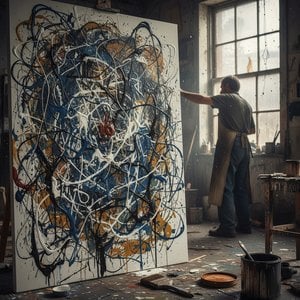
Paul Jackson Pollock: A Radical Departure – Exploring Abstract Expressionism's Pioneering Figure and His Enduring Legacy
Explore the revolutionary art of Jackson Pollock & Abstract Expressionism. Discover his iconic drip paintings, lasting impact, and considerations for collecting this pivotal American artist. Expert insights at ArtsDot.

Tri plátna, tri emócie: Vplyv voľby na subjektívnu interpretáciu umeleckého diela
Objavte hlboký vplyv voľby na subjektívnu interpretáciu umenia! Preskúmajte psychológiu farieb, kompozície a kontext diela. Získajte odborné poznatky o umeleckom zážitku a osobnom dialógu s umením.

Paul Jenkins: Abstraction, Color Field Painting & the Pursuit of Lyrical Expression
Explore the captivating world of Paul Jenkins, a pioneer of abstract expressionism & color field painting. Discover his unique ‘Phenomena’ series and investment potential for art collectors. Expert insights at ArtsDot.