


 Zobraziť v interiéri
 Odoslať
 Zdieľať
 Podrobnosti
 Príručka

 Stiahnuť
 Podobné položky
 RTG skúška
 Prehliadanie diapo\]
 Štatistiky
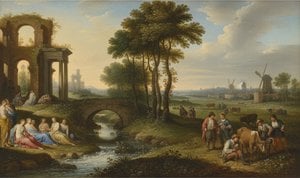
Italian Landscape with Roman Warriors
 Oil On Canvas
- WallArt
- Baroque Landscape
 1650
1650 154.0 x 174.0 cm
 Ermitáž
 Prečítať si viac
Ručne maľovaná olejová reprodukcia
Ručne maľovaný olej na plátne vo vašej zvolenej veľkosti a v ráme, vyrobený na mieru našimi umelcami. ( Prepnúť na tlač Prepnúť na digitálnu verziu obrazu)




P118B €10

P118H €10

P118W €10

P438Z €10

P508JH €12

P508YH €12

P805H €10

P805Z €10

P919BZ €10

P919G €10

P919XJ €10

P959ZH €10

P968JZ €12

W106C €8

W218G €10

W218JH €8

W218Y €10

W307PJ €10

W316G €10

W316PJ €8

W316Y €10

W398PJ €8

W4111J €10

W500HY €15

W500JH €15

W692G €12

W849H €8

W940BG €15

W953PJ €8




Vyberte si z našich preddefinovaných rozmerov, ktoré zodpovedajú pôvodným pomeroḿ diela.

Zadajte šírku a výšku, ktoré potrebujete, aby sa dielo hodilo k vášmu rámu alebo stene. Keďže ide o ručnú maľbu, pri rozmeroch s odlišným pomerom strán môže umelec namalovať o niečo viac okolo obrázka alebo ho mierne orezatú — výber patrí vám. Pred začatím maľovania vám pošleme digitálnu ukážku na schválenie. Obrázok zobrazený na tejto stránke nenahrádza reálny výsledok — ten zobrazuje iba digitálna ukážka.
Po odoslaní objednávky vám tím ArtsDot.com pošle e-mail s pokynmi a poskytne náhľad na návrh
Celosvetová doprava () za 3 až 4 týždne namiesto štandardných 5 týždňov. (24 október). Bez kompromisov v kvalite.

Bezplatná expresná doprava po celom svete

Vysokokvalitné lnianske plátno

Úplné poistenie prepravy

Záruka vrátenia colného poplatku

Záruka presného farebného zhodnutia

100-dená politika vrátenia tovaru (iba pri vadách)

100% záruka vrátenia peňazí

Ponuka množstevnej zľavy
 Možnosť skla je dostupná len pri rozmeroch pod 110 cm

Italian Landscape with Roman Warriors
Spôsob reprodukcie
Veľkosť reprodukcie
-


Celková cena
€ 231
The Vision of Jan Both: A Mediterranean Masterpiece
Jan Dirksz Both’s “Italian Landscape with Roman Warriors,” painted around 1650, isn't merely a depiction of a picturesque Italian vista; it’s an immersive experience. Born in Utrecht and trained within the traditions of Flemish painting, Both embarked on a transformative journey to Rome, a pivotal moment that fundamentally altered his artistic trajectory. This work stands as a testament to that shift – a vibrant synthesis of Northern realism and Southern light, capturing not just a scene but a mood, an atmosphere steeped in the grandeur and drama of the Italian Renaissance.
The painting immediately draws the eye with its expansive composition. A sweeping river dominates the foreground, reflecting the azure sky above, while rolling hills cascade into the distance, culminating in hazy mountains that seem to bleed into the horizon. Yet, it’s not simply a topographical rendering; Both masterfully employs atmospheric perspective – a technique borrowed from Claude Lorrain and other Italian landscape masters – to create an illusion of depth and vastness. The colors become softer, cooler, and less saturated as they recede, drawing the viewer's eye into the heart of the scene.
The Language of Light: A Baroque Revelation
Both’s signature style is characterized by a luminous quality that elevates the landscape beyond mere representation. He was deeply influenced by the Baroque tradition, particularly its emphasis on dramatic lighting and theatrical effects. Notice how the sunlight, seemingly originating from an unseen source, bathes the scene in a golden glow, highlighting specific elements – the shimmering water, the textured foliage, and the confident postures of the Roman warriors. This isn’t a flat, even illumination; it's a dynamic interplay of light and shadow that imbues the painting with a sense of vitality and movement.
The use of color is equally deliberate. Rich ochres, deep greens, and vibrant blues are juxtaposed to create visual interest and depth. The earthy tones of the landscape contrast sharply with the gleaming armor of the soldiers, further emphasizing their power and authority. The subtle variations in hue – a hint of purple in the distant mountains, a touch of pink in the clouds – contribute to the overall sense of realism and atmospheric detail.
Symbolism and Power: The Roman Presence
Beyond its purely aesthetic qualities, “Italian Landscape with Roman Warriors” is laden with symbolic meaning. The presence of the Roman soldiers, clad in their imposing armor and wielding spears, speaks to themes of power, conquest, and military might. They are not simply figures within a landscape; they are active participants, shaping the scene and asserting dominance over it. The bandits leading prisoners further reinforces this narrative, suggesting a world of conflict and political intrigue.
However, the painting isn’t solely focused on warfare. The inclusion of a river, trees, and a sense of leisure hints at a more complex vision – one that acknowledges both the beauty and the brutality of the Italian landscape. The figures are engaged in activities that suggest a harmonious coexistence between humanity and nature, albeit within a framework of power and control.
A Legacy of Light: Both’s Enduring Influence
Jan Dirksz Both's “Italian Landscape with Roman Warriors” represents a pivotal moment in the development of Dutch landscape painting. It showcases his mastery of technique, his deep understanding of color and light, and his ability to synthesize diverse artistic influences. His work continues to captivate viewers today, offering a glimpse into a world of beauty, drama, and timeless symbolism. Reproductions of this stunning artwork capture the essence of Both’s vision, allowing us to experience its luminous quality and evocative power firsthand.
Otázky a odpovede
Kde by sa odporúčalo vystaviť dielo "Italian Landscape with Roman Warriors", vzhľadom na jeho farebnú paletu?
Vďaka svojej palete v odtieňoch Earthy sa dielo „Italian Landscape with Roman Warriors“ od Jan Both odporúča do miestnosti typu Living Room. Práve farby sú jedným z dôvodov tohto odporúčania.
Čo spoločné má dielo „Italian Landscape with Roman Warriors“ s ostatnou tvorbou umelca Jan Both?
V rámci tvorby umelca Jan Both sa dielo „Italian Landscape with Roman Warriors“ radí do štýlu Baroque Landscape, pričom sprevádzajú ho témy ako mediterranean light, roman ideals, classical landscape, heroic figures, religious allegory, moral themes, baroque drama, emotional depth.
Akú farebnú paletu využíva dielo "Italian Landscape with Roman Warriors"?
Farby diela „Italian Landscape with Roman Warriors“ tvoria Earthy paletu. Táto klasifikácia popisuje dominantné farebné skupiny.
Súvisiace diela


Biografia umelca
Jan Both (1610-1652): Majster mediterránskeho svetla
Jan Dirksz Both bol holandskym maliarom, kresličom a radovačom, ktorý sa vypracoval na jednu z najvýznamnejších postáv rozkvitajúceho hnutia „italienizovanej“ krajinnej maľby počas holandskej zlatého veku. Narodený okolo roku 1615/1618 v Utrechte, bol mladším bratom Andriesa Botha. Ich otec, Dirck Both, ktorý bol sklárom, v nich neskoršie vkorenoval hlbokú vážnosť k umeleckému remeslu. Hoci biografické detaily zostávajú niekde v hmlách, vedecký výskum naznačuje, že Janovo vzdelávanie zahŕňalo výuku u Abrahama Bloemaerta a Gerrita van Honthorsta, čo ho zaradilo medzi najvplyvnejších umelcov svojej doby.- Raný život a vzdelávanie: Formatívne roky Botha strávil v Utrechte, kde si zdokonaloval svoje schopnosti spolu so svojím bratom Andriesom a osvojoval si techniky pochádzajúce z otcovskej sklárskej praxe – remesla hlboko zakoreneného v flamandských tradíciách.
- Rímsky vplyv: K približne roku 1638 sa Jan a Andries vydali na transformatívnu cestu do Ríma cez Francúzsko, kde sa ponorili do umeleckého žiarivého prostredia pápežského dvora a stretli sa s velikánmi ako Bloemaert a Gerrit van Honthorst. Táto skúsenosť hlboko formovala ich štylistické cítenie.
Romanate štýl a spolupráca s Lorrainom
Rím sa pre Bothov umelecký rozvoj stal skutočným ohniskom tvorivosti. Zatiaľ čo Andries sa sústredil na žánrové scény v štýle Pietera van Laera, Jan sa primárne zasvätil krajinárskej maľbe – štýlu, ktorý je silne podznamenaný Claude Lorrainom. Dokázal zachytiť éterické krásy stredomorského regiónu s bezprecedentným majstrovstvom svetla a farieb. Výrazným momentom bola jeho úemná spolupráca s Hermanom van Swaneveltom na monumentálnom projekte pre palác Buen Retiro v Madride, čím dokázal svoje ambície a umeleckú silu v najvyšších vrstvách európskej patronskej sféry. Toto partnerstvo upevnilo Bothovo meno ako lídra v oblasti inovácie krajinárskej maľby.Významné diela a umelecké charakteristiky
Bothovo dielo je definované rozľahlými, predstavivými krajinami kúpenými do svetného zlatistého svetla – čo je kľúčovým znakom Lorrainovho štýlu a odrazom širších umeleckých prúdov kolujúcich po celej Európe. Jeho majstrovské dielo, „Krajina s banditmi vedúcimi väzňov“ (Museum of Fine Arts, Boston), je dokonalým príkladom tejto estetickej brilancie. Diagonálna cesta vedie oko diváka priamo do srdca scény, kde kontrastujú realistické postavy s pozadiním idylických výhľadov bohatých na precízne vykreslenú vegetáciu. Medzi opakovateľné motívy patria náboženské alebo mytologické postavy – ako je vidieť v diele „Súd Par idea“ (Londýn, National Gallery) – často realizované spolupracujúcimi umetcami z Utrechtu, ako bol Cornelis van Poelenburch, čo podčiarkuje Bothov vzťah k humanistickým ideálom a umeleckým konvenciám.Odkaz a vplyv
Janov brat Andries tragicky skonal na nemoc v Benici počas ich cesty späť z Ríma. Napriek krátkosti svojho života sa Andries etabloval ako uznávaný umelec špecializujúci sa na scény zo života pešačov – žáner odrážajúci sociálnu realitu tehdejšieho obdobia. Jan Bothov umelecký odkaz však presahuje jednotlivé obrazy; pôsobil ako učiteľ talentovaných žiakov, medzi ktorými boli Barend Bispinck a Willem de Heusch, čím zabezpečil, že jeho štylistické inovácie budú inšpirovať ďalšie generácie umelcov. Jeho tvorba zostáva oslavovaná pre svoju evokatívnu atmosféru, majstrovskú techniku a prínos k rozvoju holandskej krajinárskej maľby – čo je dôkazom neoch冻nejho vplyvu Botha na európsku umeleckú históriu.Kolekcie
- Fitzwilliam Museum, University of Cambridge
- Hermitage, Petrohrad
- Kunsthistorisches Museum, Viedeň
- Louvre, Paríž
- Mauritshuis Royal Picture Gallery

Jan Both
1610 - 1652 , Holandsko
Rýchle fakty
- Artistic Movement Or Style: Italizovaná krajinárska maľba
- Artists Or Movements Influenced By This Artist: ['Claude Lorrain']
- Artists Who Influenced This Artist:
- Abraham Bloemaert
- Gerrit van Honthorst
- Date Of Birth: Utrecht, Holandsko (1610)
- Date Of Death: 9. august 1652
- Full Name: Jan Dirksz Both
- Nationality: Holandský
- Notable Artworks:
- Svätá Anna s Pannou a Dieťaťom
- Krajina s banditmi vedúcimi väzňov
- Súd Paridov
- Place Of Birth: Utrecht
Súvisiace články
Cornelis van Poelenburch: Bridging Mannerism & the Dutch Baroque Landscape
Discover Cornelis van Poelenburch, a pivotal Dutch Baroque landscape painter bridging Mannerism & Italianate styles. Explore his life, key works, and lasting influence on 17th-century art with ArtsDot.

Top 10 Majstrov Romantickej Krajinomaľby: Obrazy, ktoré zmenili svet umenia
Ponorte sa do sveta romantickej krajinomaľby! Objavte top 10 majstrovských diel od Friedricha, Turnera a ďalších. Historické obrazy prírody s nádychom emócií. Reprodukcie obrazov pre váš interiér na ArtsDot.com.

Evocations of Place: A Historical Journey Through Landscape Art
Explore the rich history of landscape art with ArtsDot. Discover renowned artists, movements like Impressionism & Romanticism, and expert guidance for collecting timeless pieces. Find your perfect serene escape today!

Jan Brueghel the Elder: A Master of Flemish Landscape & Allegory – Exploring Innovation & Influence
Explore the captivating world of Jan Brueghel the Elder, a Flemish Baroque master renowned for his stunning landscapes & allegorical paintings. Discover his collaborations with Rubens and lasting artistic legacy.

Claude Lorrain: Master of Light & Landscape in the Golden Age
Explore the luminous landscapes of Claude Lorrain, a Baroque master renowned for his masterful use of light & atmosphere. Discover his life, techniques, key works & enduring influence on art history.
